Limes Tripolitanus, Roman frontier defense system in northern Libya
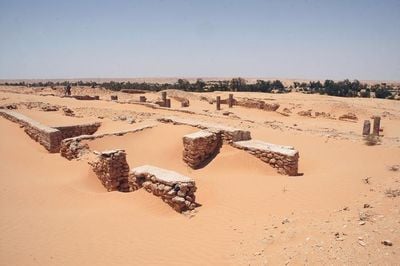
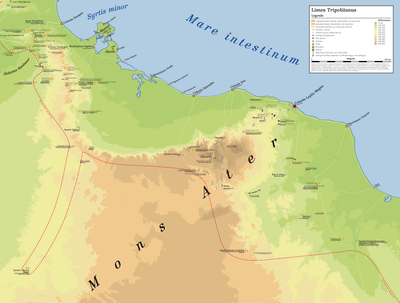
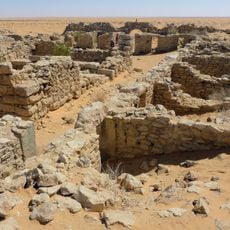
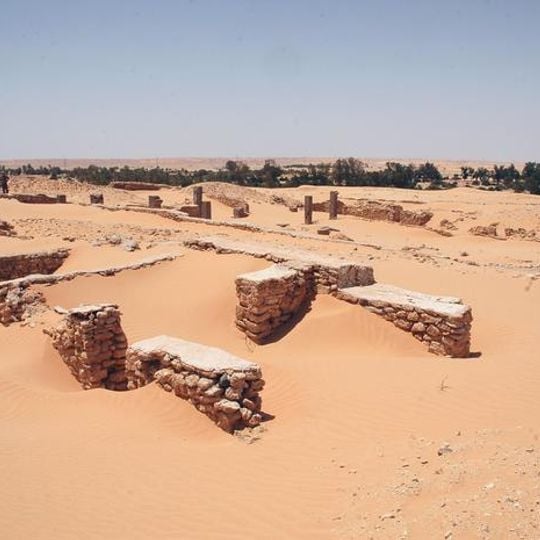
Limes Tripolitanus is a Roman fortified line that stretches across northern Libya, composed of forts, watchtowers, and military outposts arranged as a continuous defensive barrier. The system also includes cisterns, dams, and water channels that supported farming and provided water for the soldiers stationed throughout the frontier.
The defensive line was built starting in the 1st century to protect Roman territories and trade routes until the 6th century. It served as a boundary separating Roman agricultural settlements from the nomadic populations of the desert region.
Pottery fragments from Fort Gholaia bear inscriptions that reveal how Roman soldiers and local people interacted in their daily lives and work. These objects show the human connections that existed across the frontier.
The remains are spread across a large area and are best explored with adequate time and water supplies, as they sit in an arid landscape. Wear sturdy footwear and prepare for uneven ground and limited shade throughout the visit.
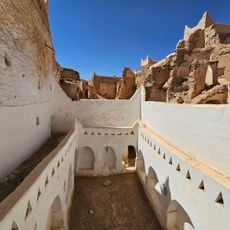
Hundreds of fortified farms called Centenaria scattered across the region show how the military installation gradually transformed into an agricultural settlement. This shift reveals a significant change in how the Roman frontier was used over time.
The community of curious travelers
AroundUs brings together thousands of curated places, local tips, and hidden gems, enriched daily by 91,657 contributors worldwide.