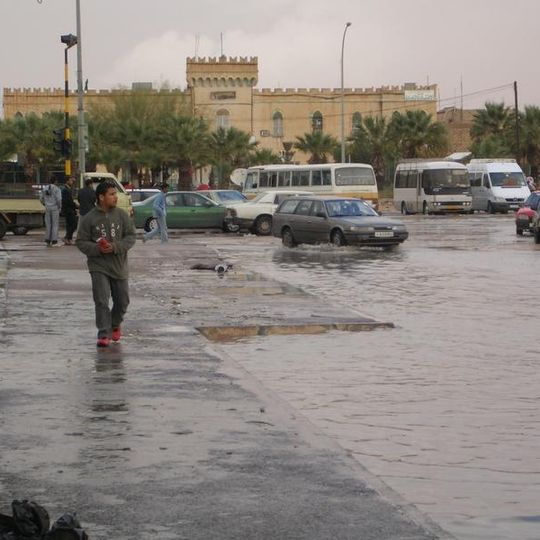
Ajdabiya, city in Libya
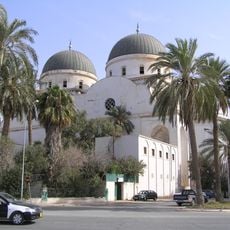
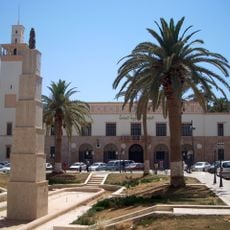
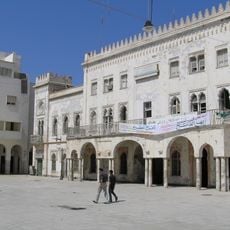
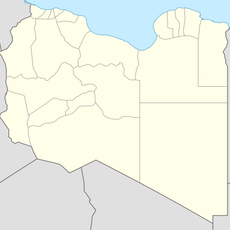
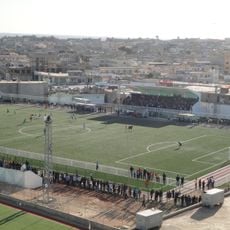
Ajdabiya is a municipality in northeastern Libya's Al Wahat District, situated on a flat plain near the Gulf of Sirte about 150 kilometers south of Benghazi. The town serves as a junction where major highways connecting Libya's coast to inland areas intersect, making it a key point for regional movement and trade.
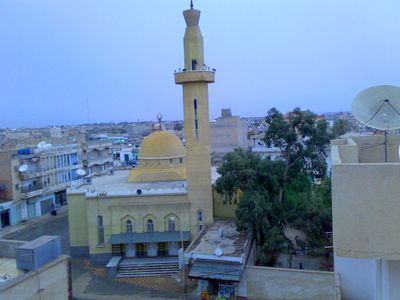
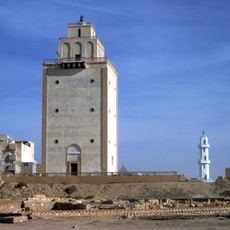
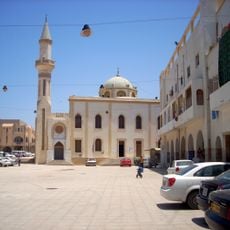
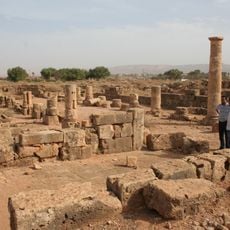
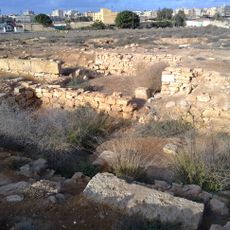
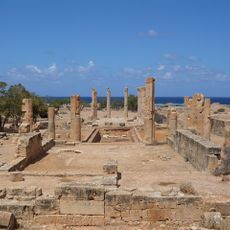
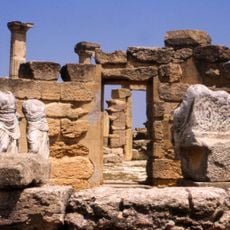
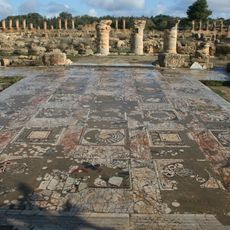
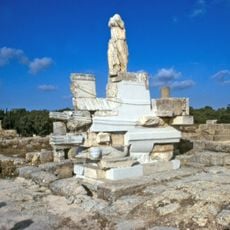
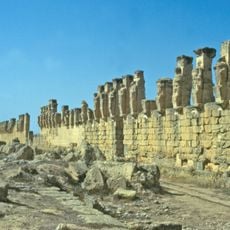
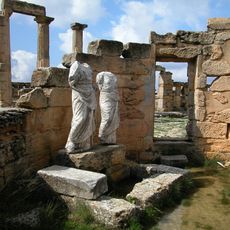
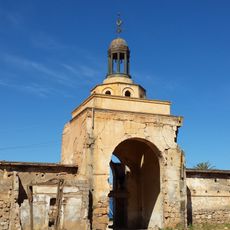
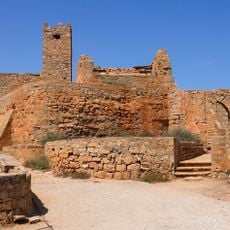
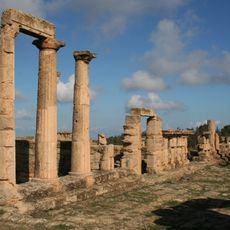
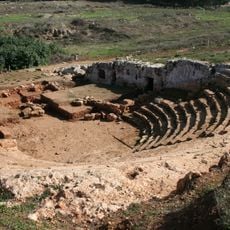
The city was known as Corniclanum under Roman rule and served as a military outpost protecting trade routes. The Fatimids later built a mosque and palace there, visible today as ruins, marking the town's importance as an Islamic medieval center before Ottoman and later Italian control shaped its modern history.
The name Ajdabiya comes from Arabic meaning 'the one who throws' or 'the one who shoots', reflecting its past as a military stronghold. This heritage remains central to how local residents view their town and its role as a historic crossroads for travelers and warriors.
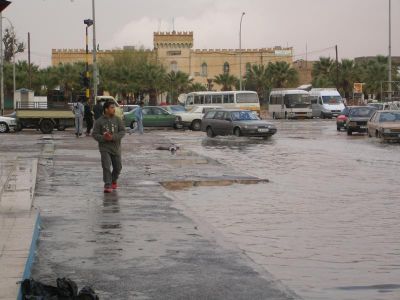
The town is easily navigable using local buses and taxis that run regularly through the streets. Basic hotels and guesthouses accommodate visitors with different budgets, while hospitals, police stations, and schools provide essential services for both travelers and residents.
The town's name connects to an ancient border legend where two brothers reportedly sacrificed themselves around the 3rd century BCE to mark a boundary between different lands near Ajdabiya. This story established it as a symbolic crossing point in the region's collective memory.
The community of curious travelers
AroundUs brings together thousands of curated places, local tips, and hidden gems, enriched daily by 92,319 contributors worldwide.