Jebel Irhoud, Archaeological cave site near Youssoufia, Morocco
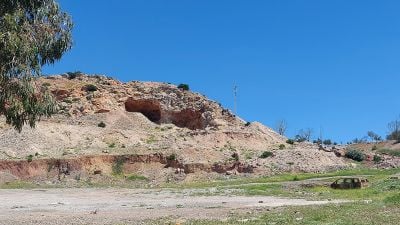
Jebel Irhoud is a site with a limestone cave on the eastern side of a rocky outcrop in Morocco, roughly 1840 feet (560 meters) above sea level. The cave reaches about 26 feet (8 meters) deep and contains deposits from the Pleistocene with numerous prehistoric remains.
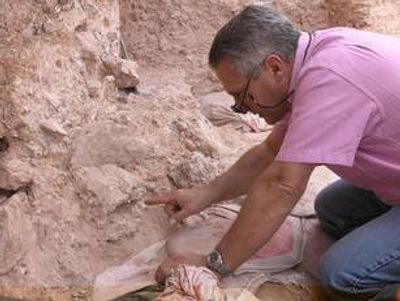
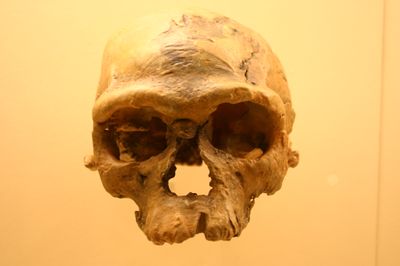
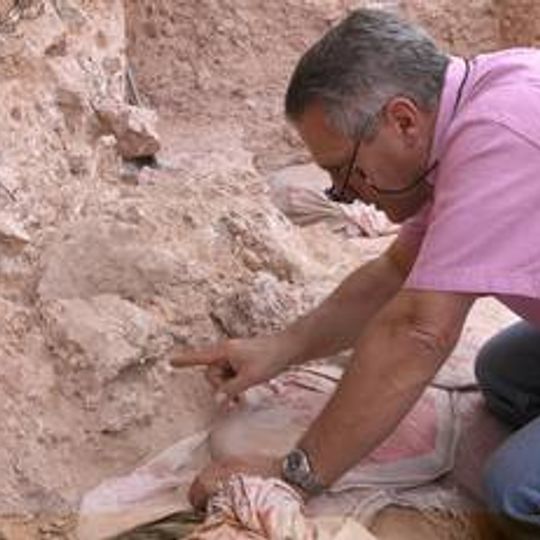
Miners discovered the cave in 1960 during extraction work for barite and came across a skull in the rock wall. Joint Moroccan-French excavations then began a year later and brought numerous additional fossils to light.
The place shows traces of early hunting techniques through stone tools and animal bones that point to planned fire use. These finds give insight into daily survival strategies of humans hundreds of thousands of years ago.
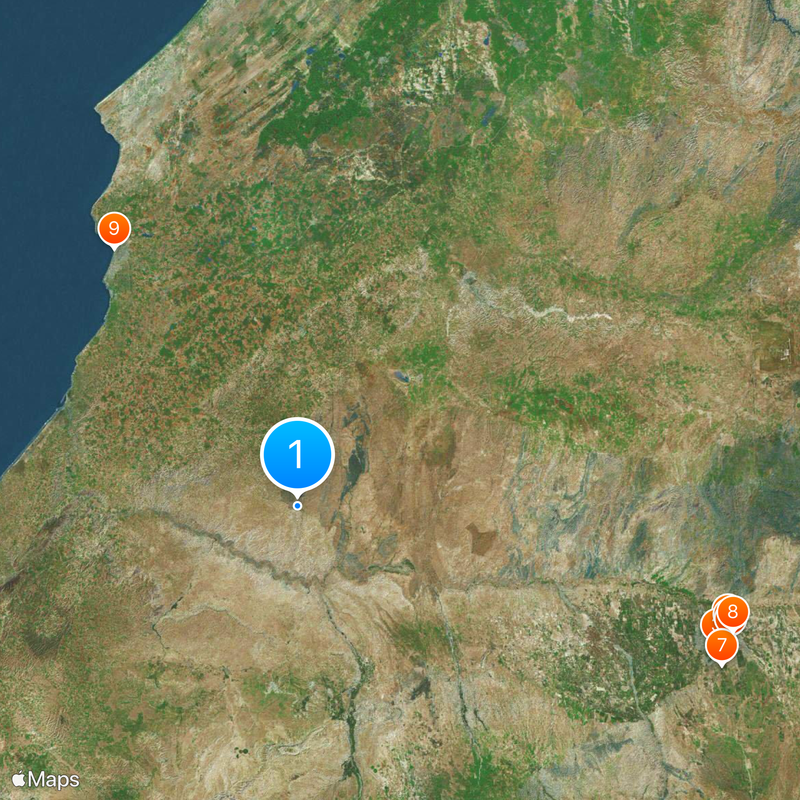
The cave sits about 31 miles (50 kilometers) southeast of Safi and 62 miles (100 kilometers) west of Marrakesh in remote mountainous terrain. Visits require special permission and are mainly granted for scientific research purposes.
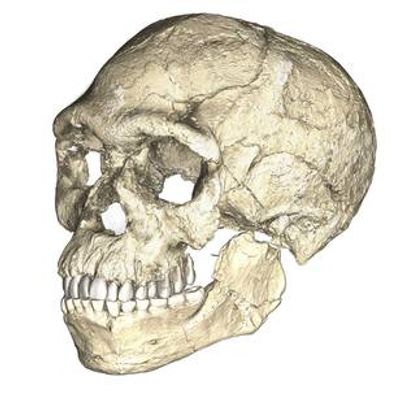
Analysis of the bone finds revealed an age of roughly 300,000 years, making them the oldest known remains of modern humans worldwide. This dating fundamentally changed the understanding of when and where our species emerged.
The community of curious travelers
AroundUs brings together thousands of curated places, local tips, and hidden gems, enriched daily by 91,695 contributors worldwide.