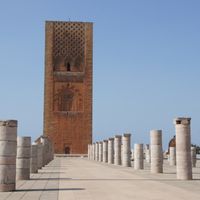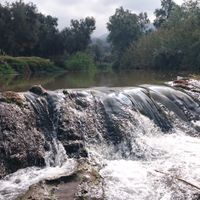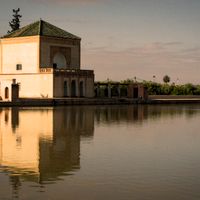
Morocco, Constitutional monarchy in North Africa.
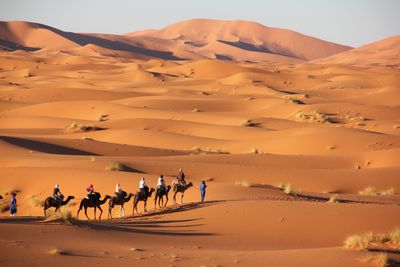
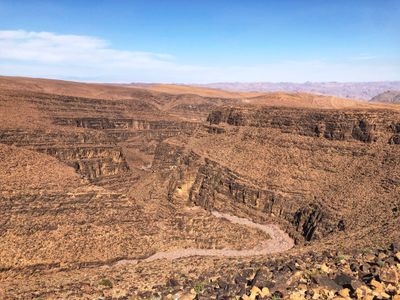
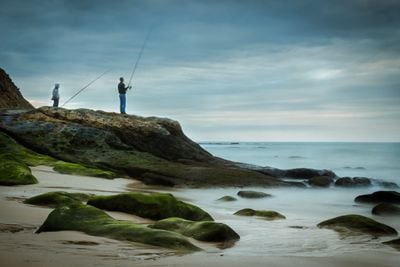
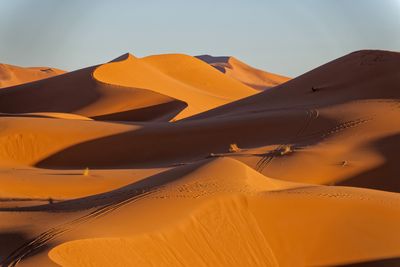
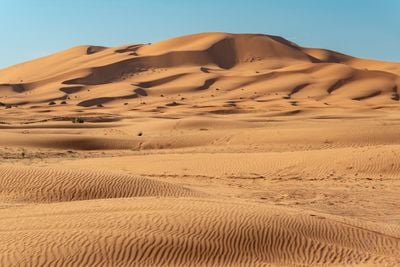
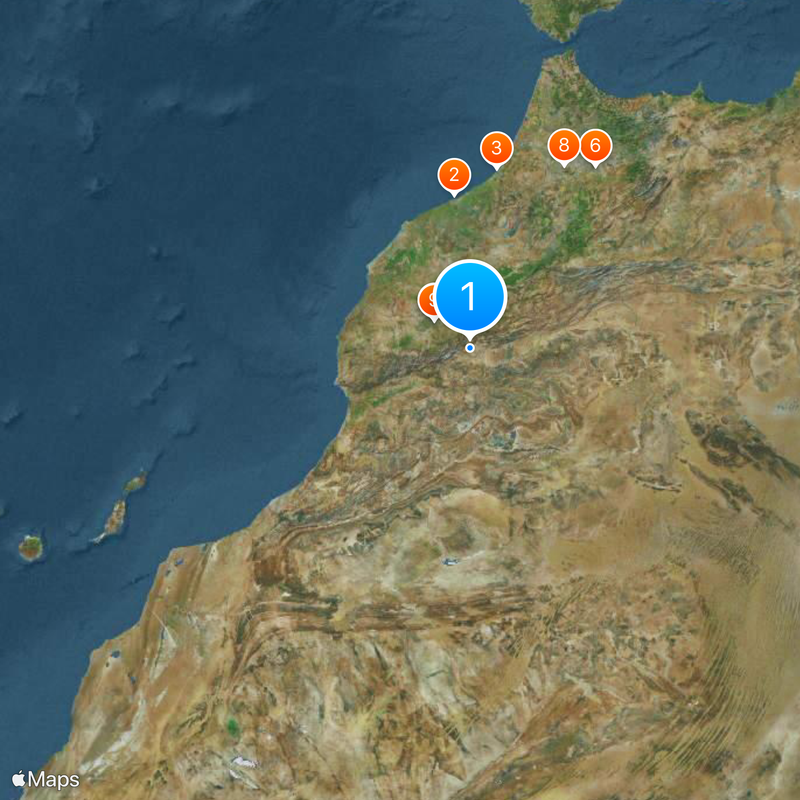
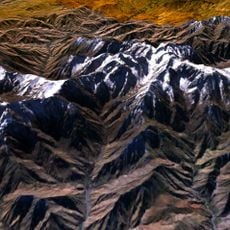
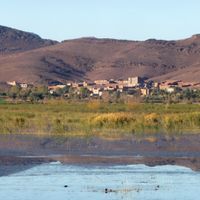
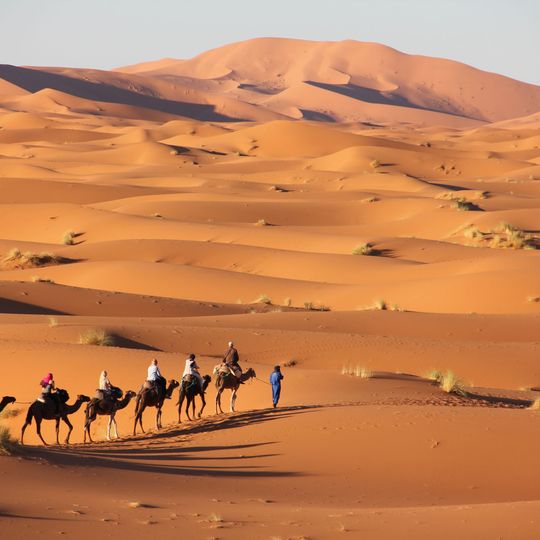
Morocco is a North African country with Mediterranean and Atlantic shorelines, three Atlas mountain ranges, and southern Saharan desert regions, where Rabat, Casablanca, Marrakesh, and Fes form the main settlement areas. Agriculture concentrates in coastal plains and valleys, while oases supply water to isolated communities, and the population consists of Arab and Berber groups, with major centers along the western coast and in historic inland locations.
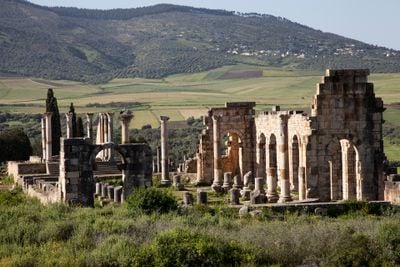
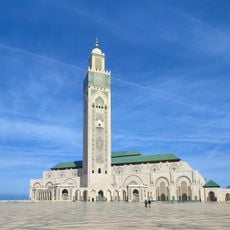
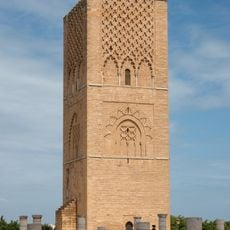
Phoenician trading posts appeared from the 12th century BC along the coast, followed by Roman rule over the province of Mauretania Tingitana and Arab conquests in the 7th century that introduced Islam and established dynasties such as the Almoravids and Almohads. The Alaouite dynasty assumed power in 1631 and continues to rule today, Mohammed V negotiated independence from French and Spanish administration in 1956, his son Hassan II reigned until 1999 when Mohammed VI ascended the throne.
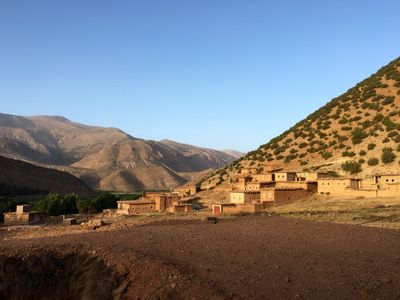
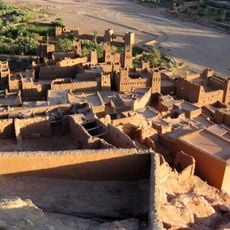
Berber villages in the Atlas mountain chains maintain their own languages, musical forms, and building styles, while Arabic traditions shape life in cities and along the coast. Islam defines daily routines, with calls to prayer five times each day and mosques serving as social meeting points, traditional hammams offer ritual cleansing and gathering spaces, and the cuisine combines Mediterranean ingredients with spices from caravan routes through tagines, couscous, and mint tea ceremonies that express hospitality and family ties.
International airports in Casablanca, Marrakesh, Rabat, Fes, and Tangier connect with European, African, and Middle Eastern destinations, trains link coastal cities while buses serve remote areas. The best travel period runs from October through April with milder temperatures, ATMs work in all larger towns, French and Arabic dominate in cities while Berber languages are spoken in mountain areas, and conservative clothing is respected outside beach resorts.
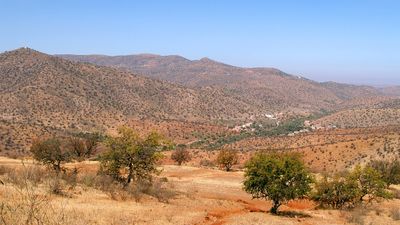
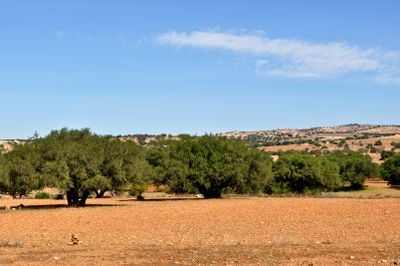
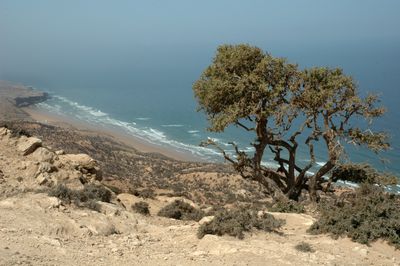
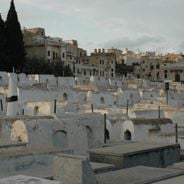
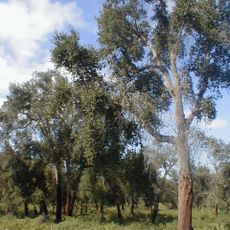
Fes holds the largest car-free urban zone worldwide, where 9000 narrow alleys form the medieval old town and only donkeys and handcarts serve as transport. Argan trees grow exclusively in the southwestern coastal area and provide oil for culinary and cosmetic purposes, the country produces over 200000 tons of olives annually and exports citrus fruits to Europe, while Gnaoua musicians perform centuries-old rhythms introduced by sub-Saharan slaves.
The community of curious travelers
AroundUs brings together thousands of curated places, local tips, and hidden gems, enriched daily by 91,283 contributors worldwide.