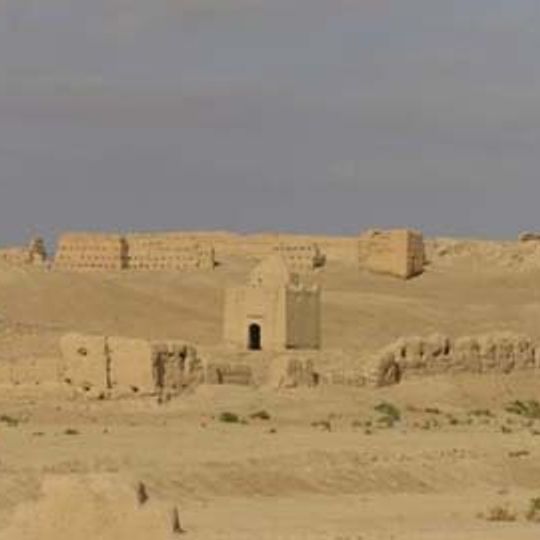
Sijilmasa, Archaeological site in Errachidia, Morocco.
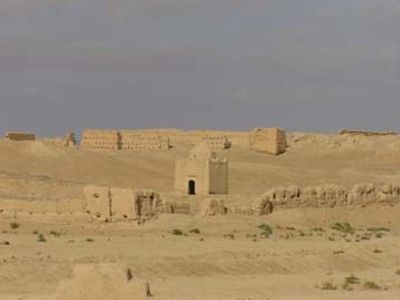
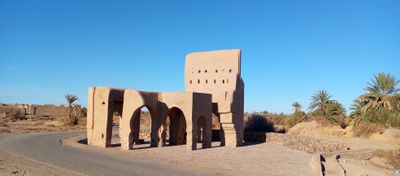
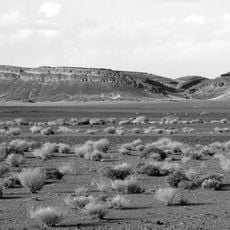
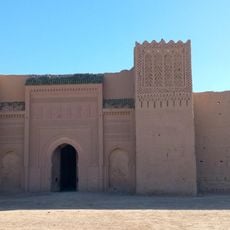
Sijilmasa is an archaeological site in the Tafilalt oasis near the town of Rissani in Morocco, where ruins spread over roughly five miles along the River Ziz. The remains show city walls built from rammed earth, outlines of residential quarters, workshops, and public buildings, some of which lie buried under sand dunes.
The city was founded in 757 by the Miknasa Berbers and grew into a key trading hub linking North Africa with regions south of the Sahara. After centuries of prosperity, it was finally abandoned in 1393 when political instability and conflicts disrupted the trade routes.
The name Sijilmasa means "gathering place" in the Berber language, reflecting the city's role as a crossroads where merchants from across the Sahara met and traded. Today, fragments of decorated plaster and carved stone found among the ruins show how builders combined geometric patterns from Islamic tradition with local craftsmanship.
Visitors should arrange a local guide in Rissani, as the excavation sites are spread out and many areas are unmarked. Sturdy footwear is recommended, since the terrain includes uneven ground with sand and rubble fields.
The city minted its own currency and controlled the regional gold trade, making it the economic heart of medieval Morocco. Archaeologists uncovered workshops where gold coins from Sudan were stamped before continuing north to Europe.
The community of curious travelers
AroundUs brings together thousands of curated places, local tips, and hidden gems, enriched daily by 90,769 contributors worldwide.