Jemaa el-Fnaa, Square and marketplace in Marrakesh, Morocco
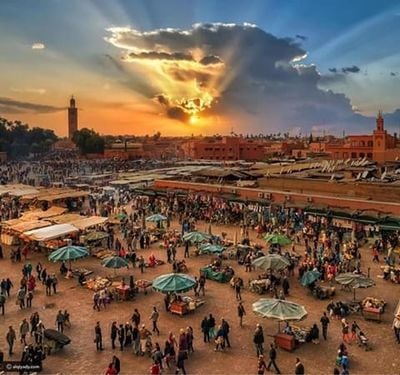
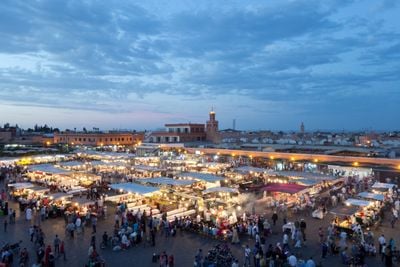
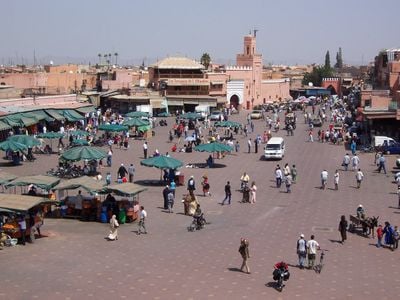
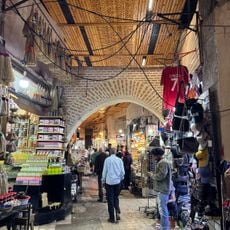
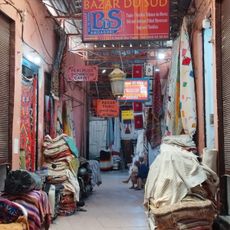
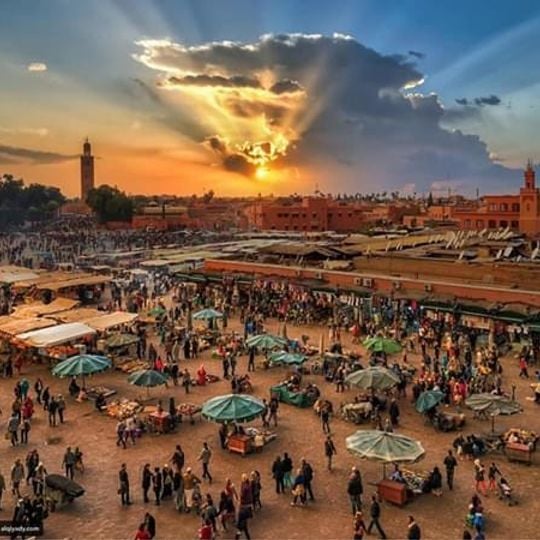
Jemaa el-Fnaa is a sprawling plaza in the heart of Marrakesh where vendors, food carts, and street performers crowd together. The medina spreads around this open area, which during daytime is mainly animated by orange juice sellers and snake charmers and after sunset becomes a dense maze of smoking food stalls.
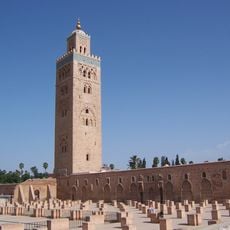
The square began as Rahbat al-Ksar, an open market space beside the Almoravid fortress of Ksar el-Hajjar, founded with Marrakesh in 1070. The Almoravid emir Ali ibn Yusuf (ruled 1106–1143) built a palace gate facing it, where justice was likely dispensed weekly. After the Almohads took the city in 1147, the old palace was torn down for the Kutubiyya Mosque. In the 17th century the name Jemaa el-Fna appeared, linked to Saadian sultan Ahmad al-Mansur's unfinished mosque.
The name Jemaa el-Fna probably refers to a ruined mosque: Sultan Ahmad al-Mansur began a Friday mosque here around 1578–1603, abandoned it after plague, and the site became known as the "mosque of ruination". The halqa, a circle of spectators around a storyteller, acrobat or musician, is recorded here since the 17th century. Elias Canetti described the halqa he saw in 1954 in "Voix de Marrakech".
The plaza is accessible around the clock and reaches its peak after dark when the food stalls open and the crowd grows. Visitors should watch their bags and can orient themselves by the elevated cafés around the square, which offer an overview of the activity.
UNESCO included the plaza on its list of intangible heritage because the oral traditions and performing arts continue to be practiced here. At the edge of the plaza stand several multi-story buildings with rooftop terraces from which you can survey the entire scene without standing in the crowd yourself.
The community of curious travelers
AroundUs brings together thousands of curated places, local tips, and hidden gems, enriched daily by 94,028 contributors worldwide.