See the monuments around you in AROpen chests in the app
Around Us is built for your phone — point your camera at the streets and discover the monuments and places around you in augmented reality.Around Us is built for your phone — chests unlock when you walk, explore and capture nearby places.
Marrakech with family: palaces, gardens and markets to discover with your children
Marrakech is a place to explore with family through busy streets and shady gardens. The Jemaa El Fna square shows storytellers, snake charmers, and vendors selling fresh orange juice under the minaret of Koutoubia. The markets invite you to walk through alleyways filled with spices, carpets, and copper lanterns. Children watch craftsmen at work, from tanners to potters, in shops open to the street.
Palaces tell stories of past rulers. The Bahia palace surprises with its open courtyards and carved cedarwood ceilings. The ruins of Badi palace hint at its former size, while the Saadian tombs display mosaics and marble. The Ben Youssef Medersa, a former school, has a central courtyard surrounded by small rooms for students.
Gardens offer a quiet break. The Majorelle Gardens mix large cacti with blue pools in a park made by a French painter. The Menara has olive trees around a reflecting pond with views of the Atlas Mountains. The Marrakech Museum shows ceramics and Berber jewelry in an old palace with iron-studded doors.
Marrakech with family: palaces, gardens and markets to discover with your children
Marrakech is a place to explore with family through busy streets and shady gardens. The Jemaa El Fna square shows storytellers, snake charmers, and vendors selling fresh orange juice under the minaret of Koutoubia. The markets invite you to walk through alleyways filled with spices, carpets, and copper lanterns. Children watch craftsmen at work, from tanners to potters, in shops open to the street.
Palaces tell stories of past rulers. The Bahia palace surprises with its open courtyards and carved cedarwood ceilings. The ruins of Badi palace hint at its former size, while the Saadian tombs display mosaics and marble. The Ben Youssef Medersa, a former school, has a central courtyard surrounded by small rooms for students.
Gardens offer a quiet break. The Majorelle Gardens mix large cacti with blue pools in a park made by a French painter. The Menara has olive trees around a reflecting pond with views of the Atlas Mountains. The Marrakech Museum shows ceramics and Berber jewelry in an old palace with iron-studded doors.
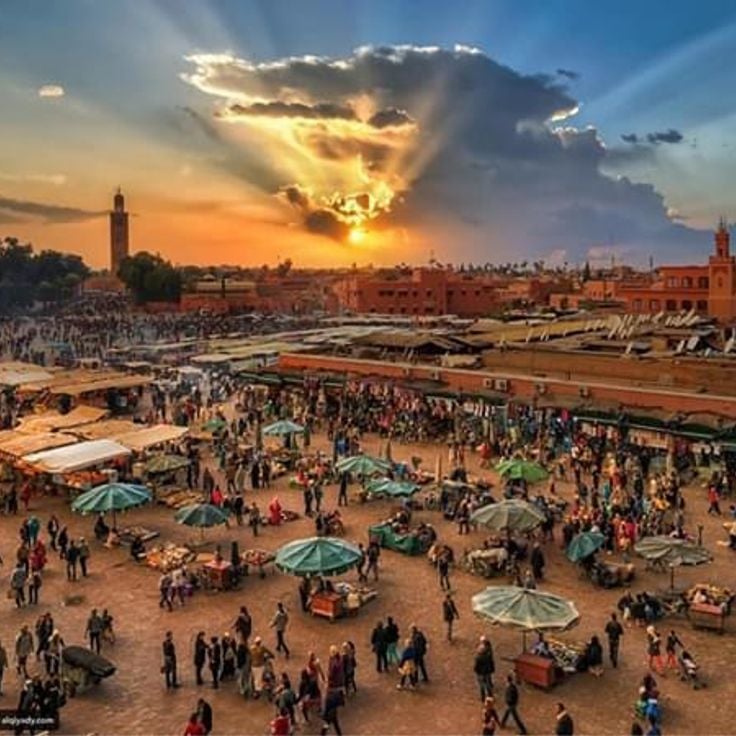
Jemaa El Fna is the heart of Marrakech and sits on the list of the world's intangible cultural heritage. This large plaza comes alive during the day with storytellers, snake charmers, and vendors selling freshly squeezed orange juice. The afternoon brings even more activity: musicians and acrobats perform, water carriers in traditional clothes move through the crowds. The Koutoubia minaret stands tall above everything, watching over the square. This plaza is where to feel the pulse of Marrakech and watch how people actually live their daily lives.
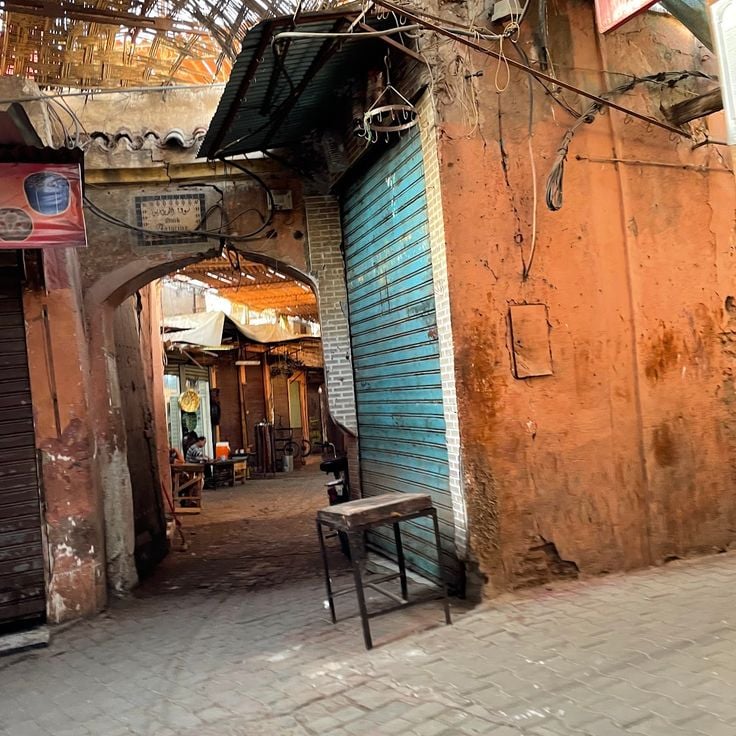
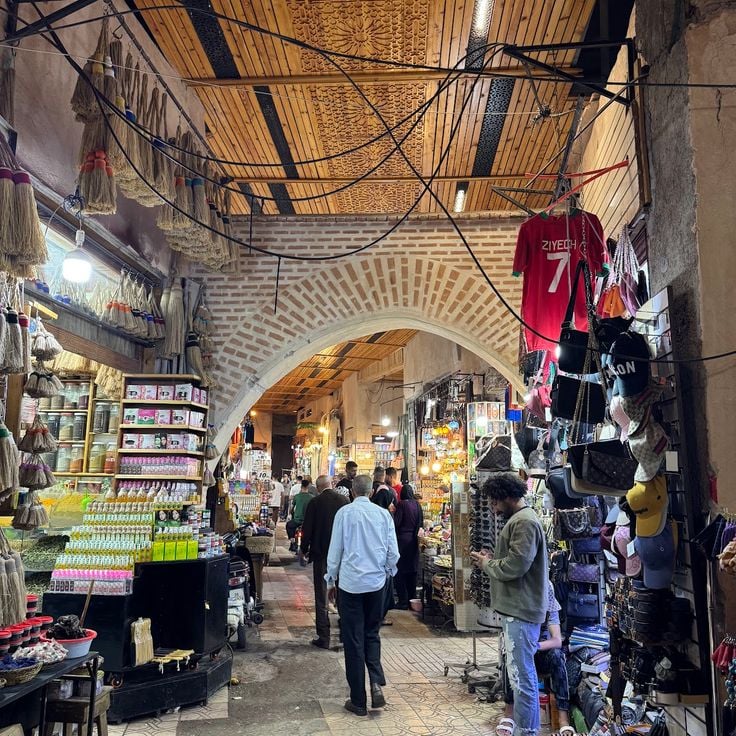
The souk of Marrakech is a market in the heart of the medina where the streets form a maze of small shops. Here you find slippers, teapots, carpets and handcrafted items. The air carries the scent of spices and leather. Artisans work in open workshops where you can watch them create their goods. For children, it is an adventure to wander through the narrow passages and discover the variety of goods on display.
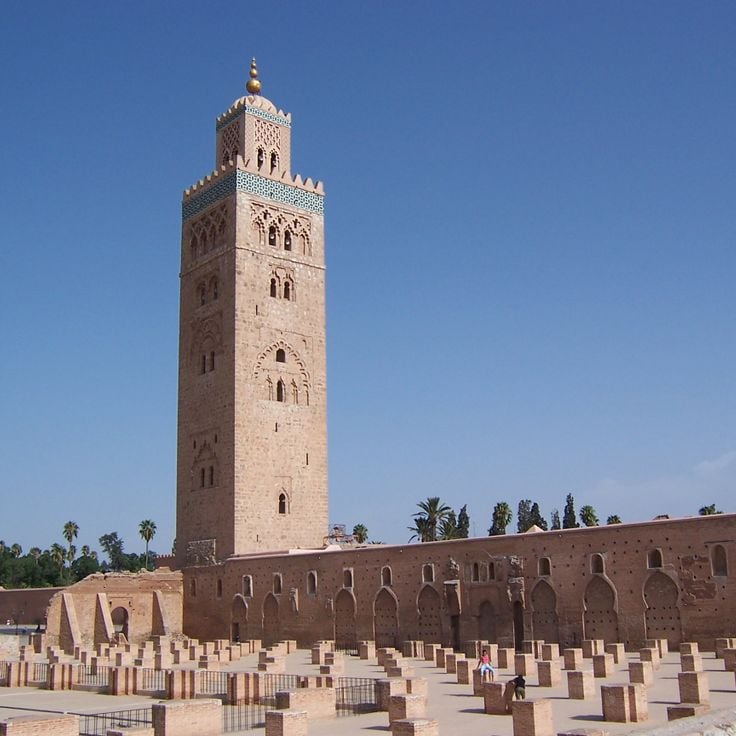
The Koutoubia Mosque stands at the heart of this family journey through Marrakech. Its minaret rises above the busy Jemaa El Fna square and serves as a landmark for anyone moving through the city. From the souks, you see its shape above the rooftops. Children can spot the tower from far away and use it to find their way through the narrow streets. The minaret dates to the 12th century and shows the skilled craftsmanship of that time.
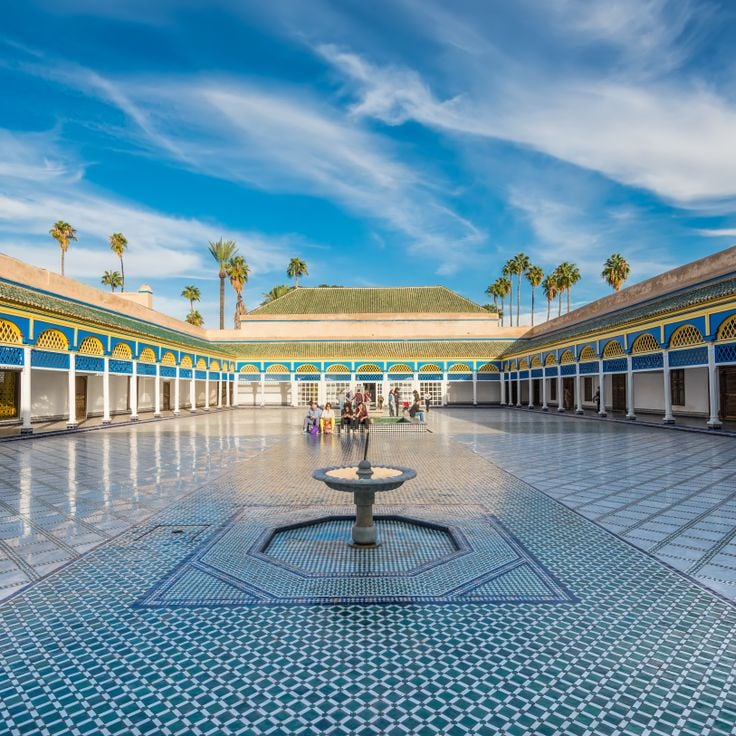
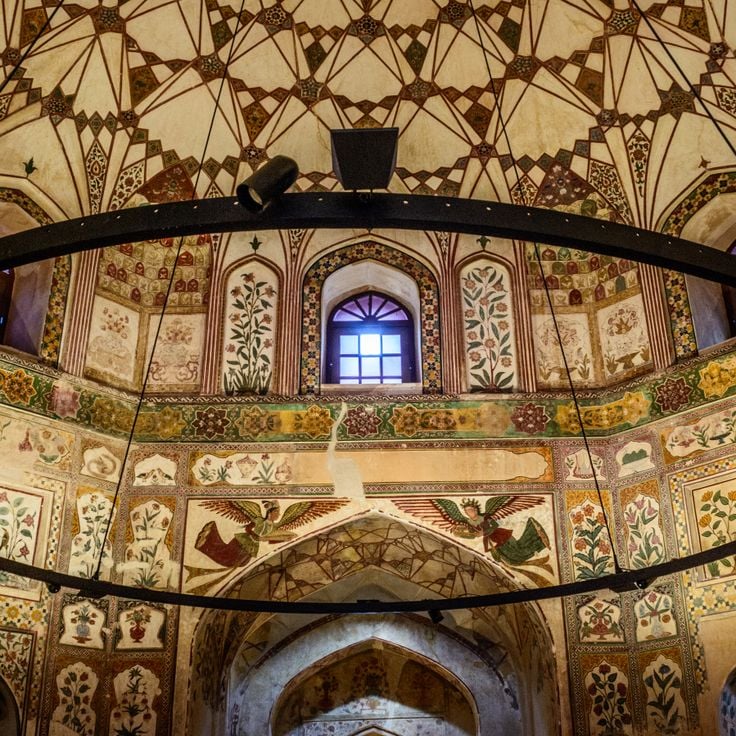
The Palais de la Bahia is a former palace of a high official in Marrakech. The building impresses with over one hundred rooms, fine decorative patterns on walls and ceilings made of cedar wood. Interior courtyards with fountains provide pleasant rest areas. Narrow passages connect the different sections of the palace. For families traveling with children, this place offers a chance to discover the history of Moroccan dynasties and understand how rulers lived in Marrakech.
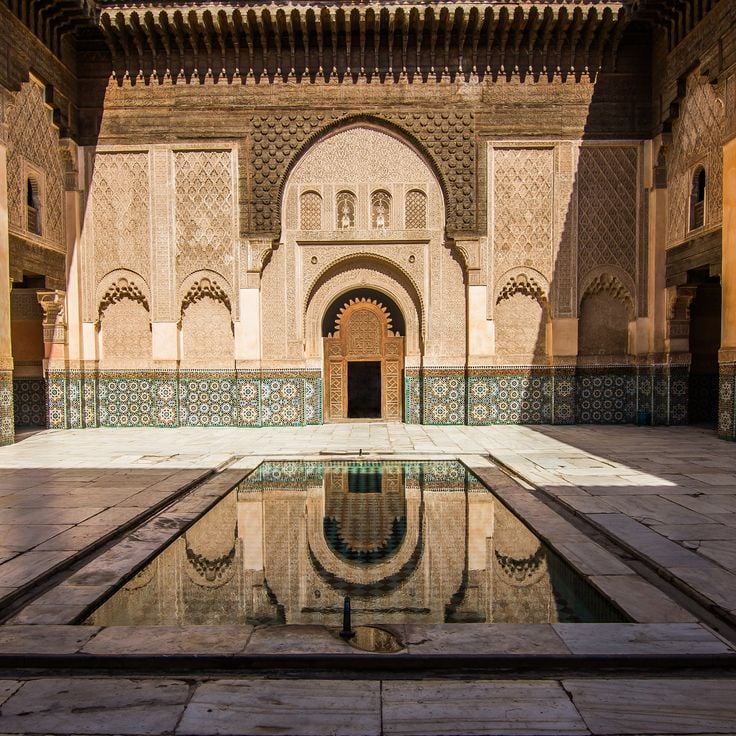
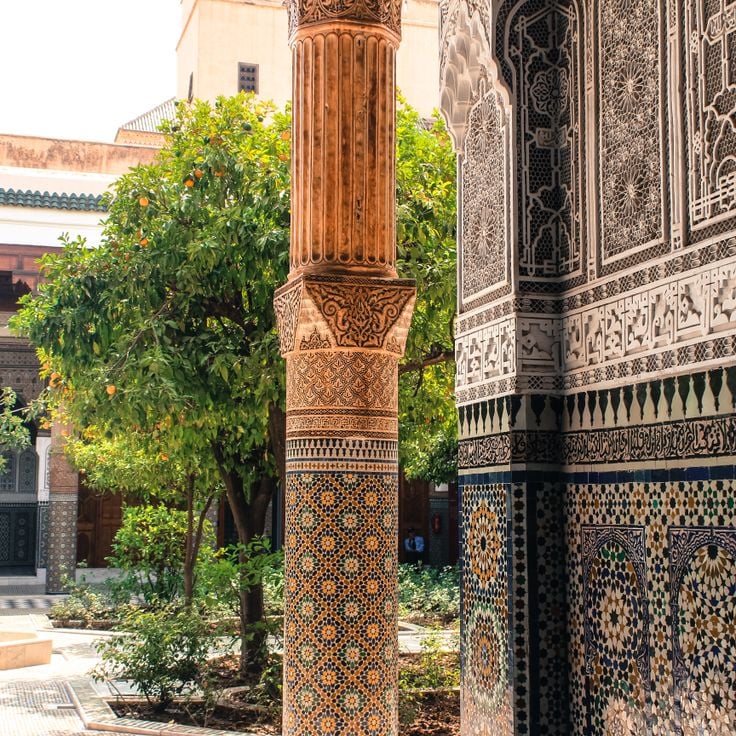
The Medersa Ben Youssef is a former Quranic school from the 16th century located in the medina. You enter through a decorated doorway and find yourself in a central courtyard. Finely carved wooden decorations cover the walls and ceilings. Small, bare student cells open onto the courtyard - these were where young men lived while they studied. A basin sits in the center of the courtyard. Walking through this building, you sense the daily life of religious students from centuries ago, their routines shaped by learning and prayer in these quiet spaces.
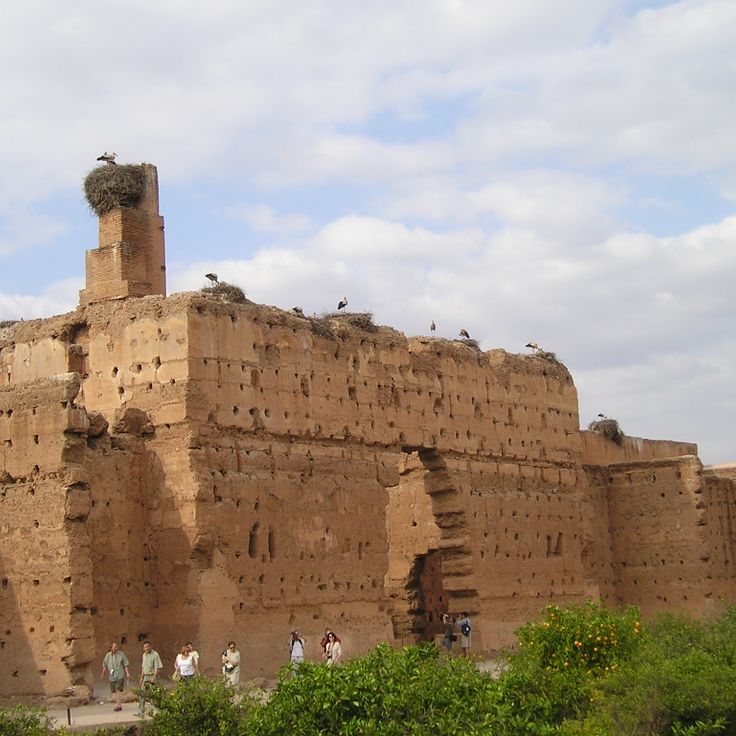
The Badi Palace is a ruin of the former royal palace in Marrakech. Children can run freely through the open courtyards and explore history through the remaining walls and structures. The site is known for being home to storks that build their nests on the old stone walls, and your family can watch these birds from various spots. The sprawling spaces show how grand this palace once was before it fell into decline.
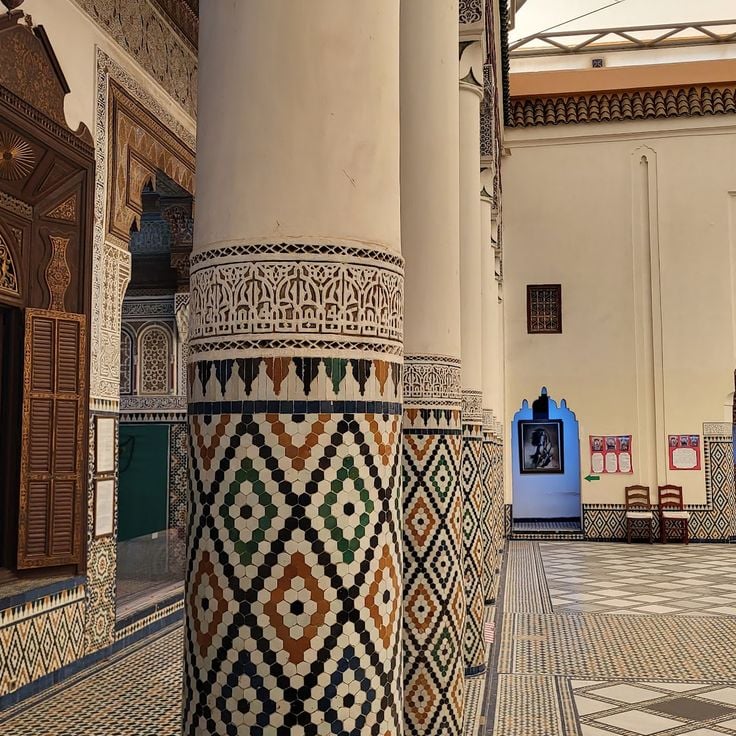
The Musée de Marrakech sits in a 19th-century palace with Moorish style. The museum displays ceramics, rugs, jewelry and traditional Moroccan objects. Rooms open onto a central courtyard where water flows through basins. Children discover here the craftsmanship of their heritage: painted ceramics, decorated rugs and silver fibulae. Walls are adorned with carved cedar wood ceilings and zelij tilework.
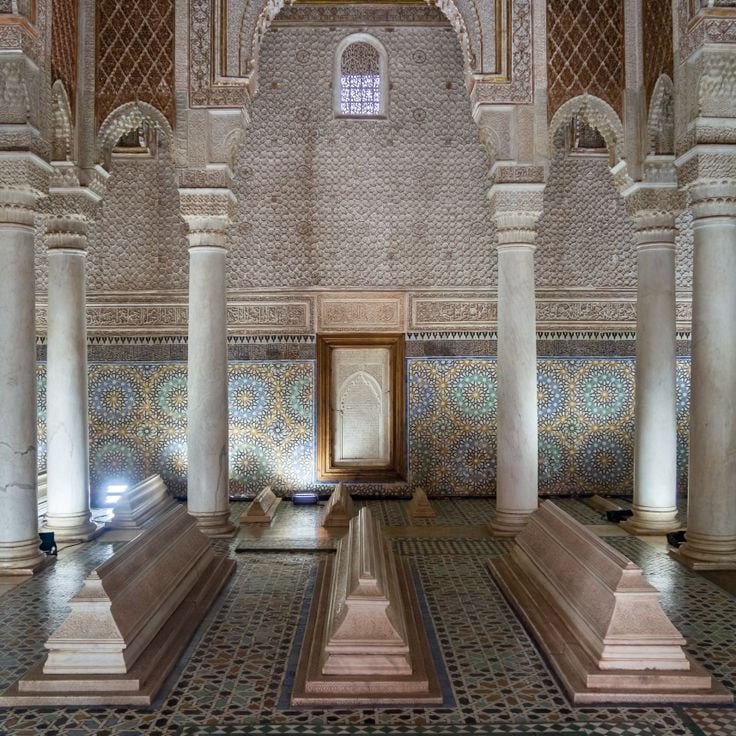
These Saadian Tombs show the power of a past dynasty. About a hundred graves are scattered across a garden or grouped in two mausoleums. Each grave is covered with mosaics crafted with care. Plants grow around them, shading the space. You can walk slowly here and observe the work of the craftspeople who shaped these tombs. Children will notice the colors and patterns.
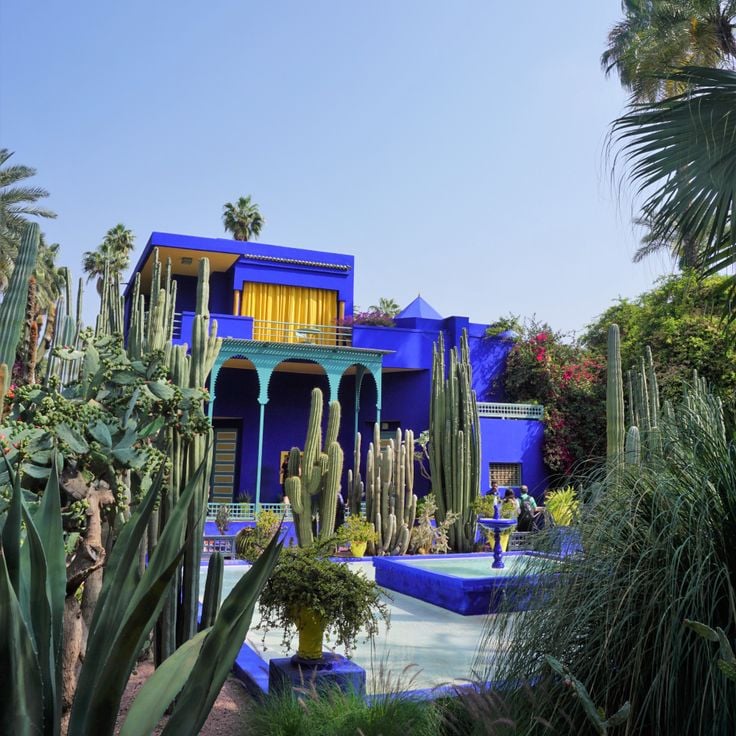
These gardens in Marrakech display plants from around the world. Giant cacti grow alongside bamboo and palm trees. The architecture features blue buildings and pathways that wind through the greenery. Water basins reflect the colors around them. Visitors see turtles, birds, and fish in the water. The French painter Jacques Majorelle created these gardens in the early 1900s. Later, the fashion designer Yves Saint Laurent owned the property.
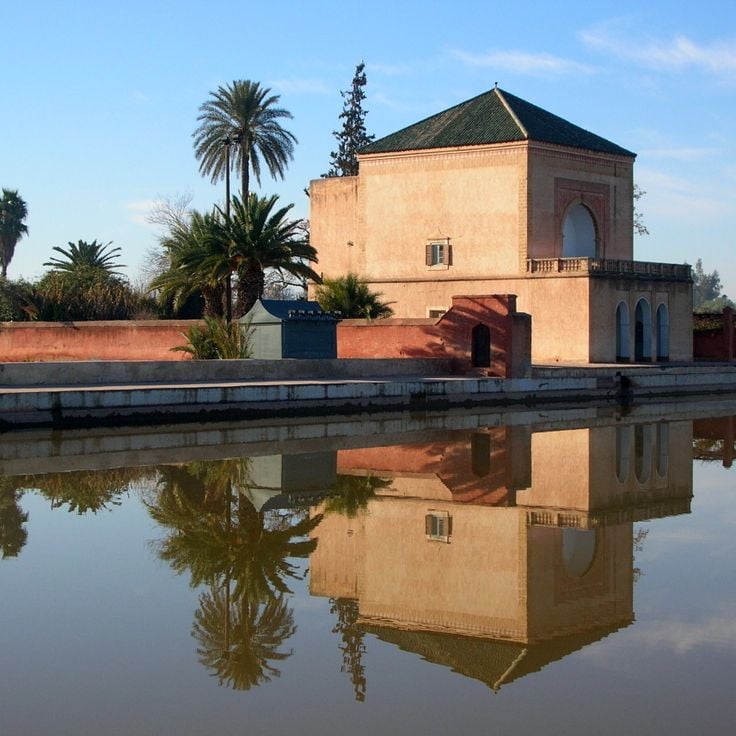
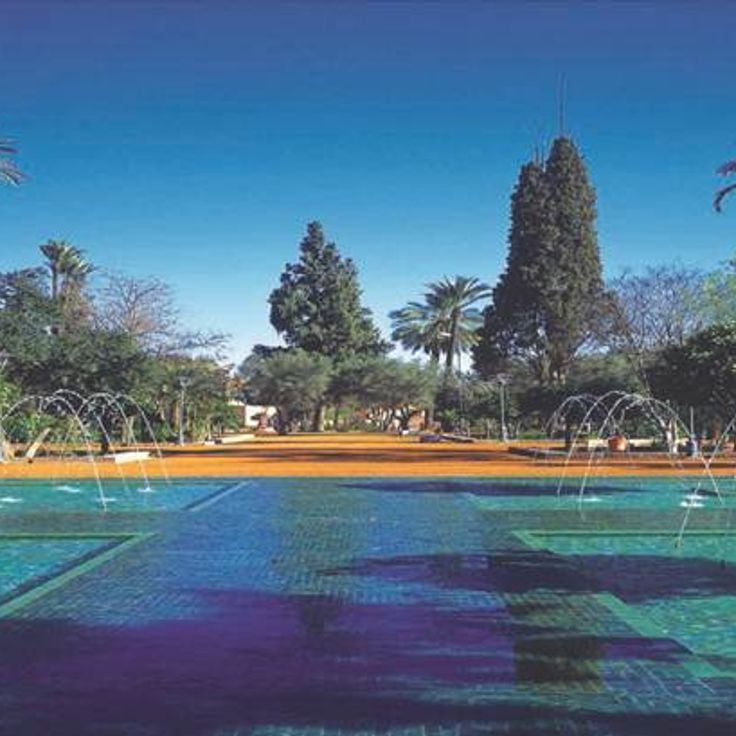
The Menara garden in Marrakech is a large park with rows of olive trees planted around a reflecting pool. The water mirrors the snow-capped peaks of the Atlas Mountains. A traditional pavilion sits at the water's edge. Families walk among the ancient trees and rest in the shade during hot afternoons. The garden offers a quiet place to escape from the busy souks and squares of the medina.
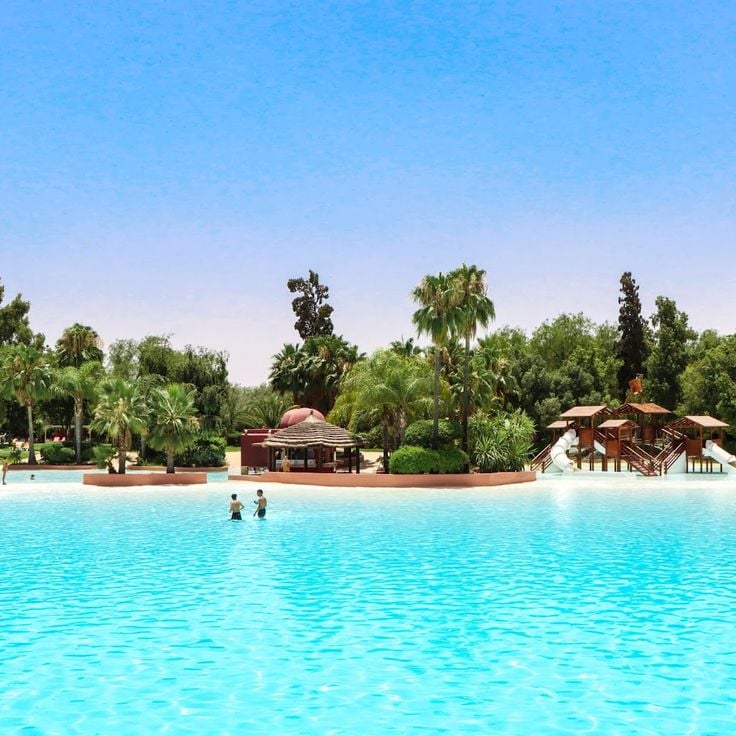
Oasiria Water Park is Morocco's first water park built for families to enjoy together. The park has five large pools, a wave pool, and water slides where children can play and splash. There is a giant octopus structure and a pirate boat for kids to explore. Gardens with shade give families places to rest between activities. On hot days, this park offers a fun way to cool off while keeping everyone entertained in one spot.
Jardin ANIMA sits outside Marrakech as a place where plants and art come together in surprising ways. Sculptures and masks created by artists from around the world stand among the gardens, turning the space into a creative world. Children can wander through the paths and discover artworks hidden among the vegetation. The garden mixes botanical displays with imaginative installations, offering visitors something different from typical parks.
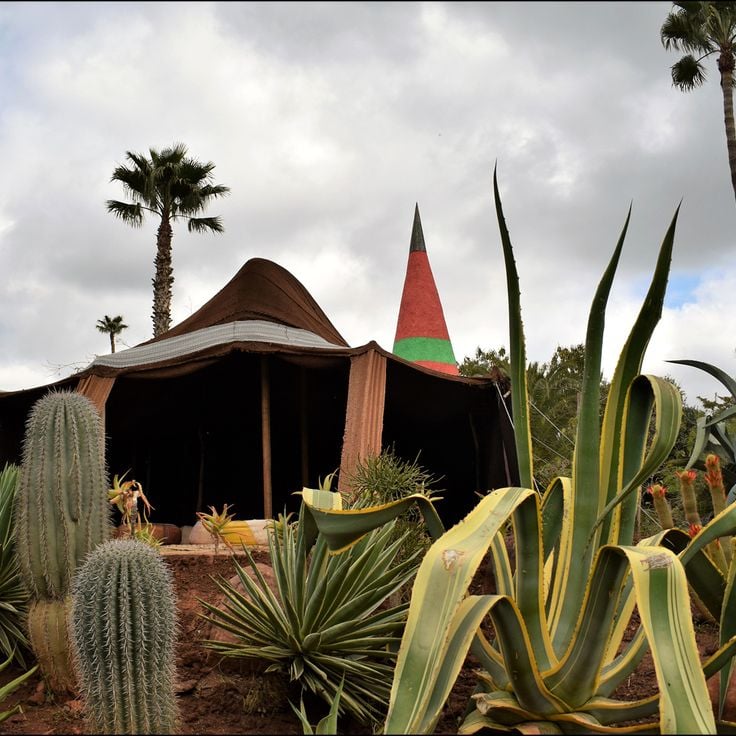
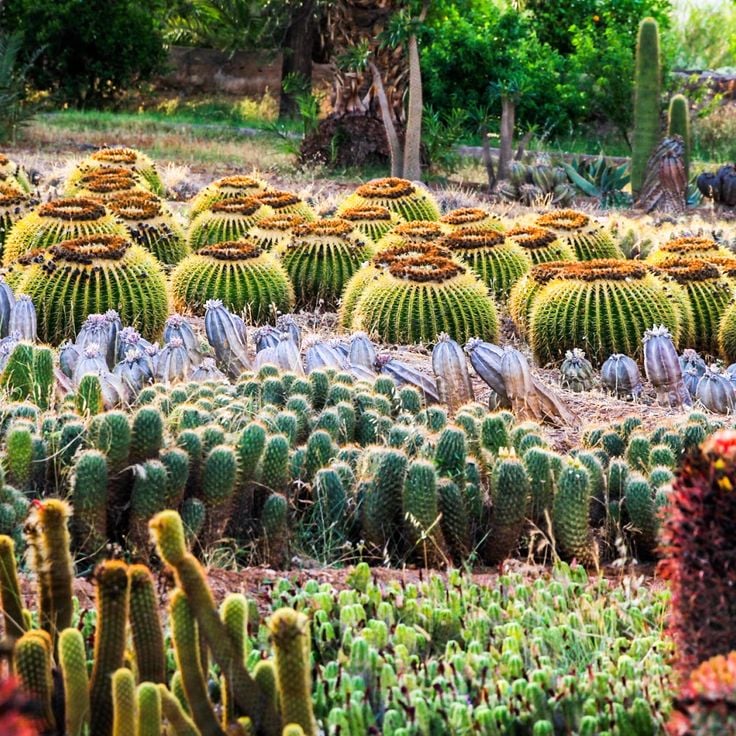
Cactus Thiemann is one of Africa's largest cactus gardens, home to more than 150 different species. The tallest cacti tower far above visitors. The garden sits on the road toward Casablanca, a short drive from Marrakech. Families walk among the plants and encounter unusual shapes and colors at every turn. Children are fascinated by the sheer size of these desert plants and learn how they thrive in harsh climates. This place offers a different side of Marrakech from the medina and palaces.
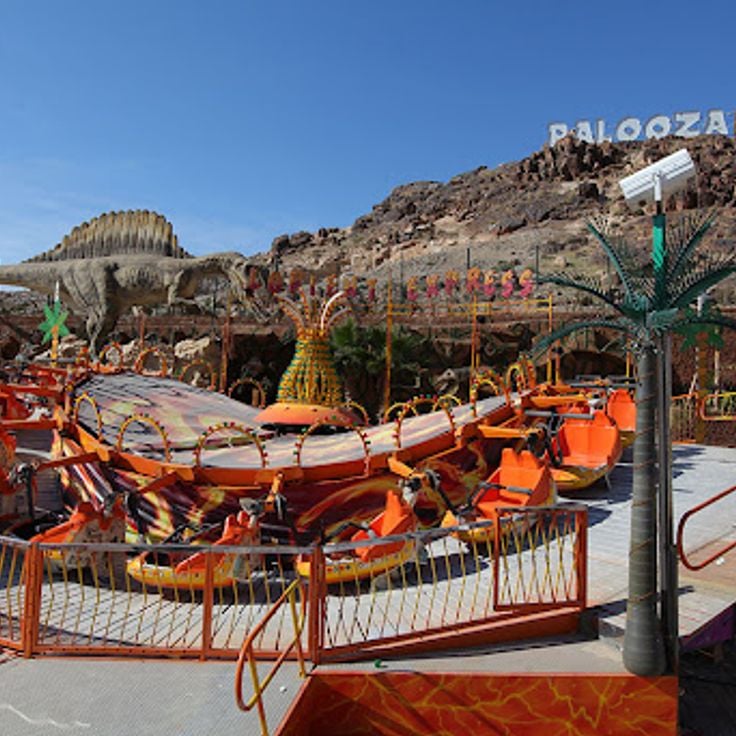
Paloozaland is Morocco's first themed park, featuring swimming pools and courses devoted to dinosaurs and prehistoric times. Families can enjoy more than 30 attractions for a full day together. The park combines water activities with playful learning about the past and gives children space to use their imagination.
The hammam in Marrakech is a traditional Moroccan bathhouse where locals have come for centuries. This is where families and friends gather to wash, relax, and feel at home. Rooms grow warmer as you move deeper inside, with steam rising from heated water. The hammam plays a central role in daily life here, where people take time to refresh both body and spirit. Children visiting with their parents get to experience an important part of Moroccan tradition.
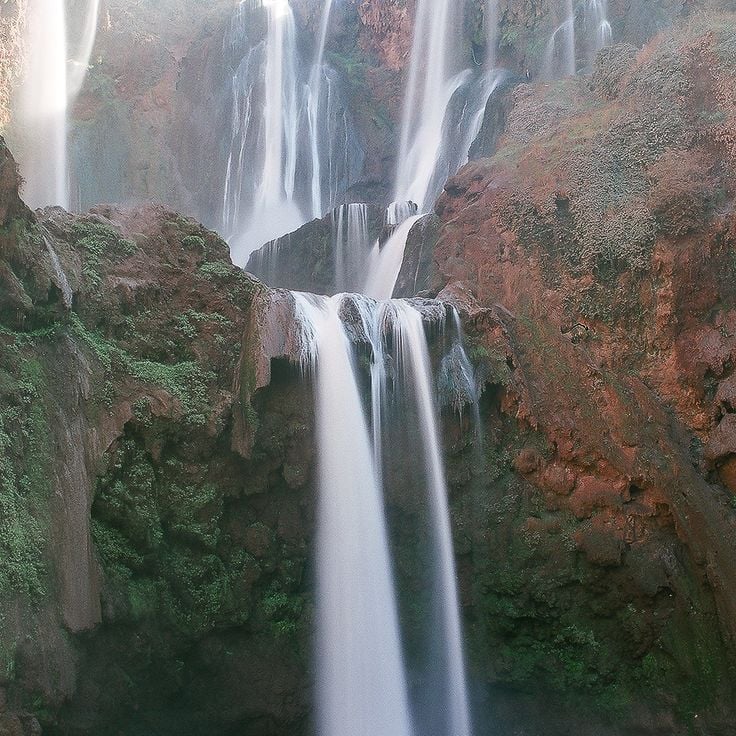
The Ouzoud waterfalls sit outside Marrakech and display water cascading into pools below. Families come here to swim and walk along the paths. This place offers a break from the city and a chance to enjoy nature. Children can play in the water while adults take in the views of the surrounding mountains.
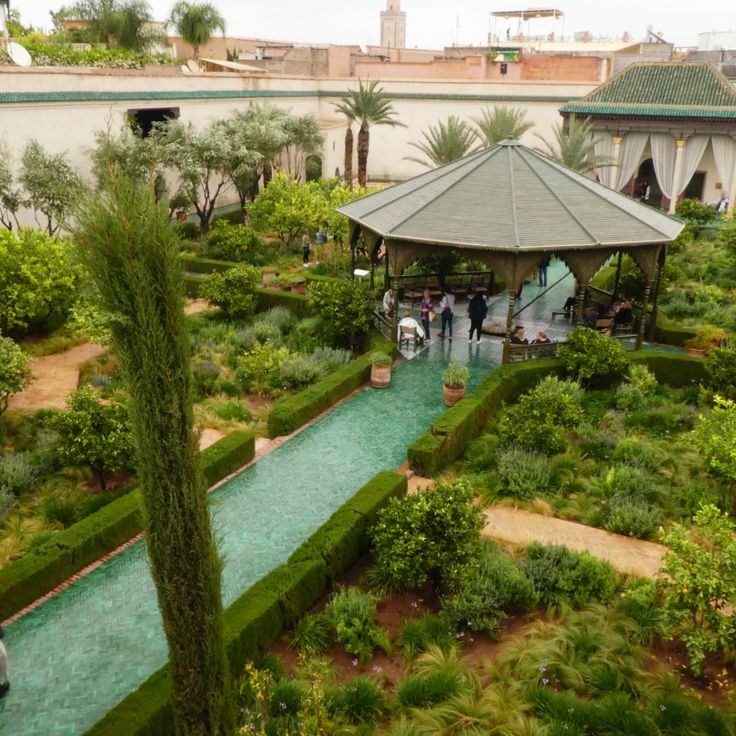
The Jardin Secret is a recently restored botanical garden in the heart of Marrakech's medina. This place features fountains, mosaics, and garden sections in exotic and Islamic styles. Families find here a quiet, well-organized space to rest between the busy souks and palaces of the city. The paths wind through planted areas where children can explore different plants.
Dar El Bacha was once the residence of a powerful local ruler. Today this palace museum displays art collections in restored rooms around an interior courtyard. Children discover the history of the place through its collections and architectural details.
The Cyber Parc Arsat Moulay Abdeslam is a shaded park in the heart of Marrakech where families with children can find relief from the city heat. This park invites you to linger and offers space for children to play and rest after exploring the souks or visiting Jemaa El Fna square.
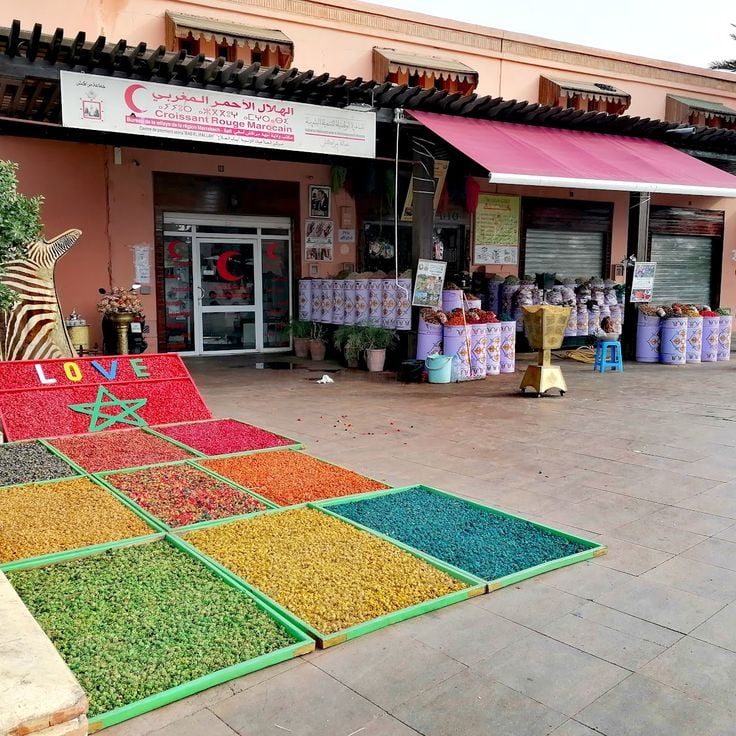
Rahba Kedima Square is a small spice market in the heart of Marrakech's medina. This square offers a different view of family life in the city, away from the main tourist crowds. Children can discover the scents and colors of Moroccan spices while parents taste local food specialties. The market shows the everyday rhythm of the city, with vendors displaying their goods and welcoming visitors into their shops. It is a place where families can experience the real Marrakech without getting lost in the busier souks.
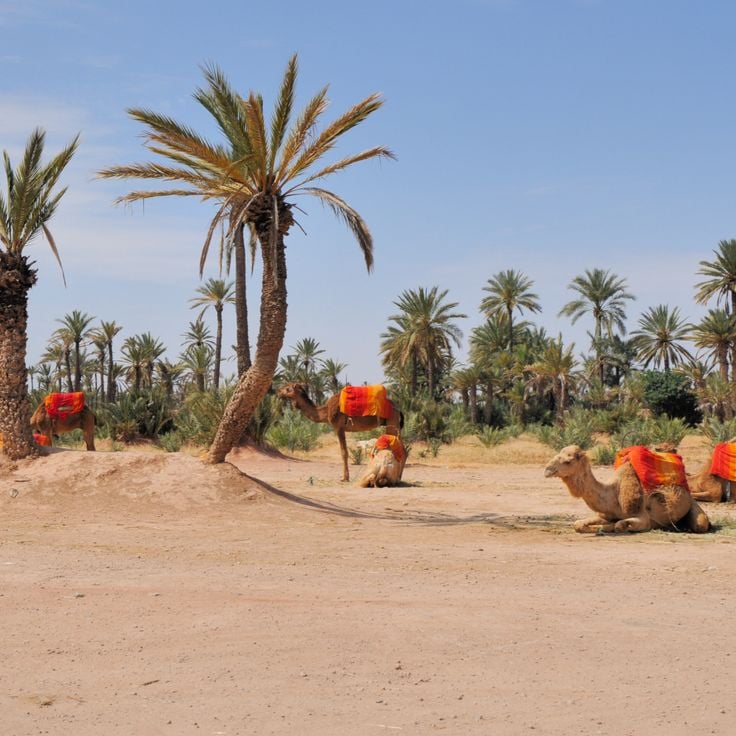
La Palmeraie is a neighborhood on the outskirts of Marrakech where thousands of palm trees stretch across open land. Families visit this green space to explore it in different ways: riding quad bikes, driving buggies, or riding camels. Children experience a side of the region that feels far from the medina's narrow streets and busy markets. The landscape here is quieter, and the ride through the palms offers a chance to see how the land changes just outside the city.
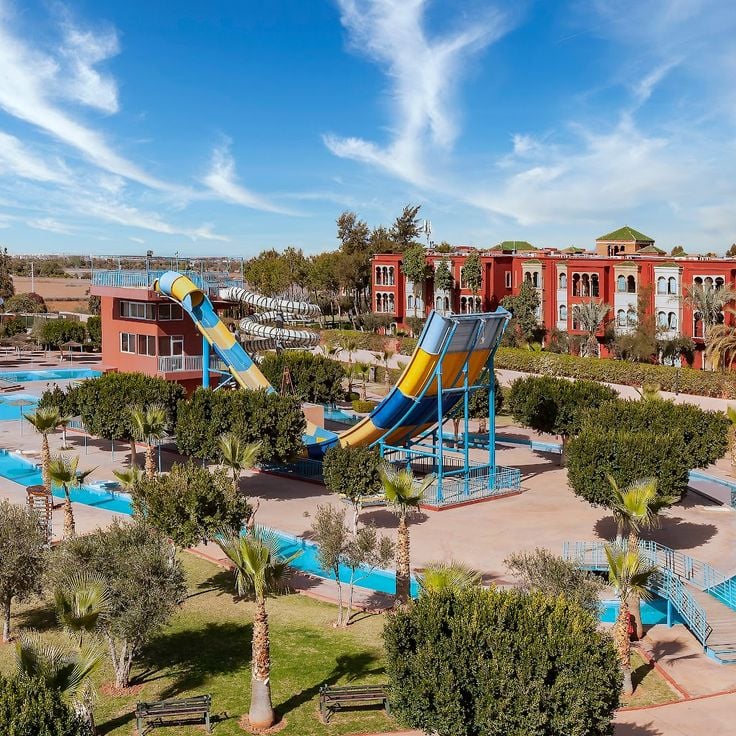
Eden Aquapark sits just a few kilometers from Marrakech and offers a refreshing escape for families with children. The park features slides and pools of different depths where kids can play safely in the water. On hot days, families come here to cool off and spend time together away from the heat of the medina and souks. It's a straightforward choice for children who enjoy water activities.
The Place des Ferblantiers is a market for worked metal objects and street trading. This square in Marrakech sits near the Palais El Badi and draws fewer visitors than the major souks. Families can stop for lunch here and watch local craftspeople at work. Children observe artisans shaping and decorating metal goods. The square feels different from busier markets, with less crowding and more room to explore without feeling rushed.
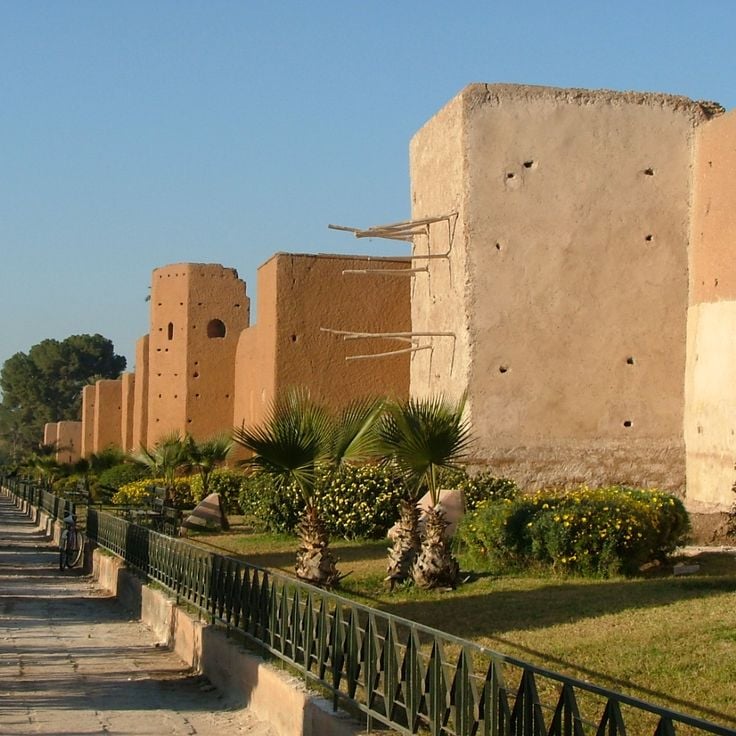
These walls around Marrakech are the old defensive structures that once protected the city. A walk along them reveals how the city is organized and shows its historic gates. From this path, you can see different neighborhoods and understand how Marrakech spreads out across the landscape.
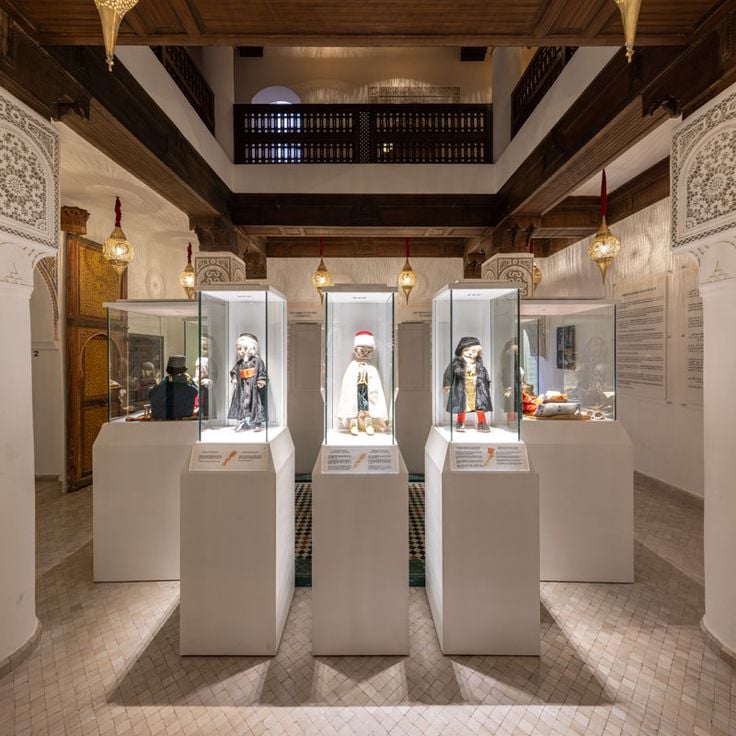
The Museum of Moroccan Elegance sits in a 17th century riad and displays 13 centuries of Moroccan fashion and cultural heritage. Visitors see costumes, textiles and objects that tell Morocco's cultural story through clothing. The museum shows how garments and craftsmanship reflect the country's identity and traditions.
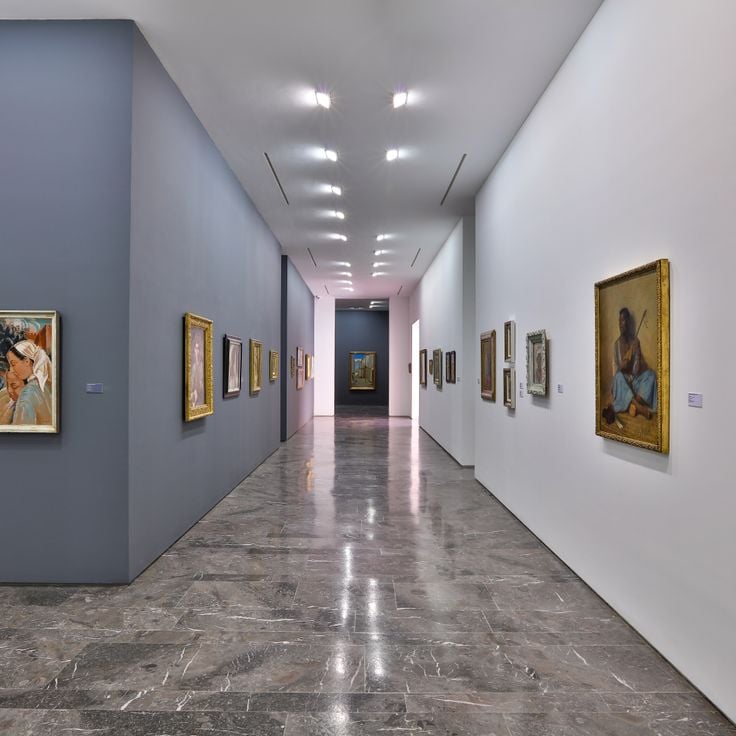
The Macma Musée tells the story of Morocco through art and historical objects. This private museum spreads across 11 thematic rooms and displays collections spanning several centuries. A passionate collector created this space to share Morocco's past through carefully chosen pieces. Visitors find traditional crafts, ancient textiles, and everyday items that reveal how people lived in earlier times.
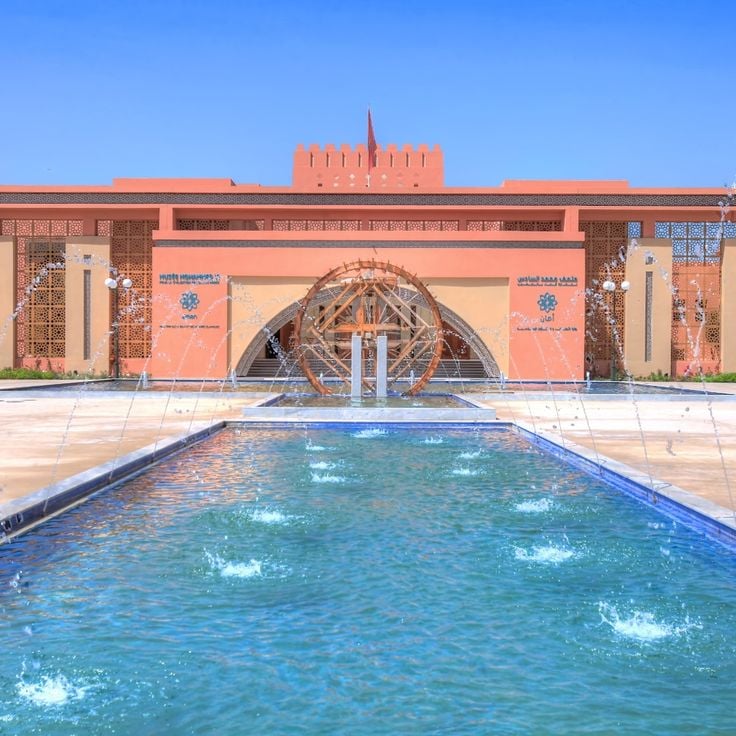
The Musée Mohammed VI for the Civilization of Water shows how water has shaped life in Morocco for centuries. This museum invites visitors to discover the techniques people use to store and distribute water in a dry climate. Interactive displays help children understand why water is so precious in this region. Exhibits reveal ancient irrigation systems, wells, and reservoirs that people still use today.
This karting circuit sits just minutes from the busy Place Jemaa El Fna and lets older children get behind the wheel for some racing fun. The enclosed and secure track gives young drivers a chance to speed around safely while your family stays close to the heart of the medina.
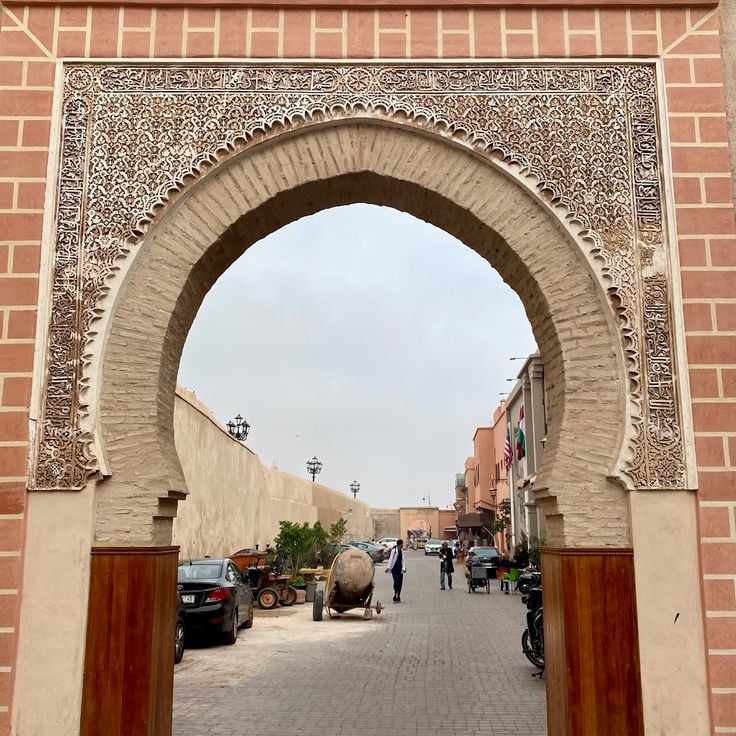
This ancient gate in the Kasbah district is one of 13 entrances to Marrakech's old city. The Bab Agnaou shows crafted stone details and serves as a starting point to walk the city walls and winding medina streets. From here, families can explore on foot and discover the city's history while wandering through souks where artisans work in open workshops.
Jemaa El Fna is the heart of Marrakech and sits on the list of the world's intangible cultural heritage. This large plaza comes alive during the day with storytellers, snake charmers, and vendors selling freshly squeezed orange juice. The afternoon brings even more activity: musicians and acrobats perform, water carriers in traditional clothes move through the crowds. The Koutoubia minaret stands tall above everything, watching over the square. This plaza is where to feel the pulse of Marrakech and watch how people actually live their daily lives.
The souk of Marrakech is a market in the heart of the medina where the streets form a maze of small shops. Here you find slippers, teapots, carpets and handcrafted items. The air carries the scent of spices and leather. Artisans work in open workshops where you can watch them create their goods. For children, it is an adventure to wander through the narrow passages and discover the variety of goods on display.
The Koutoubia Mosque stands at the heart of this family journey through Marrakech. Its minaret rises above the busy Jemaa El Fna square and serves as a landmark for anyone moving through the city. From the souks, you see its shape above the rooftops. Children can spot the tower from far away and use it to find their way through the narrow streets. The minaret dates to the 12th century and shows the skilled craftsmanship of that time.
The Palais de la Bahia is a former palace of a high official in Marrakech. The building impresses with over one hundred rooms, fine decorative patterns on walls and ceilings made of cedar wood. Interior courtyards with fountains provide pleasant rest areas. Narrow passages connect the different sections of the palace. For families traveling with children, this place offers a chance to discover the history of Moroccan dynasties and understand how rulers lived in Marrakech.
The Medersa Ben Youssef is a former Quranic school from the 16th century located in the medina. You enter through a decorated doorway and find yourself in a central courtyard. Finely carved wooden decorations cover the walls and ceilings. Small, bare student cells open onto the courtyard - these were where young men lived while they studied. A basin sits in the center of the courtyard. Walking through this building, you sense the daily life of religious students from centuries ago, their routines shaped by learning and prayer in these quiet spaces.
The Badi Palace is a ruin of the former royal palace in Marrakech. Children can run freely through the open courtyards and explore history through the remaining walls and structures. The site is known for being home to storks that build their nests on the old stone walls, and your family can watch these birds from various spots. The sprawling spaces show how grand this palace once was before it fell into decline.
The Musée de Marrakech sits in a 19th-century palace with Moorish style. The museum displays ceramics, rugs, jewelry and traditional Moroccan objects. Rooms open onto a central courtyard where water flows through basins. Children discover here the craftsmanship of their heritage: painted ceramics, decorated rugs and silver fibulae. Walls are adorned with carved cedar wood ceilings and zelij tilework.
These Saadian Tombs show the power of a past dynasty. About a hundred graves are scattered across a garden or grouped in two mausoleums. Each grave is covered with mosaics crafted with care. Plants grow around them, shading the space. You can walk slowly here and observe the work of the craftspeople who shaped these tombs. Children will notice the colors and patterns.
These gardens in Marrakech display plants from around the world. Giant cacti grow alongside bamboo and palm trees. The architecture features blue buildings and pathways that wind through the greenery. Water basins reflect the colors around them. Visitors see turtles, birds, and fish in the water. The French painter Jacques Majorelle created these gardens in the early 1900s. Later, the fashion designer Yves Saint Laurent owned the property.
The Menara garden in Marrakech is a large park with rows of olive trees planted around a reflecting pool. The water mirrors the snow-capped peaks of the Atlas Mountains. A traditional pavilion sits at the water's edge. Families walk among the ancient trees and rest in the shade during hot afternoons. The garden offers a quiet place to escape from the busy souks and squares of the medina.
Oasiria Water Park is Morocco's first water park built for families to enjoy together. The park has five large pools, a wave pool, and water slides where children can play and splash. There is a giant octopus structure and a pirate boat for kids to explore. Gardens with shade give families places to rest between activities. On hot days, this park offers a fun way to cool off while keeping everyone entertained in one spot.
Jardin ANIMA sits outside Marrakech as a place where plants and art come together in surprising ways. Sculptures and masks created by artists from around the world stand among the gardens, turning the space into a creative world. Children can wander through the paths and discover artworks hidden among the vegetation. The garden mixes botanical displays with imaginative installations, offering visitors something different from typical parks.
Cactus Thiemann is one of Africa's largest cactus gardens, home to more than 150 different species. The tallest cacti tower far above visitors. The garden sits on the road toward Casablanca, a short drive from Marrakech. Families walk among the plants and encounter unusual shapes and colors at every turn. Children are fascinated by the sheer size of these desert plants and learn how they thrive in harsh climates. This place offers a different side of Marrakech from the medina and palaces.
Paloozaland is Morocco's first themed park, featuring swimming pools and courses devoted to dinosaurs and prehistoric times. Families can enjoy more than 30 attractions for a full day together. The park combines water activities with playful learning about the past and gives children space to use their imagination.
The hammam in Marrakech is a traditional Moroccan bathhouse where locals have come for centuries. This is where families and friends gather to wash, relax, and feel at home. Rooms grow warmer as you move deeper inside, with steam rising from heated water. The hammam plays a central role in daily life here, where people take time to refresh both body and spirit. Children visiting with their parents get to experience an important part of Moroccan tradition.
The Ouzoud waterfalls sit outside Marrakech and display water cascading into pools below. Families come here to swim and walk along the paths. This place offers a break from the city and a chance to enjoy nature. Children can play in the water while adults take in the views of the surrounding mountains.
The Jardin Secret is a recently restored botanical garden in the heart of Marrakech's medina. This place features fountains, mosaics, and garden sections in exotic and Islamic styles. Families find here a quiet, well-organized space to rest between the busy souks and palaces of the city. The paths wind through planted areas where children can explore different plants.
Dar El Bacha was once the residence of a powerful local ruler. Today this palace museum displays art collections in restored rooms around an interior courtyard. Children discover the history of the place through its collections and architectural details.
The Cyber Parc Arsat Moulay Abdeslam is a shaded park in the heart of Marrakech where families with children can find relief from the city heat. This park invites you to linger and offers space for children to play and rest after exploring the souks or visiting Jemaa El Fna square.
Rahba Kedima Square is a small spice market in the heart of Marrakech's medina. This square offers a different view of family life in the city, away from the main tourist crowds. Children can discover the scents and colors of Moroccan spices while parents taste local food specialties. The market shows the everyday rhythm of the city, with vendors displaying their goods and welcoming visitors into their shops. It is a place where families can experience the real Marrakech without getting lost in the busier souks.
La Palmeraie is a neighborhood on the outskirts of Marrakech where thousands of palm trees stretch across open land. Families visit this green space to explore it in different ways: riding quad bikes, driving buggies, or riding camels. Children experience a side of the region that feels far from the medina's narrow streets and busy markets. The landscape here is quieter, and the ride through the palms offers a chance to see how the land changes just outside the city.
Eden Aquapark sits just a few kilometers from Marrakech and offers a refreshing escape for families with children. The park features slides and pools of different depths where kids can play safely in the water. On hot days, families come here to cool off and spend time together away from the heat of the medina and souks. It's a straightforward choice for children who enjoy water activities.
The Place des Ferblantiers is a market for worked metal objects and street trading. This square in Marrakech sits near the Palais El Badi and draws fewer visitors than the major souks. Families can stop for lunch here and watch local craftspeople at work. Children observe artisans shaping and decorating metal goods. The square feels different from busier markets, with less crowding and more room to explore without feeling rushed.
These walls around Marrakech are the old defensive structures that once protected the city. A walk along them reveals how the city is organized and shows its historic gates. From this path, you can see different neighborhoods and understand how Marrakech spreads out across the landscape.
The Museum of Moroccan Elegance sits in a 17th century riad and displays 13 centuries of Moroccan fashion and cultural heritage. Visitors see costumes, textiles and objects that tell Morocco's cultural story through clothing. The museum shows how garments and craftsmanship reflect the country's identity and traditions.
The Macma Musée tells the story of Morocco through art and historical objects. This private museum spreads across 11 thematic rooms and displays collections spanning several centuries. A passionate collector created this space to share Morocco's past through carefully chosen pieces. Visitors find traditional crafts, ancient textiles, and everyday items that reveal how people lived in earlier times.
The Musée Mohammed VI for the Civilization of Water shows how water has shaped life in Morocco for centuries. This museum invites visitors to discover the techniques people use to store and distribute water in a dry climate. Interactive displays help children understand why water is so precious in this region. Exhibits reveal ancient irrigation systems, wells, and reservoirs that people still use today.
This karting circuit sits just minutes from the busy Place Jemaa El Fna and lets older children get behind the wheel for some racing fun. The enclosed and secure track gives young drivers a chance to speed around safely while your family stays close to the heart of the medina.
This ancient gate in the Kasbah district is one of 13 entrances to Marrakech's old city. The Bab Agnaou shows crafted stone details and serves as a starting point to walk the city walls and winding medina streets. From here, families can explore on foot and discover the city's history while wandering through souks where artisans work in open workshops.
Jemaa El Fna is the heart of Marrakech and sits on the list of the world's intangible cultural heritage. This large plaza comes alive during the day with storytellers, snake charmers, and vendors selling freshly squeezed orange juice. The afternoon brings even more activity: musicians and acrobats perform, water carriers in traditional clothes move through the crowds. The Koutoubia minaret stands tall above everything, watching over the square. This plaza is where to feel the pulse of Marrakech and watch how people actually live their daily lives.
The souk of Marrakech is a market in the heart of the medina where the streets form a maze of small shops. Here you find slippers, teapots, carpets and handcrafted items. The air carries the scent of spices and leather. Artisans work in open workshops where you can watch them create their goods. For children, it is an adventure to wander through the narrow passages and discover the variety of goods on display.
The Koutoubia Mosque stands at the heart of this family journey through Marrakech. Its minaret rises above the busy Jemaa El Fna square and serves as a landmark for anyone moving through the city. From the souks, you see its shape above the rooftops. Children can spot the tower from far away and use it to find their way through the narrow streets. The minaret dates to the 12th century and shows the skilled craftsmanship of that time.
The Palais de la Bahia is a former palace of a high official in Marrakech. The building impresses with over one hundred rooms, fine decorative patterns on walls and ceilings made of cedar wood. Interior courtyards with fountains provide pleasant rest areas. Narrow passages connect the different sections of the palace. For families traveling with children, this place offers a chance to discover the history of Moroccan dynasties and understand how rulers lived in Marrakech.
The Medersa Ben Youssef is a former Quranic school from the 16th century located in the medina. You enter through a decorated doorway and find yourself in a central courtyard. Finely carved wooden decorations cover the walls and ceilings. Small, bare student cells open onto the courtyard - these were where young men lived while they studied. A basin sits in the center of the courtyard. Walking through this building, you sense the daily life of religious students from centuries ago, their routines shaped by learning and prayer in these quiet spaces.
The Badi Palace is a ruin of the former royal palace in Marrakech. Children can run freely through the open courtyards and explore history through the remaining walls and structures. The site is known for being home to storks that build their nests on the old stone walls, and your family can watch these birds from various spots. The sprawling spaces show how grand this palace once was before it fell into decline.
The Musée de Marrakech sits in a 19th-century palace with Moorish style. The museum displays ceramics, rugs, jewelry and traditional Moroccan objects. Rooms open onto a central courtyard where water flows through basins. Children discover here the craftsmanship of their heritage: painted ceramics, decorated rugs and silver fibulae. Walls are adorned with carved cedar wood ceilings and zelij tilework.
These Saadian Tombs show the power of a past dynasty. About a hundred graves are scattered across a garden or grouped in two mausoleums. Each grave is covered with mosaics crafted with care. Plants grow around them, shading the space. You can walk slowly here and observe the work of the craftspeople who shaped these tombs. Children will notice the colors and patterns.
These gardens in Marrakech display plants from around the world. Giant cacti grow alongside bamboo and palm trees. The architecture features blue buildings and pathways that wind through the greenery. Water basins reflect the colors around them. Visitors see turtles, birds, and fish in the water. The French painter Jacques Majorelle created these gardens in the early 1900s. Later, the fashion designer Yves Saint Laurent owned the property.
The Menara garden in Marrakech is a large park with rows of olive trees planted around a reflecting pool. The water mirrors the snow-capped peaks of the Atlas Mountains. A traditional pavilion sits at the water's edge. Families walk among the ancient trees and rest in the shade during hot afternoons. The garden offers a quiet place to escape from the busy souks and squares of the medina.
Oasiria Water Park is Morocco's first water park built for families to enjoy together. The park has five large pools, a wave pool, and water slides where children can play and splash. There is a giant octopus structure and a pirate boat for kids to explore. Gardens with shade give families places to rest between activities. On hot days, this park offers a fun way to cool off while keeping everyone entertained in one spot.
Jardin ANIMA sits outside Marrakech as a place where plants and art come together in surprising ways. Sculptures and masks created by artists from around the world stand among the gardens, turning the space into a creative world. Children can wander through the paths and discover artworks hidden among the vegetation. The garden mixes botanical displays with imaginative installations, offering visitors something different from typical parks.
Cactus Thiemann is one of Africa's largest cactus gardens, home to more than 150 different species. The tallest cacti tower far above visitors. The garden sits on the road toward Casablanca, a short drive from Marrakech. Families walk among the plants and encounter unusual shapes and colors at every turn. Children are fascinated by the sheer size of these desert plants and learn how they thrive in harsh climates. This place offers a different side of Marrakech from the medina and palaces.
Paloozaland is Morocco's first themed park, featuring swimming pools and courses devoted to dinosaurs and prehistoric times. Families can enjoy more than 30 attractions for a full day together. The park combines water activities with playful learning about the past and gives children space to use their imagination.
The hammam in Marrakech is a traditional Moroccan bathhouse where locals have come for centuries. This is where families and friends gather to wash, relax, and feel at home. Rooms grow warmer as you move deeper inside, with steam rising from heated water. The hammam plays a central role in daily life here, where people take time to refresh both body and spirit. Children visiting with their parents get to experience an important part of Moroccan tradition.
The Ouzoud waterfalls sit outside Marrakech and display water cascading into pools below. Families come here to swim and walk along the paths. This place offers a break from the city and a chance to enjoy nature. Children can play in the water while adults take in the views of the surrounding mountains.
The Jardin Secret is a recently restored botanical garden in the heart of Marrakech's medina. This place features fountains, mosaics, and garden sections in exotic and Islamic styles. Families find here a quiet, well-organized space to rest between the busy souks and palaces of the city. The paths wind through planted areas where children can explore different plants.
Dar El Bacha was once the residence of a powerful local ruler. Today this palace museum displays art collections in restored rooms around an interior courtyard. Children discover the history of the place through its collections and architectural details.
The Cyber Parc Arsat Moulay Abdeslam is a shaded park in the heart of Marrakech where families with children can find relief from the city heat. This park invites you to linger and offers space for children to play and rest after exploring the souks or visiting Jemaa El Fna square.
Rahba Kedima Square is a small spice market in the heart of Marrakech's medina. This square offers a different view of family life in the city, away from the main tourist crowds. Children can discover the scents and colors of Moroccan spices while parents taste local food specialties. The market shows the everyday rhythm of the city, with vendors displaying their goods and welcoming visitors into their shops. It is a place where families can experience the real Marrakech without getting lost in the busier souks.
La Palmeraie is a neighborhood on the outskirts of Marrakech where thousands of palm trees stretch across open land. Families visit this green space to explore it in different ways: riding quad bikes, driving buggies, or riding camels. Children experience a side of the region that feels far from the medina's narrow streets and busy markets. The landscape here is quieter, and the ride through the palms offers a chance to see how the land changes just outside the city.
Eden Aquapark sits just a few kilometers from Marrakech and offers a refreshing escape for families with children. The park features slides and pools of different depths where kids can play safely in the water. On hot days, families come here to cool off and spend time together away from the heat of the medina and souks. It's a straightforward choice for children who enjoy water activities.
The Place des Ferblantiers is a market for worked metal objects and street trading. This square in Marrakech sits near the Palais El Badi and draws fewer visitors than the major souks. Families can stop for lunch here and watch local craftspeople at work. Children observe artisans shaping and decorating metal goods. The square feels different from busier markets, with less crowding and more room to explore without feeling rushed.
These walls around Marrakech are the old defensive structures that once protected the city. A walk along them reveals how the city is organized and shows its historic gates. From this path, you can see different neighborhoods and understand how Marrakech spreads out across the landscape.
The Museum of Moroccan Elegance sits in a 17th century riad and displays 13 centuries of Moroccan fashion and cultural heritage. Visitors see costumes, textiles and objects that tell Morocco's cultural story through clothing. The museum shows how garments and craftsmanship reflect the country's identity and traditions.
The Macma Musée tells the story of Morocco through art and historical objects. This private museum spreads across 11 thematic rooms and displays collections spanning several centuries. A passionate collector created this space to share Morocco's past through carefully chosen pieces. Visitors find traditional crafts, ancient textiles, and everyday items that reveal how people lived in earlier times.
The Musée Mohammed VI for the Civilization of Water shows how water has shaped life in Morocco for centuries. This museum invites visitors to discover the techniques people use to store and distribute water in a dry climate. Interactive displays help children understand why water is so precious in this region. Exhibits reveal ancient irrigation systems, wells, and reservoirs that people still use today.
This karting circuit sits just minutes from the busy Place Jemaa El Fna and lets older children get behind the wheel for some racing fun. The enclosed and secure track gives young drivers a chance to speed around safely while your family stays close to the heart of the medina.
This ancient gate in the Kasbah district is one of 13 entrances to Marrakech's old city. The Bab Agnaou shows crafted stone details and serves as a starting point to walk the city walls and winding medina streets. From here, families can explore on foot and discover the city's history while wandering through souks where artisans work in open workshops.