Bahia Palace, Palace in the Medina of Marrakesh, Morocco
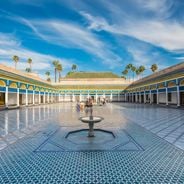
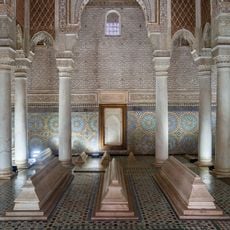
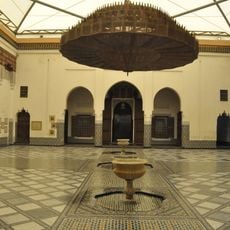
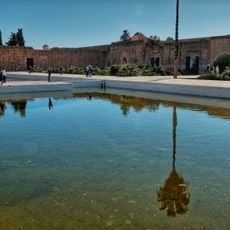
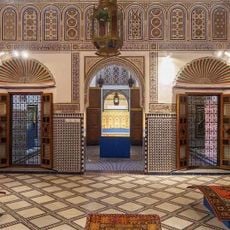
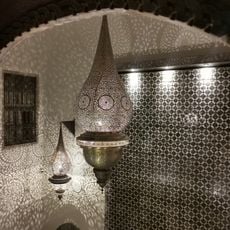
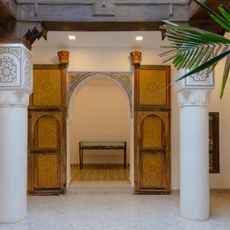
Bahia Palace is a royal residence in the Marrakesh Medina covering about two acres with numerous rooms decorated in carved plaster, painted wooden ceilings, marble surfaces, and geometric tile work. The structure includes several courtyards and gardens laid out in traditional Moroccan style.
Si Musa, grand vizier under Sultan Muhammad ibn Abd al-Rahman, built the northern Grand Riad and its adjoining chambers in the 1860s; an inscription dates the two side rooms to 1866–67. His son Ba Ahmed, grand vizier and regent for the young Sultan Abdelaziz, expanded the palace southward between 1894 and 1900, adding courtyards and riad gardens. After Ba Ahmed died in 1900 the palace passed to the crown and was looted on the sultan's orders.
The layout reflects how Moroccan families once organized their homes, with distinct zones for wives, children, and official business kept separate from each other. Walking through these areas shows how rooms were designed for privacy and specific daily activities rather than shared family gatherings.
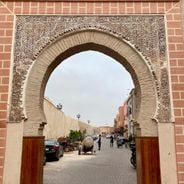
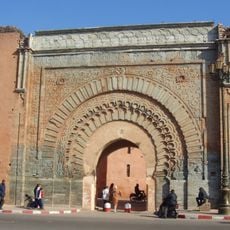
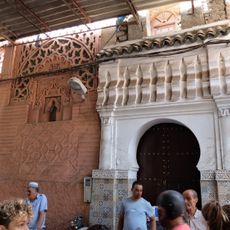
The palace is entered through a horseshoe-arch doorway off the street, followed by a long garden path to the main buildings. The complex sits on one level, so the route between courtyards and rooms involves no stairs; the only upper floor, added by Madani el-Glaoui, is limited to a few parts. The grounds cover almost 2 hectares and about 150 rooms, so allow time to walk the full circuit.
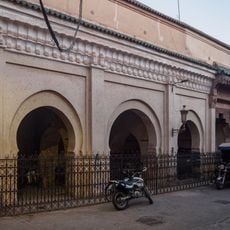
The palace was built on a single level, reportedly because Ba Ahmed was so stout that stairs were difficult for him. Madani el-Glaoui added the first upper floor to some parts after 1908. In 1964 Henri Verneuil shot the final scene of Cent mille dollars au soleil in the Grand Courtyard, with Jean-Paul Belmondo and Lino Ventura.
The community of curious travelers
AroundUs brings together thousands of curated places, local tips, and hidden gems, enriched daily by 94,630 contributors worldwide.