Zuma Rock, Natural granite monolith in Niger State, Nigeria
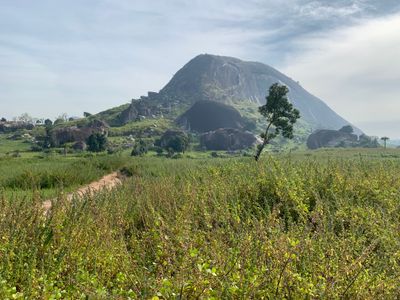
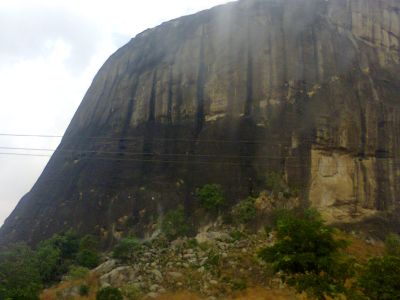
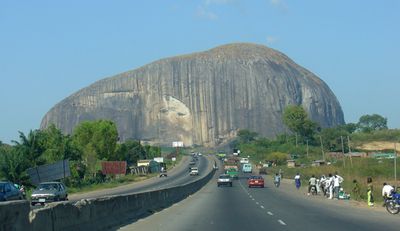
Zuma Rock is a freestanding igneous intrusion of gabbro and granodiorite rising about 300 metres above its surroundings, more than 700 metres above sea level, with a base circumference of roughly 2.5 kilometres. Its elongated triangular plan points northwest, and vertical grooves cut by rainwater run down the bare rock walls. A pale patch of bare stone spreads across the left face.
The Zuba, descendants of the Kwararafa who migrated westward, settled around the rock in the 15th century and called it zumwa, possibly meaning "a place of guinea fowls". The Gbagyi later used it as a defensive retreat during intertribal wars. In the 1940s a party led by the Abuja District Officer visited the Koro village and priest associated with the rock.
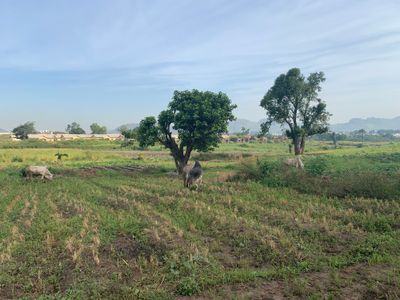
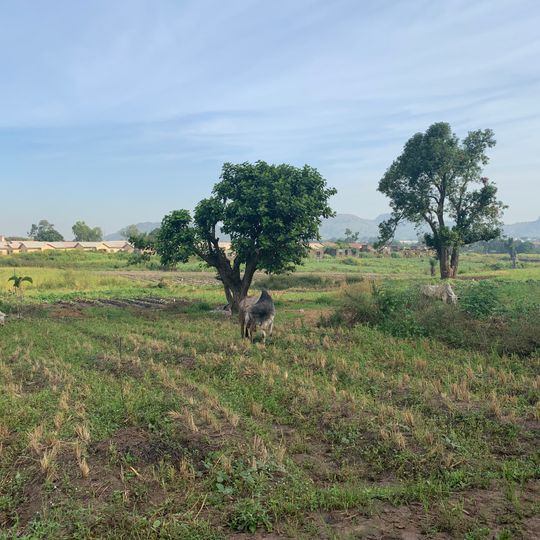
The name comes from the Zuba word zumwa, said to mean "a place of guinea fowls". The Gbagyi (Gwari) regard the rock as a symbol of strength and national pride, and the Emir of Abuja once sent annual offerings of a black ox, a black he-goat and a black dog to its guardians. Some residents still hold that spirits dwell in the rock, while others say they have moved on and the nearby land is now farmed.
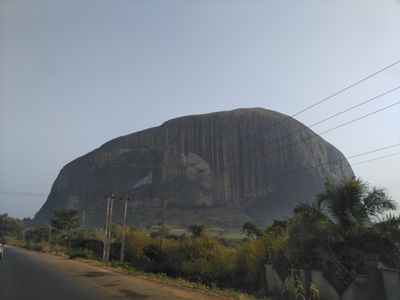
Zuma Rock stands beside the Abuja–Kaduna expressway (A2), about 10 km southeast of Suleja and roughly 30 km west of Abuja, at the upper end of Madalla in Niger State. The rock rises directly from the roadside, so it can be seen without leaving the highway; the paved road in front and the utility poles give a clear reference point for drivers.
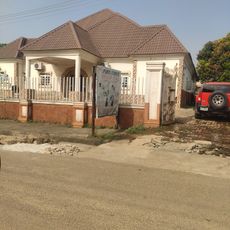
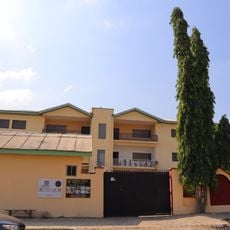
Zuma Rock appears on the back of Nigeria's 100 naira note, and German sources describe it as the country's geographical centre. Near the rock stands the unfinished white Zuma Rock Hotel; local residents say the building was abandoned because they consider the site haunted.
The community of curious travelers
AroundUs brings together thousands of curated places, local tips, and hidden gems, enriched daily by 93,362 contributors worldwide.