Nigeria, Federal republic in West Africa, Nigeria
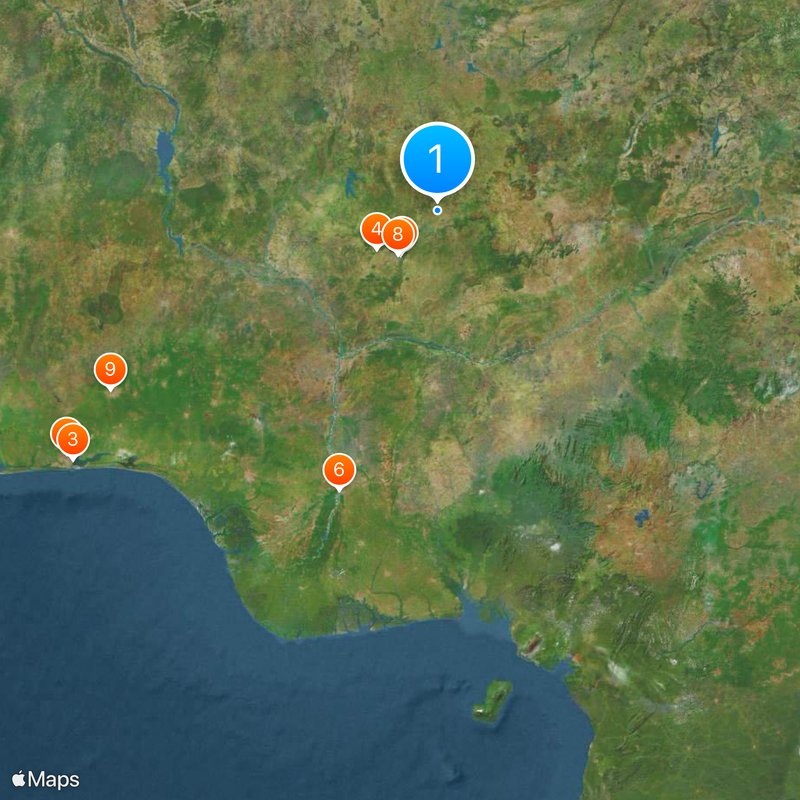
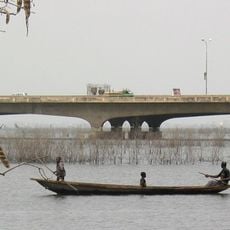
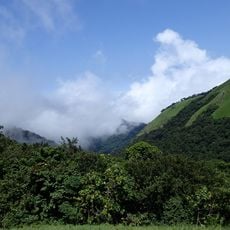
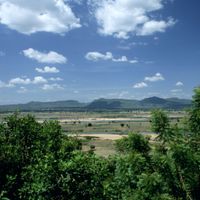
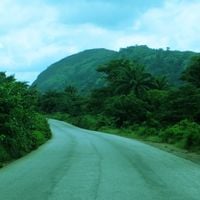
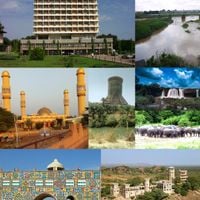
Nigeria is a federal republic in West Africa stretching from the Gulf of Guinea to the Sahel zone, encompassing tropical rainforests, plateaus, and northern semi-desert regions. The Niger and Benue rivers traverse the central territory and merge at Lokoja, while coastal wetlands in the south meet dry savanna landscapes in the north.
The region hosted historical kingdoms such as Kanem-Bornu, Benin, and the Hausa city-states before British colonial administration merged northern and southern protectorates into one territory in 1914. Independence came on October 1, 1960, followed by civil war between 1967 and 1970 and a return to civilian government in 1999 after decades of military rule.
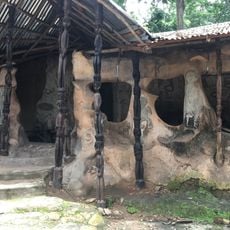
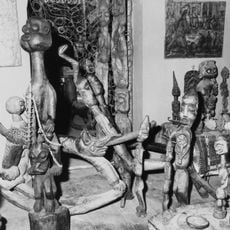
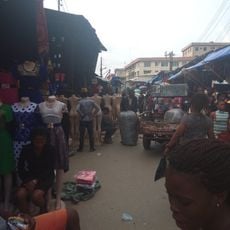
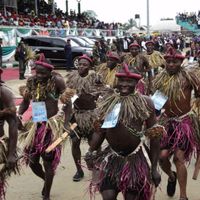
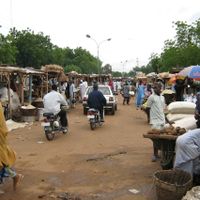
The name comes from the Niger River, which flows through the western territory and gave the country its designation. Local markets offer handwoven textiles, carved wooden figures, and colorful pottery, while traditional music with drums and string instruments plays in many communities.
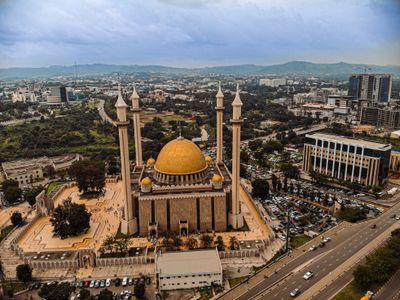
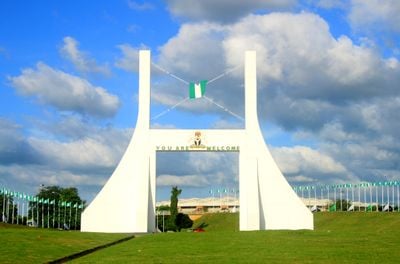
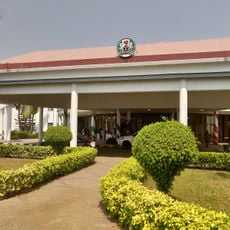
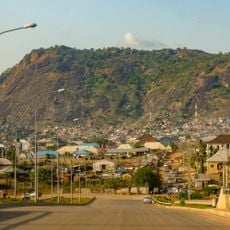
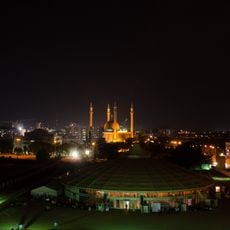
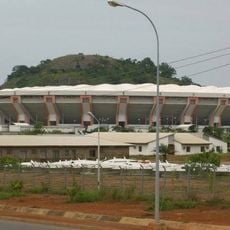
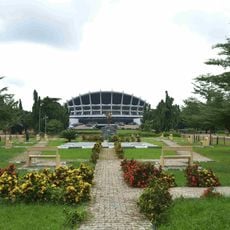
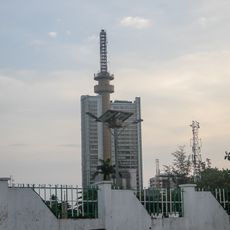
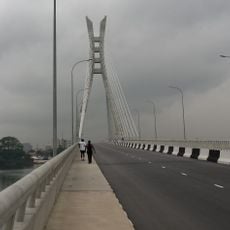
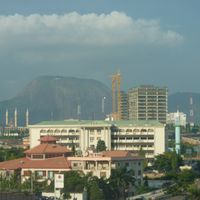
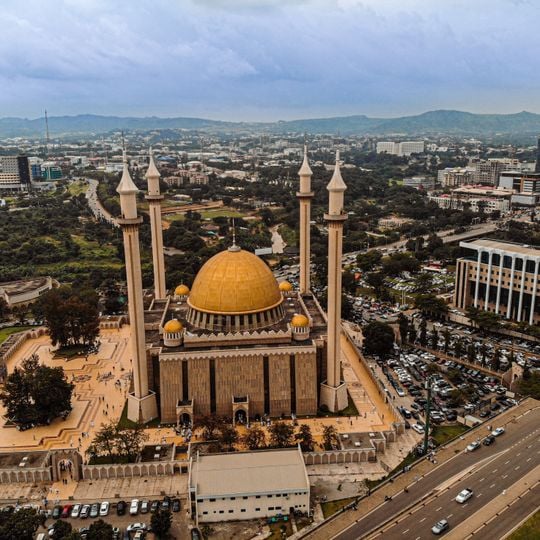
The capital Abuja offers government offices, international embassies, and major transport connections to other regions, while Lagos Murtala Muhammed Airport provides international flights. The best travel period falls between November and March during the dry season, when temperatures are lower and humidity decreases across most areas.
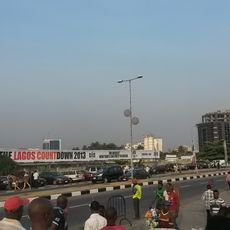
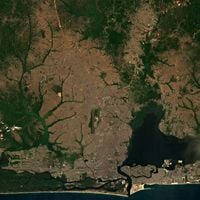
Oil reserves in the Niger Delta generate the bulk of national revenue and shape the economic structure of the country. The territory hosts the largest population on the African continent, while Lagos ranks among the fastest growing urban areas worldwide.
The community of curious travelers
AroundUs brings together thousands of curated places, local tips, and hidden gems, enriched daily by 90,809 contributors worldwide.