See the monuments around you in AROpen chests in the app
Around Us is built for your phone — point your camera at the streets and discover the monuments and places around you in augmented reality.Around Us is built for your phone — chests unlock when you walk, explore and capture nearby places.
Nigeria encompasses waterfalls, historic sites, national parks, and archaeological locations that document the country's natural and cultural heritage. The Osun-Osogbo Sacred Grove and Sukur Cultural Landscape are UNESCO World Heritage Sites, while geological formations like the Olumo Rock in Abeokuta and Idanre Hills shape the region's topography. The ancient Kano City Walls demonstrate the city's historic role as a trading center.
National parks and reserves such as Gashaka Gumti, Yankari Game Reserve, and Okomu National Park protect diverse ecosystems ranging from savanna to rainforest. The Afi Wildlife Sanctuary shelters endangered primate species. Natural phenomena include the Ikogosi Warm Springs in Ekiti, where warm and cold water converge, and Ebonyi Salt Lake, which offers rare geological features. Waterfalls including Erin Ijesha, Owu, and Gurara draw visitors to forested regions.
Archaeological sites like Nok Village, known for terracotta figures dating to the first millennium BC, and the Alok Ikom Monoliths in Cross River State document ancient civilizations. The Obudu Mountain Resort in Cross River provides access to highland areas. Coastal regions include the Epe Mangroves and beaches such as Tarkwa Bay and Eleko near Lagos, while cultural facilities like the Nike Art Gallery and National War Museum in Umuahia present historical and artistic collections.
Nigeria encompasses waterfalls, historic sites, national parks, and archaeological locations that document the country's natural and cultural heritage. The Osun-Osogbo Sacred Grove and Sukur Cultural Landscape are UNESCO World Heritage Sites, while geological formations like the Olumo Rock in Abeokuta and Idanre Hills shape the region's topography. The ancient Kano City Walls demonstrate the city's historic role as a trading center.
National parks and reserves such as Gashaka Gumti, Yankari Game Reserve, and Okomu National Park protect diverse ecosystems ranging from savanna to rainforest. The Afi Wildlife Sanctuary shelters endangered primate species. Natural phenomena include the Ikogosi Warm Springs in Ekiti, where warm and cold water converge, and Ebonyi Salt Lake, which offers rare geological features. Waterfalls including Erin Ijesha, Owu, and Gurara draw visitors to forested regions.
Archaeological sites like Nok Village, known for terracotta figures dating to the first millennium BC, and the Alok Ikom Monoliths in Cross River State document ancient civilizations. The Obudu Mountain Resort in Cross River provides access to highland areas. Coastal regions include the Epe Mangroves and beaches such as Tarkwa Bay and Eleko near Lagos, while cultural facilities like the Nike Art Gallery and National War Museum in Umuahia present historical and artistic collections.
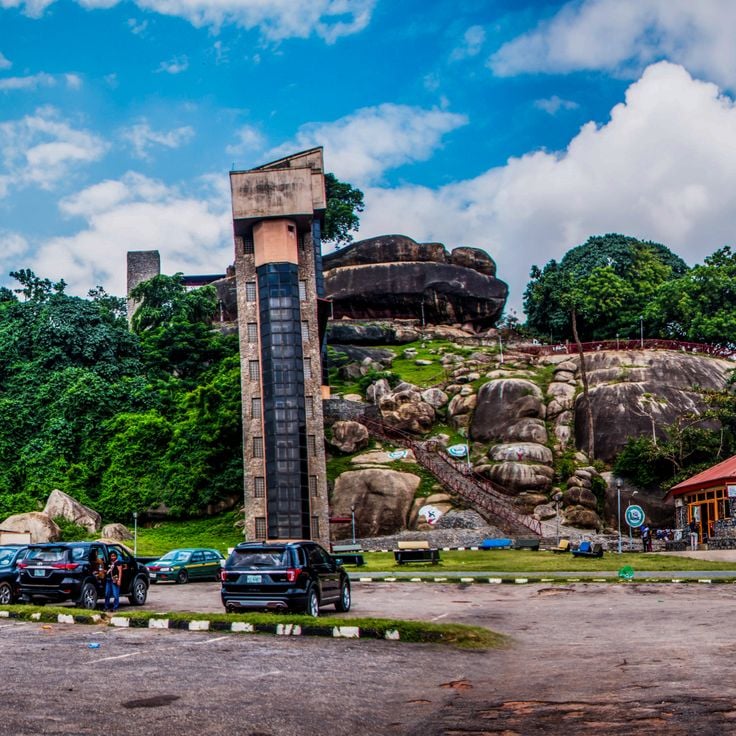
This granite rock rises 137 meters (450 feet) above ground and served as a refuge for the Egba people during the wars of the nineteenth century. Olumo Rock in Abeokuta formed a strategic defense point for the community, which found protection here from hostile attacks. The rock features natural caves and shelters that were used by warriors and their families. Today the site recalls the history of the Egba and their struggles for independence. Visitors can explore the historical defensive positions and understand the connection between the rock and the founding of the city.
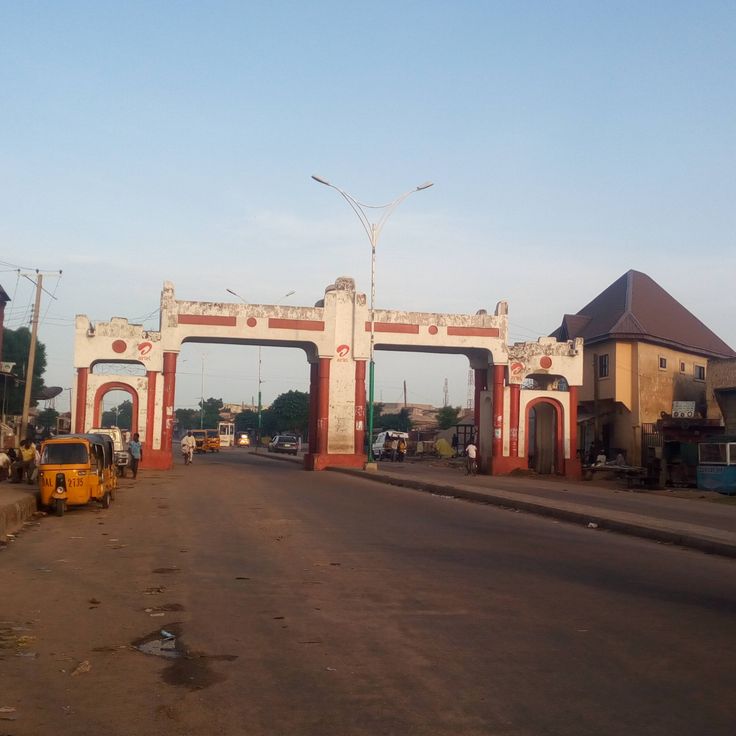
The city walls of Kano extend for 9 miles (14 kilometers) and were built using red clay bricks. These historic fortifications reach heights of up to 49 feet (15 meters) and represent the military architecture of past centuries. As part of Kano's historic heritage, the walls document the urban development of one of West Africa's important trading cities. The fortifications surround the old city and form a connected system of walls, gates, and watchtowers that underscore the strategic importance of the city in the region.
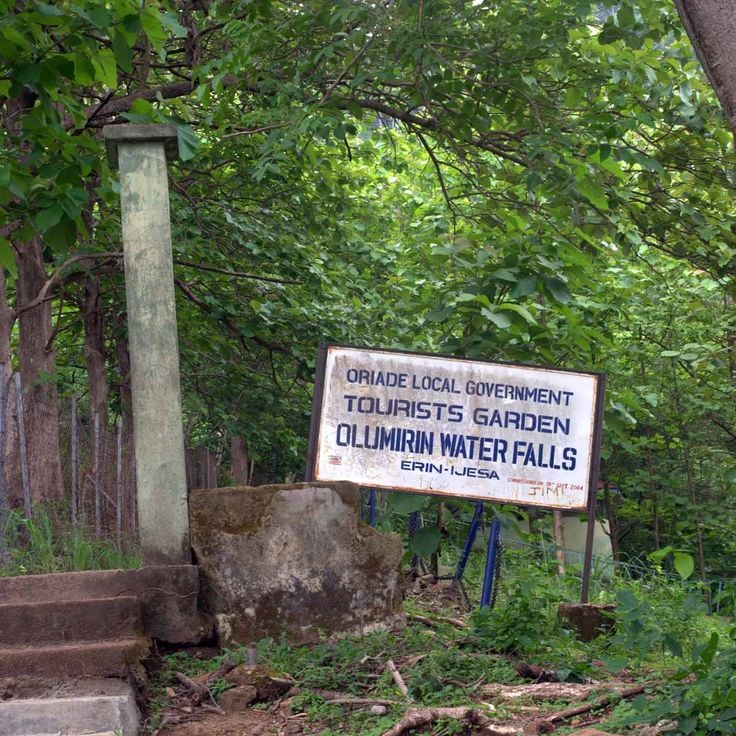
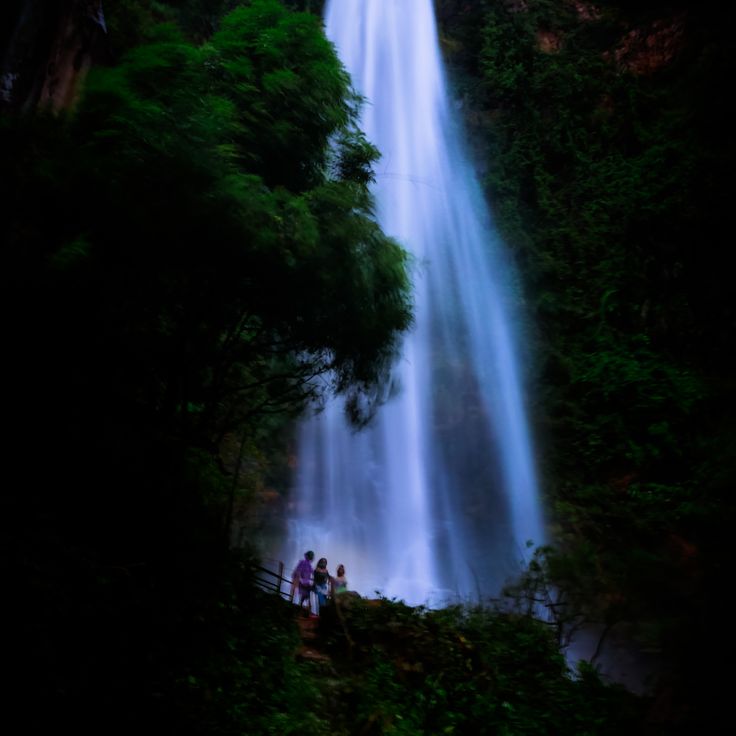
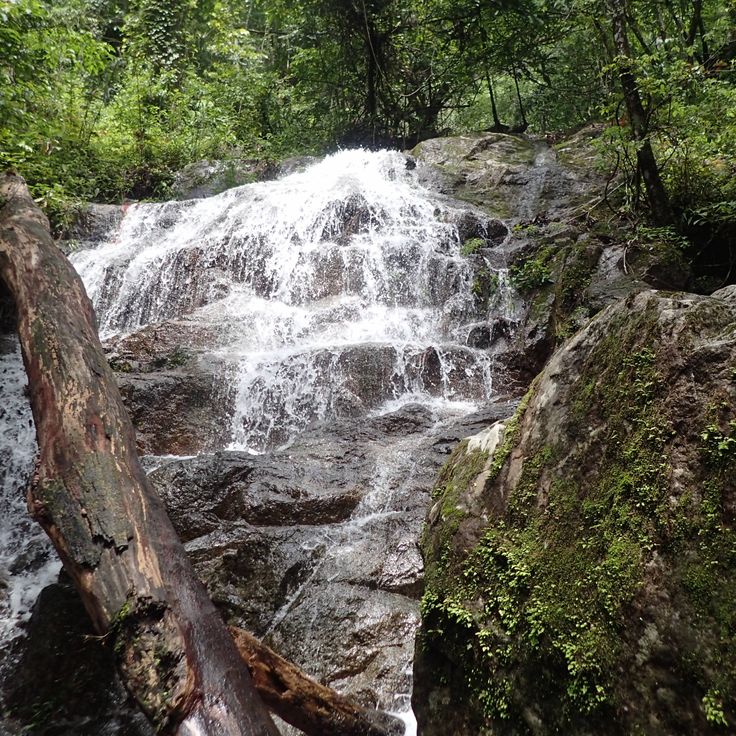
The Erin Ijesha Waterfalls cascade down seven levels with a total height of 490 feet (150 meters) and are surrounded by tropical vegetation. These cascades are located in Osun State and demonstrate the geological formations and natural beauty of Nigeria. Visitors can climb the different levels and view the waterfalls from various perspectives. The dense tropical surroundings provide habitat for diverse plant and animal species.
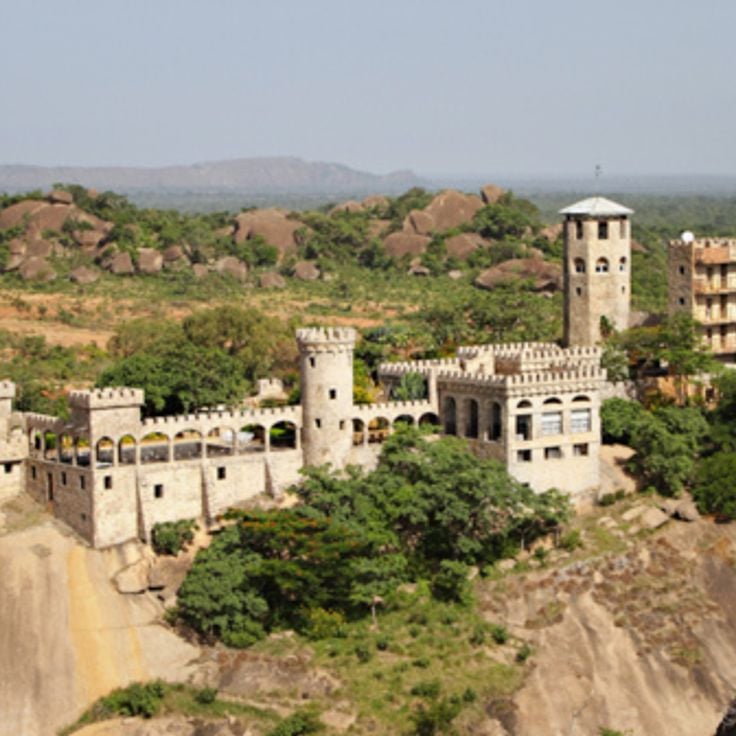
The Kajuru Castle was built in 1989 in the style of medieval European architecture and includes towers, dungeons, and fortifications. This modern recreation of a medieval fortress stands in the Kaduna region and now serves as a hotel and event venue. The structure offers insights into the adaptation of European architectural styles in Nigeria and combines historical architectural forms with contemporary functions within the framework of Nigerian cultural and natural sites.
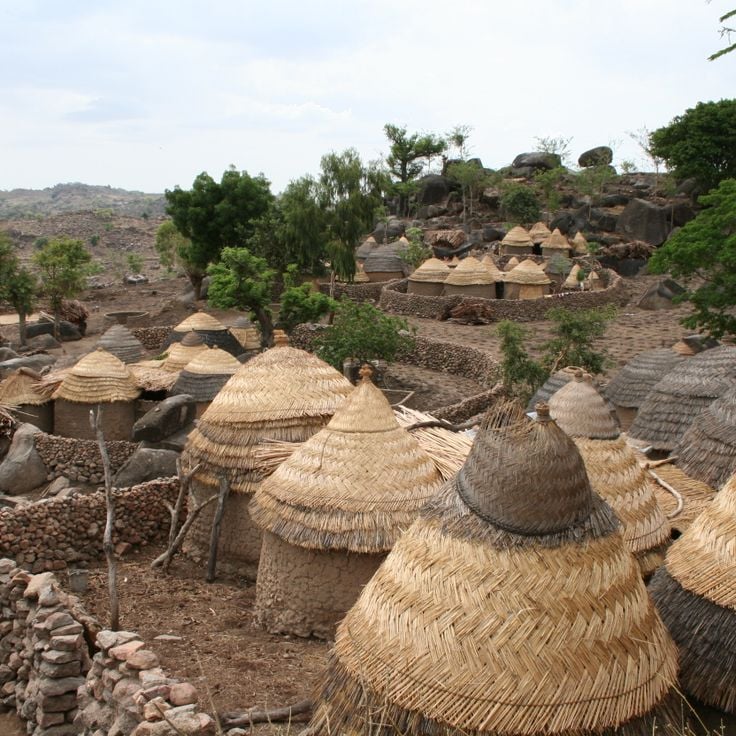
This cultural landscape features stone terraces, traditional structures, and the palace of the Hidi. The area documents the social organization of the Sukur people and their agricultural practices in the Adamawa mountains. The settlement combines residential structures with cultivation areas across multiple elevations.
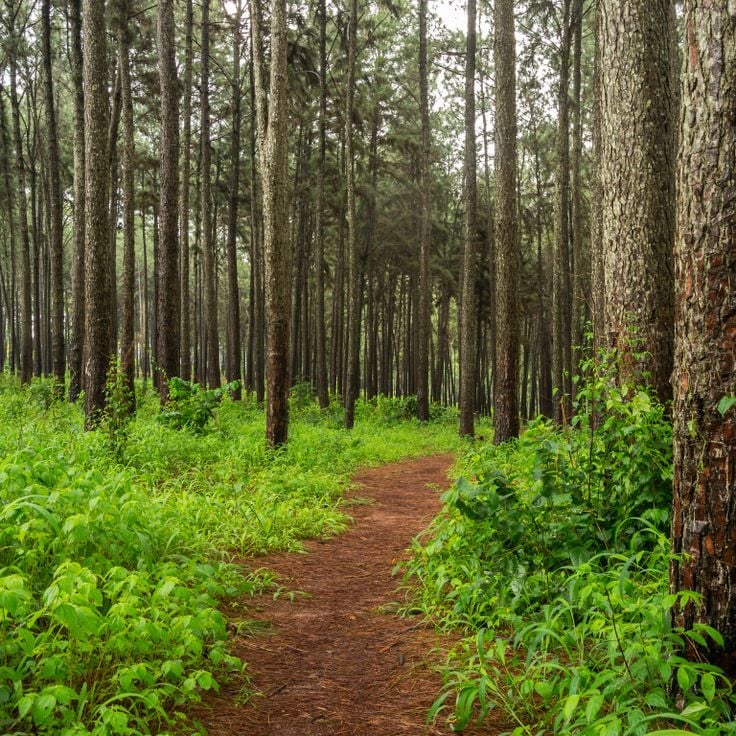
This forest near Enugu was planted during the colonial period and has grown into a dense wooded area. The pines form a substantial tree cover across the landscape. Natural caves and several streams run through the forested slopes. Forêt de pins Ngwo represents one of the wooded sites that complement Nigeria's natural heritage.
This geological formation in Ekiti produces warm water at 100 degrees Fahrenheit (38 degrees Celsius) and cold water at 54 degrees Fahrenheit (12 degrees Celsius). The springs meet in a natural basin, where the merging of warm and cold water can be observed. The site includes facilities for visitors who wish to experience the natural phenomenon. The springs are located in Ekiti State and represent one of the geological features of the country.
The mountain station sits at an elevation of 5,170 feet (1,576 meters) in Cross River State and maintains year-round temperatures between 59 and 73 degrees Fahrenheit (15 to 23 degrees Celsius). A 2.5-mile (4-kilometer) cable car connects the station with surrounding highlands. The area features accommodations, hiking trails, and observation points. The location allows for views of the mountainous terrain of eastern Nigeria. The station serves as a base for activities in the region and provides access to forested slopes in the vicinity.
Gashaka Gumti National Park covers 6,731 square miles (17,433 square kilometers) and hosts 103 mammal species and 1,500 plant species. The protected area lies in eastern Nigeria and includes savanna landscapes and forested mountain regions. The park shelters chimpanzees, baboons, and numerous antelope species across its different vegetation zones. As one of the largest conservation areas in the country, it contributes to biodiversity preservation and documents the natural ecosystems of West Africa.
This reserve shelters elephants, baboons, and antelopes in a protected environment in the northeastern part of the country. Several natural hot springs offer visitors the opportunity to bathe, while archaeological sites indicate earlier human settlement. The protected area covers about 2200 square miles (5700 square kilometers) and includes savanna landscapes with seasonal waterways. Rangers conduct tours through the grounds where various mammal species and bird species can be observed.
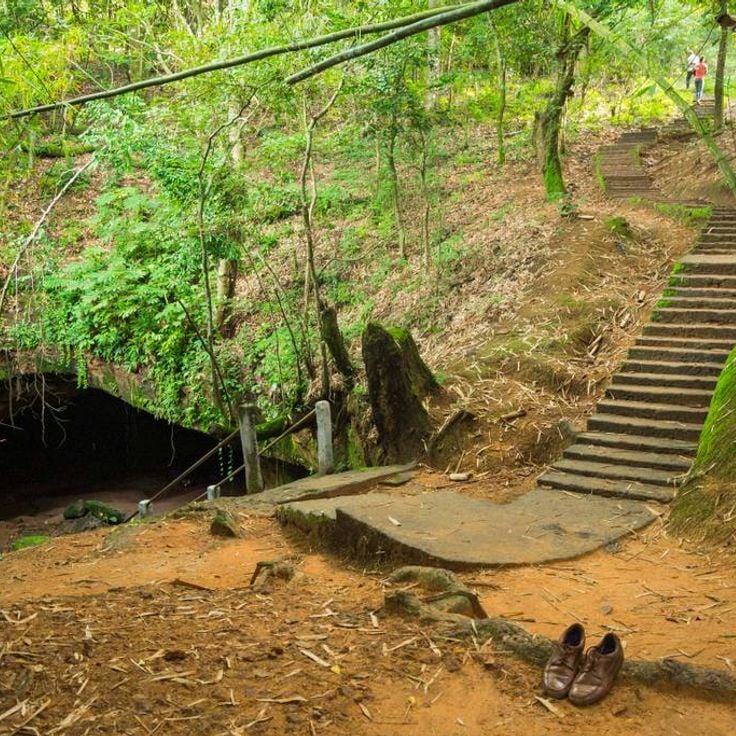
The Ogbunike Caves served as a refuge for the local population during the Nigerian Civil War. This cave system consists of ten main chambers connected by narrow passages, along with several underground rivers flowing through the limestone rock. Access is provided by a stairway with several hundred steps that descends through tropical vegetation. Located near the town of Ogbunike in Anambra State, these caves represent both a geological formation and a historical testament to the region's past.
This waterfall drops 30 feet (9 meters) and contains minerals. Awhum Waterfall is located next to a monastery built in 1952. The cascade represents one of Nigeria's natural attractions, combining geological formations with religious history. The adjacent monastery draws pilgrims and visitors who come to experience both the spiritual site and the natural water feature. The mineral-bearing spring feeds the waterfall continuously.
These mangrove forests near Lagos extend along the lagoon and provide habitat for various water birds. Visitors can paddle canoes through the branching waterways and observe the vegetation. The mangroves serve an important ecological function and protect the coastline from erosion.
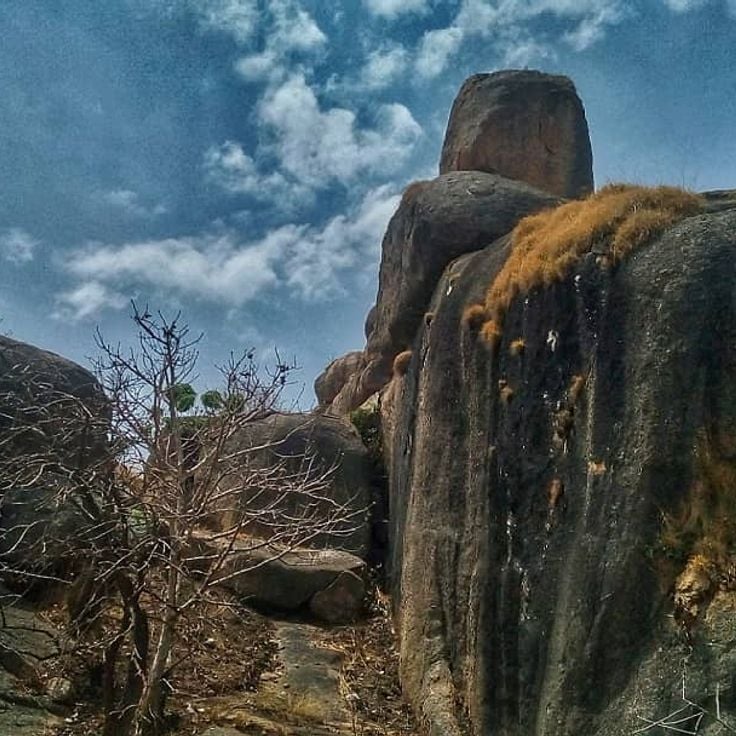
The Idanre Hills rise to 2,950 feet (900 meters) above sea level and feature granite formations with 640 historic stone steps leading to the remains of ancient settlements. This site combines geological features with archaeological traces that document human habitation in the region. The steps provide access to different levels of the hills, where former residential areas and ritual sites are located. These formations are part of the geological and historical landscape of Ondo and illustrate the connection between nature and human settlement in this part of Nigeria.
The Lekki Conservation Centre encompasses 78 acres (32 hectares) of wetlands with a 1,300-foot (400-meter) elevated walkway through the forest. This nature conservation area in Lagos provides habitat for monkeys, reptiles, swamp antelopes, and numerous bird species. The facility protects mangroves and coastal forests while offering visitors access to the lagoon ecosystems. The centre features a canopy walkway along with hiking and nature trails for exploring Nigerian coastal nature.
Ebonyi Salt Lake has been producing natural salt and minerals since the 16th century, providing essential resources to surrounding communities. This lake represents a significant natural source for salt extraction and documents traditional mineral extraction methods that span centuries. Local populations rely on the lake's resources for economic development and supply of essential minerals.
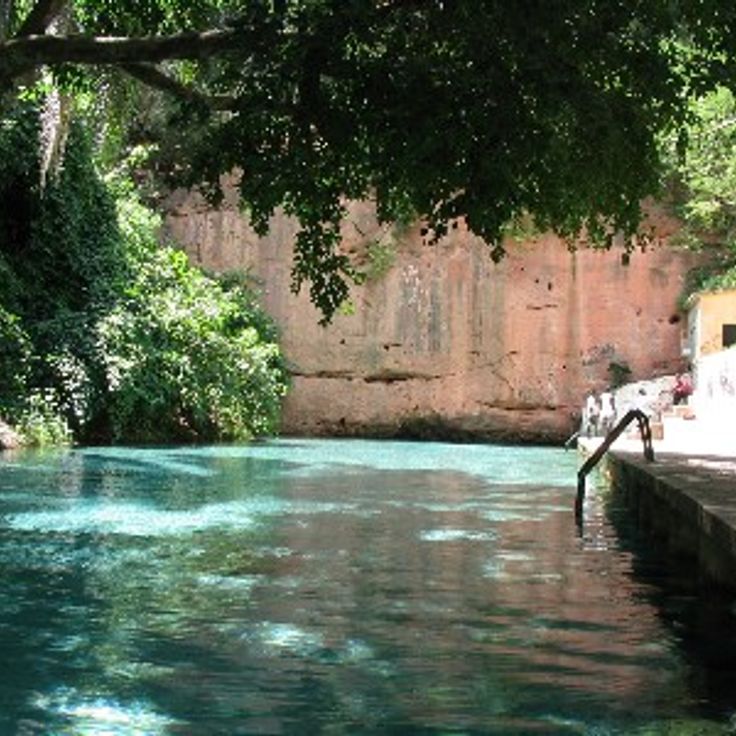
This warm spring in the Yankari Game Reserve maintains a constant temperature of 88°F (31°C) and provides year-round bathing opportunities. The mineral water flows through granitic formations and creates a natural pool used by visitors to the reserve. The spring lies within one of Nigeria's major conservation areas and combines thermal properties with the surrounding savanna landscape. The flowing water originates from underground sources filtered through geological layers.
The Galerie d'art Nike is a five-story cultural center that houses over 8,000 artworks. This art gallery in Lagos presents both contemporary and traditional Nigerian art, offering visitors insight into the country's artistic development. The collection includes paintings, sculptures, and other art forms that document Nigeria's cultural heritage and contribute to the preservation of artistic traditions. The gallery serves as a space for exhibitions and cultural events.
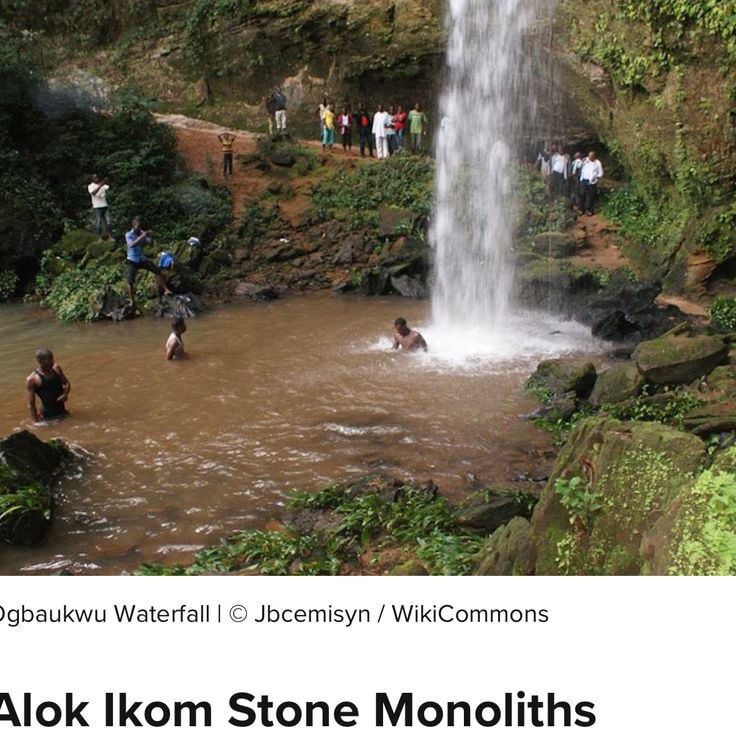
This natural cave in the rainforest features a 100-foot (30-meter) cascade flowing over limestone formations. Ogbaukwu Cave and Falls represent one of Nigeria's geological attractions, where water descends through the surrounding vegetation. The site combines geological features with dense tropical forest cover and documents the natural characteristics of the region. As part of the country's natural sites, this location shows the hydrological and geological processes within the forested landscape of Anambra.
The Plage de Tarkwa Bay is a sandy beach with palm trees, accessible only by boat. Fishermen, surfers, and sports enthusiasts gather at this beach near Lagos. The area sits on a narrow peninsula between the Atlantic Ocean and the Lagos Lagoon. The waves attract water sports practitioners, while the secluded location provides a refuge from urban activity. Access is through boat connections from the mainland, making the beach a remote coastal stretch. Local fishermen use the waters around the beach, and visitors can engage in various beach activities.
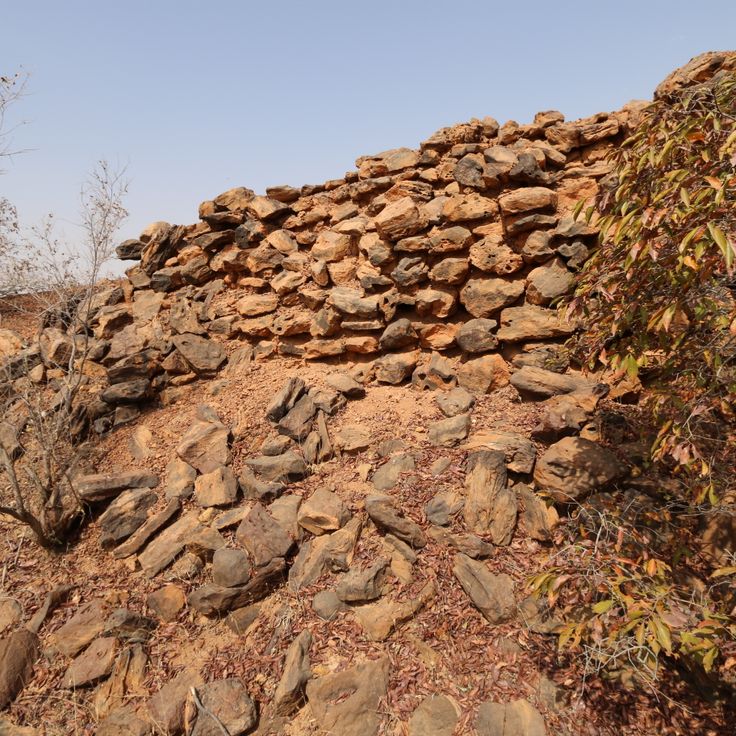
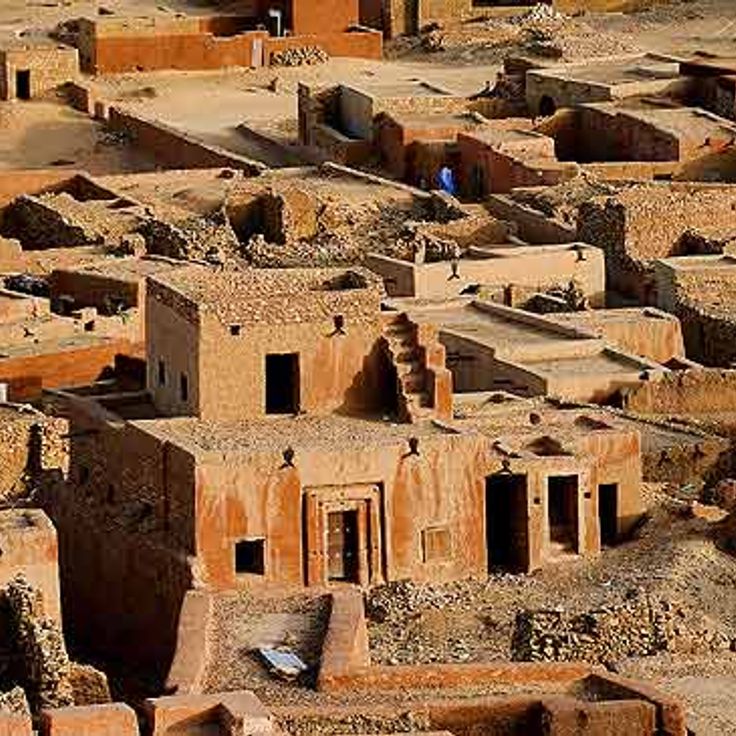
This historic site contains 16th-century walls and foundations that illustrate construction methods of the Kebbi people. The Paysage culturel de Surame documents architectural development and settlement structures from a significant period in Nigeria's history. The remains provide insights into the organization and defensive structures of the historic community as well as its urban planning concepts.
The Owu Falls cascade from a height of 394 feet (120 meters) over granite rocks and form a natural pool at the base of the descent. These falls are among the tallest cascades in Nigeria and are located in Kwara State, set within a forested environment. The water flows over multiple rock levels and collects in the pool, which is framed by the surrounding vegetation.
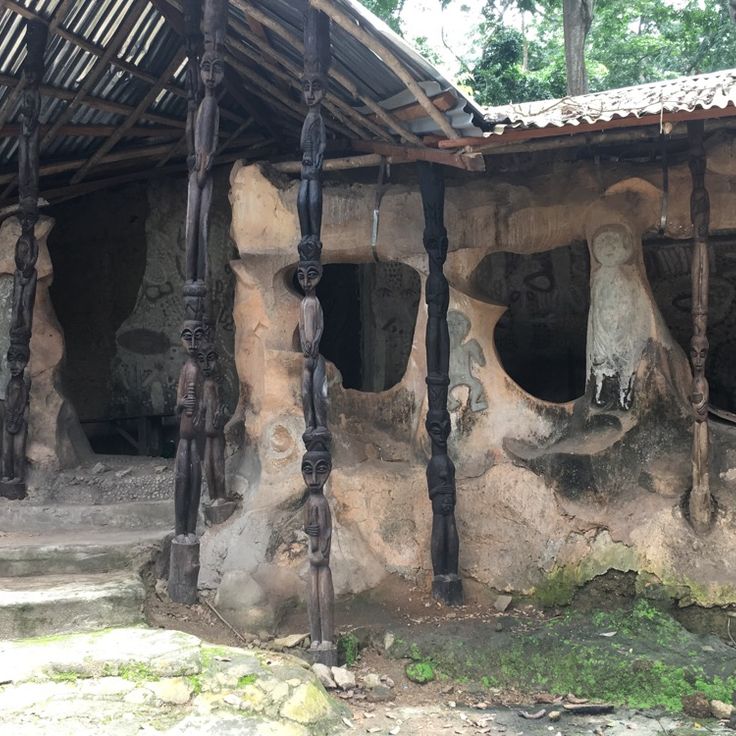
The Sacred Grove of Osun-Osogbo covers 75 hectares (185 acres) and contains 40 shrines, two palaces, and numerous sculptures from the Yoruba religion. This forest lies along the Osun River and serves as a spiritual center for the worship of the river goddess Osun. The site includes religious shrines connected by pathways, as well as artworks by contemporary sculptors. The grove documents the religious practices and artistic traditions of Yoruba culture and has been recognized as a UNESCO World Heritage Site.
The Shere Hills rise to approximately 3,900 feet (about 1,200 meters) and form part of Nigeria's natural landscape. These granite formations represent geological features of Plateau State. Marked trails lead through the terrain and allow exploration of the rock structures. The hill range contributes to the diversity of Nigerian natural landscapes and serves as a destination for hiking and geological observation.
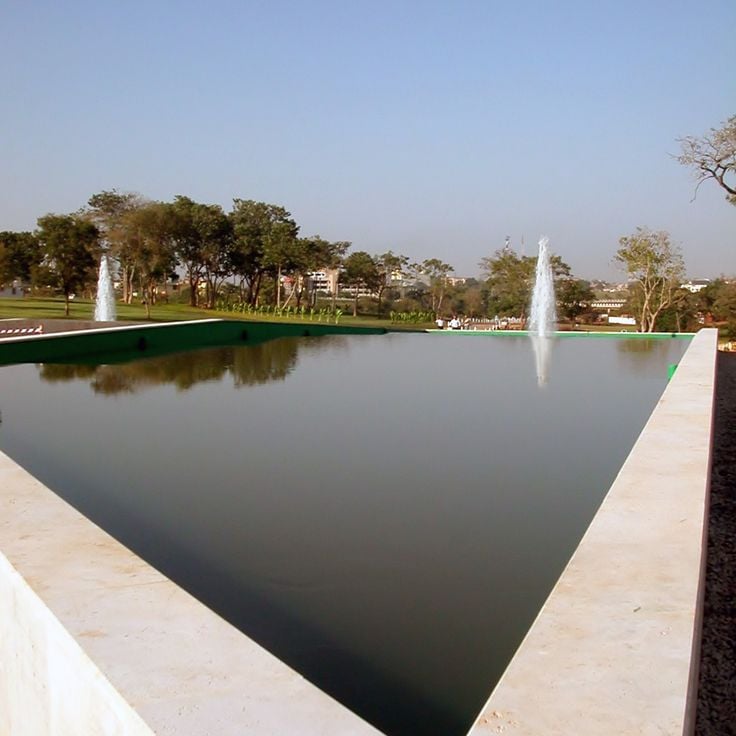
Millennium Park covers 32 hectares (79 acres) and includes trails, sports fields, and gardens for public events. The park serves as a central green space in Abuja, offering room for recreational activities and social gatherings. This park is among the recreational areas of the Nigerian capital and complements the country's natural and cultural sites through its function as an urban meeting place.
The Matsirga Falls drop from a height of 148 feet (45 meters), surrounded by rock formations and vegetation. These waterfalls in Kaduna State provide several viewing points from which visitors can observe the descending water. The natural formation joins other geological and natural sites across Nigeria, complementing the country's network of national parks, historical locations, and natural reserves that characterize the Nigerian landscape.
Lake Oguta is a natural lake in Imo State that offers boat tours, fishing areas, and a sandy beach with rest zones. The lake serves as a recreational area for visitors seeking water activities and beach access. The surroundings enable water-based leisure activities and nature observation. The lake is part of Nigeria's natural water landscape and demonstrates the diversity of the country's aquatic ecosystems. The facility provides infrastructure for tourist activities and local fishing.
This complex spans a site with modern facilities for commerce and leisure. The grounds include a retail area housing approximately 80 shops offering various merchandise. A water park provides recreational opportunities for visitors of all ages. The facility also features conference halls designed for business events and meetings. The infrastructure combines commercial functions with tourism services in Cross River State.
This archaeological village in Kaduna preserves prehistoric clay figures from the first millennium before Christ. Nok is considered the origin of one of West Africa's oldest terracotta cultures. The sculptures discovered here show human and animal representations that provide important insights into early artistic and social developments in the region.
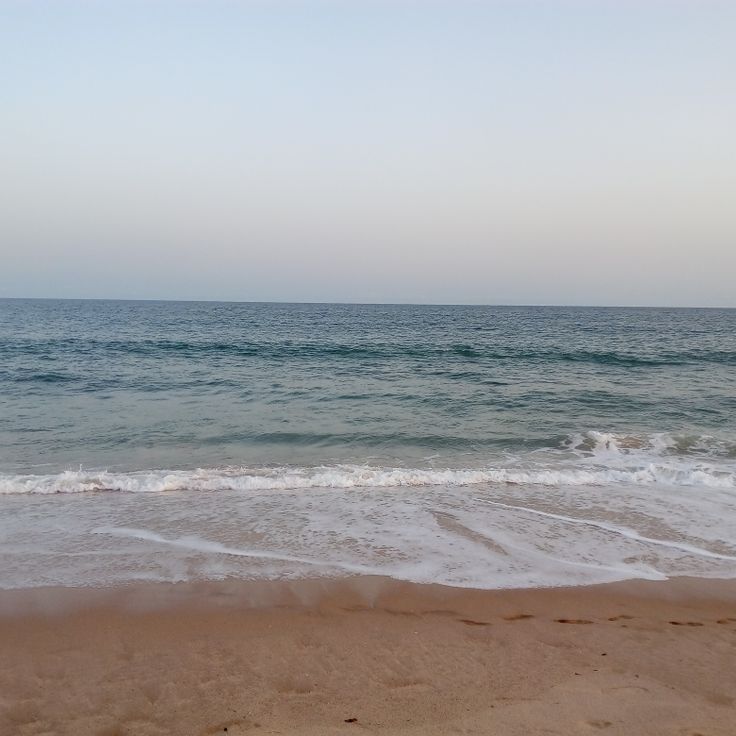
Eleko Beach extends along the coast about 19 miles (30 kilometers) from Lagos, providing a sandy shoreline that serves as a retreat from urban areas. This coastal section attracts visitors seeking to escape the metropolis. The beach lies near residential areas and hotels that provide access to the ocean. White sand and Atlantic waves characterize this shore zone, which stretches over several miles and offers different sections for recreational activities.
This protected area shelters rare gorillas, chimpanzees, and other primates within a tropical mountain forest. The Afi Mountain Wildlife Sanctuary protects endangered species in a region that contributes to Nigeria's biodiversity conservation. The forested landscape spans various elevations and provides habitat for numerous endemic animal and plant species. The protected status enables the preservation of these ecosystems for future generations.
This museum preserves weapons, uniforms, and documents from the Nigerian Civil War of 1967 to 1970. The collection documents the military and civilian aspects of the conflict through exhibits that trace the course of the confrontation. The museum complements Nigeria's historical and cultural sites and provides insight into a formative period of the nation's history.
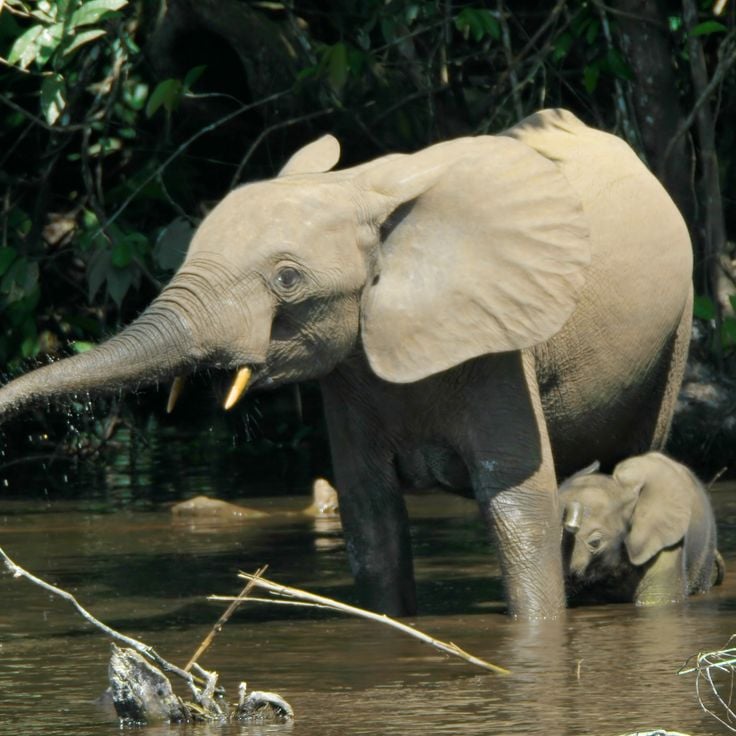
This national park in the southern part of the country covers 77 square miles (200 square kilometers) of tropical rainforest and protects threatened species including forest elephants, white-throated monkeys, and red colobus monkeys. The area preserves one of the last remaining continuous rainforest sections in this region of Nigeria and provides habitat for numerous bird species and primates. The park's forests rank among the most ecologically valuable areas in the country and contribute to the conservation of regional biodiversity. Visitors can explore the vegetation on walking trails and may observe the rare mammals in their natural environment.
This research zone covers 865 acres (350 hectares) and hosts native tree species, butterflies, and birds under scientific observation. The reserve area serves as a site for agricultural research and natural studies. Scientists document biodiversity and monitor ecological processes within the protected area. The forest reserve contributes to the conservation of regional flora and fauna.
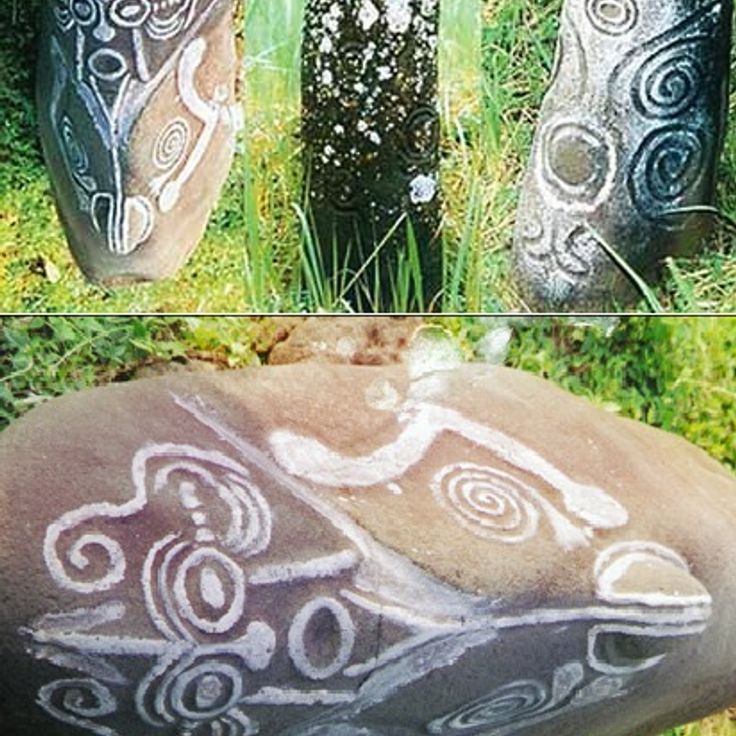
The Alok Ikom Monoliths comprise 300 vertical basalt stones dating from the 16th century. These historical stone formations display geometric patterns and writing symbols that provide insight into the cultural development of the region. As an archaeological site, these monoliths document the artistic and communicative practices of the Cross River communities. The stones form part of Nigeria's cultural heritage and rank among the country's significant archaeological remains, preserving traditional symbol systems and stonework craftsmanship.
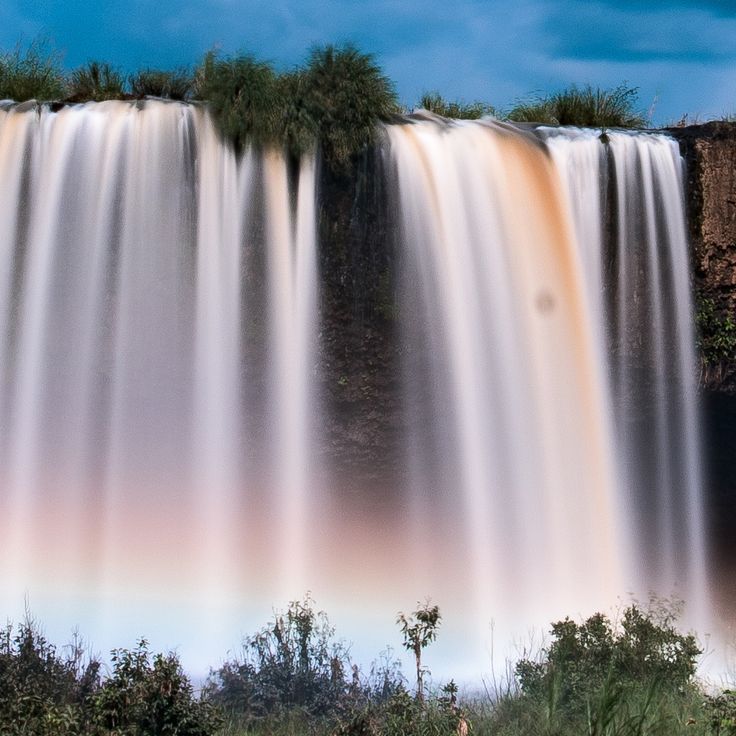
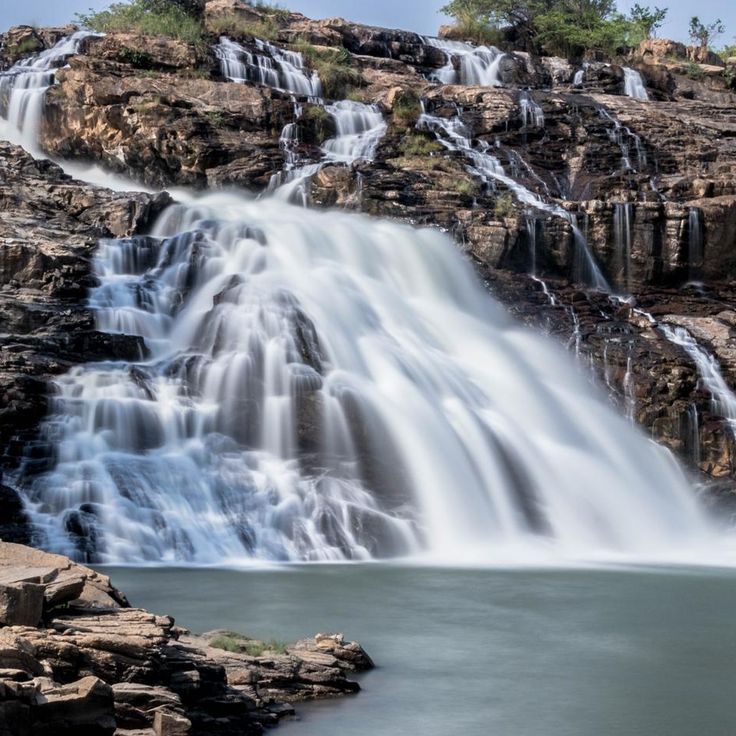
The Gurara Falls are located in Niger State and present a natural formation where water drops 98 feet (30 meters) over a width that reaches 656 feet (200 meters) during the rainy season. This cascade results from the Gurara River flowing over rocky terrain that characterizes the Nigerian highlands. The volume of water varies considerably between the wet and dry seasons, with the most substantial flow occurring from June through September. The site represents one of several natural water features that form part of Nigeria's geological landscape. The surrounding area contains savanna vegetation typical of central Nigeria. The falls serve as a recreational site for visitors and local communities.
Kamuku National Park spans 1121 square miles (2903 square kilometers) of savanna and supports acacia trees and baobabs. The park provides habitat for baboons, antelopes, and numerous bird species that inhabit this protected area.
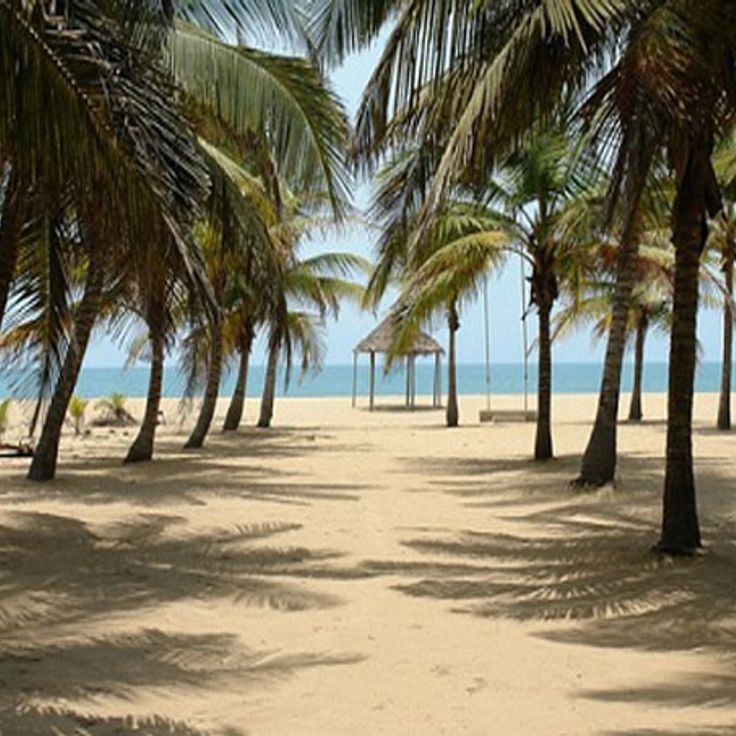
This beach stretches for about 2 miles (3 kilometers) along the Atlantic Ocean coast and provides natural shade through its numerous palm trees. The vegetation produces coconuts and contributes to the tropical landscape. The beach is located in Lagos and complements the natural and cultural sites that represent Nigeria's geographic diversity, from waterfalls to historic locations.
Lake Kainji National Park protects 5340 square miles (8590 square kilometers) of savanna and forest. The park provides habitat for elephants, lions, and antelopes while preserving remnants of ancient settlements. Protected areas extend along Lake Kainji and encompass different vegetation zones. The park contributes to wildlife conservation and documents the historical settlement of the region.
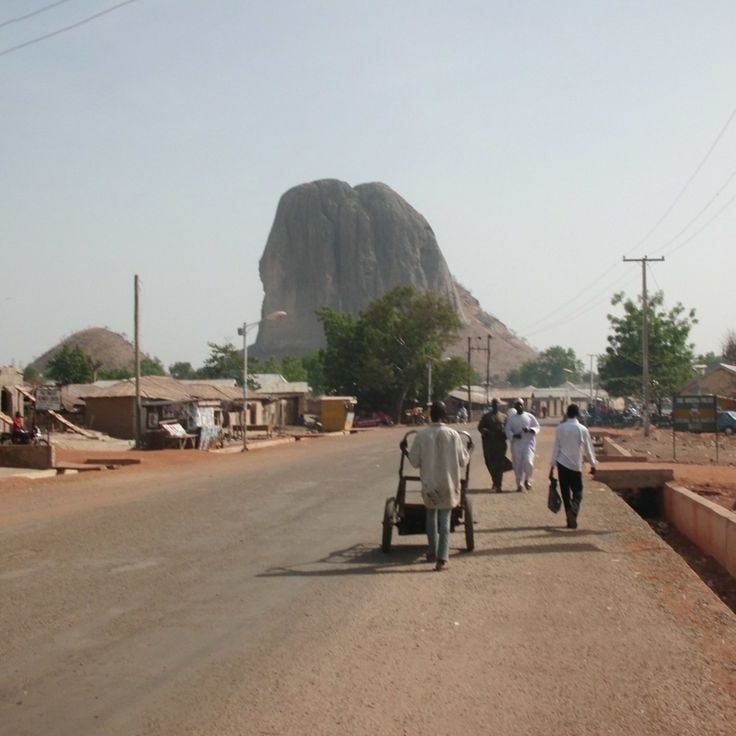
The Wase Rock is a 1,150-foot (350-meter) monolith that rises above the plain in Plateau State. Its geological formation occurred millions of years ago through volcanic activity and today stands as a distinctive landmark in the region. The rock is among the notable geological formations of Nigeria and attracts visitors interested in geology and natural features. The structure provides insights into the volcanic processes that shaped the landscape of this region.
This granite rock rises 137 meters (450 feet) above ground and served as a refuge for the Egba people during the wars of the nineteenth century. Olumo Rock in Abeokuta formed a strategic defense point for the community, which found protection here from hostile attacks. The rock features natural caves and shelters that were used by warriors and their families. Today the site recalls the history of the Egba and their struggles for independence. Visitors can explore the historical defensive positions and understand the connection between the rock and the founding of the city.
The city walls of Kano extend for 9 miles (14 kilometers) and were built using red clay bricks. These historic fortifications reach heights of up to 49 feet (15 meters) and represent the military architecture of past centuries. As part of Kano's historic heritage, the walls document the urban development of one of West Africa's important trading cities. The fortifications surround the old city and form a connected system of walls, gates, and watchtowers that underscore the strategic importance of the city in the region.
The Erin Ijesha Waterfalls cascade down seven levels with a total height of 490 feet (150 meters) and are surrounded by tropical vegetation. These cascades are located in Osun State and demonstrate the geological formations and natural beauty of Nigeria. Visitors can climb the different levels and view the waterfalls from various perspectives. The dense tropical surroundings provide habitat for diverse plant and animal species.
The Kajuru Castle was built in 1989 in the style of medieval European architecture and includes towers, dungeons, and fortifications. This modern recreation of a medieval fortress stands in the Kaduna region and now serves as a hotel and event venue. The structure offers insights into the adaptation of European architectural styles in Nigeria and combines historical architectural forms with contemporary functions within the framework of Nigerian cultural and natural sites.
This cultural landscape features stone terraces, traditional structures, and the palace of the Hidi. The area documents the social organization of the Sukur people and their agricultural practices in the Adamawa mountains. The settlement combines residential structures with cultivation areas across multiple elevations.
This forest near Enugu was planted during the colonial period and has grown into a dense wooded area. The pines form a substantial tree cover across the landscape. Natural caves and several streams run through the forested slopes. Forêt de pins Ngwo represents one of the wooded sites that complement Nigeria's natural heritage.
This geological formation in Ekiti produces warm water at 100 degrees Fahrenheit (38 degrees Celsius) and cold water at 54 degrees Fahrenheit (12 degrees Celsius). The springs meet in a natural basin, where the merging of warm and cold water can be observed. The site includes facilities for visitors who wish to experience the natural phenomenon. The springs are located in Ekiti State and represent one of the geological features of the country.
The mountain station sits at an elevation of 5,170 feet (1,576 meters) in Cross River State and maintains year-round temperatures between 59 and 73 degrees Fahrenheit (15 to 23 degrees Celsius). A 2.5-mile (4-kilometer) cable car connects the station with surrounding highlands. The area features accommodations, hiking trails, and observation points. The location allows for views of the mountainous terrain of eastern Nigeria. The station serves as a base for activities in the region and provides access to forested slopes in the vicinity.
Gashaka Gumti National Park covers 6,731 square miles (17,433 square kilometers) and hosts 103 mammal species and 1,500 plant species. The protected area lies in eastern Nigeria and includes savanna landscapes and forested mountain regions. The park shelters chimpanzees, baboons, and numerous antelope species across its different vegetation zones. As one of the largest conservation areas in the country, it contributes to biodiversity preservation and documents the natural ecosystems of West Africa.
This reserve shelters elephants, baboons, and antelopes in a protected environment in the northeastern part of the country. Several natural hot springs offer visitors the opportunity to bathe, while archaeological sites indicate earlier human settlement. The protected area covers about 2200 square miles (5700 square kilometers) and includes savanna landscapes with seasonal waterways. Rangers conduct tours through the grounds where various mammal species and bird species can be observed.
The Ogbunike Caves served as a refuge for the local population during the Nigerian Civil War. This cave system consists of ten main chambers connected by narrow passages, along with several underground rivers flowing through the limestone rock. Access is provided by a stairway with several hundred steps that descends through tropical vegetation. Located near the town of Ogbunike in Anambra State, these caves represent both a geological formation and a historical testament to the region's past.
This waterfall drops 30 feet (9 meters) and contains minerals. Awhum Waterfall is located next to a monastery built in 1952. The cascade represents one of Nigeria's natural attractions, combining geological formations with religious history. The adjacent monastery draws pilgrims and visitors who come to experience both the spiritual site and the natural water feature. The mineral-bearing spring feeds the waterfall continuously.
These mangrove forests near Lagos extend along the lagoon and provide habitat for various water birds. Visitors can paddle canoes through the branching waterways and observe the vegetation. The mangroves serve an important ecological function and protect the coastline from erosion.
The Idanre Hills rise to 2,950 feet (900 meters) above sea level and feature granite formations with 640 historic stone steps leading to the remains of ancient settlements. This site combines geological features with archaeological traces that document human habitation in the region. The steps provide access to different levels of the hills, where former residential areas and ritual sites are located. These formations are part of the geological and historical landscape of Ondo and illustrate the connection between nature and human settlement in this part of Nigeria.
The Lekki Conservation Centre encompasses 78 acres (32 hectares) of wetlands with a 1,300-foot (400-meter) elevated walkway through the forest. This nature conservation area in Lagos provides habitat for monkeys, reptiles, swamp antelopes, and numerous bird species. The facility protects mangroves and coastal forests while offering visitors access to the lagoon ecosystems. The centre features a canopy walkway along with hiking and nature trails for exploring Nigerian coastal nature.
Ebonyi Salt Lake has been producing natural salt and minerals since the 16th century, providing essential resources to surrounding communities. This lake represents a significant natural source for salt extraction and documents traditional mineral extraction methods that span centuries. Local populations rely on the lake's resources for economic development and supply of essential minerals.
This warm spring in the Yankari Game Reserve maintains a constant temperature of 88°F (31°C) and provides year-round bathing opportunities. The mineral water flows through granitic formations and creates a natural pool used by visitors to the reserve. The spring lies within one of Nigeria's major conservation areas and combines thermal properties with the surrounding savanna landscape. The flowing water originates from underground sources filtered through geological layers.
The Galerie d'art Nike is a five-story cultural center that houses over 8,000 artworks. This art gallery in Lagos presents both contemporary and traditional Nigerian art, offering visitors insight into the country's artistic development. The collection includes paintings, sculptures, and other art forms that document Nigeria's cultural heritage and contribute to the preservation of artistic traditions. The gallery serves as a space for exhibitions and cultural events.
This natural cave in the rainforest features a 100-foot (30-meter) cascade flowing over limestone formations. Ogbaukwu Cave and Falls represent one of Nigeria's geological attractions, where water descends through the surrounding vegetation. The site combines geological features with dense tropical forest cover and documents the natural characteristics of the region. As part of the country's natural sites, this location shows the hydrological and geological processes within the forested landscape of Anambra.
The Plage de Tarkwa Bay is a sandy beach with palm trees, accessible only by boat. Fishermen, surfers, and sports enthusiasts gather at this beach near Lagos. The area sits on a narrow peninsula between the Atlantic Ocean and the Lagos Lagoon. The waves attract water sports practitioners, while the secluded location provides a refuge from urban activity. Access is through boat connections from the mainland, making the beach a remote coastal stretch. Local fishermen use the waters around the beach, and visitors can engage in various beach activities.
This historic site contains 16th-century walls and foundations that illustrate construction methods of the Kebbi people. The Paysage culturel de Surame documents architectural development and settlement structures from a significant period in Nigeria's history. The remains provide insights into the organization and defensive structures of the historic community as well as its urban planning concepts.
The Owu Falls cascade from a height of 394 feet (120 meters) over granite rocks and form a natural pool at the base of the descent. These falls are among the tallest cascades in Nigeria and are located in Kwara State, set within a forested environment. The water flows over multiple rock levels and collects in the pool, which is framed by the surrounding vegetation.
The Sacred Grove of Osun-Osogbo covers 75 hectares (185 acres) and contains 40 shrines, two palaces, and numerous sculptures from the Yoruba religion. This forest lies along the Osun River and serves as a spiritual center for the worship of the river goddess Osun. The site includes religious shrines connected by pathways, as well as artworks by contemporary sculptors. The grove documents the religious practices and artistic traditions of Yoruba culture and has been recognized as a UNESCO World Heritage Site.
The Shere Hills rise to approximately 3,900 feet (about 1,200 meters) and form part of Nigeria's natural landscape. These granite formations represent geological features of Plateau State. Marked trails lead through the terrain and allow exploration of the rock structures. The hill range contributes to the diversity of Nigerian natural landscapes and serves as a destination for hiking and geological observation.
Millennium Park covers 32 hectares (79 acres) and includes trails, sports fields, and gardens for public events. The park serves as a central green space in Abuja, offering room for recreational activities and social gatherings. This park is among the recreational areas of the Nigerian capital and complements the country's natural and cultural sites through its function as an urban meeting place.
The Matsirga Falls drop from a height of 148 feet (45 meters), surrounded by rock formations and vegetation. These waterfalls in Kaduna State provide several viewing points from which visitors can observe the descending water. The natural formation joins other geological and natural sites across Nigeria, complementing the country's network of national parks, historical locations, and natural reserves that characterize the Nigerian landscape.
Lake Oguta is a natural lake in Imo State that offers boat tours, fishing areas, and a sandy beach with rest zones. The lake serves as a recreational area for visitors seeking water activities and beach access. The surroundings enable water-based leisure activities and nature observation. The lake is part of Nigeria's natural water landscape and demonstrates the diversity of the country's aquatic ecosystems. The facility provides infrastructure for tourist activities and local fishing.
This complex spans a site with modern facilities for commerce and leisure. The grounds include a retail area housing approximately 80 shops offering various merchandise. A water park provides recreational opportunities for visitors of all ages. The facility also features conference halls designed for business events and meetings. The infrastructure combines commercial functions with tourism services in Cross River State.
This archaeological village in Kaduna preserves prehistoric clay figures from the first millennium before Christ. Nok is considered the origin of one of West Africa's oldest terracotta cultures. The sculptures discovered here show human and animal representations that provide important insights into early artistic and social developments in the region.
Eleko Beach extends along the coast about 19 miles (30 kilometers) from Lagos, providing a sandy shoreline that serves as a retreat from urban areas. This coastal section attracts visitors seeking to escape the metropolis. The beach lies near residential areas and hotels that provide access to the ocean. White sand and Atlantic waves characterize this shore zone, which stretches over several miles and offers different sections for recreational activities.
This protected area shelters rare gorillas, chimpanzees, and other primates within a tropical mountain forest. The Afi Mountain Wildlife Sanctuary protects endangered species in a region that contributes to Nigeria's biodiversity conservation. The forested landscape spans various elevations and provides habitat for numerous endemic animal and plant species. The protected status enables the preservation of these ecosystems for future generations.
This museum preserves weapons, uniforms, and documents from the Nigerian Civil War of 1967 to 1970. The collection documents the military and civilian aspects of the conflict through exhibits that trace the course of the confrontation. The museum complements Nigeria's historical and cultural sites and provides insight into a formative period of the nation's history.
This national park in the southern part of the country covers 77 square miles (200 square kilometers) of tropical rainforest and protects threatened species including forest elephants, white-throated monkeys, and red colobus monkeys. The area preserves one of the last remaining continuous rainforest sections in this region of Nigeria and provides habitat for numerous bird species and primates. The park's forests rank among the most ecologically valuable areas in the country and contribute to the conservation of regional biodiversity. Visitors can explore the vegetation on walking trails and may observe the rare mammals in their natural environment.
This research zone covers 865 acres (350 hectares) and hosts native tree species, butterflies, and birds under scientific observation. The reserve area serves as a site for agricultural research and natural studies. Scientists document biodiversity and monitor ecological processes within the protected area. The forest reserve contributes to the conservation of regional flora and fauna.
The Alok Ikom Monoliths comprise 300 vertical basalt stones dating from the 16th century. These historical stone formations display geometric patterns and writing symbols that provide insight into the cultural development of the region. As an archaeological site, these monoliths document the artistic and communicative practices of the Cross River communities. The stones form part of Nigeria's cultural heritage and rank among the country's significant archaeological remains, preserving traditional symbol systems and stonework craftsmanship.
The Gurara Falls are located in Niger State and present a natural formation where water drops 98 feet (30 meters) over a width that reaches 656 feet (200 meters) during the rainy season. This cascade results from the Gurara River flowing over rocky terrain that characterizes the Nigerian highlands. The volume of water varies considerably between the wet and dry seasons, with the most substantial flow occurring from June through September. The site represents one of several natural water features that form part of Nigeria's geological landscape. The surrounding area contains savanna vegetation typical of central Nigeria. The falls serve as a recreational site for visitors and local communities.
Kamuku National Park spans 1121 square miles (2903 square kilometers) of savanna and supports acacia trees and baobabs. The park provides habitat for baboons, antelopes, and numerous bird species that inhabit this protected area.
This beach stretches for about 2 miles (3 kilometers) along the Atlantic Ocean coast and provides natural shade through its numerous palm trees. The vegetation produces coconuts and contributes to the tropical landscape. The beach is located in Lagos and complements the natural and cultural sites that represent Nigeria's geographic diversity, from waterfalls to historic locations.
Lake Kainji National Park protects 5340 square miles (8590 square kilometers) of savanna and forest. The park provides habitat for elephants, lions, and antelopes while preserving remnants of ancient settlements. Protected areas extend along Lake Kainji and encompass different vegetation zones. The park contributes to wildlife conservation and documents the historical settlement of the region.
The Wase Rock is a 1,150-foot (350-meter) monolith that rises above the plain in Plateau State. Its geological formation occurred millions of years ago through volcanic activity and today stands as a distinctive landmark in the region. The rock is among the notable geological formations of Nigeria and attracts visitors interested in geology and natural features. The structure provides insights into the volcanic processes that shaped the landscape of this region.
This granite rock rises 137 meters (450 feet) above ground and served as a refuge for the Egba people during the wars of the nineteenth century. Olumo Rock in Abeokuta formed a strategic defense point for the community, which found protection here from hostile attacks. The rock features natural caves and shelters that were used by warriors and their families. Today the site recalls the history of the Egba and their struggles for independence. Visitors can explore the historical defensive positions and understand the connection between the rock and the founding of the city.
The city walls of Kano extend for 9 miles (14 kilometers) and were built using red clay bricks. These historic fortifications reach heights of up to 49 feet (15 meters) and represent the military architecture of past centuries. As part of Kano's historic heritage, the walls document the urban development of one of West Africa's important trading cities. The fortifications surround the old city and form a connected system of walls, gates, and watchtowers that underscore the strategic importance of the city in the region.
The Erin Ijesha Waterfalls cascade down seven levels with a total height of 490 feet (150 meters) and are surrounded by tropical vegetation. These cascades are located in Osun State and demonstrate the geological formations and natural beauty of Nigeria. Visitors can climb the different levels and view the waterfalls from various perspectives. The dense tropical surroundings provide habitat for diverse plant and animal species.
The Kajuru Castle was built in 1989 in the style of medieval European architecture and includes towers, dungeons, and fortifications. This modern recreation of a medieval fortress stands in the Kaduna region and now serves as a hotel and event venue. The structure offers insights into the adaptation of European architectural styles in Nigeria and combines historical architectural forms with contemporary functions within the framework of Nigerian cultural and natural sites.
This cultural landscape features stone terraces, traditional structures, and the palace of the Hidi. The area documents the social organization of the Sukur people and their agricultural practices in the Adamawa mountains. The settlement combines residential structures with cultivation areas across multiple elevations.
This forest near Enugu was planted during the colonial period and has grown into a dense wooded area. The pines form a substantial tree cover across the landscape. Natural caves and several streams run through the forested slopes. Forêt de pins Ngwo represents one of the wooded sites that complement Nigeria's natural heritage.
This geological formation in Ekiti produces warm water at 100 degrees Fahrenheit (38 degrees Celsius) and cold water at 54 degrees Fahrenheit (12 degrees Celsius). The springs meet in a natural basin, where the merging of warm and cold water can be observed. The site includes facilities for visitors who wish to experience the natural phenomenon. The springs are located in Ekiti State and represent one of the geological features of the country.
The mountain station sits at an elevation of 5,170 feet (1,576 meters) in Cross River State and maintains year-round temperatures between 59 and 73 degrees Fahrenheit (15 to 23 degrees Celsius). A 2.5-mile (4-kilometer) cable car connects the station with surrounding highlands. The area features accommodations, hiking trails, and observation points. The location allows for views of the mountainous terrain of eastern Nigeria. The station serves as a base for activities in the region and provides access to forested slopes in the vicinity.
Gashaka Gumti National Park covers 6,731 square miles (17,433 square kilometers) and hosts 103 mammal species and 1,500 plant species. The protected area lies in eastern Nigeria and includes savanna landscapes and forested mountain regions. The park shelters chimpanzees, baboons, and numerous antelope species across its different vegetation zones. As one of the largest conservation areas in the country, it contributes to biodiversity preservation and documents the natural ecosystems of West Africa.
This reserve shelters elephants, baboons, and antelopes in a protected environment in the northeastern part of the country. Several natural hot springs offer visitors the opportunity to bathe, while archaeological sites indicate earlier human settlement. The protected area covers about 2200 square miles (5700 square kilometers) and includes savanna landscapes with seasonal waterways. Rangers conduct tours through the grounds where various mammal species and bird species can be observed.
The Ogbunike Caves served as a refuge for the local population during the Nigerian Civil War. This cave system consists of ten main chambers connected by narrow passages, along with several underground rivers flowing through the limestone rock. Access is provided by a stairway with several hundred steps that descends through tropical vegetation. Located near the town of Ogbunike in Anambra State, these caves represent both a geological formation and a historical testament to the region's past.
This waterfall drops 30 feet (9 meters) and contains minerals. Awhum Waterfall is located next to a monastery built in 1952. The cascade represents one of Nigeria's natural attractions, combining geological formations with religious history. The adjacent monastery draws pilgrims and visitors who come to experience both the spiritual site and the natural water feature. The mineral-bearing spring feeds the waterfall continuously.
These mangrove forests near Lagos extend along the lagoon and provide habitat for various water birds. Visitors can paddle canoes through the branching waterways and observe the vegetation. The mangroves serve an important ecological function and protect the coastline from erosion.
The Idanre Hills rise to 2,950 feet (900 meters) above sea level and feature granite formations with 640 historic stone steps leading to the remains of ancient settlements. This site combines geological features with archaeological traces that document human habitation in the region. The steps provide access to different levels of the hills, where former residential areas and ritual sites are located. These formations are part of the geological and historical landscape of Ondo and illustrate the connection between nature and human settlement in this part of Nigeria.
The Lekki Conservation Centre encompasses 78 acres (32 hectares) of wetlands with a 1,300-foot (400-meter) elevated walkway through the forest. This nature conservation area in Lagos provides habitat for monkeys, reptiles, swamp antelopes, and numerous bird species. The facility protects mangroves and coastal forests while offering visitors access to the lagoon ecosystems. The centre features a canopy walkway along with hiking and nature trails for exploring Nigerian coastal nature.
Ebonyi Salt Lake has been producing natural salt and minerals since the 16th century, providing essential resources to surrounding communities. This lake represents a significant natural source for salt extraction and documents traditional mineral extraction methods that span centuries. Local populations rely on the lake's resources for economic development and supply of essential minerals.
This warm spring in the Yankari Game Reserve maintains a constant temperature of 88°F (31°C) and provides year-round bathing opportunities. The mineral water flows through granitic formations and creates a natural pool used by visitors to the reserve. The spring lies within one of Nigeria's major conservation areas and combines thermal properties with the surrounding savanna landscape. The flowing water originates from underground sources filtered through geological layers.
The Galerie d'art Nike is a five-story cultural center that houses over 8,000 artworks. This art gallery in Lagos presents both contemporary and traditional Nigerian art, offering visitors insight into the country's artistic development. The collection includes paintings, sculptures, and other art forms that document Nigeria's cultural heritage and contribute to the preservation of artistic traditions. The gallery serves as a space for exhibitions and cultural events.
This natural cave in the rainforest features a 100-foot (30-meter) cascade flowing over limestone formations. Ogbaukwu Cave and Falls represent one of Nigeria's geological attractions, where water descends through the surrounding vegetation. The site combines geological features with dense tropical forest cover and documents the natural characteristics of the region. As part of the country's natural sites, this location shows the hydrological and geological processes within the forested landscape of Anambra.
The Plage de Tarkwa Bay is a sandy beach with palm trees, accessible only by boat. Fishermen, surfers, and sports enthusiasts gather at this beach near Lagos. The area sits on a narrow peninsula between the Atlantic Ocean and the Lagos Lagoon. The waves attract water sports practitioners, while the secluded location provides a refuge from urban activity. Access is through boat connections from the mainland, making the beach a remote coastal stretch. Local fishermen use the waters around the beach, and visitors can engage in various beach activities.
This historic site contains 16th-century walls and foundations that illustrate construction methods of the Kebbi people. The Paysage culturel de Surame documents architectural development and settlement structures from a significant period in Nigeria's history. The remains provide insights into the organization and defensive structures of the historic community as well as its urban planning concepts.
The Owu Falls cascade from a height of 394 feet (120 meters) over granite rocks and form a natural pool at the base of the descent. These falls are among the tallest cascades in Nigeria and are located in Kwara State, set within a forested environment. The water flows over multiple rock levels and collects in the pool, which is framed by the surrounding vegetation.
The Sacred Grove of Osun-Osogbo covers 75 hectares (185 acres) and contains 40 shrines, two palaces, and numerous sculptures from the Yoruba religion. This forest lies along the Osun River and serves as a spiritual center for the worship of the river goddess Osun. The site includes religious shrines connected by pathways, as well as artworks by contemporary sculptors. The grove documents the religious practices and artistic traditions of Yoruba culture and has been recognized as a UNESCO World Heritage Site.
The Shere Hills rise to approximately 3,900 feet (about 1,200 meters) and form part of Nigeria's natural landscape. These granite formations represent geological features of Plateau State. Marked trails lead through the terrain and allow exploration of the rock structures. The hill range contributes to the diversity of Nigerian natural landscapes and serves as a destination for hiking and geological observation.
Millennium Park covers 32 hectares (79 acres) and includes trails, sports fields, and gardens for public events. The park serves as a central green space in Abuja, offering room for recreational activities and social gatherings. This park is among the recreational areas of the Nigerian capital and complements the country's natural and cultural sites through its function as an urban meeting place.
The Matsirga Falls drop from a height of 148 feet (45 meters), surrounded by rock formations and vegetation. These waterfalls in Kaduna State provide several viewing points from which visitors can observe the descending water. The natural formation joins other geological and natural sites across Nigeria, complementing the country's network of national parks, historical locations, and natural reserves that characterize the Nigerian landscape.
Lake Oguta is a natural lake in Imo State that offers boat tours, fishing areas, and a sandy beach with rest zones. The lake serves as a recreational area for visitors seeking water activities and beach access. The surroundings enable water-based leisure activities and nature observation. The lake is part of Nigeria's natural water landscape and demonstrates the diversity of the country's aquatic ecosystems. The facility provides infrastructure for tourist activities and local fishing.
This complex spans a site with modern facilities for commerce and leisure. The grounds include a retail area housing approximately 80 shops offering various merchandise. A water park provides recreational opportunities for visitors of all ages. The facility also features conference halls designed for business events and meetings. The infrastructure combines commercial functions with tourism services in Cross River State.
This archaeological village in Kaduna preserves prehistoric clay figures from the first millennium before Christ. Nok is considered the origin of one of West Africa's oldest terracotta cultures. The sculptures discovered here show human and animal representations that provide important insights into early artistic and social developments in the region.
Eleko Beach extends along the coast about 19 miles (30 kilometers) from Lagos, providing a sandy shoreline that serves as a retreat from urban areas. This coastal section attracts visitors seeking to escape the metropolis. The beach lies near residential areas and hotels that provide access to the ocean. White sand and Atlantic waves characterize this shore zone, which stretches over several miles and offers different sections for recreational activities.
This protected area shelters rare gorillas, chimpanzees, and other primates within a tropical mountain forest. The Afi Mountain Wildlife Sanctuary protects endangered species in a region that contributes to Nigeria's biodiversity conservation. The forested landscape spans various elevations and provides habitat for numerous endemic animal and plant species. The protected status enables the preservation of these ecosystems for future generations.
This museum preserves weapons, uniforms, and documents from the Nigerian Civil War of 1967 to 1970. The collection documents the military and civilian aspects of the conflict through exhibits that trace the course of the confrontation. The museum complements Nigeria's historical and cultural sites and provides insight into a formative period of the nation's history.
This national park in the southern part of the country covers 77 square miles (200 square kilometers) of tropical rainforest and protects threatened species including forest elephants, white-throated monkeys, and red colobus monkeys. The area preserves one of the last remaining continuous rainforest sections in this region of Nigeria and provides habitat for numerous bird species and primates. The park's forests rank among the most ecologically valuable areas in the country and contribute to the conservation of regional biodiversity. Visitors can explore the vegetation on walking trails and may observe the rare mammals in their natural environment.
This research zone covers 865 acres (350 hectares) and hosts native tree species, butterflies, and birds under scientific observation. The reserve area serves as a site for agricultural research and natural studies. Scientists document biodiversity and monitor ecological processes within the protected area. The forest reserve contributes to the conservation of regional flora and fauna.
The Alok Ikom Monoliths comprise 300 vertical basalt stones dating from the 16th century. These historical stone formations display geometric patterns and writing symbols that provide insight into the cultural development of the region. As an archaeological site, these monoliths document the artistic and communicative practices of the Cross River communities. The stones form part of Nigeria's cultural heritage and rank among the country's significant archaeological remains, preserving traditional symbol systems and stonework craftsmanship.
The Gurara Falls are located in Niger State and present a natural formation where water drops 98 feet (30 meters) over a width that reaches 656 feet (200 meters) during the rainy season. This cascade results from the Gurara River flowing over rocky terrain that characterizes the Nigerian highlands. The volume of water varies considerably between the wet and dry seasons, with the most substantial flow occurring from June through September. The site represents one of several natural water features that form part of Nigeria's geological landscape. The surrounding area contains savanna vegetation typical of central Nigeria. The falls serve as a recreational site for visitors and local communities.
Kamuku National Park spans 1121 square miles (2903 square kilometers) of savanna and supports acacia trees and baobabs. The park provides habitat for baboons, antelopes, and numerous bird species that inhabit this protected area.
This beach stretches for about 2 miles (3 kilometers) along the Atlantic Ocean coast and provides natural shade through its numerous palm trees. The vegetation produces coconuts and contributes to the tropical landscape. The beach is located in Lagos and complements the natural and cultural sites that represent Nigeria's geographic diversity, from waterfalls to historic locations.
Lake Kainji National Park protects 5340 square miles (8590 square kilometers) of savanna and forest. The park provides habitat for elephants, lions, and antelopes while preserving remnants of ancient settlements. Protected areas extend along Lake Kainji and encompass different vegetation zones. The park contributes to wildlife conservation and documents the historical settlement of the region.
The Wase Rock is a 1,150-foot (350-meter) monolith that rises above the plain in Plateau State. Its geological formation occurred millions of years ago through volcanic activity and today stands as a distinctive landmark in the region. The rock is among the notable geological formations of Nigeria and attracts visitors interested in geology and natural features. The structure provides insights into the volcanic processes that shaped the landscape of this region.