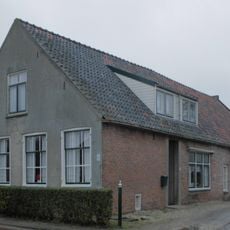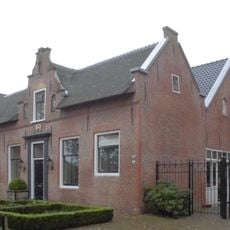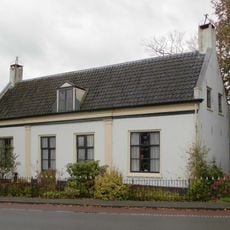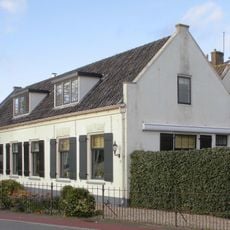
Loosdrecht, Lake district village in North Holland, Netherlands.
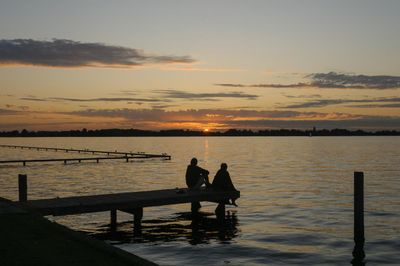
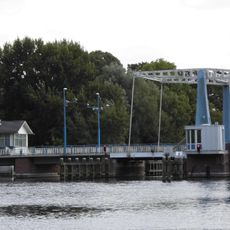
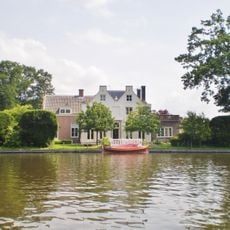
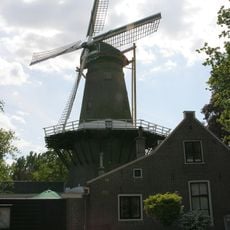
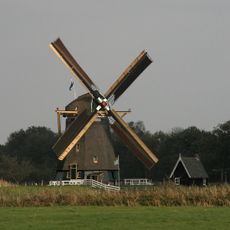
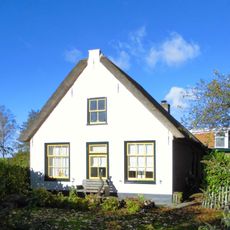
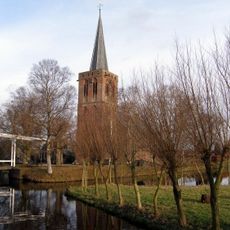
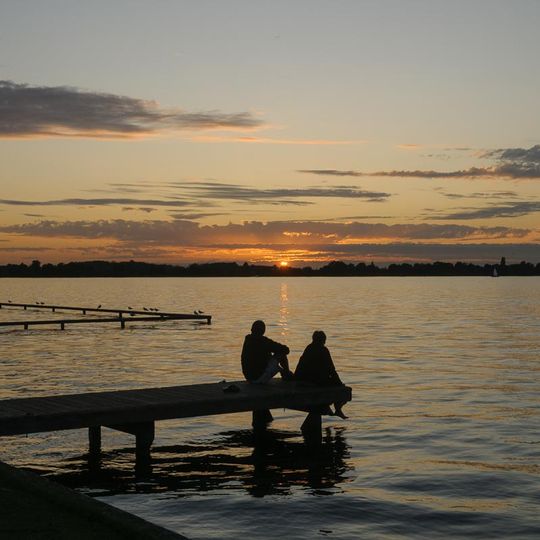
Loosdrecht comprises two main areas, Nieuw-Loosdrecht and Oud-Loosdrecht, surrounded by interconnected lakes and waterways that form the landscape's defining feature. The terrain is flat with water channels running through and around residential neighborhoods and open spaces.
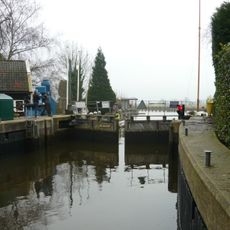
The village developed through drainage projects beginning in the 1600s that transformed wetlands into habitable land and enabled settlements to grow. This water management system shaped local development for centuries afterward.
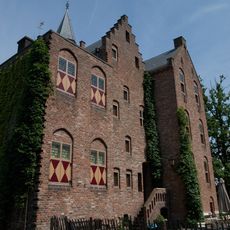
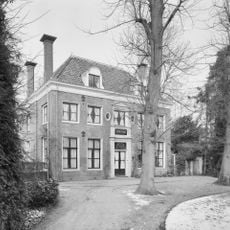
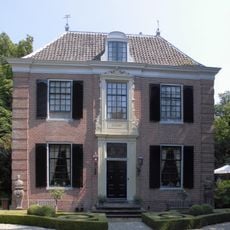
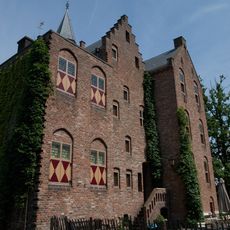
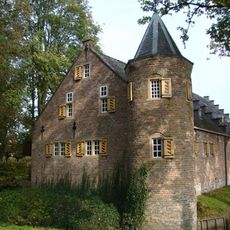
The Sypesteyn Castle Museum displays regional art and maintains formal gardens that reflect how local crafts and design traditions developed over time. Walking through these spaces shows how people with means shaped their homes and surroundings.
The village is easy to explore by bike, with many paths running along the waterfront and connecting different areas of the settlement. Water levels vary with seasons, so visitors may notice changes in access to certain lake areas throughout the year.
The name comes from its past role as a ferry crossing over drainage channels, reflecting the area's deep connection to water management that still shapes daily life. These historic water routes remain essential for understanding how the settlement was built and how people move around today.
The community of curious travelers
AroundUs brings together thousands of curated places, local tips, and hidden gems, enriched daily by 92,779 contributors worldwide.