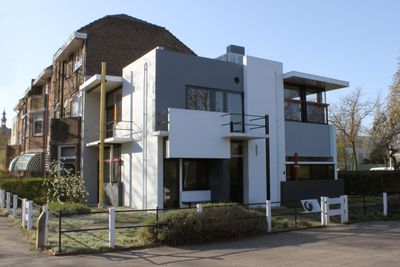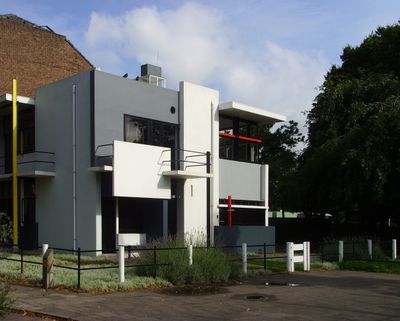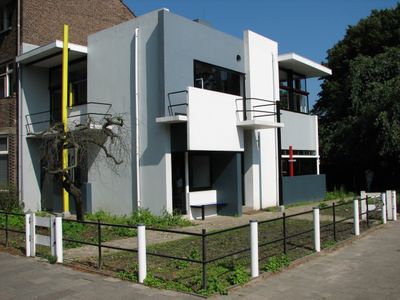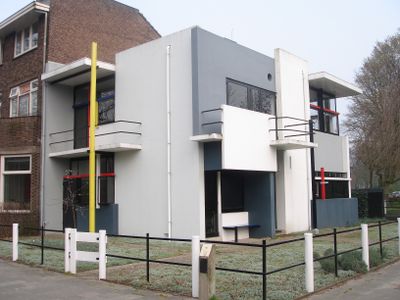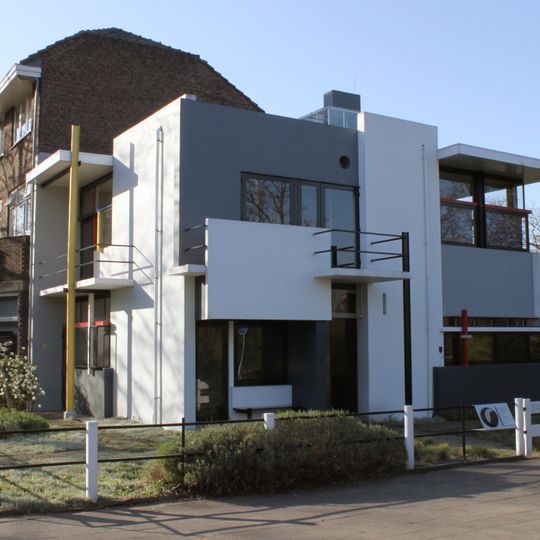
Rietveld Schröder House, De Stijl style house museum in Utrecht, Netherlands
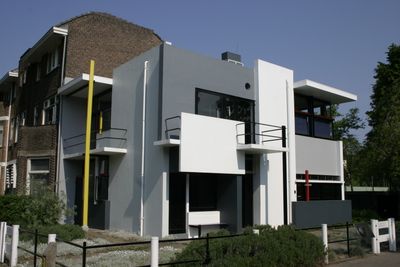
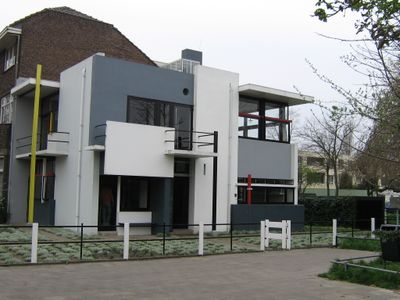
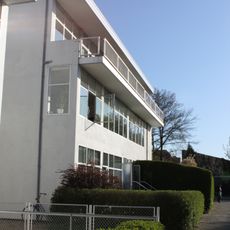
The Rietveld Schröder House is a residence museum in Utrecht that implements modern design principles of the De Stijl movement, featuring geometric forms and primary colors across two floors. Its rooms include sliding walls that create flexible living areas and make the interior completely reconfigurable.
Architect Gerrit Rietveld designed the house in 1924 for Truus Schröder-Schräder, a woman who wanted a modern home reflecting her progressive family ideals. It became a landmark of the De Stijl movement and influenced avant-garde architecture throughout the 20th century.
The house embodies De Stijl principles through its open floor plan, where movable walls allow living spaces to merge and separate based on daily needs. Visitors can see how this flexible arrangement shaped the daily life of a modern family in the 1920s.
Visitors should book their tour in advance since the number of guests is limited and entry is only by guided visit. It makes sense to wear comfortable shoes, as you'll be exploring many stairs and tight spaces.
The upper floor can be completely reshaped by moving partition walls that open up the entire space or divide it into multiple rooms. This system was revolutionary for its time and proved that a home could adapt to a family's changing needs.
Location: Utrecht
Inception: 1924
Architects: Gerrit Rietveld, Truus Schröder-Schräder
Official opening: 1954
Architectural style: De Stijl
Accessibility: Wheelchair limited access
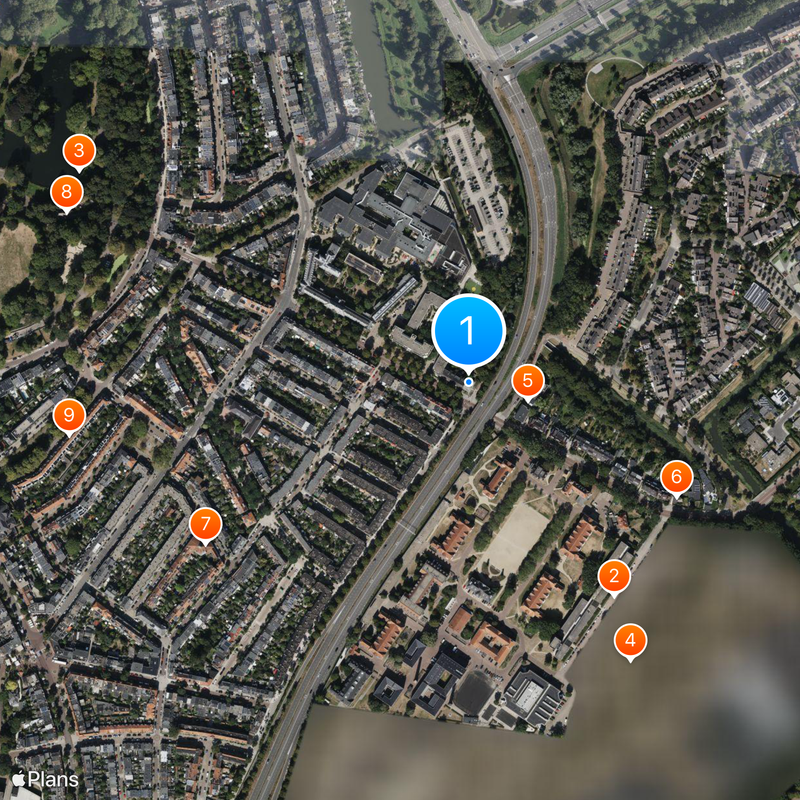
Address: Prins Hendriklaan 50
Opening Hours: Tuesday-Sunday 11:00-17:00
Website: https://rietveldschroderhuis.nl/en
GPS coordinates: 52.08533,5.14760
Latest update: December 6, 2025 16:00
This collection presents significant architectural works from different periods and continents. From medieval cathedrals to contemporary skyscrapers, the selection documents the technical and aesthetic development of building design. The listed buildings were created by influential architects and have shaped the evolution of modern architecture. The list includes religious structures such as Gothic churches and monasteries, public facilities like museums and concert halls, and residential buildings that established new construction standards. Each building demonstrates particular structural solutions or stylistic features that contribute to understanding architectural history. The selection offers insights into various building styles, materials and construction methods.
Kromhoutkazerne
293 m
Wilhelminapark
505 m
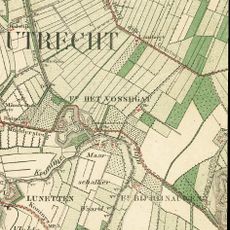
Fort Vossegat
365 m
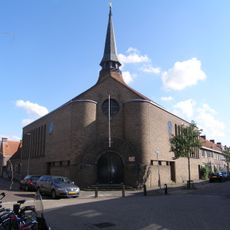
Sint-Aloysiuskerk
560 m
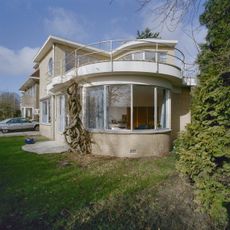
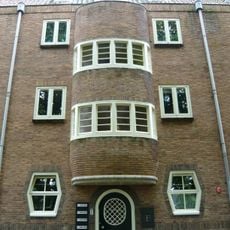
Rietveldwoningen aan de Erasmuslaan
70 m
House "De Waal"
597 m
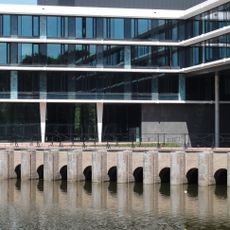
Bridge with the twelve arches
527 m
Wilhelmina of the Netherlands
579 m
Garage with Chauffeur’s Apartment
567 m
Bunker Wilhelminapark
652 m
House architect Sybold Van Ravesteyn
269 m
Wilhelminakerk
351 m
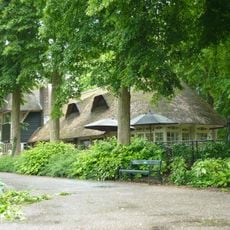
Theehuis Wilhelminapark
497 m
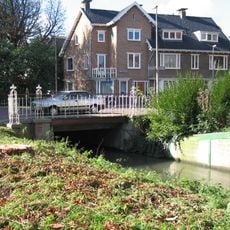
Julianabrug, Utrecht
617 m
Rembrandtkade 52-66
458 m
Colignybrug
425 m
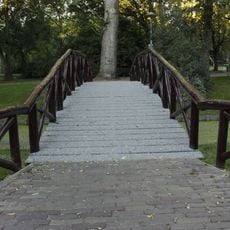
Knuppelbrug
534 m
Erasmuslaan 1-3, Utrecht
68 m
Kromhoutkazerne
293 m
Mecklenburgschool
679 m
Erasmuslaan 5-11, Utrecht
77 m
Wilhelminapark: stadspark
577 m
Gaia
489 m
Wilhelminapark: herdenkingsbank
633 m
St. Aloysiuskerk, vanwege het van oorsprong tweeklaviers orgel
560 m
Luisterend meisje en Jongen met bal
281 m
Jan van Scorel
369 m
Werkende mannen en vrouwen
390 mReviews
Visited this place? Tap the stars to rate it and share your experience / photos with the community! Try now! You can cancel it anytime.
Discover hidden gems everywhere you go!
From secret cafés to breathtaking viewpoints, skip the crowded tourist spots and find places that match your style. Our app makes it easy with voice search, smart filtering, route optimization, and insider tips from travelers worldwide. Download now for the complete mobile experience.
A unique approach to discovering new places❞
— Le Figaro
All the places worth exploring❞
— France Info
A tailor-made excursion in just a few clicks❞
— 20 Minutes