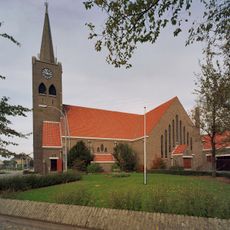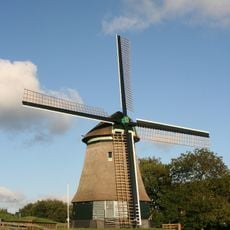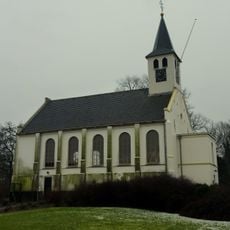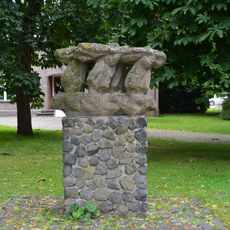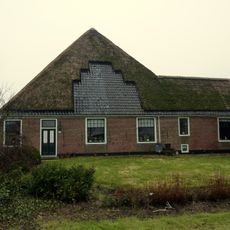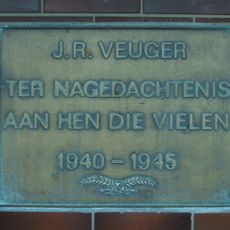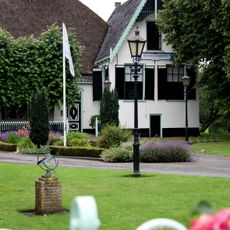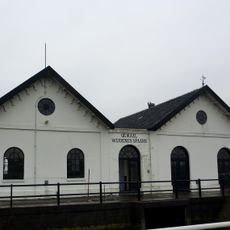
Anna Paulowna, Agricultural village in North Holland, Netherlands.
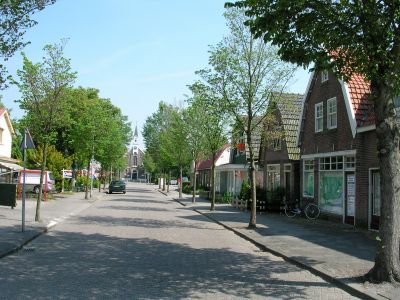
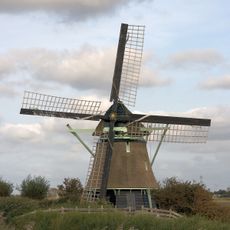
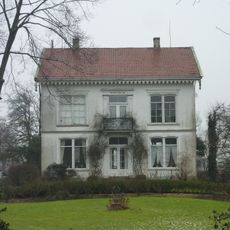
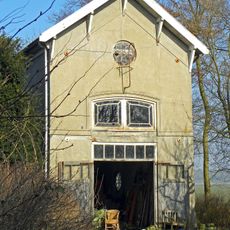
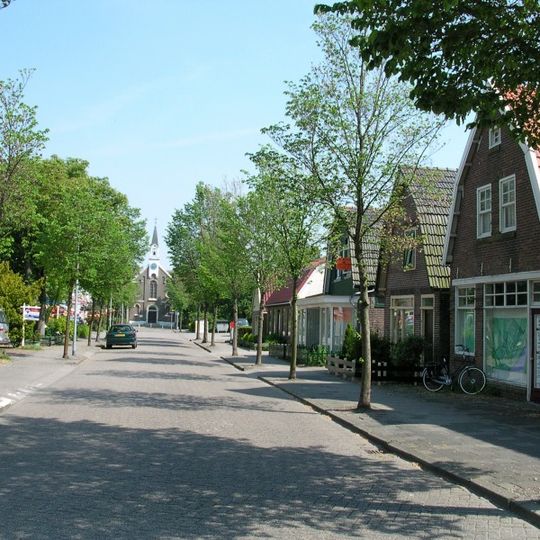
Anna Paulowna is a village in North Holland with farms, residential areas, and canals running throughout the landscape. The settlement sits at sea level and relies on water management systems that are visible everywhere you walk.
The village was created in the 1800s through a land reclamation project that drained wetlands to create farmland. It received its name from a Russian-born member of the Dutch royal family.
The village is deeply rooted in flower farming, particularly tulips and bulbs, which visitors can see growing across the surrounding fields. These agricultural practices shape how the area looks and what people do daily.
The village has a railway station that connects to other Dutch cities, making it accessible by train. The flat terrain and network of roads make it easy to explore on foot or by bicycle.
The entire village actually sits below sea level and is protected by dikes that keep water out. This constant need to manage water has shaped how the village was built and how it functions.
The community of curious travelers
AroundUs brings together thousands of curated places, local tips, and hidden gems, enriched daily by 90,853 contributors worldwide.