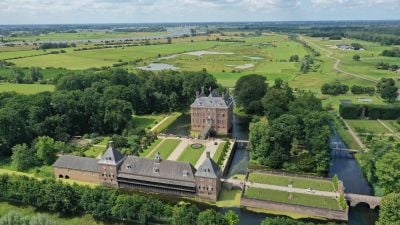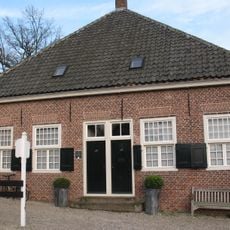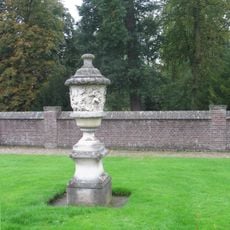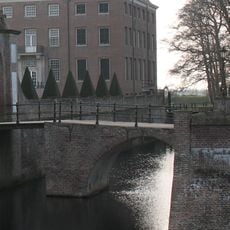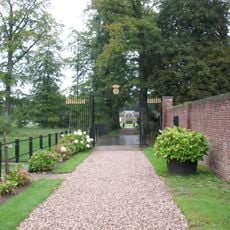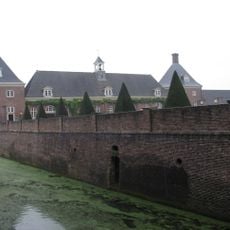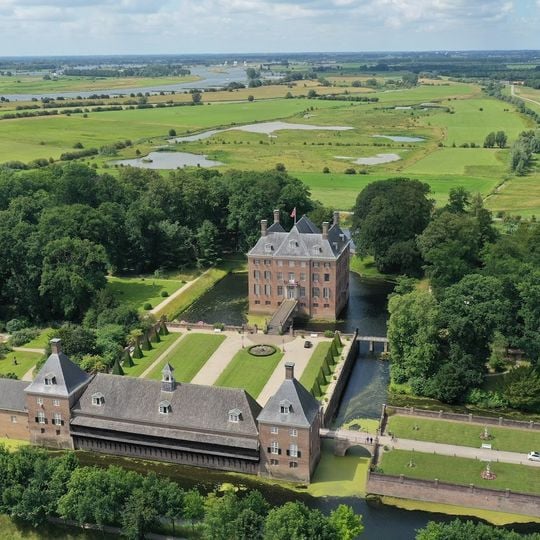
Amerongen Castle, 17th-century castle museum in Utrechtse Heuvelrug, Netherlands
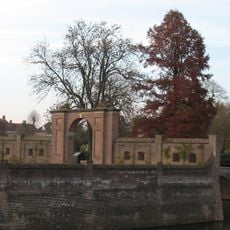
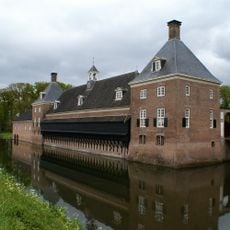
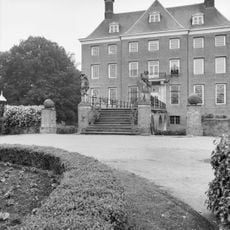
Amerongen Castle is a 17th-century mansion in the Utrechtse Heuvelrug region that now operates as a museum showcasing aristocratic life. The building contains a long gallery, richly furnished rooms with decorated ceilings, and displays of period furniture, paintings, and historical objects from the family collections.
The original structure was destroyed by French forces in 1673, but a widow named Margaretha Turnor commissioned its reconstruction. Architect Maurits Post completed the new building in 1680, creating the castle that visitors see today.
The castle takes its name from a nearby village and served for centuries as a residence for a wealthy family. The rooms display personal belongings and art collections that reflect how the former inhabitants lived and what they valued.
The castle is accessible to visitors on foot and offers rooms across multiple floors that can be explored at a leisurely pace. Plan enough time for a thorough walk through the interior, as there are many details and displays to discover in each space.
In 1918, German Emperor Wilhelm II signed his abdication document at this location before leaving the Netherlands for exile. The actual desk where he signed this pivotal moment in history remains on display for visitors to see.
The community of curious travelers
AroundUs brings together thousands of curated places, local tips, and hidden gems, enriched daily by 90,824 contributors worldwide.