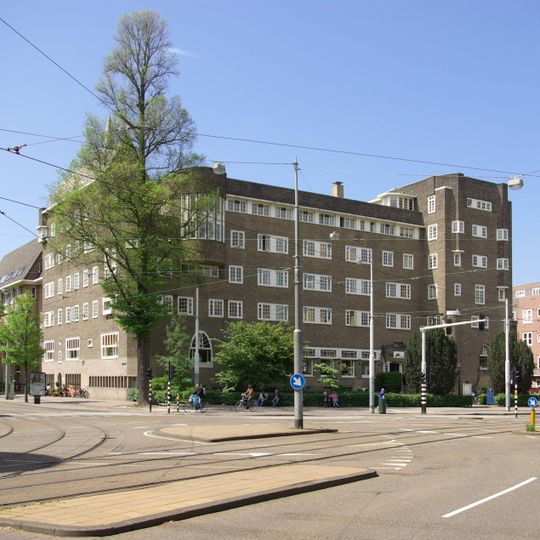
Huize Lydia, Cultural center in Amsterdam, Netherlands
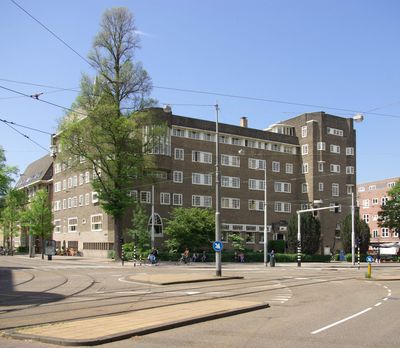
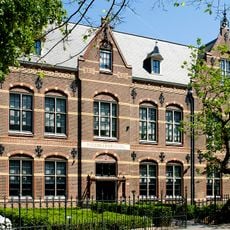
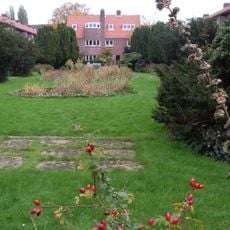
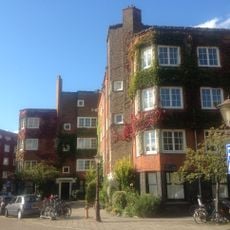
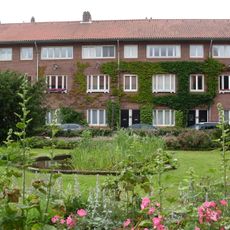
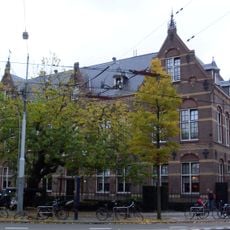
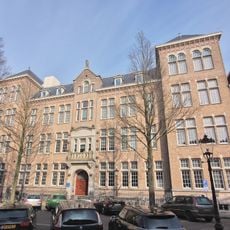
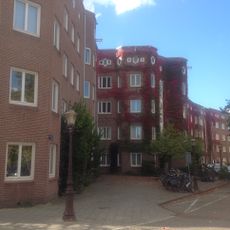
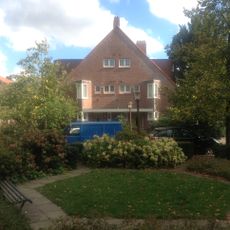
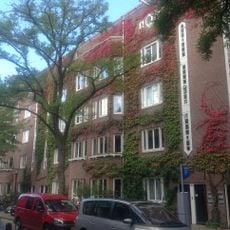
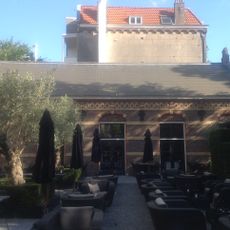
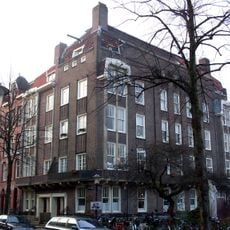
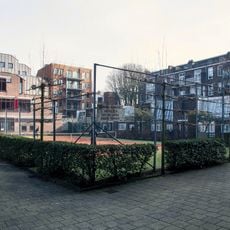
Huize Lydia is a U-shaped concrete structure spanning six to seven stories with black-tiled roofs located in Amsterdam. Its facade features diamond-patterned windows, and a central green courtyard forms the heart of the complex.
Constructed between 1924 and 1927 by architect Jan Boterenbrood, the building initially served as a boarding house for unmarried women and nurses from a nearby hospital. Its creation reflected a period when Amsterdam was modernizing its urban center with new residential solutions.
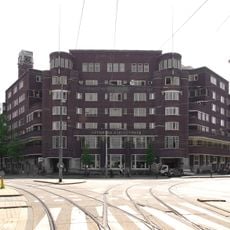
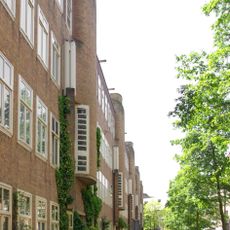
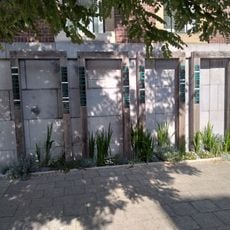
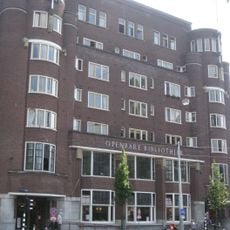
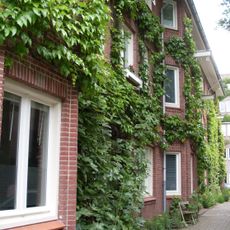
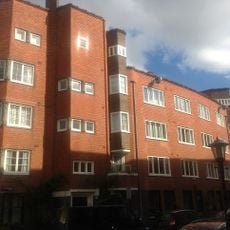
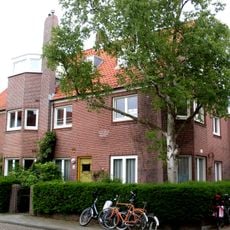
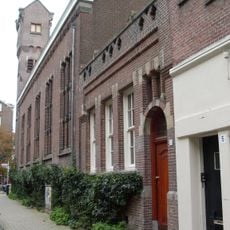
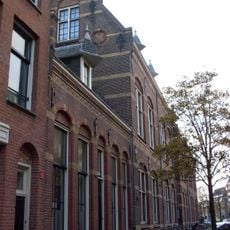
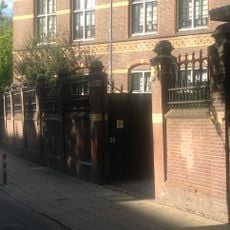
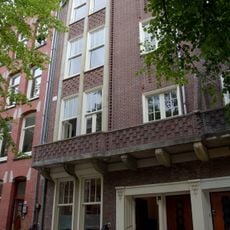
The building displays characteristic Amsterdam School features through its symmetrical facade, decorative brickwork, and distinctive parabolic windows with colored glass inserts. These architectural details shape the appearance of both the courtyard and street-facing sides.
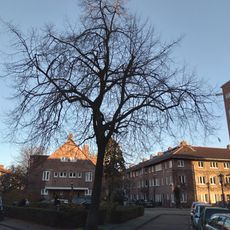
The building is located at the intersection of Roelof Hartplein, Joh M Coenenstraat, and Bronckhorststraat and now houses residential units alongside community spaces. Visitors can explore the exterior architecture and access the central green courtyard area.
The building played an unexpected role during World War II when it provided daily meals to around 120 members of an extremist organization. This episode stands in stark contrast to its original purpose of supporting vulnerable residents.
The community of curious travelers
AroundUs brings together thousands of curated places, local tips, and hidden gems, enriched daily by 92,686 contributors worldwide.