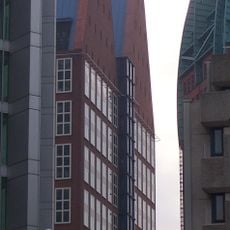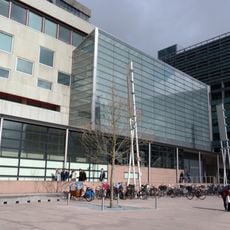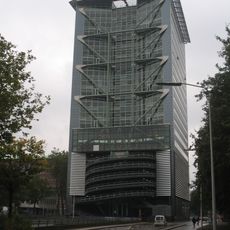
House of Representatives, Lower house of Parliament in The Hague, Netherlands
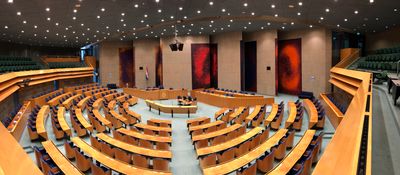
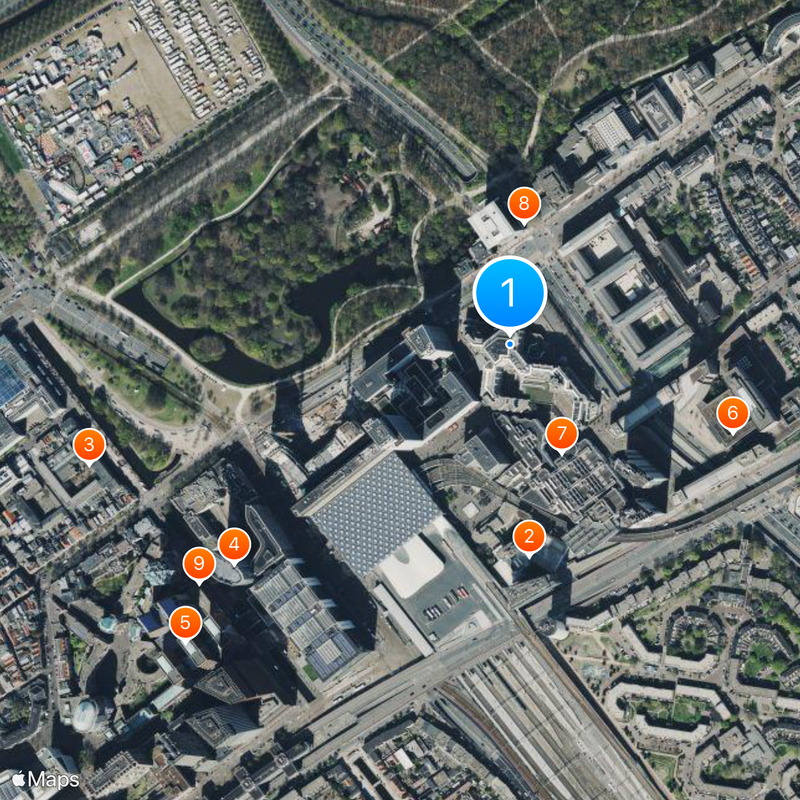
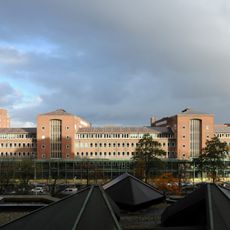
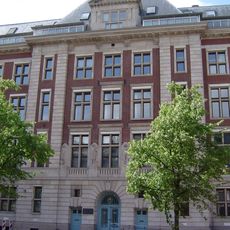
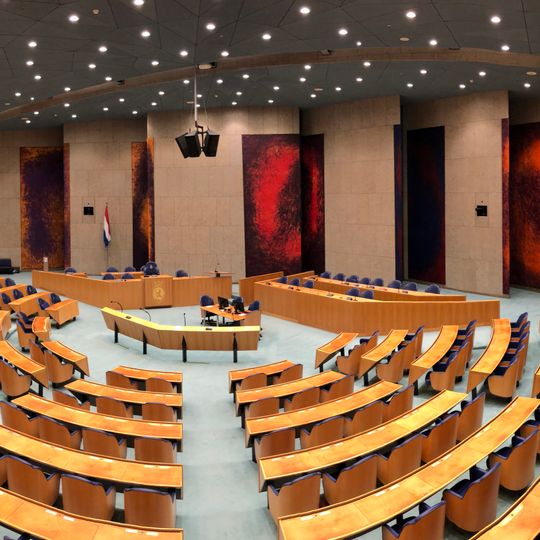
The Tweede Kamer, as this lower house is known in Dutch, gathers 150 elected members in a semicircular chamber within the Tweedekamercomplex building. Members sit facing the government ministers, who occupy a central section of the room where they respond to questions and present policy proposals.
King William I established this chamber in 1815 as part of the new constitutional order following the fall of Napoleon. The introduction of universal suffrage in 1917 transformed how seats were distributed and marked the beginning of the modern multiparty system.
Members wear ordinary business clothing rather than robes or uniforms during sessions, reflecting the accessible style of Dutch governance. Visitors can watch debates from the public gallery and experience firsthand how political decisions unfold.
Guided tours of the building take place on selected days and offer access to the chamber when parliament is not in session. Visitors should expect security checks on debate days, and access to the public gallery may be limited during busy periods.
No single party has won an outright majority since 1917, making coalition negotiations a routine part of forming every government. This dynamic shapes the political landscape and often leads to extended talks after election results are announced.
The community of curious travelers
AroundUs brings together thousands of curated places, local tips, and hidden gems, enriched daily by 90,778 contributors worldwide.