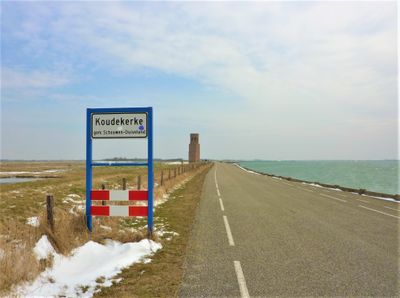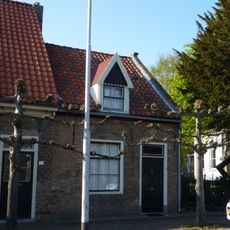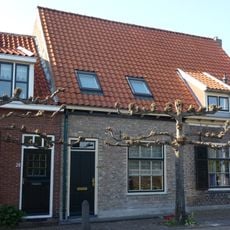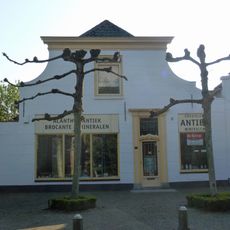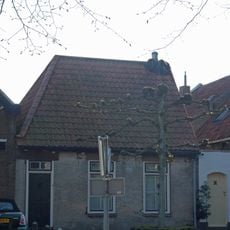
Koudekerke, Rural hamlet in Schouwen-Duiveland, Netherlands
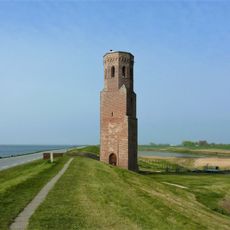
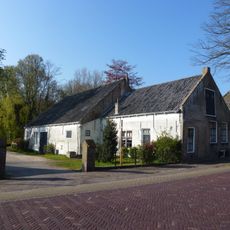
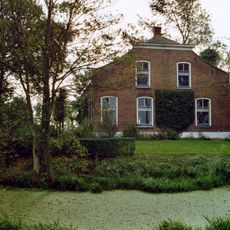
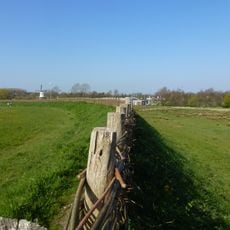
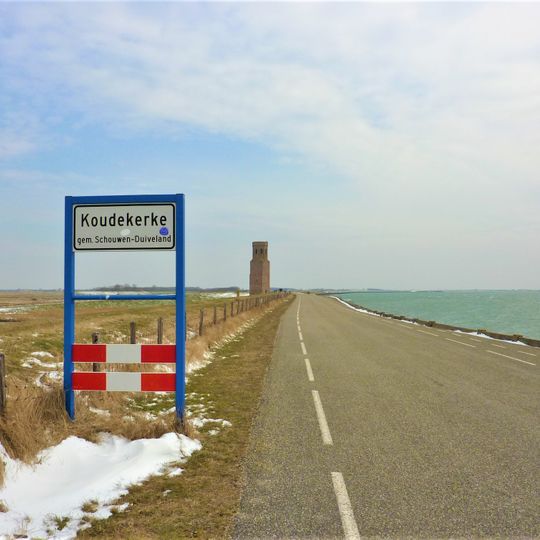
Koudekerke is a hamlet on the island of Schouwen-Duiveland in the Dutch province of Zeeland, sitting among open fields and dune land close to the North Sea coast. The settlement is extremely small, with no permanent residents, and is best known today for the Plompe Tower that stands nearby.
Koudekerke was once a proper village with its own church, but coastal erosion from the Oosterschelde steadily ate away at the land over the centuries. By the 16th century the church had disappeared, and the settlement shrank to the point where it no longer appeared on most maps.
The name Koudekerke means "cold church" in Dutch, a reference to the church that once stood here and gave the settlement its identity. Today, the Plompe Tower is the only visible remnant of that religious past and still draws visitors who walk the surrounding dunes and fields.
The area is best reached by car or bicycle along the rural roads that connect the small towns of Schouwen-Duiveland, with Burgh-Haamstede being the closest larger base. There are no facilities on site, so it is worth coming prepared if you plan to walk the surrounding trails.
The Plompe Tower standing near Koudekerke was originally the church tower of the sunken village, and it later served as a navigation marker for sailors on the Oosterschelde. It now rises out of the dunes with no village around it, which gives it an unusual look that many walkers find unexpected.
The community of curious travelers
AroundUs brings together thousands of curated places, local tips, and hidden gems, enriched daily by 91,616 contributors worldwide.