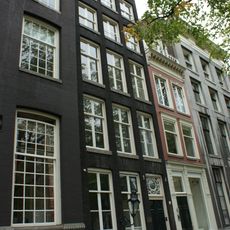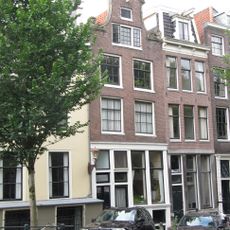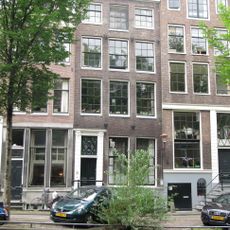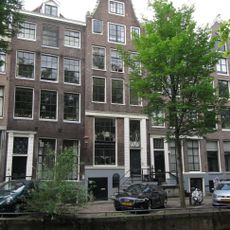
Huis Bartolotti, Renaissance canal house on Herengracht, Netherlands
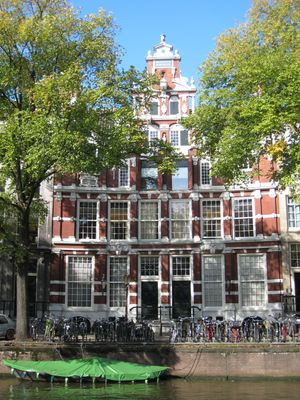
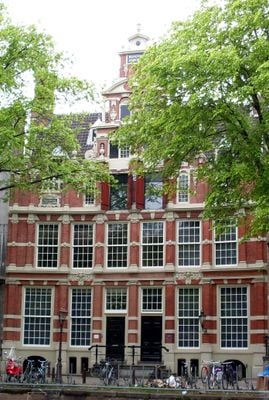
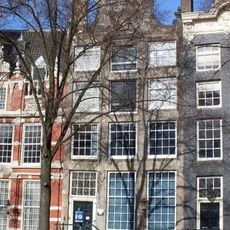
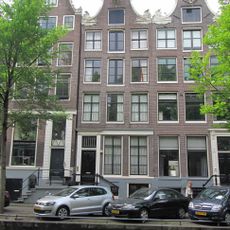
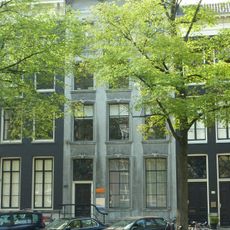
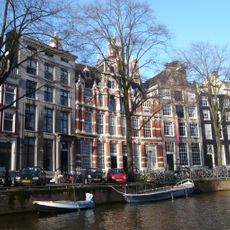
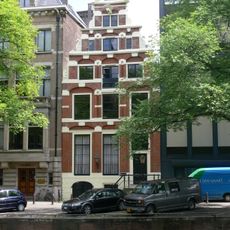
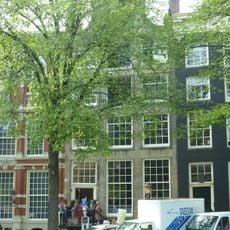
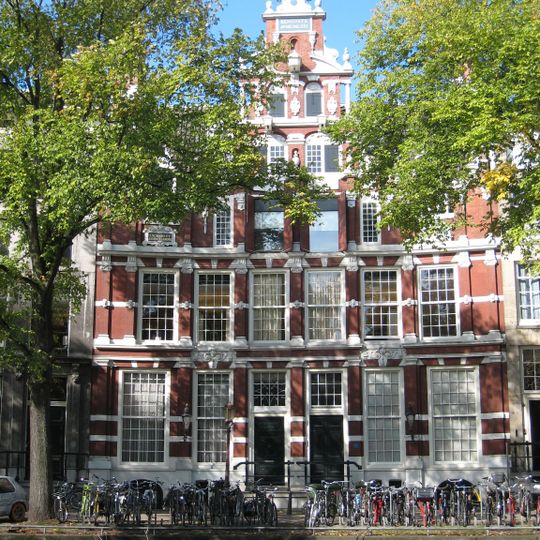
Huis Bartolotti is a 17th-century canal house on the Herengracht in Amsterdam, known for its wide curved facade with a neck-gable, sculpted ornaments across five floors, and two tall corner chimneys. It now belongs to the Rijksmuseum and is open to visitors alongside the adjacent Theatermuseum.
The house was designed by architect Hendrick de Keyser for merchant Willem Bartolotti around 1617 and stands as one of the early examples of Dutch Renaissance style along the canal ring. In the 18th century the interior was redesigned in a rococo manner while the original facade was left largely unchanged.
The house takes its name from its first owner, merchant Willem Bartolotti, though he was born Willem van den Heuvel and adopted the Bartolotti name from his Italian uncle. Visitors today can walk through rooms still furnished with period pieces that show how a prosperous Amsterdam family arranged its daily life.
The house sits on the Herengracht and is easy to reach on foot from most parts of central Amsterdam. The interior has steep staircases and narrow corridors, so comfortable shoes and a slow pace make the visit more manageable.
The house is unusually wide for a canal house of its time because it was built on two adjacent plots, giving it a facade that stands out along a stretch of the Herengracht. It is also considered one of the first buildings in Amsterdam to use a neck-gable, a form that spread widely across the city in the decades that followed.
The community of curious travelers
AroundUs brings together thousands of curated places, local tips, and hidden gems, enriched daily by 91,248 contributors worldwide.