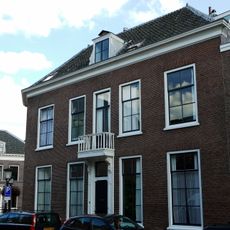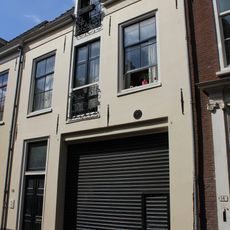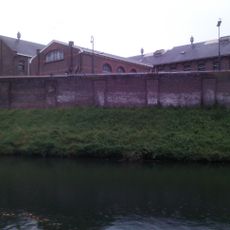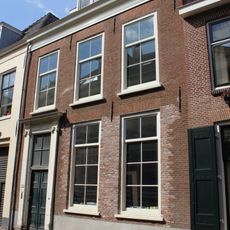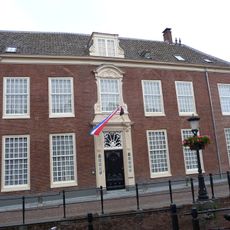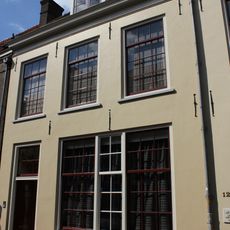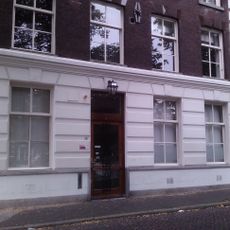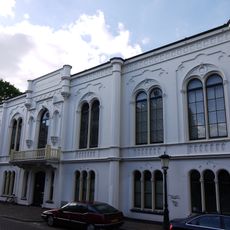
Wolvenburg, Rijksmonument complex in Utrecht, Netherlands
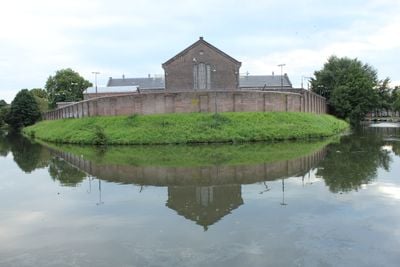
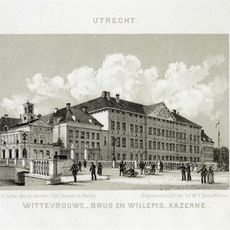
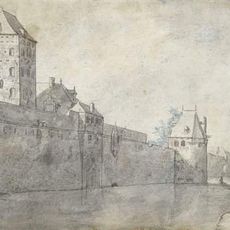
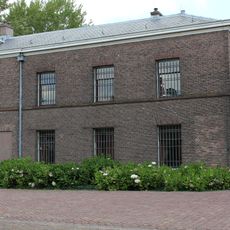
Wolvenburg is a monumental complex in Utrecht designed with a cross-shaped layout where three wings extend from a central hall for maximum surveillance capabilities. Separate sections were maintained for male and female inmates, with cells equipped with running water, artificial lighting, heating systems, and individual sanitary facilities.
Built in 1856 as the Netherlands' first cellular prison, the complex pioneered the Pennsylvania system of solitary confinement aimed at prisoner rehabilitation. This approach to incarceration became influential across Europe as a model for prison reform and humanitarian treatment methods.
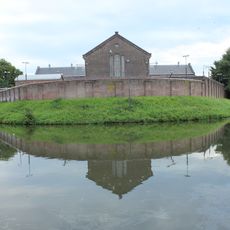
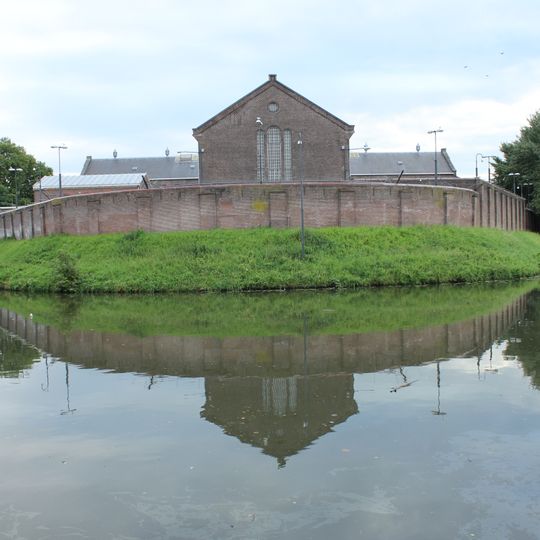
A church building constructed in 1877 by architect J.F. Metzelaar stands at the heart of the complex, reflecting how faith was viewed as a tool for prisoner reformation during that era. The chapel remains a focal point that shows the religious approach to rehabilitation that shaped the facility's operations.
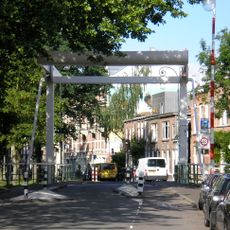
The grounds are best explored on foot, with the cross-shaped structure easy to navigate and all areas on relatively level terrain. Visitors should allow plenty of time to walk through the different wings and examine the historical details of cells and communal areas throughout the complex.
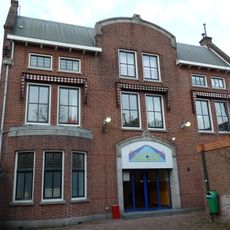
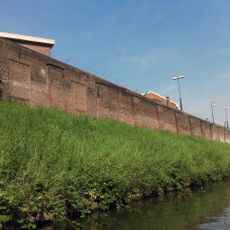
After closing as a prison in 2014, the complex was converted into workspaces for over 120 independent professionals. The historical walls now house offices and creative studios, where the facility's past coexists with contemporary uses.
The community of curious travelers
AroundUs brings together thousands of curated places, local tips, and hidden gems, enriched daily by 90,861 contributors worldwide.