Rode Weeshuis, National heritage orphanage in Groningen, Netherlands
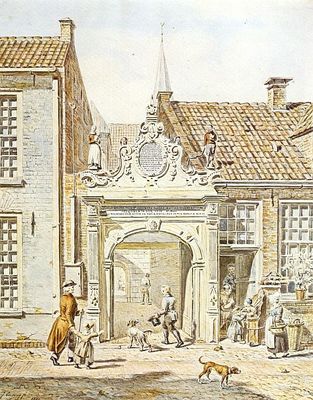
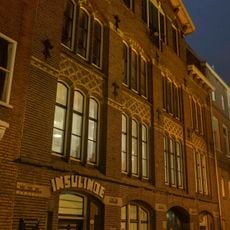
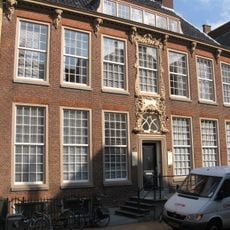
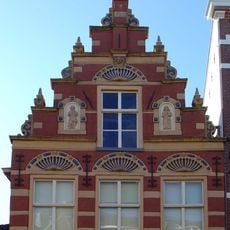
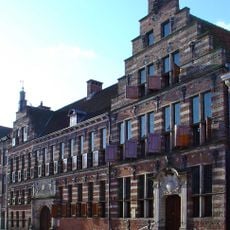
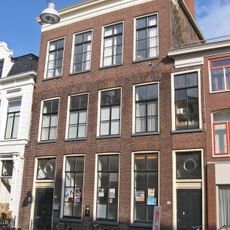
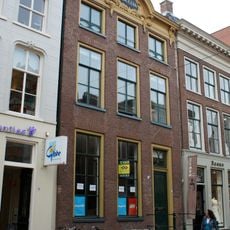
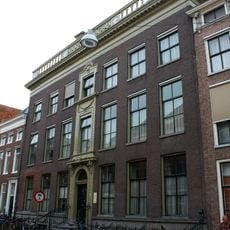
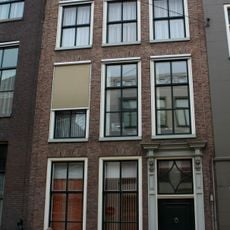
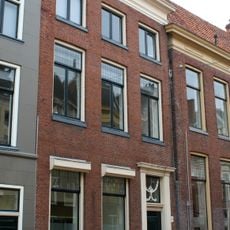
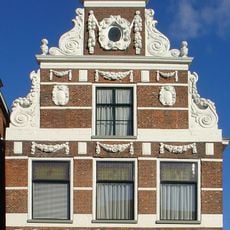
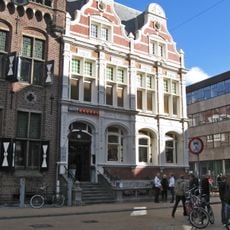
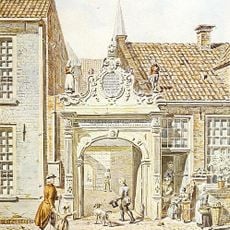
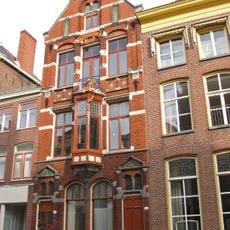
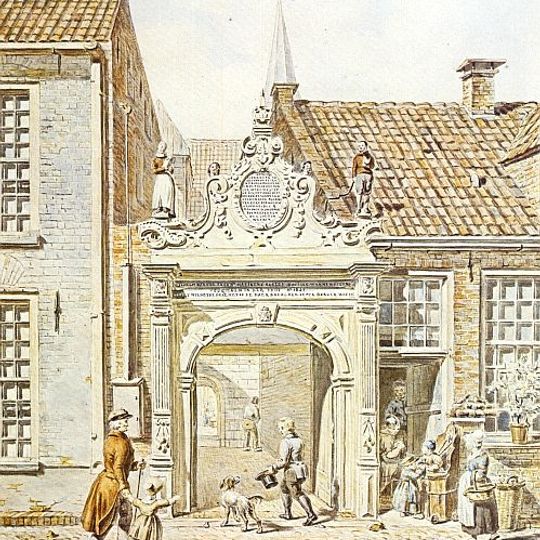
Rode Weeshuis is a former orphanage in Groningen now protected as a national monument and housing 55 senior apartments today. Two sandstone statues depicting an orphan girl and boy stand at the entrance gate, decorated with ornamental scrolls, angels, and an obelisk.
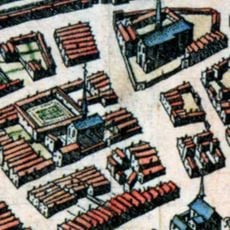
The building was established in 1599 after the Reduction of Groningen, repurposing land from a dissolved convent. It operated as an orphanage for over 360 years before closing in 1961.
The institution became known for dressing its residents in red garments, a distinctive practice that made them instantly recognizable throughout the city. This custom set the place apart from other care institutions of its time.
Visitors should note that mainly external areas and some sections of the southern and eastern wings with historical features are accessible, while most senior apartments remain private. Plan your visit to focus on viewing the facade, entrance statues, and courtyard areas.
Archaeological digs in 1991 uncovered farms from the 5th or 6th century beneath the site, revealing that people have lived on this land for over 1,500 years. The discovery shows multiple layers of occupation spanning from ancient times to the modern orphanage era.
The community of curious travelers
AroundUs brings together thousands of curated places, local tips, and hidden gems, enriched daily by 92,764 contributors worldwide.