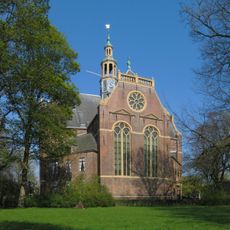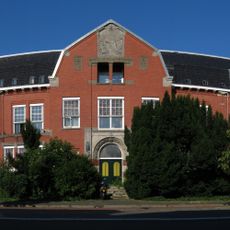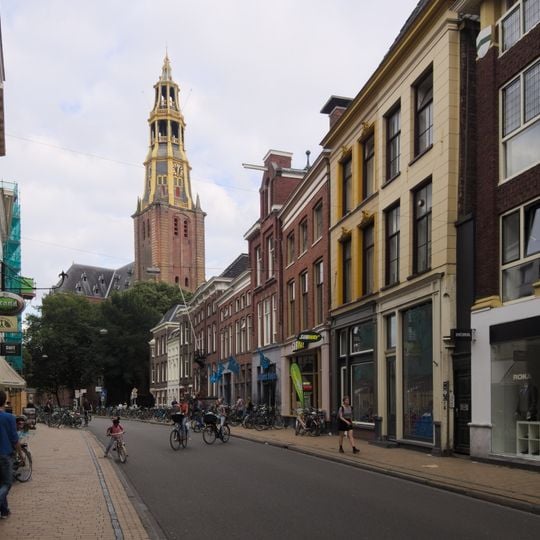
Groningen, Administrative division in northern Netherlands
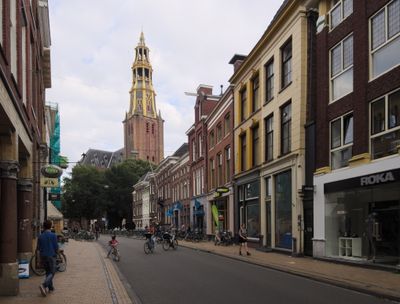
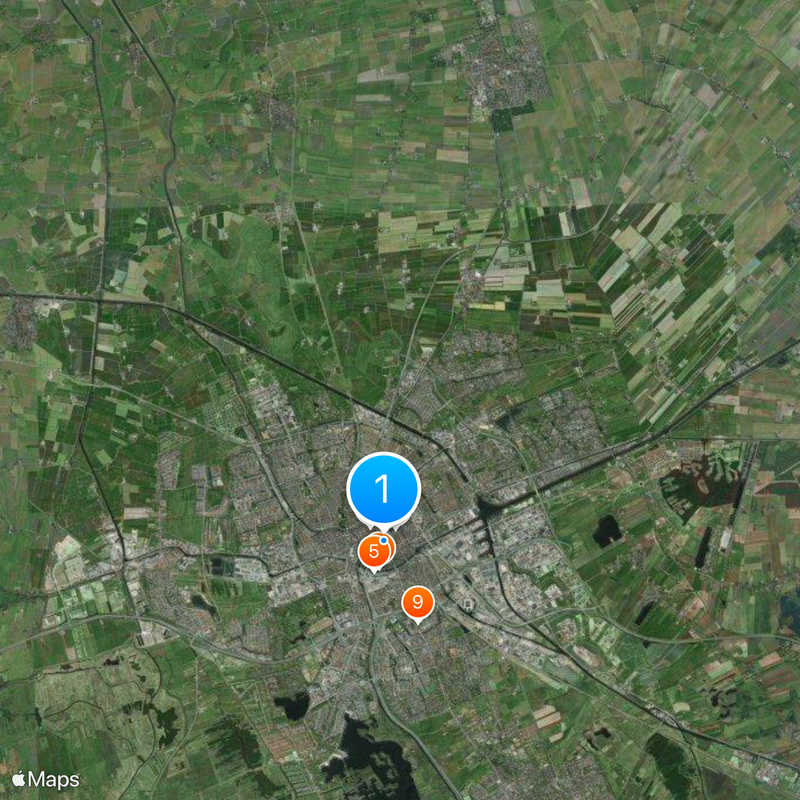
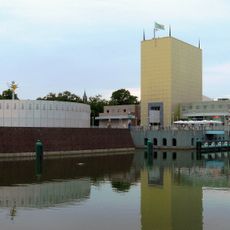
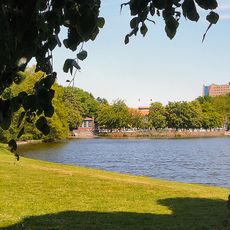
Groningen is a province in the northern Netherlands made up of ten municipalities, bordered by the North Sea coast to the north and Germany to the east. The land is flat and open, crossed by canals and waterways that run between small towns and farming villages.
The region grew from a Frisian trading settlement in the early Middle Ages that became an important commercial hub for the northern coast of Europe. Over the centuries, the city gained more independence from church and noble authority, which shaped the way local governance developed.
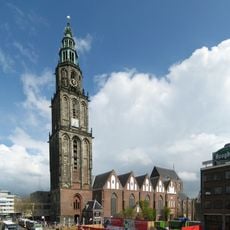
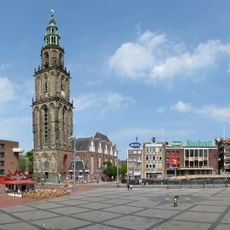
The name Groningen comes from an old settlement known as Gruoninga, which gives the region a sense of deep-rooted identity that locals still feel today. The capital city draws students from across the country, and their presence shapes the rhythm of daily life in the streets and cafes.
A well-developed cycling network reaches almost every village in the province, making it one of the most convenient ways to travel through the flat countryside. Trains connect the main towns and buses cover smaller communities, so getting around without a car is straightforward.
The peatlands in the east of the province serve as a resting stop for migratory birds traveling between Africa and Scandinavia each year. Some of the species that stop here are rarely seen elsewhere in the Netherlands, which makes the area a draw for people who watch birds.
The community of curious travelers
AroundUs brings together thousands of curated places, local tips, and hidden gems, enriched daily by 91,269 contributors worldwide.