Het Kareol, Former estate in Aerdenhout, Netherlands
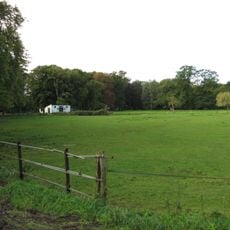
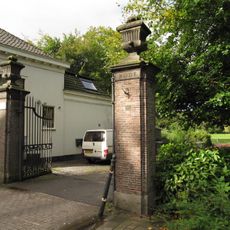
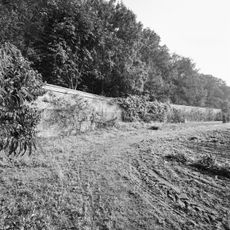
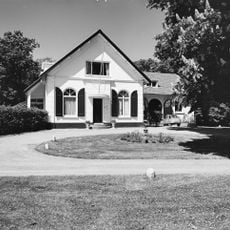
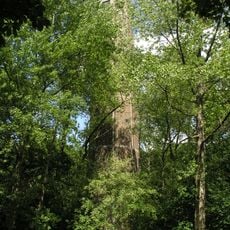
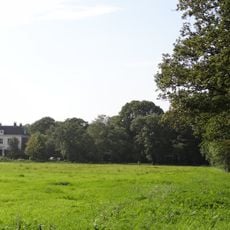
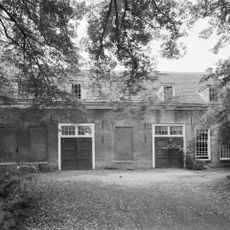
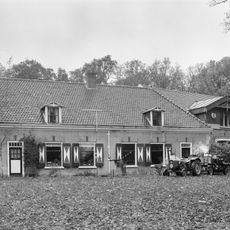
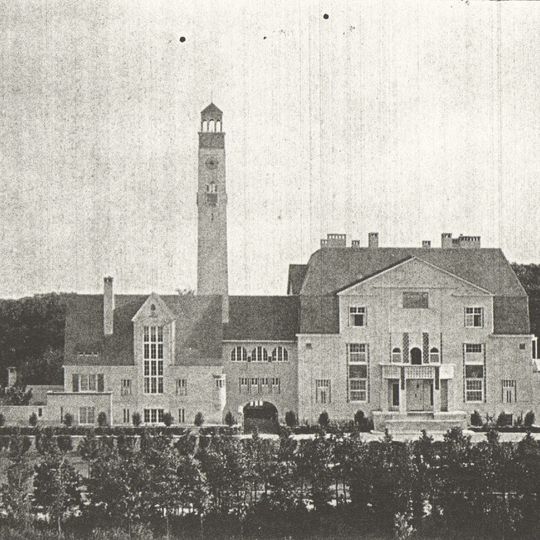
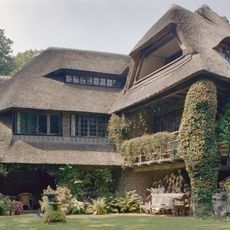
Het Kareol was a substantial residential building constructed between 1908 and 1911, featuring a 32-meter water tower that was visible from nearby train tracks. The main house was demolished in 1979, leaving the historically landscaped grounds with artistic features as the surviving element.
After World War I, the property was converted into a rehabilitation center for Dutch war and resistance victims, continuing this role through World War II. This medical service mission became a defining chapter in the site's history.
German artist Max Laeuger created decorative ceramic tiles throughout the property depicting scenes from Wagner's opera Tristan and Isolde, which remain visible today. These artistic elements shape the character of the surviving grounds.
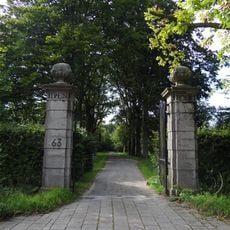
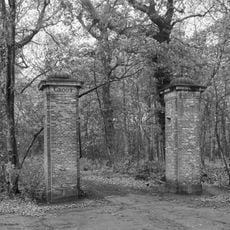
The grounds are accessible to visitors exploring the historical park landscape, though visitor facilities and signage are minimal on-site. Plan for an unhurried walk and check directions beforehand to find the best entry point to the grounds.
The residential building was one of the largest private houses in the Netherlands when completed, employing cutting-edge reinforced concrete construction techniques. This structural innovation made the project exceptional for the early 20th century.
The community of curious travelers
AroundUs brings together thousands of curated places, local tips, and hidden gems, enriched daily by 91,285 contributors worldwide.
![Jachthuisje (Brouwershuisje, voormalige [[schuilkerk]]). Op Koekoeksduin. Zadeldak in topgevels eindigend, hoog souterrain met gewelven, eveneens bovengewelf. 1939 gerestaureerd](https://img5.digsty.com/kfyQcUKi5ckzR8miQnV2jAdY8s06EzXHLttQvDNw8lU/rs:fill:230:230:1/g:fp:0.5:0.5/czM6Ly9hcm91bmR1cy8xNC8xMTg5NDAyNC1lYjVhMjdhZS5qcGc.jpg)