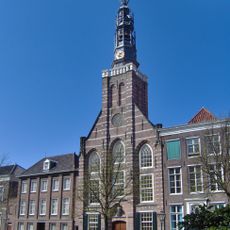
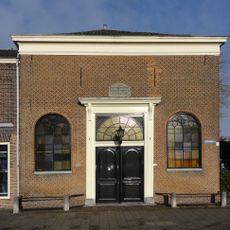
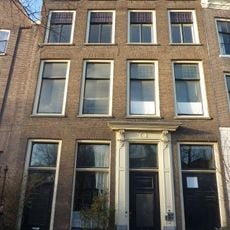
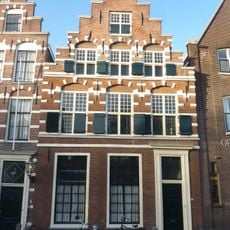
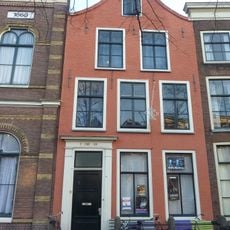
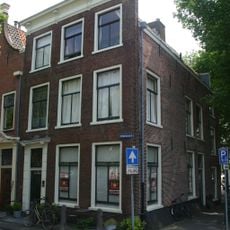
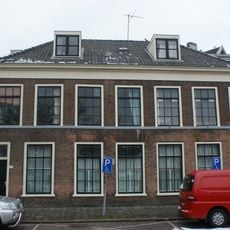
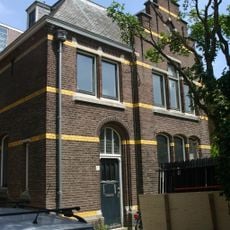
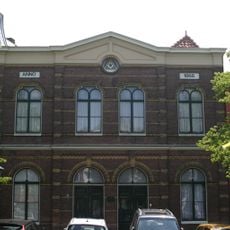
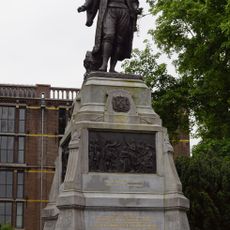
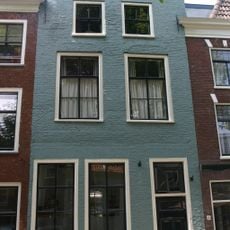
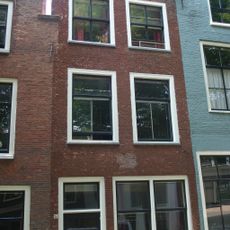
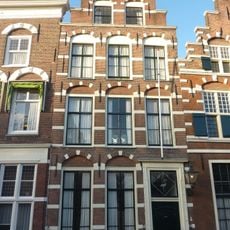
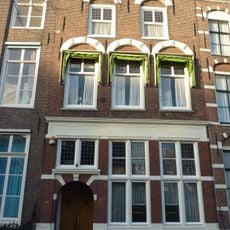
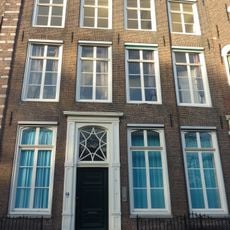
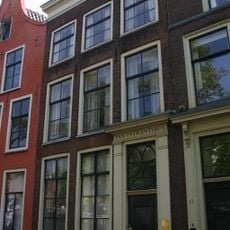
Rijksmuseum van Geologie en Mineralogie, museum in the Netherlands
The Rijksmuseum van Geologie en Mineralogie was a national museum in Leiden dedicated to rocks, minerals, and fossils collected over many years. The exhibition displayed a large collection of these natural objects in cases and cabinets to help visitors learn about Earth's natural history.
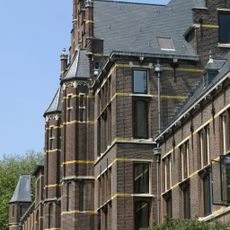
The museum was established in 1878 as an independent entity from the collection of the National Museum of Natural History, which had been affiliated with Leiden University since 1820. It moved to a new building in 1893 and grew throughout the 20th century through expeditions and donations before merging with other institutions to form Naturalis in 1984.
The museum served as a place where scientists and students could examine rocks and fossils to understand Earth's history. Its collections showed how geological sciences developed in the Netherlands and how local discoveries contributed to global understanding of natural history.
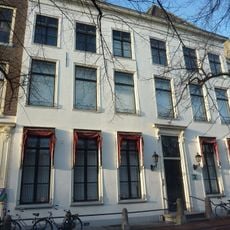
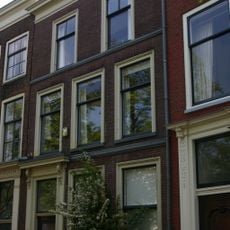
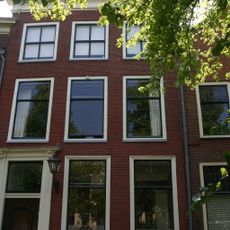
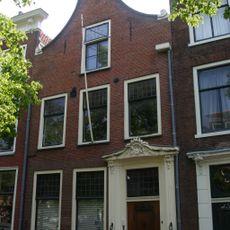
The location is in Leiden and is best reached on foot or by bicycle, as is typical in this Dutch city. Since the museum no longer exists as a separate building today, visitors should explore its history on site or visit the collections in the Naturalis complex.
A geologist named K. Martin led the museum from its start and traveled to places like Aruba, Curaçao, and Surinam to collect rare rock specimens. These expeditions made the collection one of the most diverse in Europe and showed how scientific curiosity shaped the museum's growth.
The community of curious travelers
AroundUs brings together thousands of curated places, local tips, and hidden gems, enriched daily by 92,395 contributors worldwide.