Western Norway, Coastal region in Norway
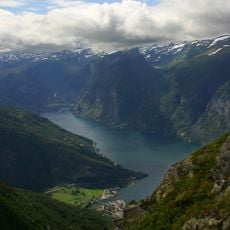
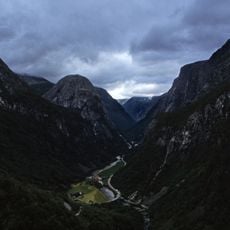
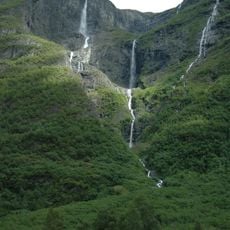
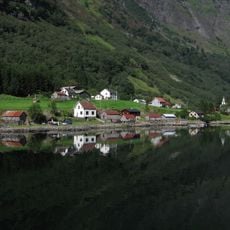
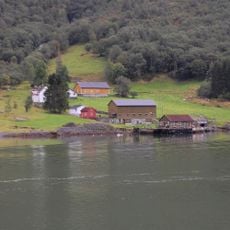
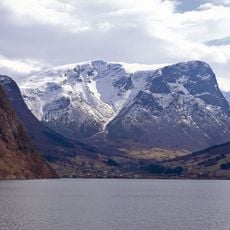
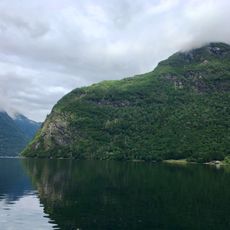
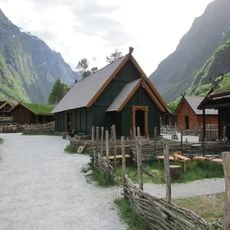
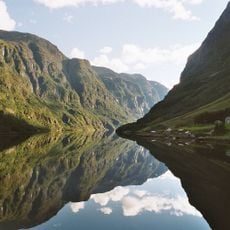
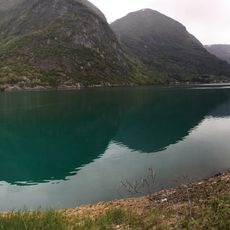
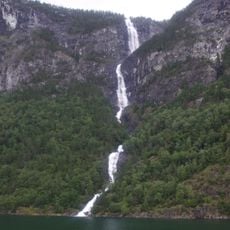
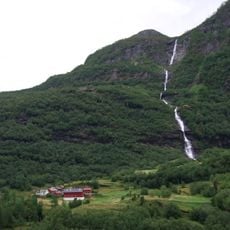
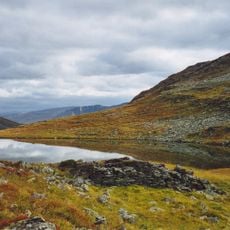
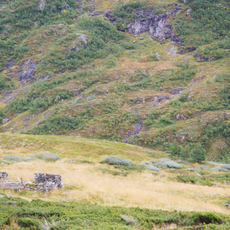
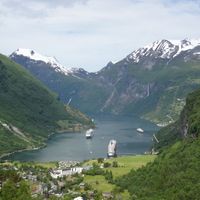
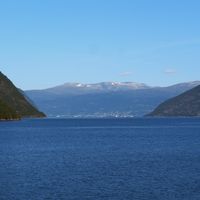
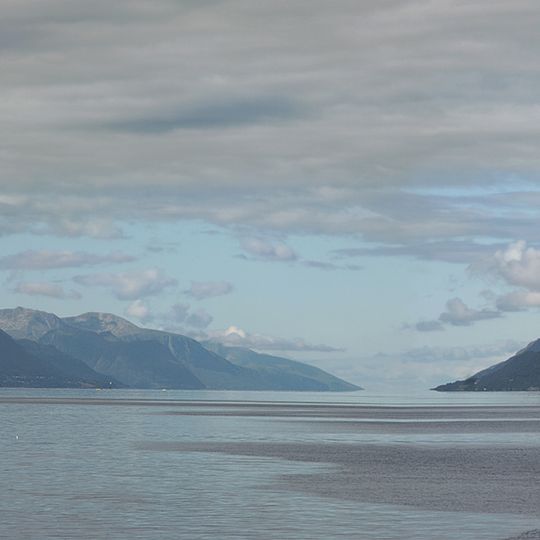
Western Norway is a coastal region along the Atlantic in western Norway, stretching across three administrative counties: Rogaland in the south, Vestland in the middle, and Møre og Romsdal in the north. Deep fjords cut inland between steep mountain slopes, while small islands and skerries scatter offshore.
Vikings from this area sailed west across the Atlantic during the 8th and 9th centuries, founding permanent settlements in Orkney, Shetland, Iceland, and parts of Ireland. Later, trading towns such as Bergen developed into important hubs for dried fish and other goods exchanged between Scandinavia and the rest of Europe.
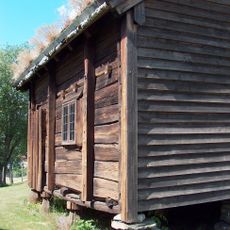
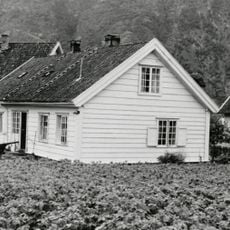
Bergen kept its name from Old Norse "Bjǫrgvin", meaning meadow among the mountains, reflecting how settlers saw the landscape. Today wooden houses painted in traditional colors line the waterfront, showing a building style that dates back centuries.
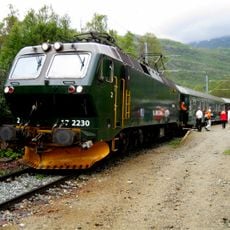
Travelers reach most places using express boats that run along the coast and through the fjords, or buses and trains that cross valleys and mountain passes. The Flåm Railway offers a particularly scenic ride from the highlands down to the fjord edge, linking Oslo with the western coast.
Store Skagastølstind, rising to 2405 meters (7890 feet), forms the highest summit in the region and sits deep within the Hurrungane massif, a mountain cluster that draws mainly climbers. The name means "great peak of Skagastøl", referring to a farm once located far below in the valley.
The community of curious travelers
AroundUs brings together thousands of curated places, local tips, and hidden gems, enriched daily by 92,316 contributors worldwide.