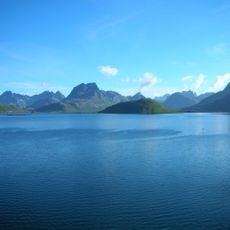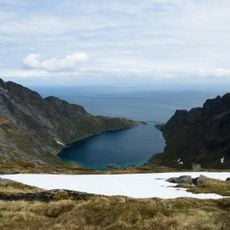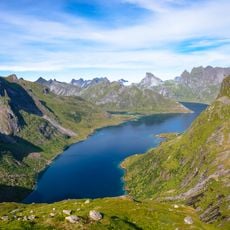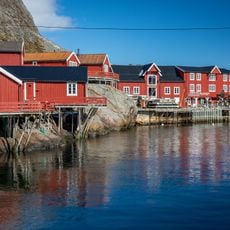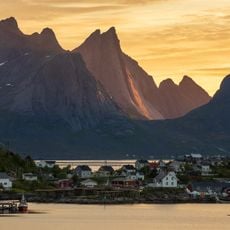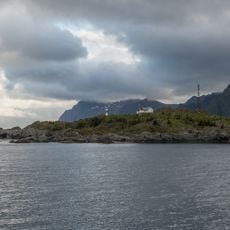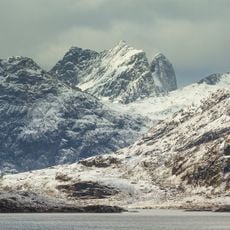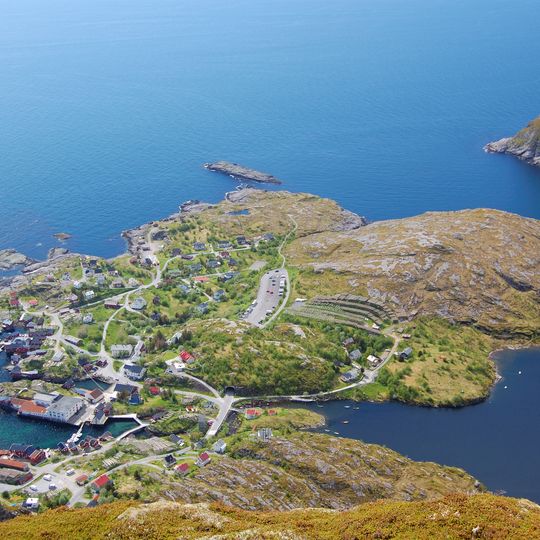
Å, village in Monkenesoya, Norway
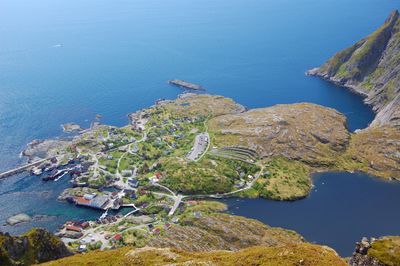
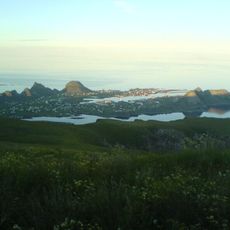
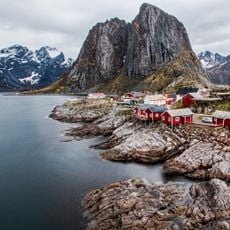
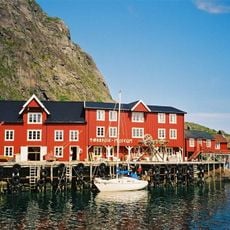
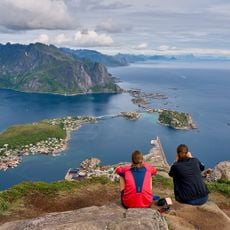
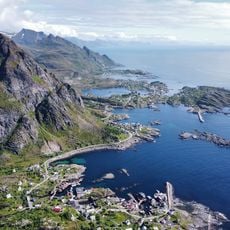
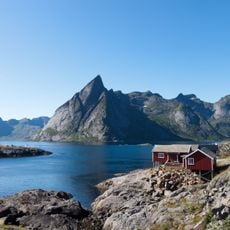
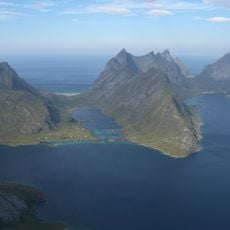
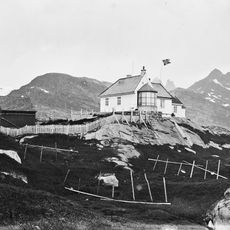
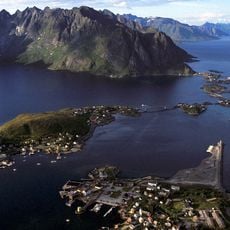
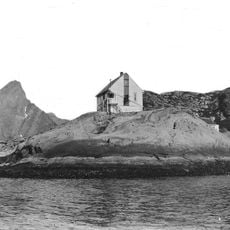
Å is a small fishing village at the southern tip of the Lofoten Islands, marking the end of the E10 road also called the King's Road. The village consists of old wooden buildings, boathouses, a fish oil factory built in 1850, and traditional fishermen's cabins that form a well-preserved settlement from the 1800s.
The village emerged in the early 1800s and became one of the largest fishing settlements in Lofoten, with populations reaching around 500 during the winter season from January through April. The prosperous period declined in the 1960s when fishing moved to other locations, leaving buildings and museums to preserve the former importance.
The name Å comes from the river Åelva that runs through the village, with the word meaning "river" in Old Norse. The settlement reflects how fishing families lived and worked together across generations in this coastal community.
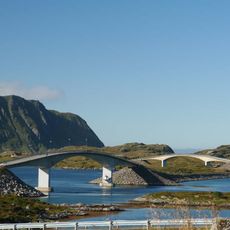
The village is easily accessible by ferry from Bodø to Moskenes or by car along the E10 road. The nearest airport is Leknes, from where bus connections or rental cars can take you to the village.
The King Cod, a special fish with a high forehead, hung from wires in fishermen's cabins and showed humidity changes and possible weather shifts through its position. Another fascinating detail is that every part of the fish was used, including dried heads sold to Africa and tongues considered a delicacy.
The community of curious travelers
AroundUs brings together thousands of curated places, local tips, and hidden gems, enriched daily by 92,640 contributors worldwide.