Myklebustbreen, glacier in Norway
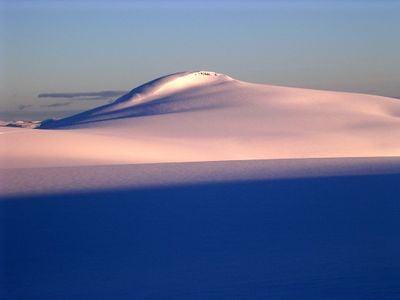
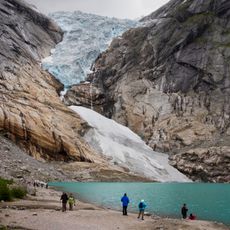
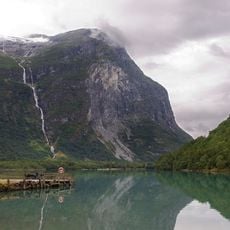
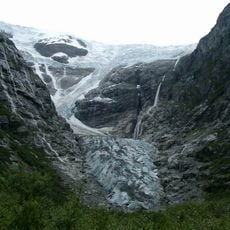
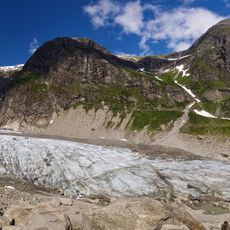
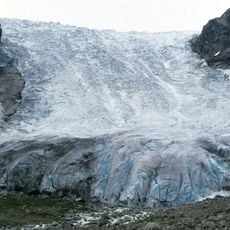
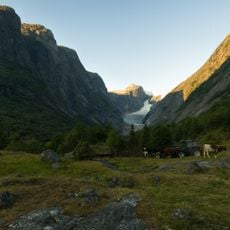
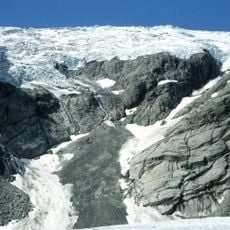
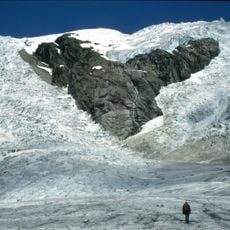
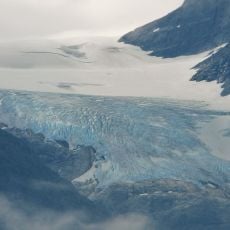
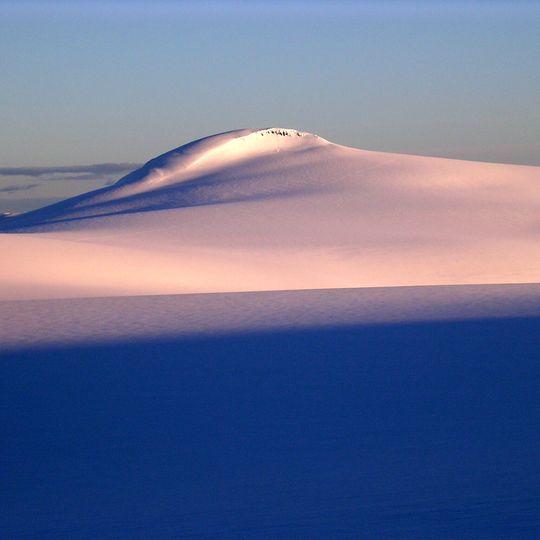
Myklebustbreen is a large glacier in western Norway spanning the borders of Stryn, Gloppen, and Sunnfjord municipalities. Its surface displays patches of snow and ice with deep blue crevasses, while the elevation ranges from roughly 2,900 feet (890 meters) in the lower valleys to just below 6,000 feet (1,827 meters) at its highest point.
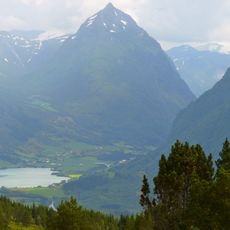
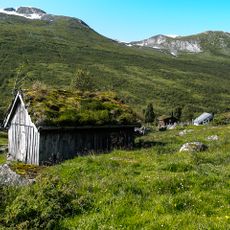
Over thousands of years, the glacier has carved out the surrounding valleys and created the steep slopes that define the landscape today. Its advance and retreat have changed noticeably across generations, influencing how local communities settled and used the land.
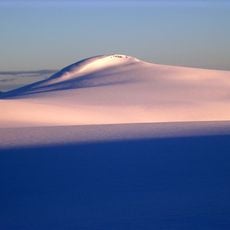
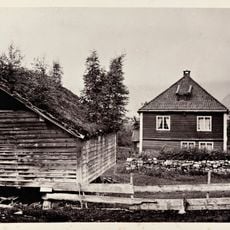
The glacier is named after the mountain Snønipa that sits above it, a connection locals use when referring to the ice. The surrounding communities have long lived alongside this natural feature, viewing it as an integral part of their landscape and way of life.
The best time to visit is from late spring through early summer when snow has melted enough to reveal the ice clearly. Wear warm layers, sturdy hiking boots, and stay on marked paths, as conditions change quickly and the terrain is rugged.
Locals often call the glacier Snønipbreen, directly linking its name to the mountain peak that rises above it. This local naming reflects how residents view the ice as inseparable from their mountainous landscape.
The community of curious travelers
AroundUs brings together thousands of curated places, local tips, and hidden gems, enriched daily by 91,439 contributors worldwide.