San Isidro, municipality of the Philippines in the province of Nueva Ecija
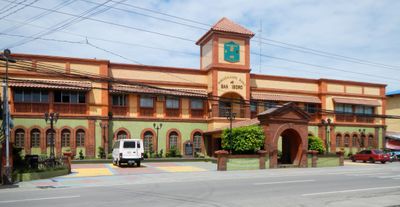
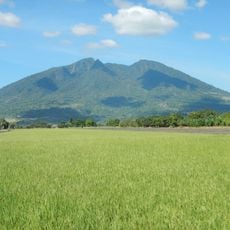
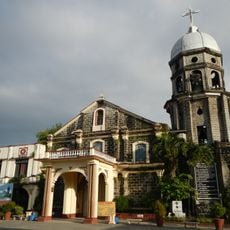
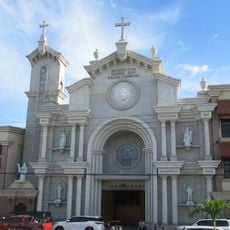
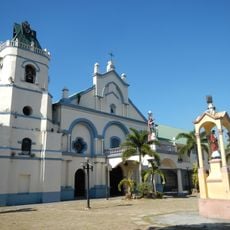
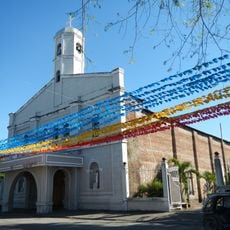
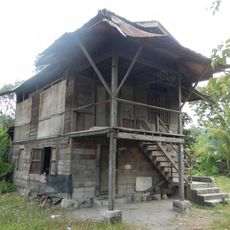
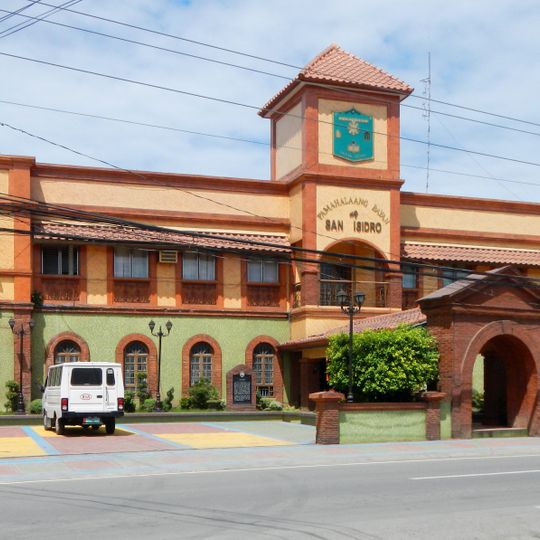
San Isidro is a municipality in Nueva Ecija with flat open land suited for farming, characterized by rice fields and small streams across the landscape. The town comprises nine barangays with simple wooden and bamboo houses, paved roads, and a church built in the 1800s that still stands today.
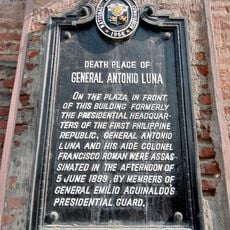
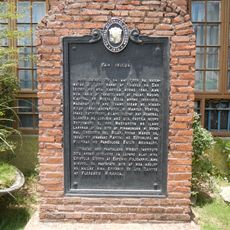
The town was founded in 1840 during Spanish rule and served as the provincial capital from 1852 to 1912. In 1899 Emilio Aguinaldo established it as the Philippines' temporary capital, and it later experienced Japanese occupation during World War II before recovering.
Residents of San Isidro practice Roman Catholic faith and honor their patron saint San Isidro Labrador through processions and prayers during planting and harvest seasons. The town values family bonds and traditional agricultural rituals that shape daily community life and celebrations throughout the year.
The town is easy to navigate using motorized tricycles and small vans, with basic shops and markets in main areas throughout the community. Cabanatuan, the nearest larger city, is about 15 kilometers away and offers more services and transportation options for those needing additional facilities.
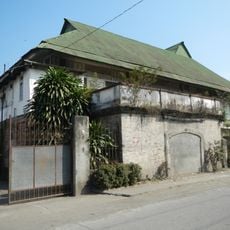
The Sideco House is a large historic building from the 1800s featuring beautiful ironwork and decorated arches that served as Emilio Aguinaldo's office in 1899. The house demonstrates the town's important role in the Philippines' independence movement and remains a recognized historic site.
The community of curious travelers
AroundUs brings together thousands of curated places, local tips, and hidden gems, enriched daily by 92,734 contributors worldwide.