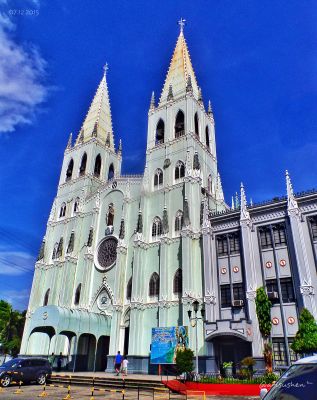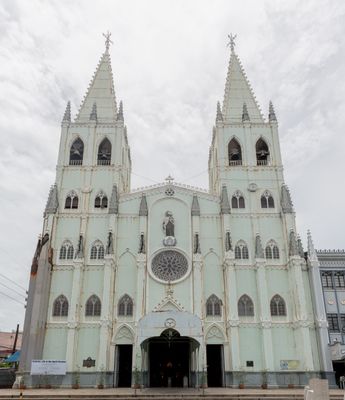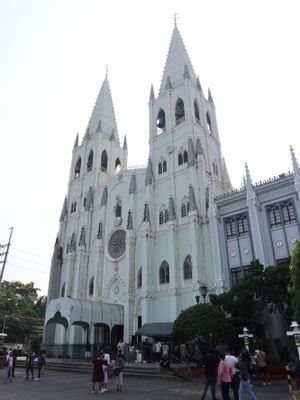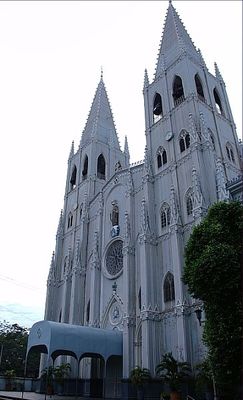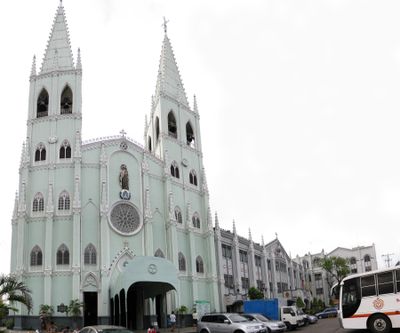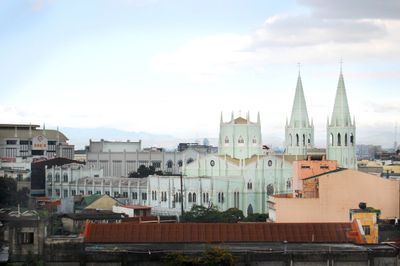
San Sebastian Church, Minor Catholic basilica in Quiapo, Philippines.
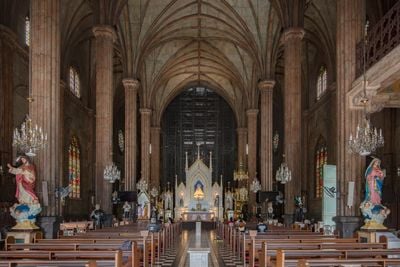
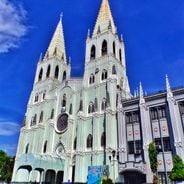
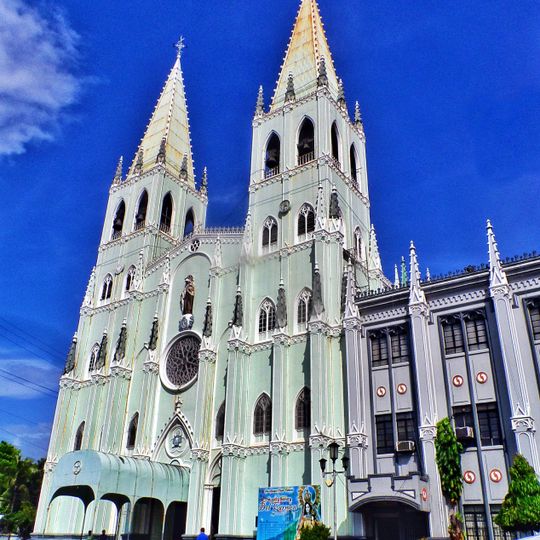
San Sebastian is a minor Catholic basilica in Quiapo, a district of Manila in the Philippines, constructed in the Gothic Revival style. The columns and ceiling elements are made of prefabricated steel onto which artists have painted marble and jasper patterns, making the interior appear as though carved from solid stone.
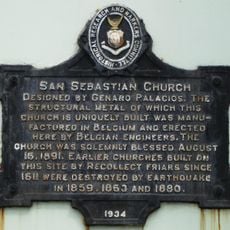
The first wooden churches on this site burned or collapsed from earthquakes several times between 1621 and 1880, leading planners to choose a fireproof metal construction. Belgian workshops manufactured the steel parts in 1890, which were shipped to Manila and assembled the following year.
The name refers to the patron saint Sebastian, a Roman martyr whom the Quiapo community has honored since the 17th century. On weekdays believers kneel between the iron columns for silent prayer, while on Saturdays wedding parties in formal dress wait on the steps outside the church for their entrance.
The basilica can be reached on foot from the eastern end of Recto Avenue, where several city bus lines and jeepneys stop. Mornings between Monday and Friday tend to be quieter inside than weekends, when families and wedding groups arrive.
Every load-bearing part of the church was imported from Belgium and simply assembled on site, making it the only entirely metallic church in the country. No other religious building in the Philippines uses this material in a comparable way for columns, walls, and vaulted structures.
Location: Quiapo
Inception: 1888
Architects: Genaro Palacios y Guerra
Official opening: August 15, 1891
Architectural style: Gothic Revival
Address: Pasaje del Carmen Street
GPS coordinates: 14.59972,120.98889
Latest update: December 5, 2025 22:22
The historical monuments of Manila showcase Spanish colonial architecture and the national history of the Philippines. The city includes 16th-century fortifications like Intramuros and Fort Santiago, Catholic churches such as the neo-Romanesque cathedral and the baroque church of Saint Augustine, urban parks like Rizal Park, and museums depicting local culture. The Chinese district of Binondo and Manila Bay with its seaside promenade complete this architectural heritage.
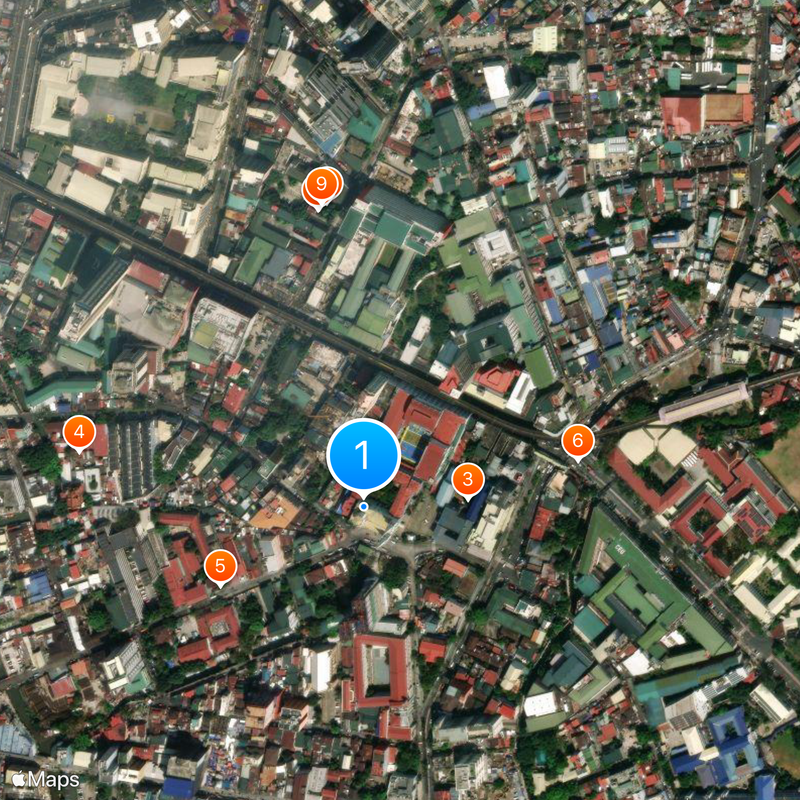
Quiapo Church
561 m
Our Lady of Montserrat Abbey
442 m
Nakpil–Bautista House
471 m
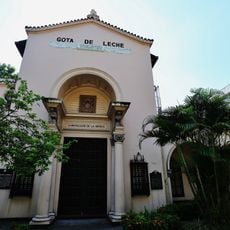
Gota de Leche Building
351 m
Boix House
480 m
Beaterio de Terciarias Agustinas Recoletas
120 m
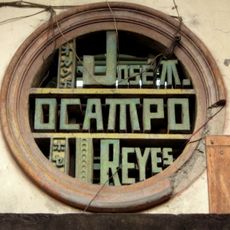
Ocampo Pagoda Mansion
332 m
El Renacimiento historical marker
520 m
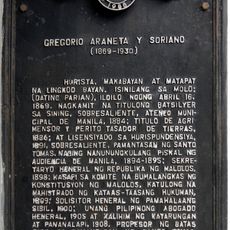
Gregorio Araneta y Soriano historical marker
187 m
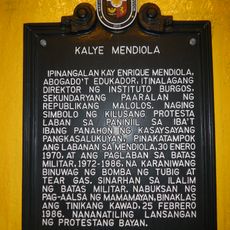
Mendiola Street historical marker
251 m
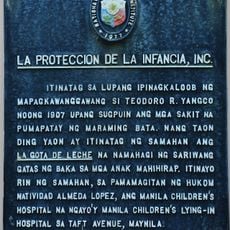
La Proteccion de la Infancia, Inc. historical marker
345 m
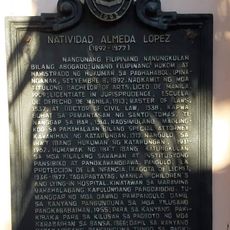
Natividad Almeda Lopez historical marker
344 m
La Consolacion College Manila historical marker
553 m
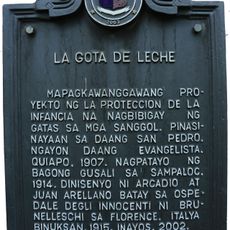
La Gota de Leche historical marker
350 m
The House of the Nakpils and Bautistas historical marker
479 m
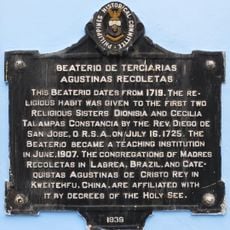
Beaterio de Terciarias Agustinas Recoletas historical marker
90 m
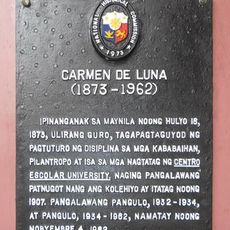
Carmen de Luna historical marker
395 m
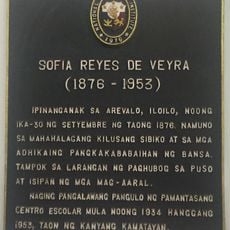
Sofia Reyes de Veyra historical marker
425 m
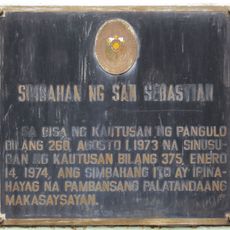
Church of San Sebastian historical marker
43 m
Times Theatre
474 m
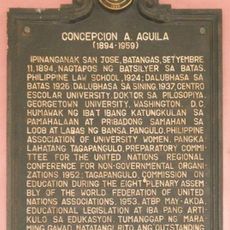
Concepcion A. Aguila historical marker
330 m
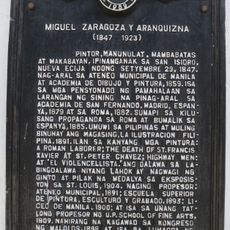
Miguel Zaragoza y Aranquizna historical marker
184 m
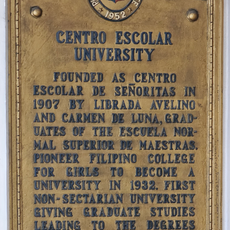
Centro Escolar University historical marker
353 m
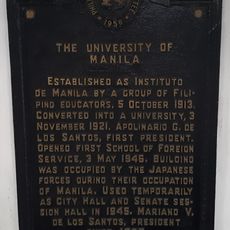
The University of Manila historical marker
423 m
Philippine Pharmaceutical Association historical marker
414 m
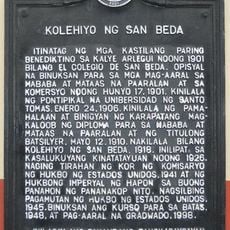
San Beda College historical marker
346 m
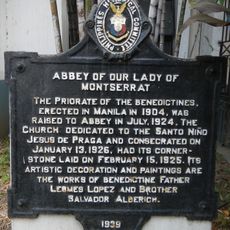
Abbey of Our Lady of Montserrat historical marker
432 m
San Sebastian Church historical marker
48 mReviews
Visited this place? Tap the stars to rate it and share your experience / photos with the community! Try now! You can cancel it anytime.
Discover hidden gems everywhere you go!
From secret cafés to breathtaking viewpoints, skip the crowded tourist spots and find places that match your style. Our app makes it easy with voice search, smart filtering, route optimization, and insider tips from travelers worldwide. Download now for the complete mobile experience.
A unique approach to discovering new places❞
— Le Figaro
All the places worth exploring❞
— France Info
A tailor-made excursion in just a few clicks❞
— 20 Minutes