See the monuments around you in AROpen chests in the app
Around Us is built for your phone — point your camera at the streets and discover the monuments and places around you in augmented reality.Around Us is built for your phone — chests unlock when you walk, explore and capture nearby places.
Latin America is home to many sacred places that are deeply rooted in the traditions and beliefs of the region. These sites blend ancient heritage with later religious influences, telling the story of different cultures that have overlapped over centuries. From old ruins to grand churches, these places offer insights into the spirituality and identity of Latin American peoples.
In the Andes, you will find remarkable remains of ancient civilizations like Tiwanaku in Bolivia and Coricancha in Peru, where the Incas built their cosmological beliefs into stone. Colonial cathedrals such as the Basilica of Guadalupe in Mexico City and the Cathedral of Santiago in Chile show how European powers reshaped religion across the continent, while smaller churches in cities like Quito and Taxco reflect local artists and craftsmanship. Other sanctuaries like the Sanctuary of Las Lajas in Colombia and Cristo de la Concordia in Bolivia stand in striking natural settings, connecting human devotion with their surroundings.
These places are not simply museums but living centers where believers continue their traditions, pilgrims walk, and communities gather to share their faith. Visiting them offers a window into how people in Latin America have expressed their spiritual convictions across different periods and cultures.
Latin America is home to many sacred places that are deeply rooted in the traditions and beliefs of the region. These sites blend ancient heritage with later religious influences, telling the story of different cultures that have overlapped over centuries. From old ruins to grand churches, these places offer insights into the spirituality and identity of Latin American peoples.
In the Andes, you will find remarkable remains of ancient civilizations like Tiwanaku in Bolivia and Coricancha in Peru, where the Incas built their cosmological beliefs into stone. Colonial cathedrals such as the Basilica of Guadalupe in Mexico City and the Cathedral of Santiago in Chile show how European powers reshaped religion across the continent, while smaller churches in cities like Quito and Taxco reflect local artists and craftsmanship. Other sanctuaries like the Sanctuary of Las Lajas in Colombia and Cristo de la Concordia in Bolivia stand in striking natural settings, connecting human devotion with their surroundings.
These places are not simply museums but living centers where believers continue their traditions, pilgrims walk, and communities gather to share their faith. Visiting them offers a window into how people in Latin America have expressed their spiritual convictions across different periods and cultures.
This neo-gothic basilica of Las Lajas stands on a bridge spanning the Guáitara River high in the Andes at about 2900 meters elevation. It draws pilgrims from around the world and has been a center of spiritual devotion for centuries. The sanctuary reflects the deep religious faith that shapes life in this part of Latin America.
The Basilica of Our Lady of Guadalupe is Mexico's most important Catholic shrine and welcomes millions of pilgrims every year. It houses the original image of the Virgin of Guadalupe, a sacred object central to Mexican faith and identity. This sanctuary reflects the deep spiritual traditions and religious beliefs that have shaped Latin American culture for centuries.
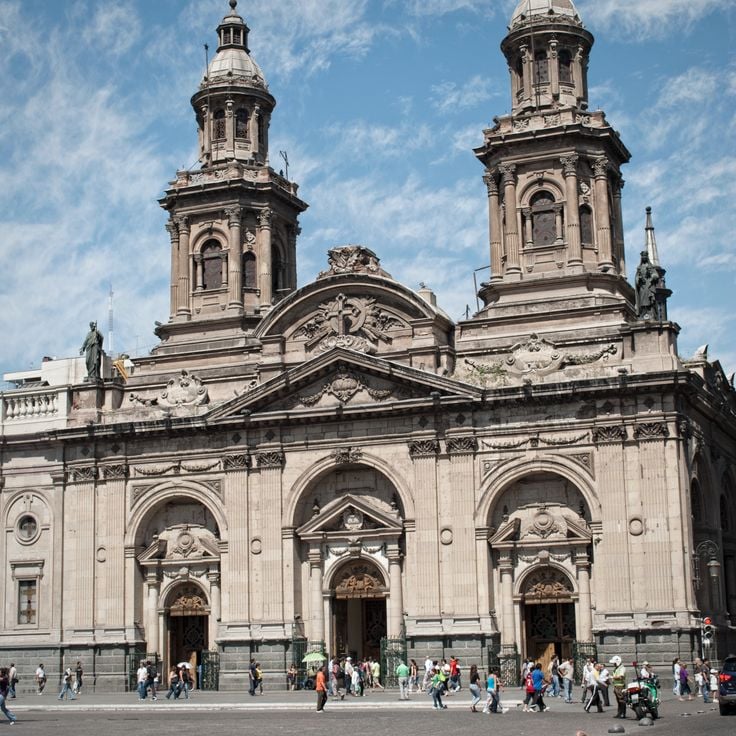
This Roman Catholic church from the 18th century stands at Plaza de Armas in Santiago. The building displays a combination of neoclassical and baroque elements. The Santiago Metropolitan Cathedral holds spiritual significance as a sacred landmark in Latin America and reflects the religious traditions and beliefs of the Chilean people.
The Church of San Francisco in Quito is a sacred landmark that reveals the roots of spirituality in Latin America. This religious complex was built starting in 1537 and combines a church, monastery, and three courtyards. The architecture dates from the colonial period and reflects the faith that shaped this region. Visitors can walk through spaces where generations of believers have gathered.
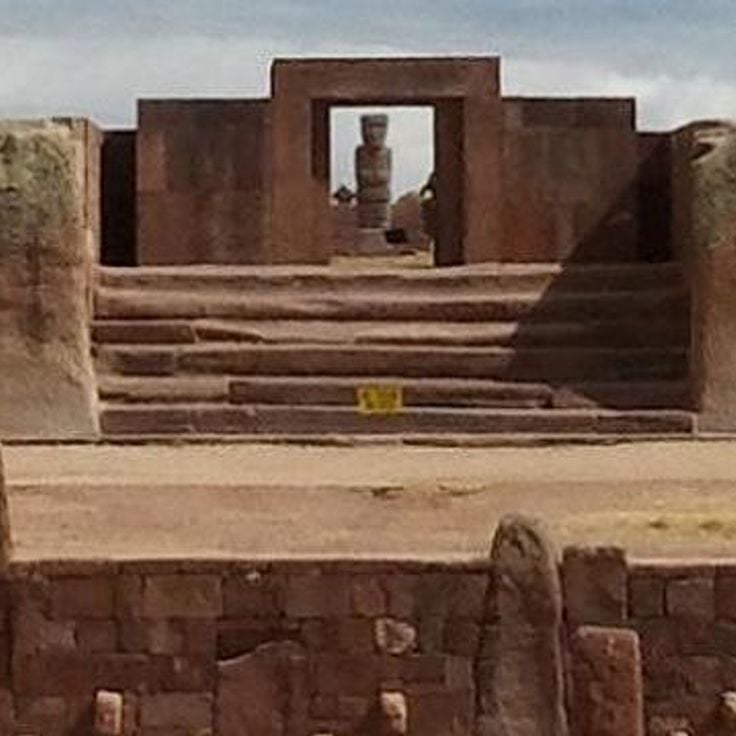
Tiwanaku is an archaeological site from the 5th century that features stone monuments, pyramids and religious structures from Andean civilization. This sacred site in the Andes played an important role in the spiritual and cultural history of the region. The remains offer insight into the traditions and beliefs of the people who lived there.
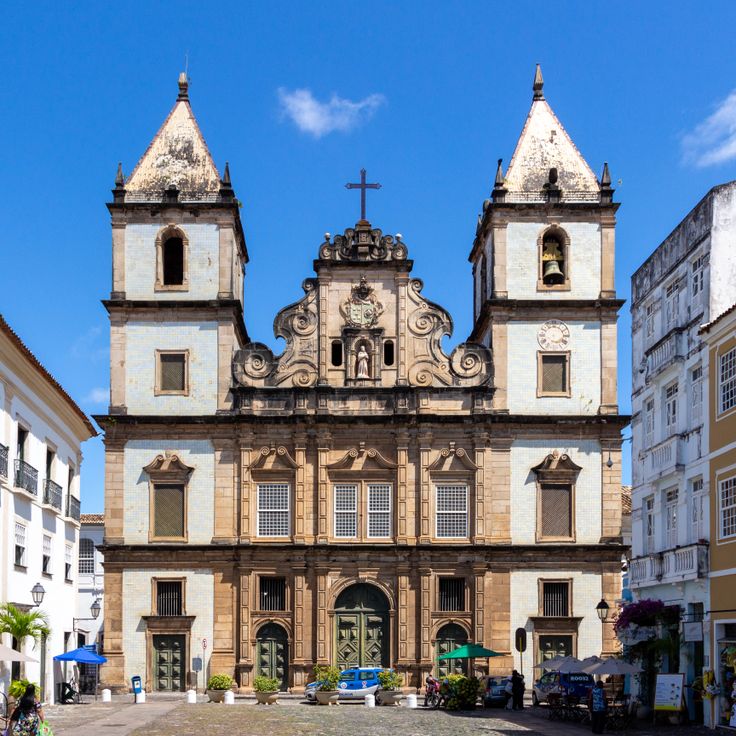
This cathedral basilica in Salvador was built between 1657 and 1672 and features Portuguese Baroque architecture with a facade of sandstone and marble. It is a sacred site in Latin America that holds deep spiritual significance for the local community. The structure provides insight into the religious traditions and cultural beliefs of the region.
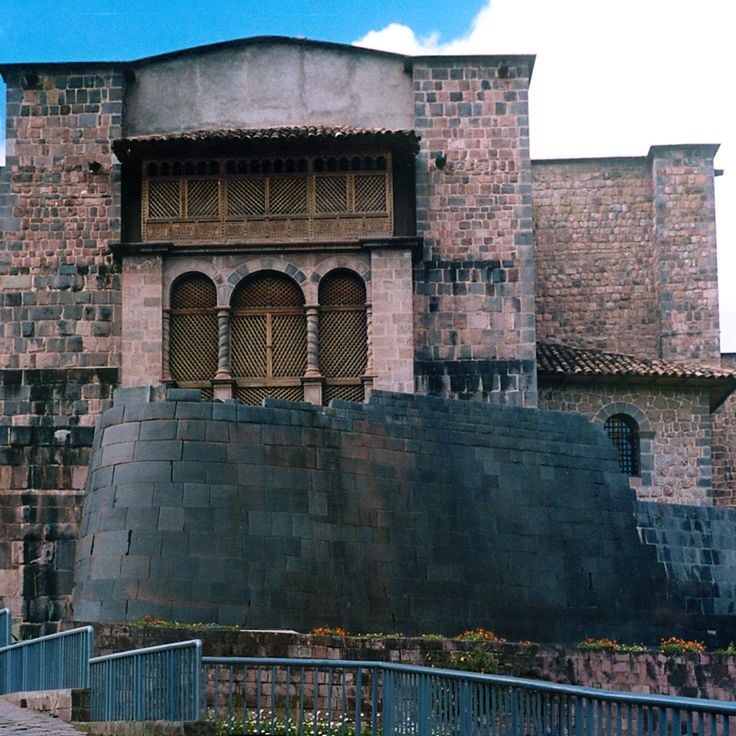
Coricancha was the religious center of the Inca empire and played a central role in the spirituality of this great civilization. The temple contained several shrines, beautiful gardens, and was decorated with gold ornaments. At this location, the Incas observed the stars and sky to understand their religions and calendar. Coricancha shows how important spirituality and astronomy were to the Inca people.
Nuestra Señora de la Altagracia Basilica is a church completed in 1971 that stands out for its concrete architecture, featuring two 80-meter arches. Thousands of pilgrims visit this sacred site each year to pray and seek spiritual guidance. The basilica reflects the deep religious traditions of the Dominican people and serves as a vital pilgrimage destination in Latin America.
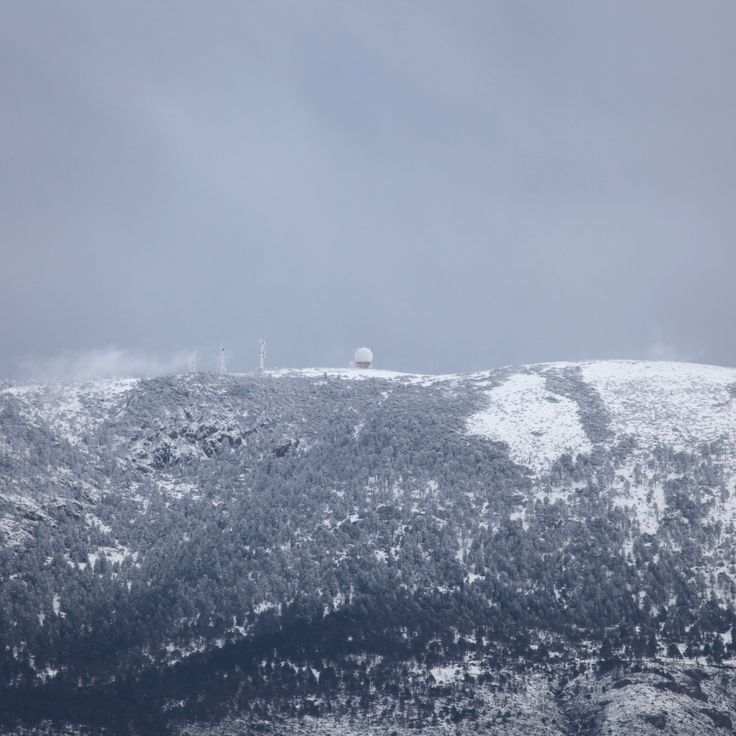
Cerro el Potosi is a mountain in Mexico topped with a white Christ monument that rises above the landscape. The site draws visitors seeking spiritual connection and reflection. A telecommunications tower also stands on the mountain. This landmark blends natural geography with religious devotion and holds significance in the local culture of the region.
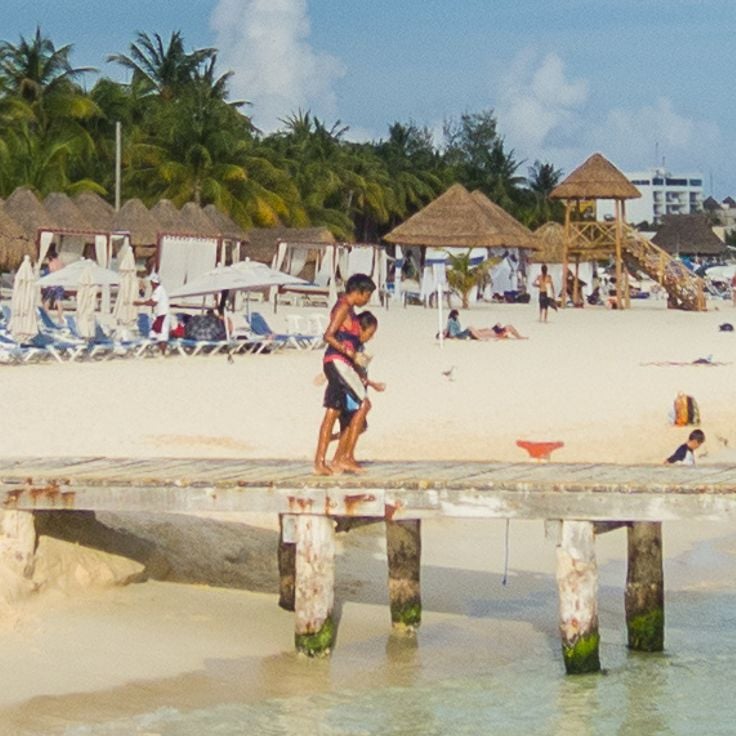
This Caribbean island in Quintana Roo is part of Latin America's sacred sites and combines natural beauty with archaeological history. Isla de las Mujeres has sandy beaches, remains from pre-Columbian times, and a center dedicated to sea turtle protection. The place shows how the people of this region connected their environment with their spiritual traditions.
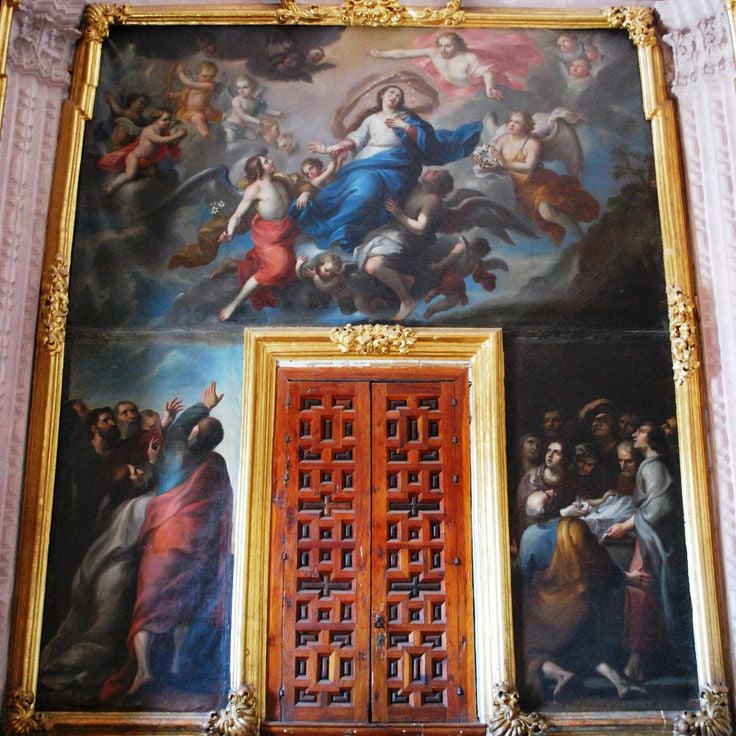
This 18th century church represents the spiritual traditions and beliefs that have shaped Latin America for centuries. Santa Prisca Church features baroque architecture with ornate altars and a facade decorated with detailed stone carvings. The craftsmanship visible in its design reflects the deep religious convictions of the people who built and continue to worship here.
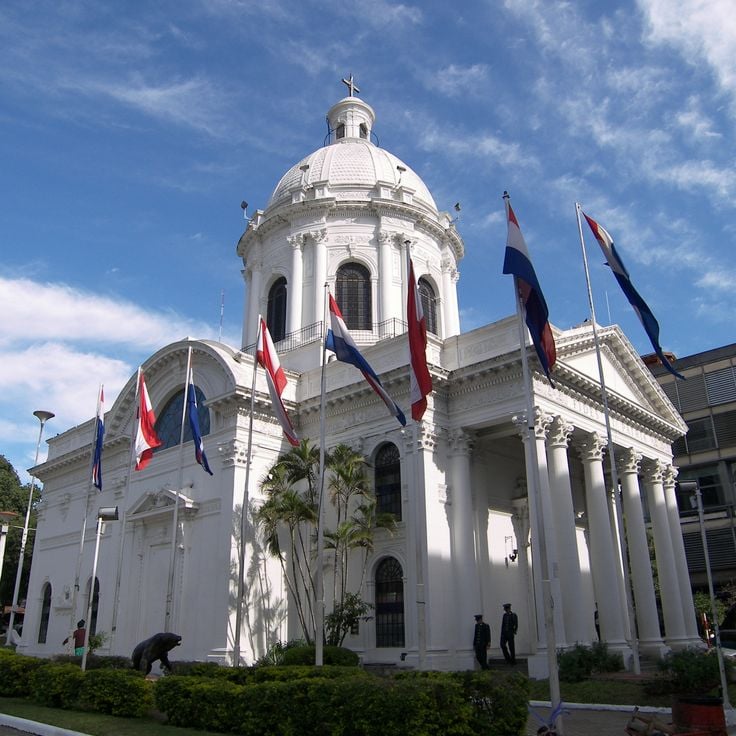
The National Pantheon of the Heroes in Asunción holds the tombs of important Paraguayan military and political leaders from different periods. This place honors the country's history and shows how Paraguay remembers those who shaped its path. The building itself reflects the values and beliefs that matter to the Paraguayan people.
The Jesuit Missions of La Santísima Trinidad are 17th century ruins that show how the Jesuits converted and settled the Guarani people. This site tells the story of religious and cultural encounter in Latin America. The missions shaped the society and beliefs of the region during a transformative period in its history.
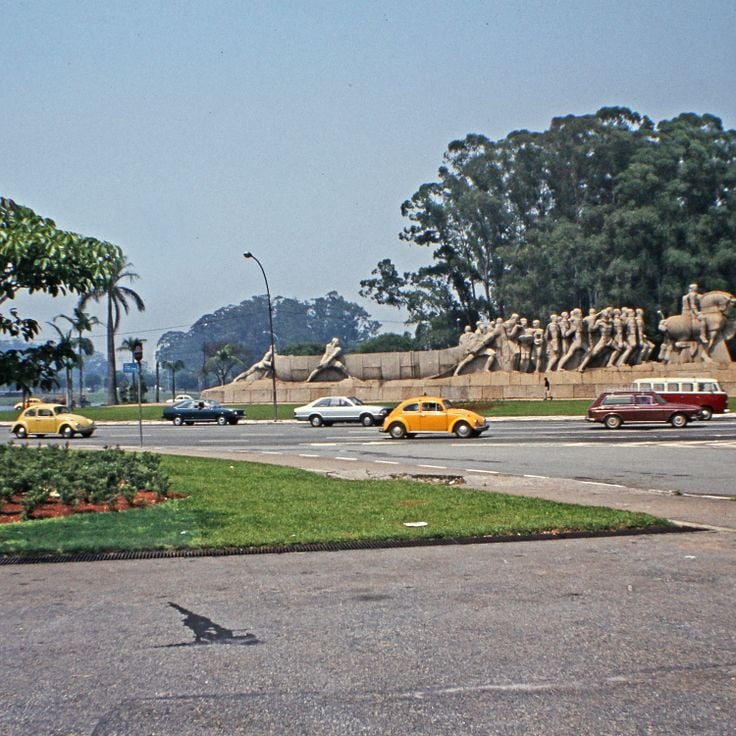
Monument to the Flags is a granite sculpture by Victor Brecheret in Sao Paulo that honors colonial expeditions into the Brazilian interior during the 17th century. As a sacred landmark in Latin America, this monument contributes to understanding the region's history and the traditions that shaped its people.
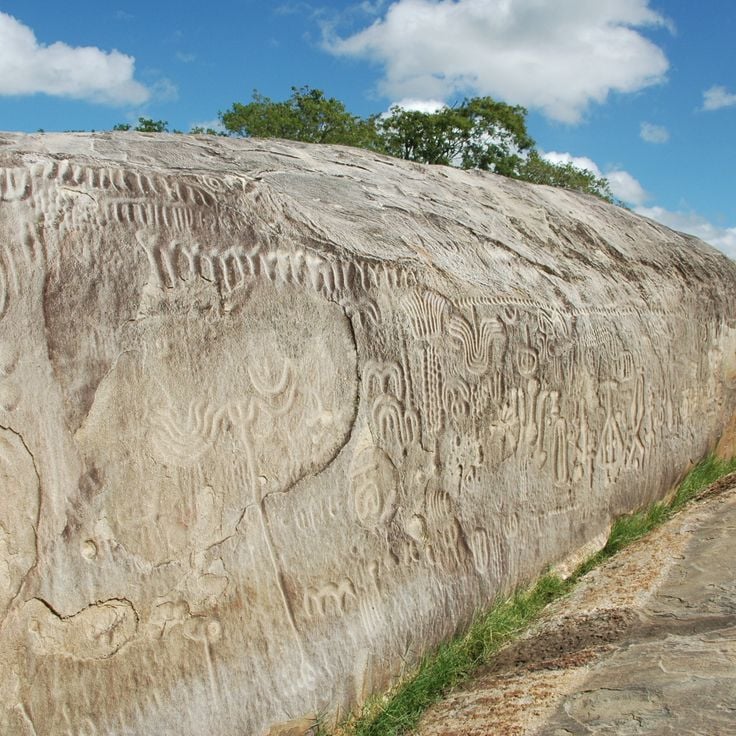
Pedra do Inga is a historical site in Brazil that displays hundreds of stone engravings from prehistoric times. The rock carvings feature geometric figures and astronomical representations that offer insight into the traditions and beliefs of early peoples. This sacred landmark plays an important role in the cultural history of the region.
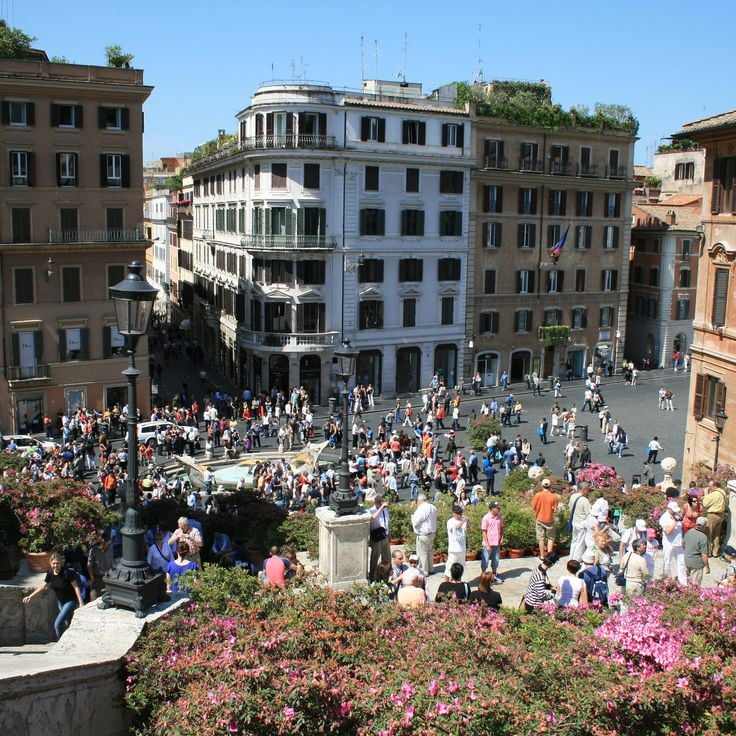
This plaza in the Palermo neighborhood of Buenos Aires functions as a central transportation hub connecting different parts of the city through subway and streetcar lines. The Plaza Italia reflects how people in this region use public spaces and how daily movement through the city shapes the life of the community. The square demonstrates the practical way that sacred and public spaces serve the spiritual and social needs of residents.
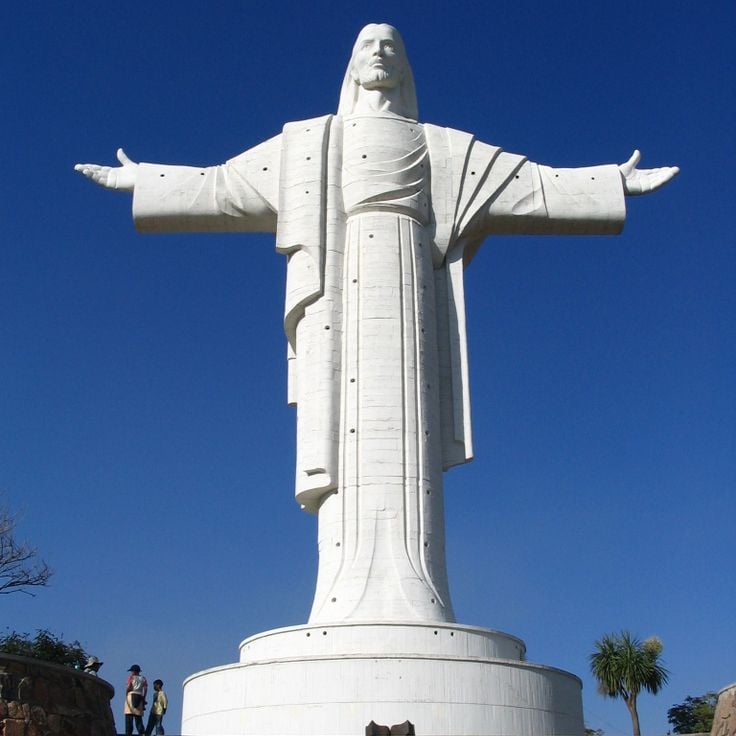
Cristo de la Concordia stands on San Pedro Hill in Bolivia and represents one of the many sacred places that define Latin America's spiritual landscape. This monumental statue expresses the religious values and beliefs central to Bolivian culture. The site draws visitors who come to understand the region's deep connection to faith and tradition.
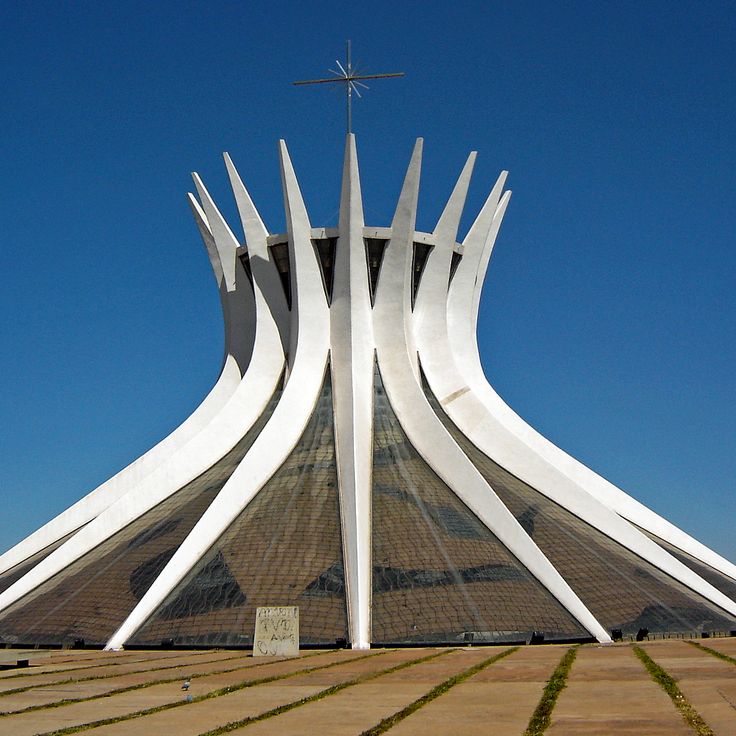
Brasília Cathedral is a modern place of worship that shapes the spiritual identity of Brazil's new capital. The building combines contemporary architecture with religious purpose and is valued by both believers and visitors. In this cathedral, communities come together to share their faith and participate in traditions that have developed over centuries. Brasília Cathedral represents how people express their spiritual feelings through modern forms.
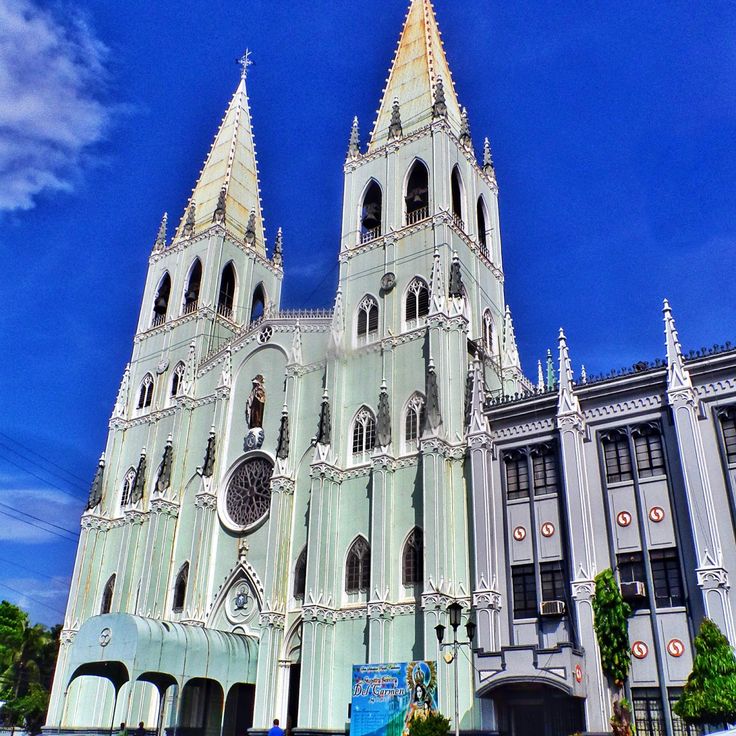
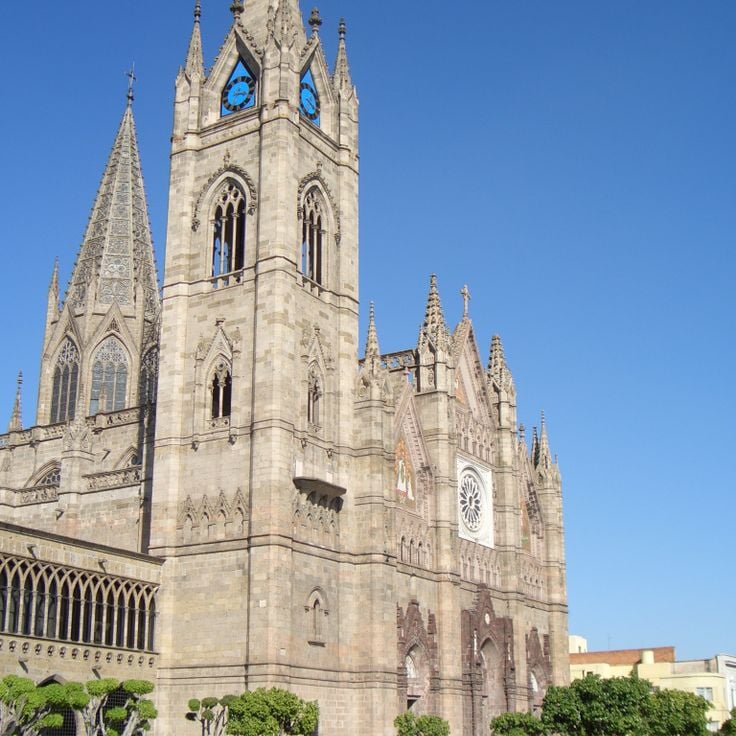
The Templo Expiatorio del Santísimo Sacramento is a Neo-Gothic church in downtown Guadalajara. It shows how European architectural styles took shape in Mexico and was built as a place of atonement and prayer. The church combines religious devotion with artistic craftsmanship and invites visitors to explore the spiritual traditions of the region.
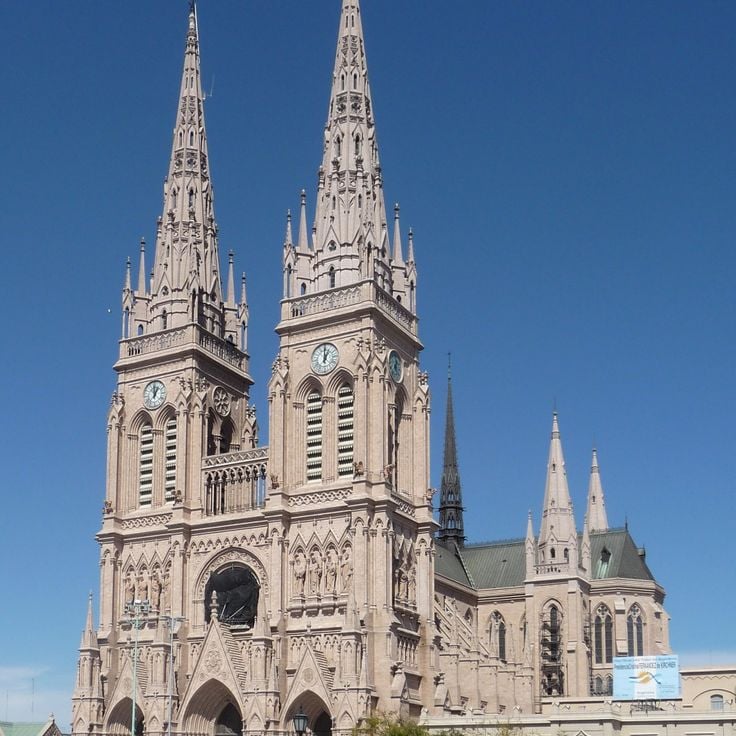
The Basilica of Our Lady of Luján in Argentina is a neo-gothic shrine sitting on the banks of the Luján River. Built in the 19th century, it stands as an important pilgrimage destination for believers from across the country. The basilica displays the European architecture that traveled to South America during the colonial period, with tall towers and intricate stone facades. Pilgrims visit this place to pray and express their connection to the Virgin Mary. The basilica functions not just as a church, but as a gathering place for communities and celebrations.
Saint Dominic Church is a colonial structure in Santo Domingo, Colombia. It represents the religious architecture that emerged during European settlement across Latin America. This church shows how local craftspeople and artists adapted European building styles using local materials and techniques. It stands as one of many places where believers expressed their devotion and where communities gathered to share their faith.
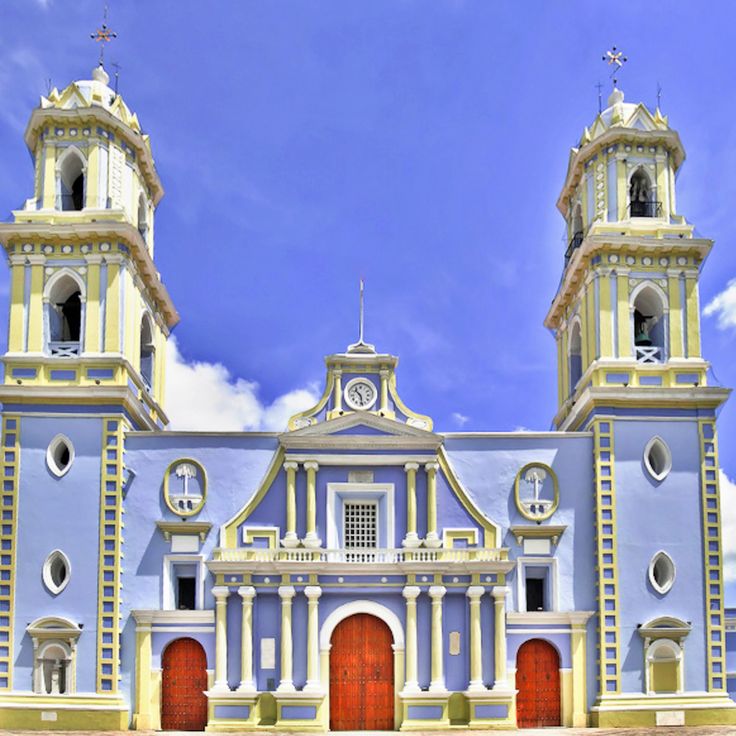
The Cathedral of Córdoba shapes the religious life of the city of Córdoba in Veracruz. Built during the colonial period, it combines architectural elements from Europe with local building materials and craftsmanship. Inside, believers find a place for prayer, while its striking facade tells the story of Spanish expansion and Catholic missions in Mexico. The cathedral remains an active center for religious celebrations and draws both pilgrims and visitors interested in colonial history.
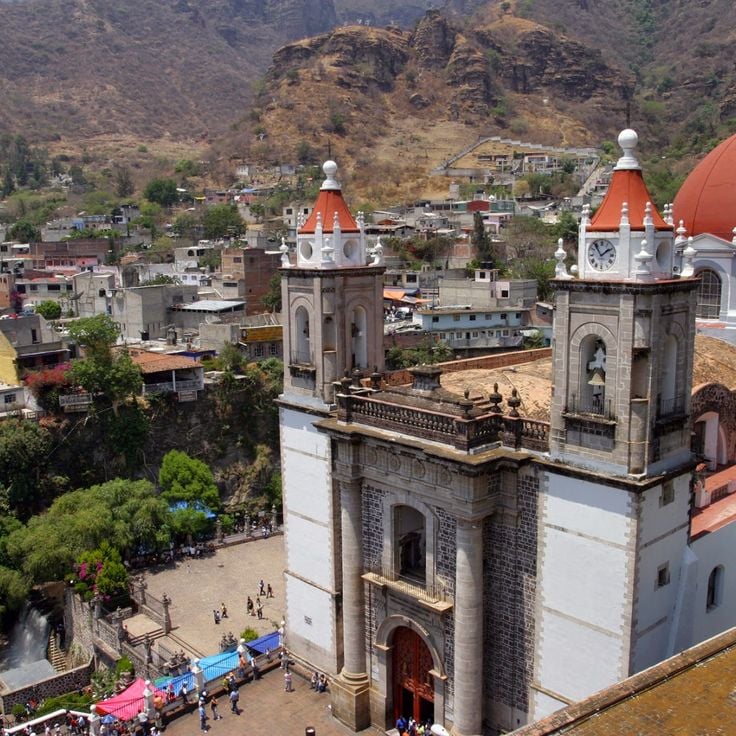
The Sanctuary of Señor de Chalma is a pilgrimage site in Mexico where believers have gathered for centuries to practice their devotion. The site blends ancient indigenous traditions with Catholic customs, reflecting Mexico's spiritual history. Every year, thousands of pilgrims come here to pray in the natural setting beside the river and take part in processions. The sanctuary shows how religious faith continues to be lived and passed down at this place over time.
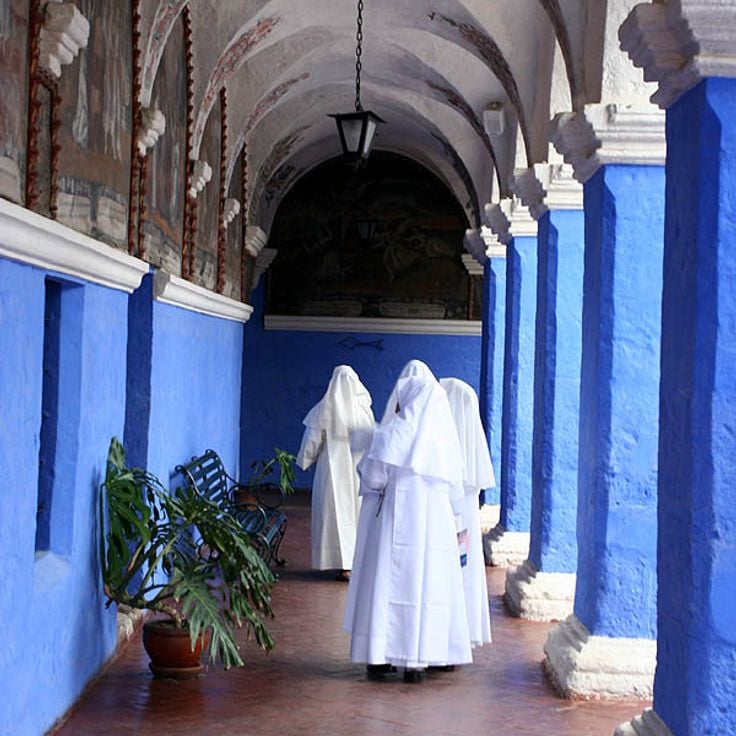
The Santa Catalina convent sits in the heart of Arequipa and is a remarkable Dominican monastery that has shaped Peru's religious and cultural history since its founding in the 16th century. This cloister blends colonial architecture with the traditions of Spanish religious orders and shows how religious institutions left their mark on the city's growth. The spaces within tell stories of nuns who lived, prayed, and worked there, while the buildings reflect the craftsmanship and artistic vision of those who built them. Santa Catalina remains a place where history comes alive and visitors can understand the connection between faith and daily life in Latin America.
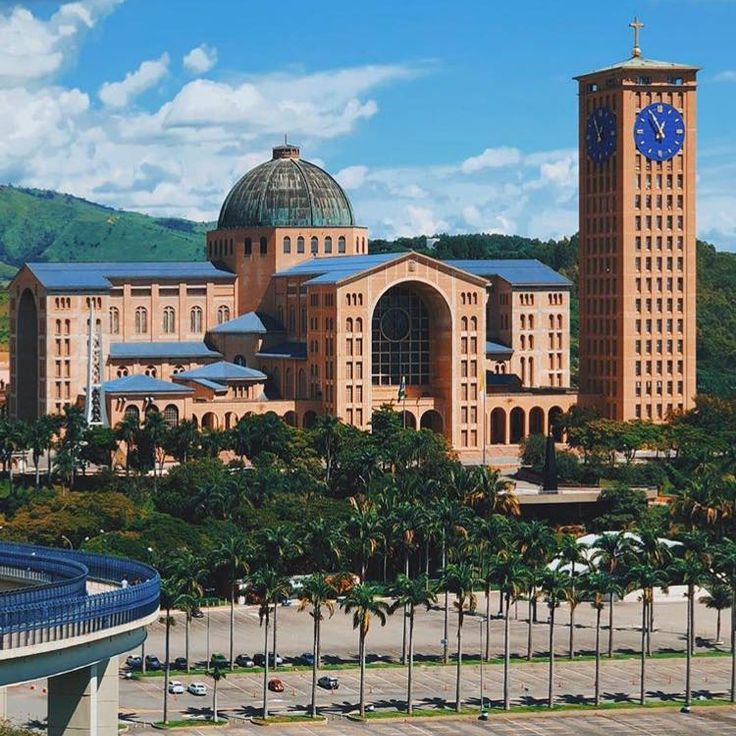
This basilica in Aparecida is a major Catholic sanctuary devoted to the veneration of Mary. The site draws pilgrims from across Latin America who come to worship and participate in processions. The church merges religious tradition with Brazil's local history and reveals how the Catholic Church has deep roots in the region. Many people visit to pray and express their spiritual beliefs.
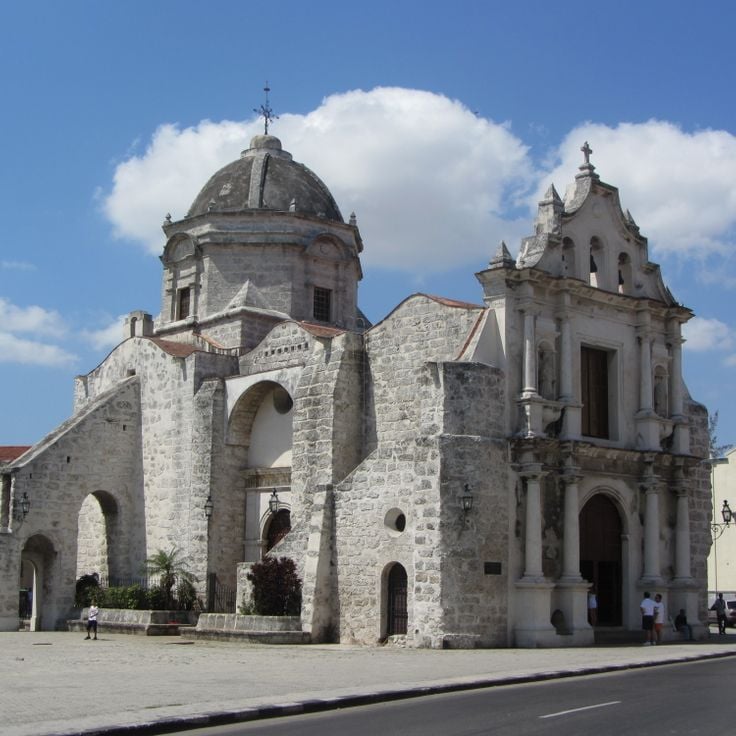
The Church of San Francisco de Paula is a historic house of worship in Havana that reflects Cuba's religious history. This building shows how European influences shaped the spiritual traditions of the island. The church stands as a testament to the past and is visited by believers who practice their faith there. It offers insight into how Cuban communities have preserved their convictions across generations.
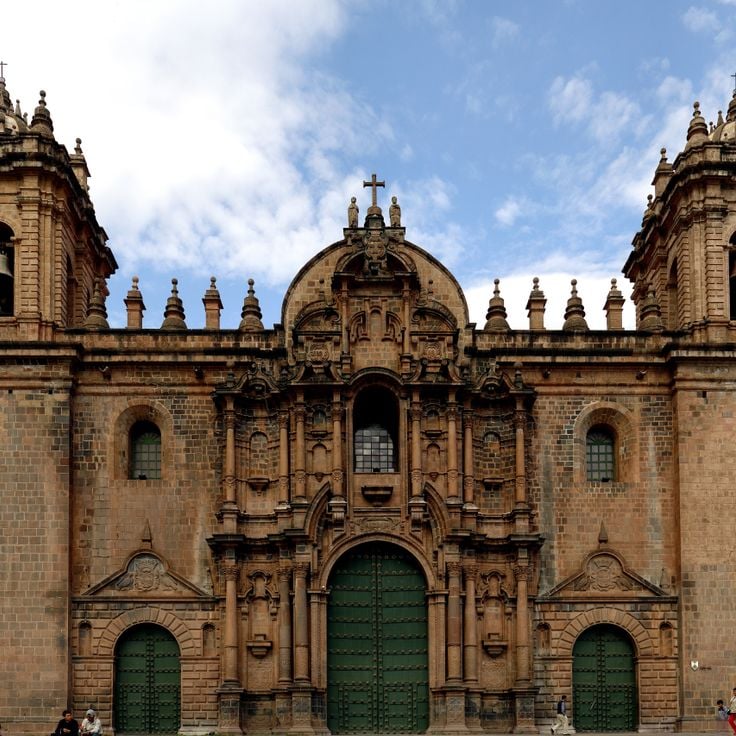
The Cathedral of Notre-Dame-de-l'Assomption sits on Cusco's Plaza de Armas and blends indigenous and European architecture. Built upon foundations of an earlier Inca complex, this structure shows the layered cultures that shaped the region. The church served as a religious center during colonial times and remains a place where believers and visitors gather today. Its facade and interior hold crafted details created by local artisans. The building stands at the heart of Cusco and remains deeply tied to the spiritual identity of the city.
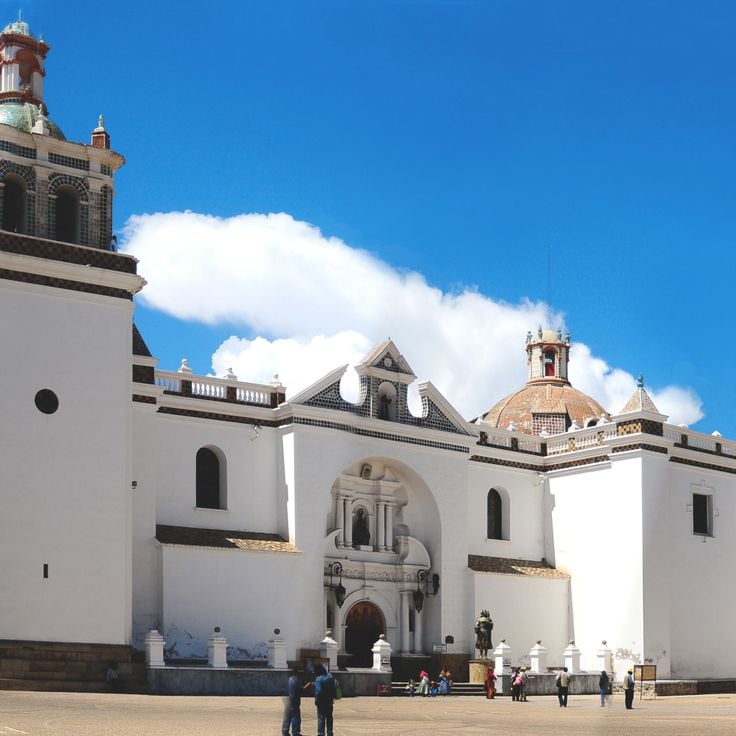
The Basilica Notre-Dame de Copacabana is a Catholic sanctuary on the shores of Lake Titicaca in Bolivia. The building combines Spanish architecture with local craftsmanship and shows how European religious influences mixed with Andean beliefs. Pilgrims come from across the region to express their devotion, and the basilica remains a living place where people practice their faith.
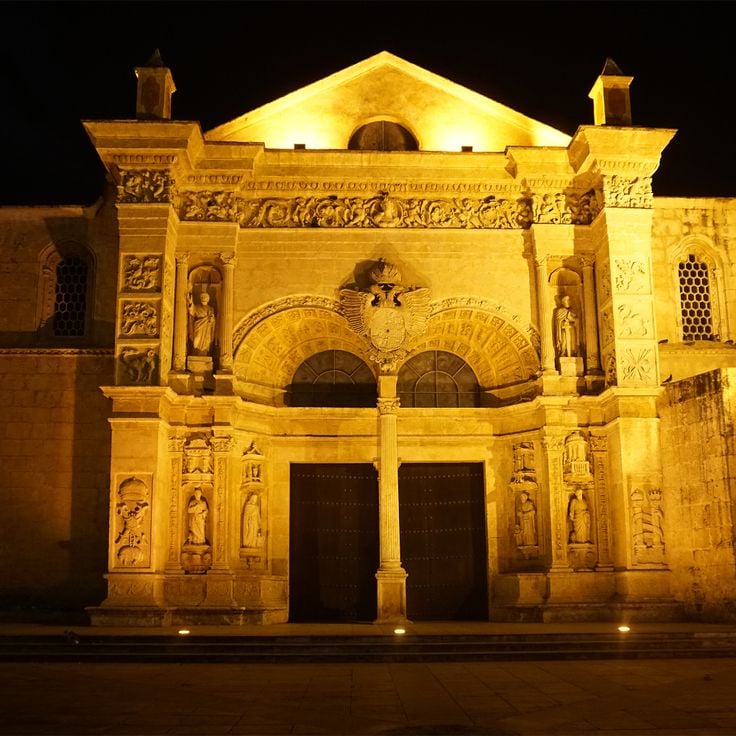
This cathedral stands in the old city of Santo Domingo and is among the oldest religious buildings in the western hemisphere. The structure blends Gothic elements with local materials and shows the early stages of colonial architecture in the region. The cathedral witnessed the transformation of the island from a place with its own religious practices to a center for spreading European beliefs. Today it remains as an example of how colonial rule shaped the religious landscape of Latin America.
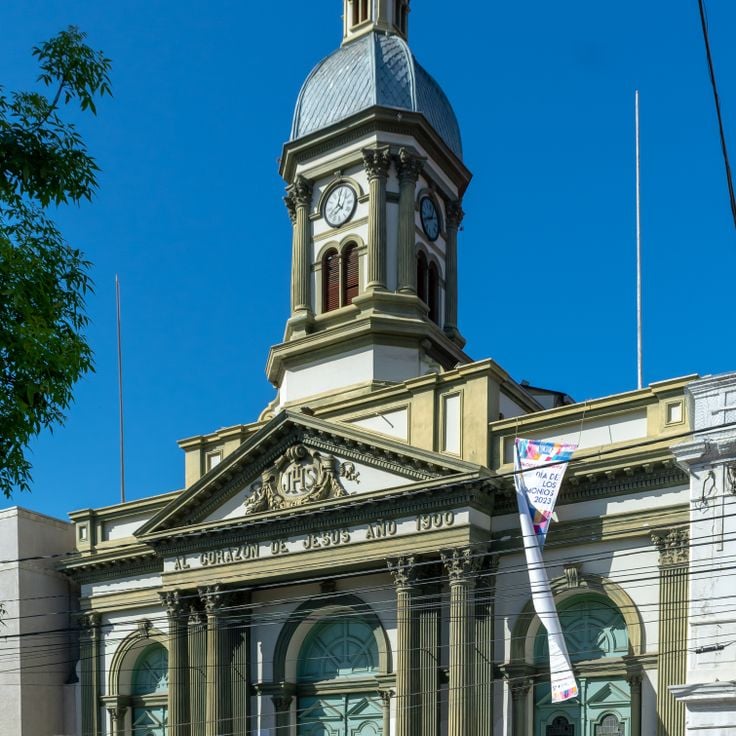
The Iglesia Compañía de Jesús is a national monument of Chile. This church shows how European religious communities built their spiritual structures in South America. It represents a period when Jesuits expanded their missions across the Andes, blending European architecture with local craftsmanship. Walking through this space reveals layers of colonial history and the religious practices that shaped Latin American communities.
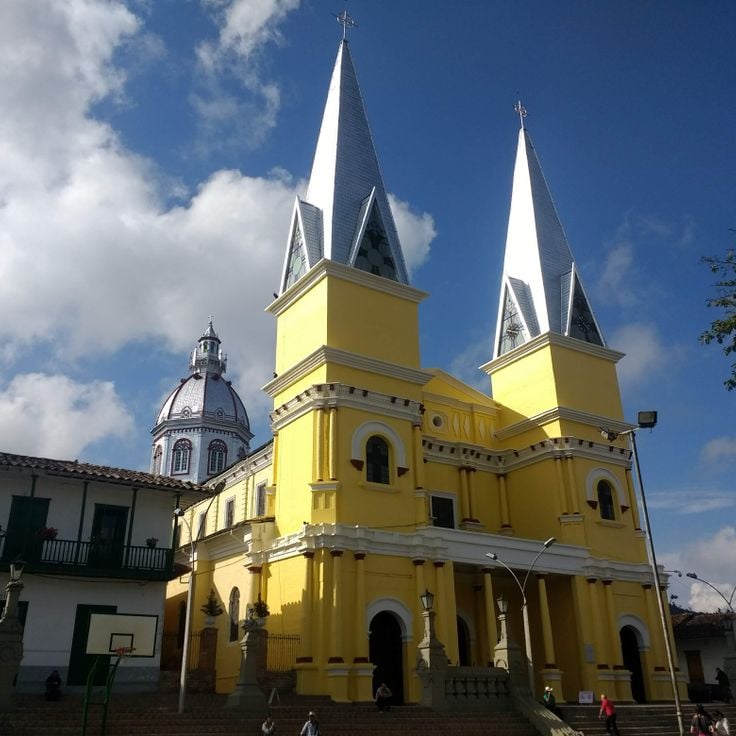
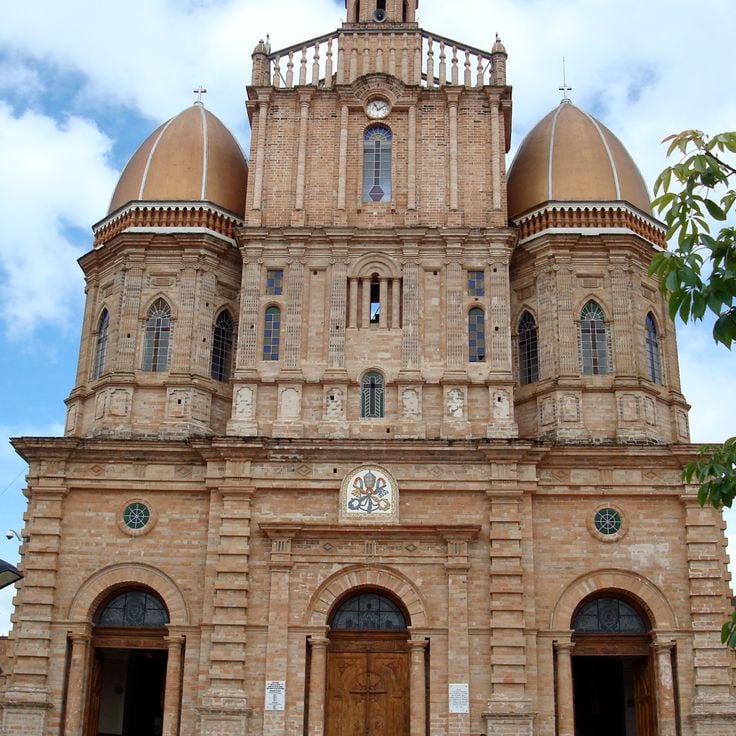
The Basilica del Señor de los Milagros stands as a religious center in San Pedro de los Milagros that has drawn believers for generations. This sanctuary brings together Colombian devotion with architectural elements reflecting different periods. The site functions as a living gathering place where pilgrims practice their faith and communities come together to share and celebrate their beliefs.
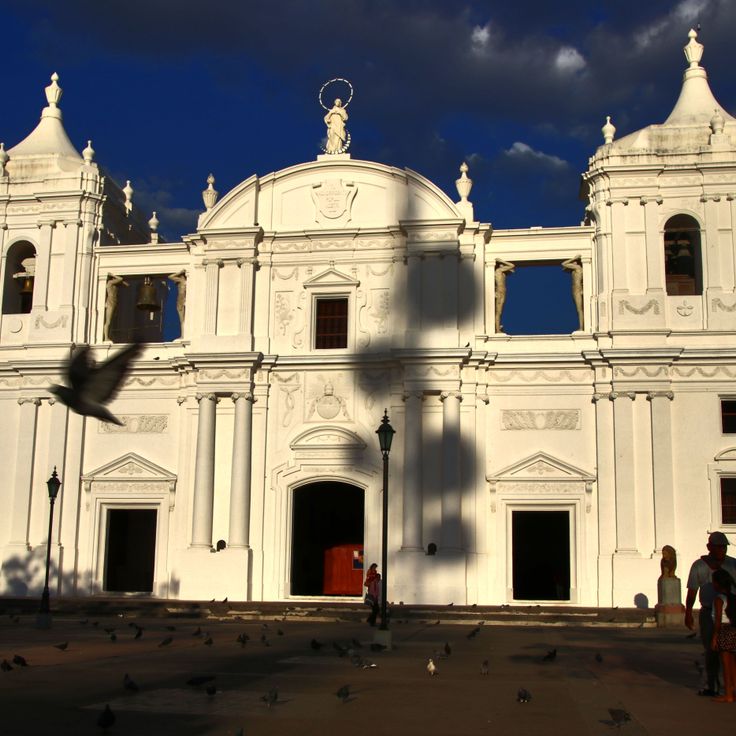
The Cathedral of León is a Catholic church located in the Nicaraguan city of León. It reflects the religious transformation of Central America during the colonial period, when European powers spread their faith across the continent. This structure tells the story of different cultures that overlapped over centuries. The cathedral functions not only as a museum but as a living place where believers continue their traditions and communities gather to share their faith. A visit offers insight into how people in Latin America have expressed their spiritual beliefs through different periods and cultures.
This neo-gothic basilica of Las Lajas stands on a bridge spanning the Guáitara River high in the Andes at about 2900 meters elevation. It draws pilgrims from around the world and has been a center of spiritual devotion for centuries. The sanctuary reflects the deep religious faith that shapes life in this part of Latin America.
The Basilica of Our Lady of Guadalupe is Mexico's most important Catholic shrine and welcomes millions of pilgrims every year. It houses the original image of the Virgin of Guadalupe, a sacred object central to Mexican faith and identity. This sanctuary reflects the deep spiritual traditions and religious beliefs that have shaped Latin American culture for centuries.
This Roman Catholic church from the 18th century stands at Plaza de Armas in Santiago. The building displays a combination of neoclassical and baroque elements. The Santiago Metropolitan Cathedral holds spiritual significance as a sacred landmark in Latin America and reflects the religious traditions and beliefs of the Chilean people.
The Church of San Francisco in Quito is a sacred landmark that reveals the roots of spirituality in Latin America. This religious complex was built starting in 1537 and combines a church, monastery, and three courtyards. The architecture dates from the colonial period and reflects the faith that shaped this region. Visitors can walk through spaces where generations of believers have gathered.
Tiwanaku is an archaeological site from the 5th century that features stone monuments, pyramids and religious structures from Andean civilization. This sacred site in the Andes played an important role in the spiritual and cultural history of the region. The remains offer insight into the traditions and beliefs of the people who lived there.
This cathedral basilica in Salvador was built between 1657 and 1672 and features Portuguese Baroque architecture with a facade of sandstone and marble. It is a sacred site in Latin America that holds deep spiritual significance for the local community. The structure provides insight into the religious traditions and cultural beliefs of the region.
Coricancha was the religious center of the Inca empire and played a central role in the spirituality of this great civilization. The temple contained several shrines, beautiful gardens, and was decorated with gold ornaments. At this location, the Incas observed the stars and sky to understand their religions and calendar. Coricancha shows how important spirituality and astronomy were to the Inca people.
Nuestra Señora de la Altagracia Basilica is a church completed in 1971 that stands out for its concrete architecture, featuring two 80-meter arches. Thousands of pilgrims visit this sacred site each year to pray and seek spiritual guidance. The basilica reflects the deep religious traditions of the Dominican people and serves as a vital pilgrimage destination in Latin America.
Cerro el Potosi is a mountain in Mexico topped with a white Christ monument that rises above the landscape. The site draws visitors seeking spiritual connection and reflection. A telecommunications tower also stands on the mountain. This landmark blends natural geography with religious devotion and holds significance in the local culture of the region.
This Caribbean island in Quintana Roo is part of Latin America's sacred sites and combines natural beauty with archaeological history. Isla de las Mujeres has sandy beaches, remains from pre-Columbian times, and a center dedicated to sea turtle protection. The place shows how the people of this region connected their environment with their spiritual traditions.
This 18th century church represents the spiritual traditions and beliefs that have shaped Latin America for centuries. Santa Prisca Church features baroque architecture with ornate altars and a facade decorated with detailed stone carvings. The craftsmanship visible in its design reflects the deep religious convictions of the people who built and continue to worship here.
The National Pantheon of the Heroes in Asunción holds the tombs of important Paraguayan military and political leaders from different periods. This place honors the country's history and shows how Paraguay remembers those who shaped its path. The building itself reflects the values and beliefs that matter to the Paraguayan people.
The Jesuit Missions of La Santísima Trinidad are 17th century ruins that show how the Jesuits converted and settled the Guarani people. This site tells the story of religious and cultural encounter in Latin America. The missions shaped the society and beliefs of the region during a transformative period in its history.
Monument to the Flags is a granite sculpture by Victor Brecheret in Sao Paulo that honors colonial expeditions into the Brazilian interior during the 17th century. As a sacred landmark in Latin America, this monument contributes to understanding the region's history and the traditions that shaped its people.
Pedra do Inga is a historical site in Brazil that displays hundreds of stone engravings from prehistoric times. The rock carvings feature geometric figures and astronomical representations that offer insight into the traditions and beliefs of early peoples. This sacred landmark plays an important role in the cultural history of the region.
This plaza in the Palermo neighborhood of Buenos Aires functions as a central transportation hub connecting different parts of the city through subway and streetcar lines. The Plaza Italia reflects how people in this region use public spaces and how daily movement through the city shapes the life of the community. The square demonstrates the practical way that sacred and public spaces serve the spiritual and social needs of residents.
Cristo de la Concordia stands on San Pedro Hill in Bolivia and represents one of the many sacred places that define Latin America's spiritual landscape. This monumental statue expresses the religious values and beliefs central to Bolivian culture. The site draws visitors who come to understand the region's deep connection to faith and tradition.
Brasília Cathedral is a modern place of worship that shapes the spiritual identity of Brazil's new capital. The building combines contemporary architecture with religious purpose and is valued by both believers and visitors. In this cathedral, communities come together to share their faith and participate in traditions that have developed over centuries. Brasília Cathedral represents how people express their spiritual feelings through modern forms.
The Templo Expiatorio del Santísimo Sacramento is a Neo-Gothic church in downtown Guadalajara. It shows how European architectural styles took shape in Mexico and was built as a place of atonement and prayer. The church combines religious devotion with artistic craftsmanship and invites visitors to explore the spiritual traditions of the region.
The Basilica of Our Lady of Luján in Argentina is a neo-gothic shrine sitting on the banks of the Luján River. Built in the 19th century, it stands as an important pilgrimage destination for believers from across the country. The basilica displays the European architecture that traveled to South America during the colonial period, with tall towers and intricate stone facades. Pilgrims visit this place to pray and express their connection to the Virgin Mary. The basilica functions not just as a church, but as a gathering place for communities and celebrations.
Saint Dominic Church is a colonial structure in Santo Domingo, Colombia. It represents the religious architecture that emerged during European settlement across Latin America. This church shows how local craftspeople and artists adapted European building styles using local materials and techniques. It stands as one of many places where believers expressed their devotion and where communities gathered to share their faith.
The Cathedral of Córdoba shapes the religious life of the city of Córdoba in Veracruz. Built during the colonial period, it combines architectural elements from Europe with local building materials and craftsmanship. Inside, believers find a place for prayer, while its striking facade tells the story of Spanish expansion and Catholic missions in Mexico. The cathedral remains an active center for religious celebrations and draws both pilgrims and visitors interested in colonial history.
The Sanctuary of Señor de Chalma is a pilgrimage site in Mexico where believers have gathered for centuries to practice their devotion. The site blends ancient indigenous traditions with Catholic customs, reflecting Mexico's spiritual history. Every year, thousands of pilgrims come here to pray in the natural setting beside the river and take part in processions. The sanctuary shows how religious faith continues to be lived and passed down at this place over time.
The Santa Catalina convent sits in the heart of Arequipa and is a remarkable Dominican monastery that has shaped Peru's religious and cultural history since its founding in the 16th century. This cloister blends colonial architecture with the traditions of Spanish religious orders and shows how religious institutions left their mark on the city's growth. The spaces within tell stories of nuns who lived, prayed, and worked there, while the buildings reflect the craftsmanship and artistic vision of those who built them. Santa Catalina remains a place where history comes alive and visitors can understand the connection between faith and daily life in Latin America.
This basilica in Aparecida is a major Catholic sanctuary devoted to the veneration of Mary. The site draws pilgrims from across Latin America who come to worship and participate in processions. The church merges religious tradition with Brazil's local history and reveals how the Catholic Church has deep roots in the region. Many people visit to pray and express their spiritual beliefs.
The Church of San Francisco de Paula is a historic house of worship in Havana that reflects Cuba's religious history. This building shows how European influences shaped the spiritual traditions of the island. The church stands as a testament to the past and is visited by believers who practice their faith there. It offers insight into how Cuban communities have preserved their convictions across generations.
The Cathedral of Notre-Dame-de-l'Assomption sits on Cusco's Plaza de Armas and blends indigenous and European architecture. Built upon foundations of an earlier Inca complex, this structure shows the layered cultures that shaped the region. The church served as a religious center during colonial times and remains a place where believers and visitors gather today. Its facade and interior hold crafted details created by local artisans. The building stands at the heart of Cusco and remains deeply tied to the spiritual identity of the city.
The Basilica Notre-Dame de Copacabana is a Catholic sanctuary on the shores of Lake Titicaca in Bolivia. The building combines Spanish architecture with local craftsmanship and shows how European religious influences mixed with Andean beliefs. Pilgrims come from across the region to express their devotion, and the basilica remains a living place where people practice their faith.
This cathedral stands in the old city of Santo Domingo and is among the oldest religious buildings in the western hemisphere. The structure blends Gothic elements with local materials and shows the early stages of colonial architecture in the region. The cathedral witnessed the transformation of the island from a place with its own religious practices to a center for spreading European beliefs. Today it remains as an example of how colonial rule shaped the religious landscape of Latin America.
The Iglesia Compañía de Jesús is a national monument of Chile. This church shows how European religious communities built their spiritual structures in South America. It represents a period when Jesuits expanded their missions across the Andes, blending European architecture with local craftsmanship. Walking through this space reveals layers of colonial history and the religious practices that shaped Latin American communities.
The Basilica del Señor de los Milagros stands as a religious center in San Pedro de los Milagros that has drawn believers for generations. This sanctuary brings together Colombian devotion with architectural elements reflecting different periods. The site functions as a living gathering place where pilgrims practice their faith and communities come together to share and celebrate their beliefs.
The Cathedral of León is a Catholic church located in the Nicaraguan city of León. It reflects the religious transformation of Central America during the colonial period, when European powers spread their faith across the continent. This structure tells the story of different cultures that overlapped over centuries. The cathedral functions not only as a museum but as a living place where believers continue their traditions and communities gather to share their faith. A visit offers insight into how people in Latin America have expressed their spiritual beliefs through different periods and cultures.
This neo-gothic basilica of Las Lajas stands on a bridge spanning the Guáitara River high in the Andes at about 2900 meters elevation. It draws pilgrims from around the world and has been a center of spiritual devotion for centuries. The sanctuary reflects the deep religious faith that shapes life in this part of Latin America.
The Basilica of Our Lady of Guadalupe is Mexico's most important Catholic shrine and welcomes millions of pilgrims every year. It houses the original image of the Virgin of Guadalupe, a sacred object central to Mexican faith and identity. This sanctuary reflects the deep spiritual traditions and religious beliefs that have shaped Latin American culture for centuries.
This Roman Catholic church from the 18th century stands at Plaza de Armas in Santiago. The building displays a combination of neoclassical and baroque elements. The Santiago Metropolitan Cathedral holds spiritual significance as a sacred landmark in Latin America and reflects the religious traditions and beliefs of the Chilean people.
The Church of San Francisco in Quito is a sacred landmark that reveals the roots of spirituality in Latin America. This religious complex was built starting in 1537 and combines a church, monastery, and three courtyards. The architecture dates from the colonial period and reflects the faith that shaped this region. Visitors can walk through spaces where generations of believers have gathered.
Tiwanaku is an archaeological site from the 5th century that features stone monuments, pyramids and religious structures from Andean civilization. This sacred site in the Andes played an important role in the spiritual and cultural history of the region. The remains offer insight into the traditions and beliefs of the people who lived there.
This cathedral basilica in Salvador was built between 1657 and 1672 and features Portuguese Baroque architecture with a facade of sandstone and marble. It is a sacred site in Latin America that holds deep spiritual significance for the local community. The structure provides insight into the religious traditions and cultural beliefs of the region.
Coricancha was the religious center of the Inca empire and played a central role in the spirituality of this great civilization. The temple contained several shrines, beautiful gardens, and was decorated with gold ornaments. At this location, the Incas observed the stars and sky to understand their religions and calendar. Coricancha shows how important spirituality and astronomy were to the Inca people.
Nuestra Señora de la Altagracia Basilica is a church completed in 1971 that stands out for its concrete architecture, featuring two 80-meter arches. Thousands of pilgrims visit this sacred site each year to pray and seek spiritual guidance. The basilica reflects the deep religious traditions of the Dominican people and serves as a vital pilgrimage destination in Latin America.
Cerro el Potosi is a mountain in Mexico topped with a white Christ monument that rises above the landscape. The site draws visitors seeking spiritual connection and reflection. A telecommunications tower also stands on the mountain. This landmark blends natural geography with religious devotion and holds significance in the local culture of the region.
This Caribbean island in Quintana Roo is part of Latin America's sacred sites and combines natural beauty with archaeological history. Isla de las Mujeres has sandy beaches, remains from pre-Columbian times, and a center dedicated to sea turtle protection. The place shows how the people of this region connected their environment with their spiritual traditions.
This 18th century church represents the spiritual traditions and beliefs that have shaped Latin America for centuries. Santa Prisca Church features baroque architecture with ornate altars and a facade decorated with detailed stone carvings. The craftsmanship visible in its design reflects the deep religious convictions of the people who built and continue to worship here.
The National Pantheon of the Heroes in Asunción holds the tombs of important Paraguayan military and political leaders from different periods. This place honors the country's history and shows how Paraguay remembers those who shaped its path. The building itself reflects the values and beliefs that matter to the Paraguayan people.
The Jesuit Missions of La Santísima Trinidad are 17th century ruins that show how the Jesuits converted and settled the Guarani people. This site tells the story of religious and cultural encounter in Latin America. The missions shaped the society and beliefs of the region during a transformative period in its history.
Monument to the Flags is a granite sculpture by Victor Brecheret in Sao Paulo that honors colonial expeditions into the Brazilian interior during the 17th century. As a sacred landmark in Latin America, this monument contributes to understanding the region's history and the traditions that shaped its people.
Pedra do Inga is a historical site in Brazil that displays hundreds of stone engravings from prehistoric times. The rock carvings feature geometric figures and astronomical representations that offer insight into the traditions and beliefs of early peoples. This sacred landmark plays an important role in the cultural history of the region.
This plaza in the Palermo neighborhood of Buenos Aires functions as a central transportation hub connecting different parts of the city through subway and streetcar lines. The Plaza Italia reflects how people in this region use public spaces and how daily movement through the city shapes the life of the community. The square demonstrates the practical way that sacred and public spaces serve the spiritual and social needs of residents.
Cristo de la Concordia stands on San Pedro Hill in Bolivia and represents one of the many sacred places that define Latin America's spiritual landscape. This monumental statue expresses the religious values and beliefs central to Bolivian culture. The site draws visitors who come to understand the region's deep connection to faith and tradition.
Brasília Cathedral is a modern place of worship that shapes the spiritual identity of Brazil's new capital. The building combines contemporary architecture with religious purpose and is valued by both believers and visitors. In this cathedral, communities come together to share their faith and participate in traditions that have developed over centuries. Brasília Cathedral represents how people express their spiritual feelings through modern forms.
The Templo Expiatorio del Santísimo Sacramento is a Neo-Gothic church in downtown Guadalajara. It shows how European architectural styles took shape in Mexico and was built as a place of atonement and prayer. The church combines religious devotion with artistic craftsmanship and invites visitors to explore the spiritual traditions of the region.
The Basilica of Our Lady of Luján in Argentina is a neo-gothic shrine sitting on the banks of the Luján River. Built in the 19th century, it stands as an important pilgrimage destination for believers from across the country. The basilica displays the European architecture that traveled to South America during the colonial period, with tall towers and intricate stone facades. Pilgrims visit this place to pray and express their connection to the Virgin Mary. The basilica functions not just as a church, but as a gathering place for communities and celebrations.
Saint Dominic Church is a colonial structure in Santo Domingo, Colombia. It represents the religious architecture that emerged during European settlement across Latin America. This church shows how local craftspeople and artists adapted European building styles using local materials and techniques. It stands as one of many places where believers expressed their devotion and where communities gathered to share their faith.
The Cathedral of Córdoba shapes the religious life of the city of Córdoba in Veracruz. Built during the colonial period, it combines architectural elements from Europe with local building materials and craftsmanship. Inside, believers find a place for prayer, while its striking facade tells the story of Spanish expansion and Catholic missions in Mexico. The cathedral remains an active center for religious celebrations and draws both pilgrims and visitors interested in colonial history.
The Sanctuary of Señor de Chalma is a pilgrimage site in Mexico where believers have gathered for centuries to practice their devotion. The site blends ancient indigenous traditions with Catholic customs, reflecting Mexico's spiritual history. Every year, thousands of pilgrims come here to pray in the natural setting beside the river and take part in processions. The sanctuary shows how religious faith continues to be lived and passed down at this place over time.
The Santa Catalina convent sits in the heart of Arequipa and is a remarkable Dominican monastery that has shaped Peru's religious and cultural history since its founding in the 16th century. This cloister blends colonial architecture with the traditions of Spanish religious orders and shows how religious institutions left their mark on the city's growth. The spaces within tell stories of nuns who lived, prayed, and worked there, while the buildings reflect the craftsmanship and artistic vision of those who built them. Santa Catalina remains a place where history comes alive and visitors can understand the connection between faith and daily life in Latin America.
This basilica in Aparecida is a major Catholic sanctuary devoted to the veneration of Mary. The site draws pilgrims from across Latin America who come to worship and participate in processions. The church merges religious tradition with Brazil's local history and reveals how the Catholic Church has deep roots in the region. Many people visit to pray and express their spiritual beliefs.
The Church of San Francisco de Paula is a historic house of worship in Havana that reflects Cuba's religious history. This building shows how European influences shaped the spiritual traditions of the island. The church stands as a testament to the past and is visited by believers who practice their faith there. It offers insight into how Cuban communities have preserved their convictions across generations.
The Cathedral of Notre-Dame-de-l'Assomption sits on Cusco's Plaza de Armas and blends indigenous and European architecture. Built upon foundations of an earlier Inca complex, this structure shows the layered cultures that shaped the region. The church served as a religious center during colonial times and remains a place where believers and visitors gather today. Its facade and interior hold crafted details created by local artisans. The building stands at the heart of Cusco and remains deeply tied to the spiritual identity of the city.
The Basilica Notre-Dame de Copacabana is a Catholic sanctuary on the shores of Lake Titicaca in Bolivia. The building combines Spanish architecture with local craftsmanship and shows how European religious influences mixed with Andean beliefs. Pilgrims come from across the region to express their devotion, and the basilica remains a living place where people practice their faith.
This cathedral stands in the old city of Santo Domingo and is among the oldest religious buildings in the western hemisphere. The structure blends Gothic elements with local materials and shows the early stages of colonial architecture in the region. The cathedral witnessed the transformation of the island from a place with its own religious practices to a center for spreading European beliefs. Today it remains as an example of how colonial rule shaped the religious landscape of Latin America.
The Iglesia Compañía de Jesús is a national monument of Chile. This church shows how European religious communities built their spiritual structures in South America. It represents a period when Jesuits expanded their missions across the Andes, blending European architecture with local craftsmanship. Walking through this space reveals layers of colonial history and the religious practices that shaped Latin American communities.
The Basilica del Señor de los Milagros stands as a religious center in San Pedro de los Milagros that has drawn believers for generations. This sanctuary brings together Colombian devotion with architectural elements reflecting different periods. The site functions as a living gathering place where pilgrims practice their faith and communities come together to share and celebrate their beliefs.
The Cathedral of León is a Catholic church located in the Nicaraguan city of León. It reflects the religious transformation of Central America during the colonial period, when European powers spread their faith across the continent. This structure tells the story of different cultures that overlapped over centuries. The cathedral functions not only as a museum but as a living place where believers continue their traditions and communities gather to share their faith. A visit offers insight into how people in Latin America have expressed their spiritual beliefs through different periods and cultures.