Ingá Stone, Ancient petroglyph site in Ingá, Brazil
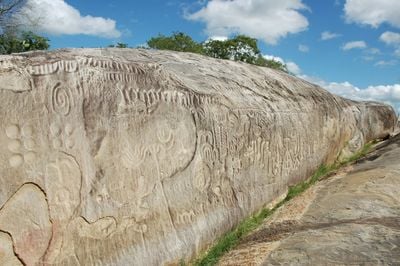
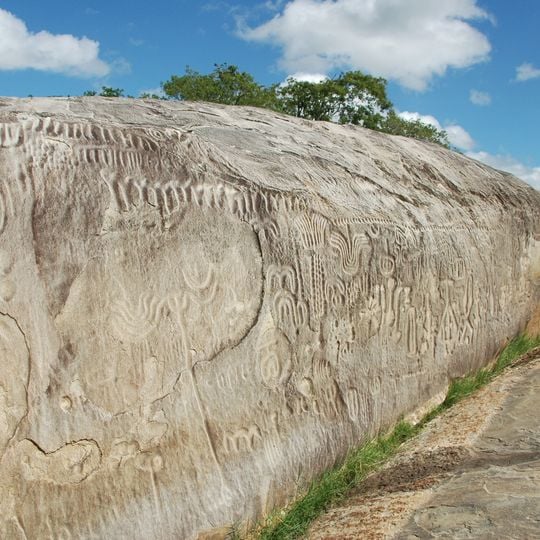
The Ingá Stone is a 46-meter-long gneiss rock wall with over 400 etched signs covering a 250-square-meter surface in the Brazilian state of Paraíba. The carvings cover the smooth stone surface at different depths and sizes, with some motifs measuring just a few centimeters and others more than a meter.
Carbon dating indicates that the rock carvings were made around 6,000 years ago, though floods deposited sediment that makes precise measurement difficult. In the 20th century, researchers began to document the carvings systematically and investigate their meaning.
The carved signs show animals, fruits, human shapes and sky objects that visitors can still recognize across the rock wall today. The astronomical patterns stand out because they show how the early people of the region watched the heavens.
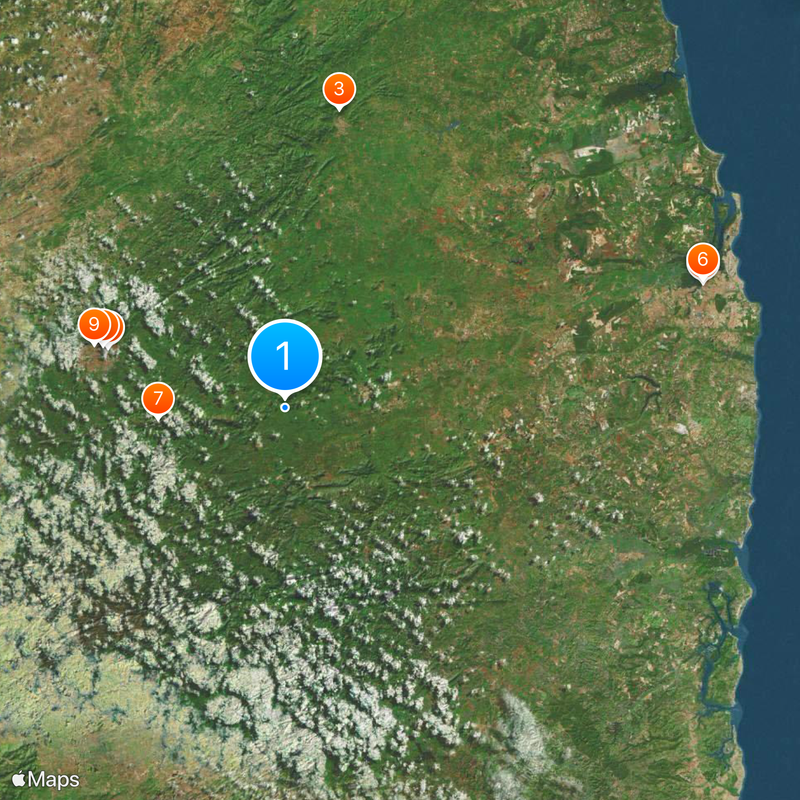
The site is located 96 kilometers (60 miles) from João Pessoa and needs protection from vandalism and environmental damage. Visitors should stay on marked paths to avoid damaging the delicate carvings.
The Spanish engineer Francisco Pavía Alemany discovered a series of carved bowls that form a solar calendar tracking daily sunlight throughout the year. This arrangement shows that the creators of the carvings used astronomical knowledge to mark seasons and days.
The community of curious travelers
AroundUs brings together thousands of curated places, local tips, and hidden gems, enriched daily by 91,519 contributors worldwide.