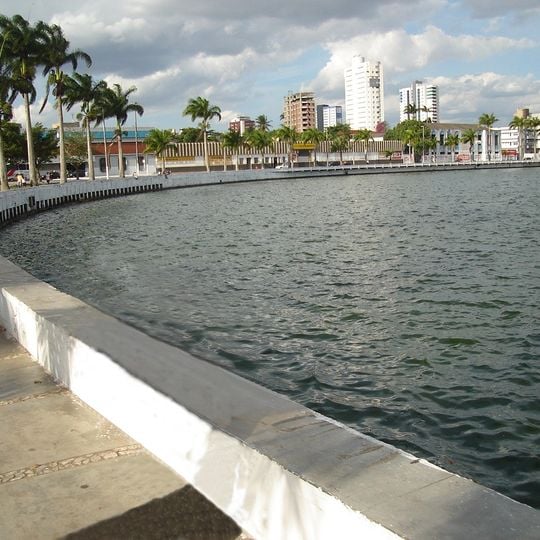
Açude Velho, Historic reservoir in central Campina Grande, Paraíba, Brazil.
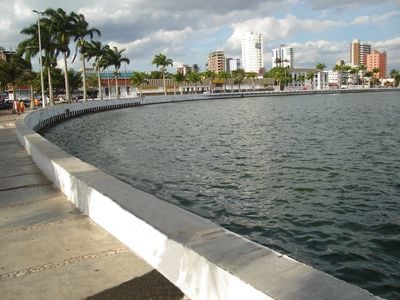
Açude Velho is a rectangular reservoir located in the heart of Campina Grande, surrounded by tree-lined walkways, green spaces, and monuments that honor the history of this city in Paraíba state.
Built between 1829 and 1831 by the provincial government of Paraíba, Açude Velho was created in response to the drought that struck the Northeast region from 1824 to 1828, becoming the city's first reservoir.
The reservoir's shores feature monuments honoring the pioneers of Borborema, along with bronze statues of musicians Jackson do Pandeiro and Luiz Gonzaga, celebrating the musical heritage of northeastern Brazil.
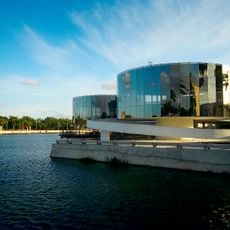
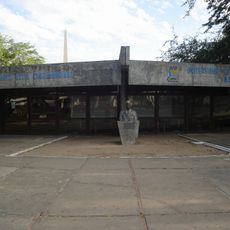
Located in central Campina Grande at coordinates latitude -7.225458 and longitude -35.880131, the site is accessible year-round and sits near the Popular Art Museum of Paraíba, designed by Oscar Niemeyer.
During the severe droughts of 1845 and 1877, the reservoir provided essential water not only to Campina Grande but also to other towns in the Borborema Plateau, sustaining thousands of residents.
The community of curious travelers
AroundUs brings together thousands of curated places, local tips, and hidden gems, enriched daily by 91,506 contributors worldwide.