History and Technology Museum of Algodão, Cotton history museum in Campina Grande, Brazil.
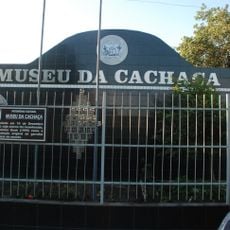
Museu do Algodão is a museum in Campina Grande dedicated to cotton production history and technology. Its collections feature traditional equipment, machinery, and documents that illustrate various production stages and processing techniques.
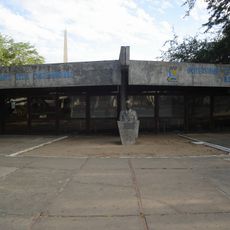
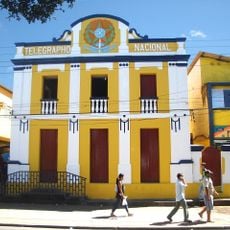
The museum was created by municipal bill 24/73 of 13 February 1973, proposed by councillor Maria Lopes Barbosa, and opened that October under mayor Evaldo Cavalcanti Cruz. It occupies Campina Grande's old railway station, inaugurated in 1907. Its collection recalls the cotton cycle, when the city ranked as the world's second-largest exporter of "white gold", behind only Liverpool.
The museum also holds the Memorial do Trem and the Galeria de Artes Isaías do Ó, so train memory and art share the building with cotton history. The collection includes a 1920s calculating machine, a ticket-punching device, a plough, a cotton gin, a spinning frame and a hand-cranked phonograph.
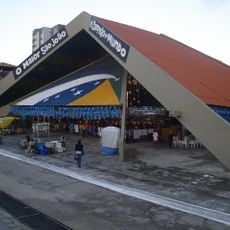
The museum occupies the old Campina Grande railway station building, inaugurated in 1907, so the entrance sits in the former station hall. The collection is spread across rooms holding the cotton machinery and the Memorial do Trem, with the Isaías do Ó art gallery on site. Allow time to move between these sections rather than expecting a single hall.
The museum demonstrates the complete production path from seed planting to textile manufacturing using both traditional and modern methods. This presentation helps visitors understand how raw cotton becomes finished fabric.
The community of curious travelers
AroundUs brings together thousands of curated places, local tips, and hidden gems, enriched daily by 92,823 contributors worldwide.