See the monuments around you in AROpen chests in the app
Around Us is built for your phone — point your camera at the streets and discover the monuments and places around you in augmented reality.Around Us is built for your phone — chests unlock when you walk, explore and capture nearby places.
Nicaragua: active volcanoes, tropical beaches, islands of Lake Nicaragua, colonial architecture, natural reserves
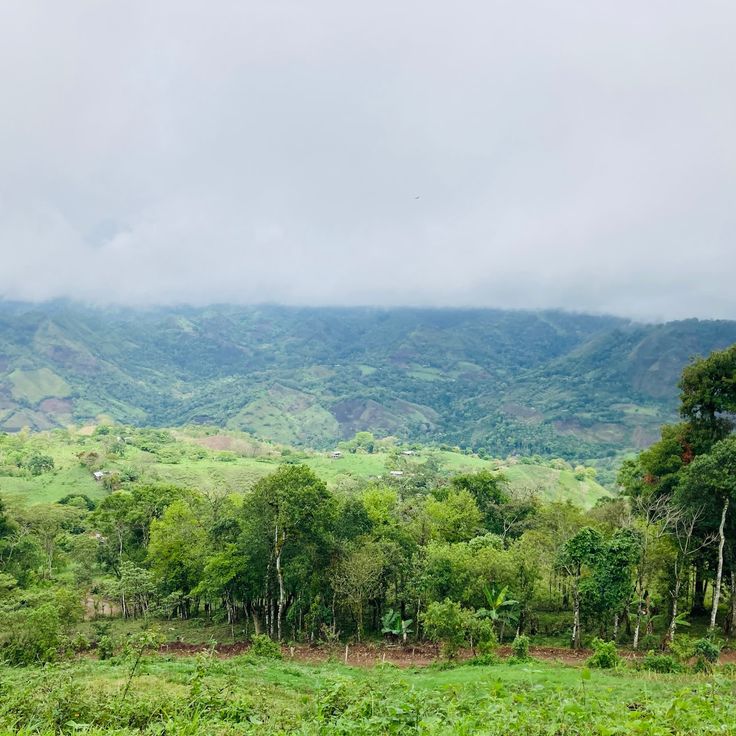
Nicaragua offers a diverse and lively nature. You will see still-smoking volcanoes, beaches stretching from the Pacific to the Caribbean, and tropical islands sitting on volcanic lakes. The country also has large natural reserves with thick forests and mangroves along the coasts. Everywhere, paths lead to hidden waterfalls, and fishing villages keep their old customs.
The story of Nicaragua is told through its buildings. Churches and cathedrals from the seventeenth and eighteenth centuries show how the conquerors brought Spanish colonial styles and Moorish influences. These sturdy religious buildings mark the old towns. You can also find old houses turned into museums that hold the stories of the country's past.
Whether you like rocks and mountains, nature, or historic buildings, Nicaragua offers a full experience. You might climb an active volcano in the morning, relax on a beach in the evening, and spend days walking in primary forests or visiting villages where life still follows the rhythm of the seasons.
Nicaragua: active volcanoes, tropical beaches, islands of Lake Nicaragua, colonial architecture, natural reserves
Nicaragua offers a diverse and lively nature. You will see still-smoking volcanoes, beaches stretching from the Pacific to the Caribbean, and tropical islands sitting on volcanic lakes. The country also has large natural reserves with thick forests and mangroves along the coasts. Everywhere, paths lead to hidden waterfalls, and fishing villages keep their old customs.
The story of Nicaragua is told through its buildings. Churches and cathedrals from the seventeenth and eighteenth centuries show how the conquerors brought Spanish colonial styles and Moorish influences. These sturdy religious buildings mark the old towns. You can also find old houses turned into museums that hold the stories of the country's past.
Whether you like rocks and mountains, nature, or historic buildings, Nicaragua offers a full experience. You might climb an active volcano in the morning, relax on a beach in the evening, and spend days walking in primary forests or visiting villages where life still follows the rhythm of the seasons.
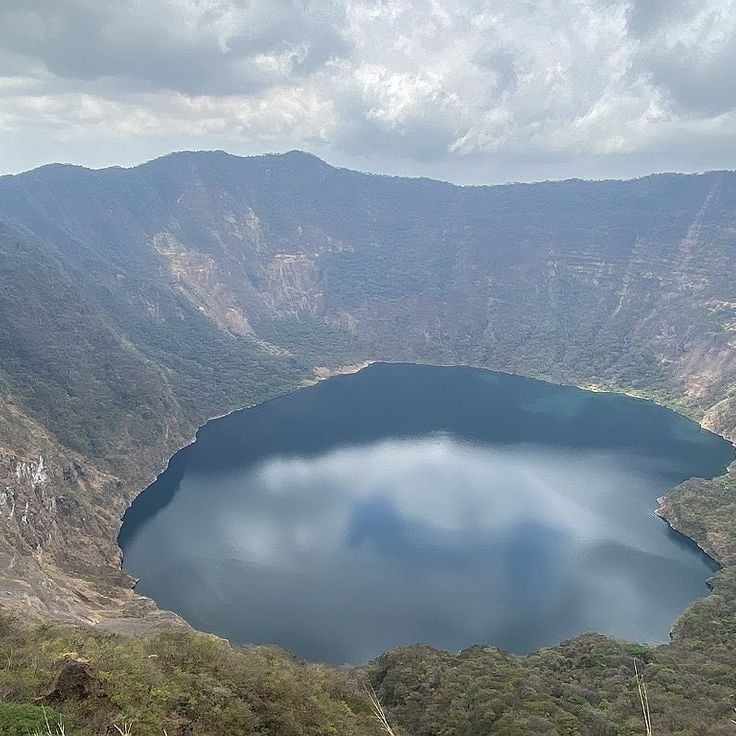
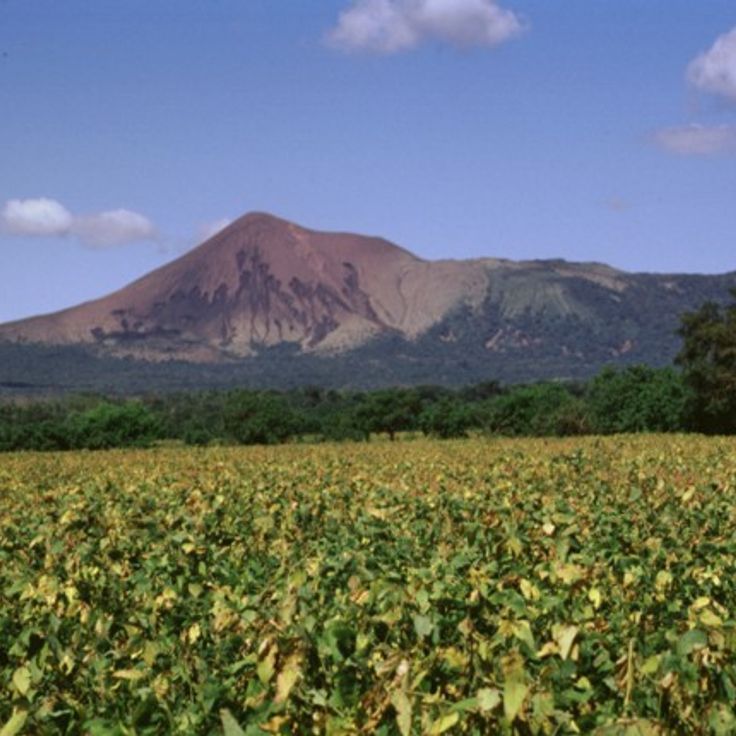
Volcan Cosigüina is an 872-meter volcano in a nature reserve near Chinandega. It displays the active geology that shapes Nicaragua. Hiking trails climb through the landscape, offering views over the Gulf of Fonseca. The ascent connects you with the nature and history of this volcanic region.
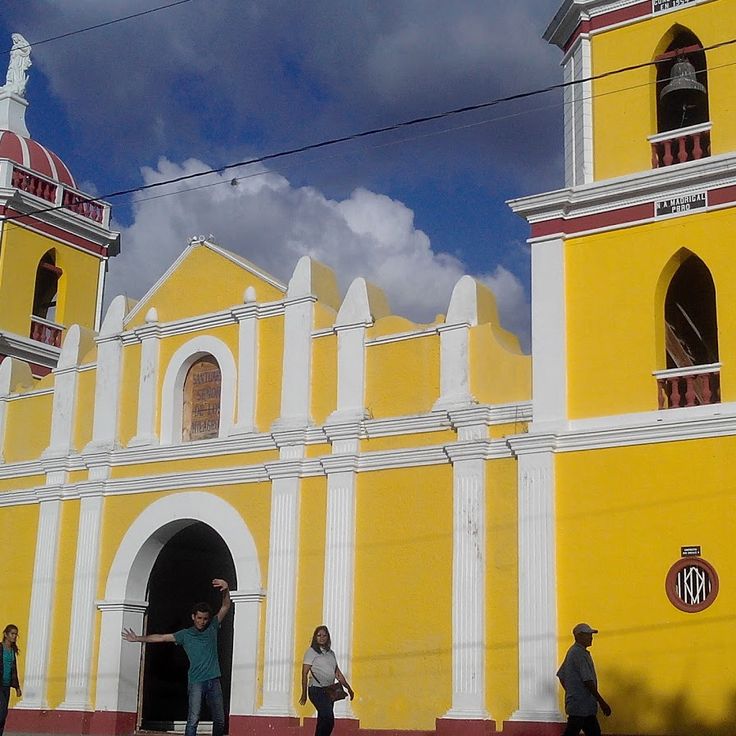
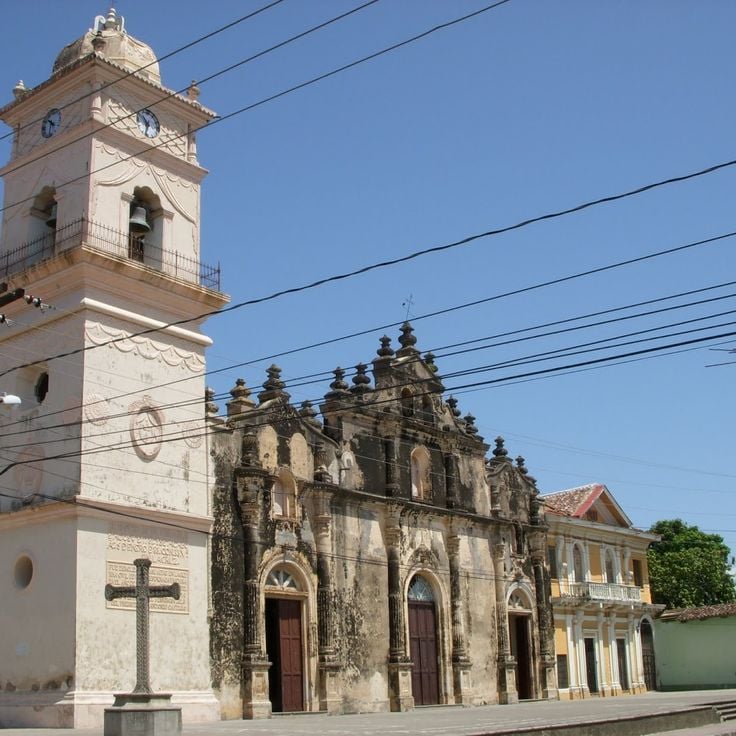
This church in Ciudad Antigua was built in 1611 and displays the Spanish colonial architecture that the conquistadors brought to Nicaragua. The building features thick stone walls and combines Spanish and Moorish style elements. Standing in the old town, it tells the story of Nicaragua's past through its solid construction and the craftsmanship of earlier times.
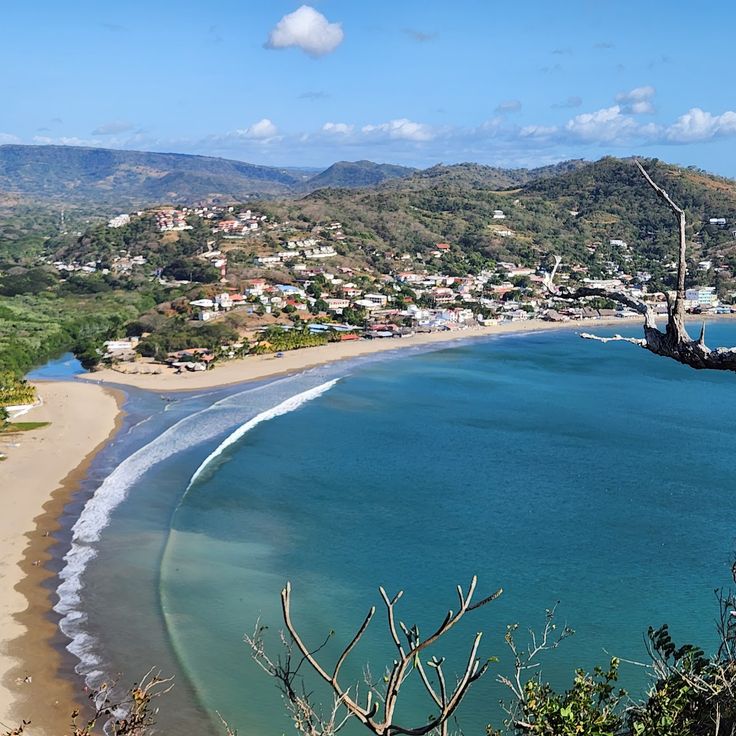
San Juan del Sur beach is a coastal town on the Pacific with a crescent-shaped bay. The waterfront is lined with seafood restaurants and bars where locals and visitors gather. Fishing boats come and go, and the air carries the smell of salt and grilled fish. This beach fits into Nicaragua's network of shores that stretch from the Pacific to the Caribbean, offering a window into how coastal people live day by day.
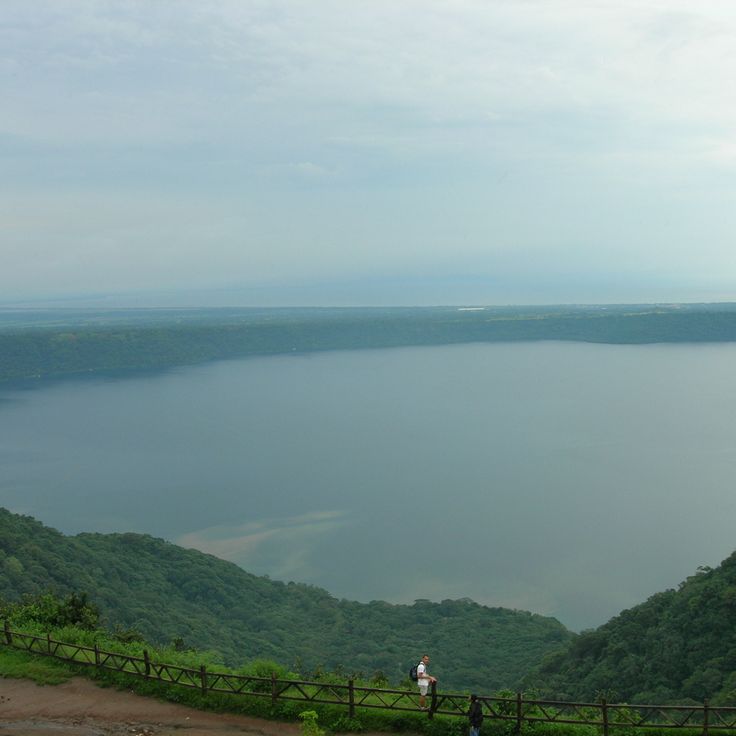
Laguna de Apoyo is a body of water formed within a volcanic crater, measuring about 6.6 kilometers across. Tropical forests surround the lagoon, and it is home to animal and plant species found nowhere else. The water is clean and inviting for swimming. Trails circle the lagoon through the forest, where you can spot birds and experience the quiet of nature. Local fishermen still use the water in traditional ways, and small villages along the shore offer simple lodging for visitors.
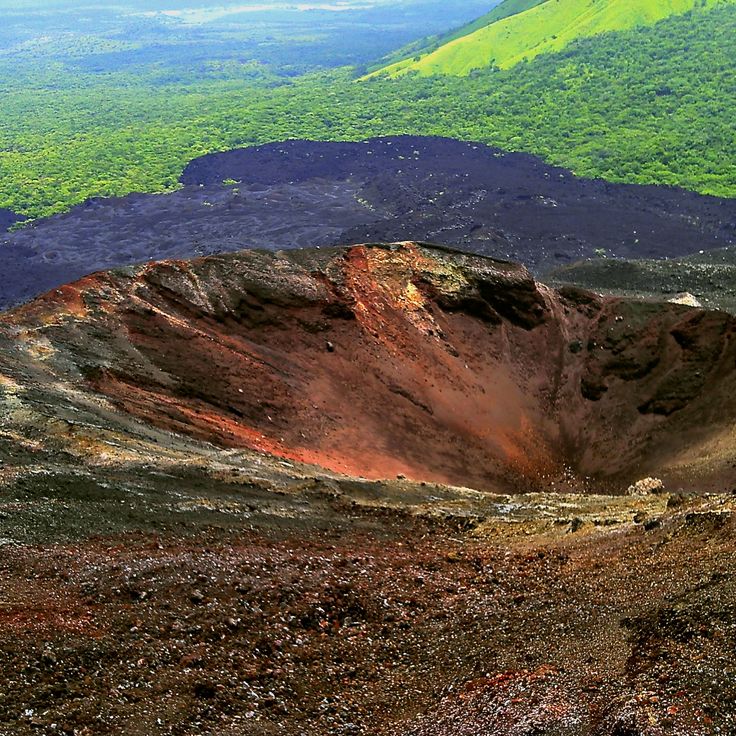
Cerro Negro near Leon is an active volcano with dark rock and continuous fumarole activity. Its slopes are covered with volcanic ash. The climb to the summit offers hikers a view of the crater and reveals the geological power that shapes Nicaragua.
The Isletas de Granada are a group of about 365 islands of volcanic origin in Lake Nicaragua. These small islands are home to tropical birds and inhabited by local fishermen who grow fruit. The islands form the heart of lake exploration and offer boat rides past traditional fishing villages where life follows age-old patterns. The water between the islands is calm and green, vegetation thick and untamed. Many islands are tiny, holding just a few houses and boats, while others support small communities. The sound of bird calls fills the air, and you often see fishing nets drying in the sun.
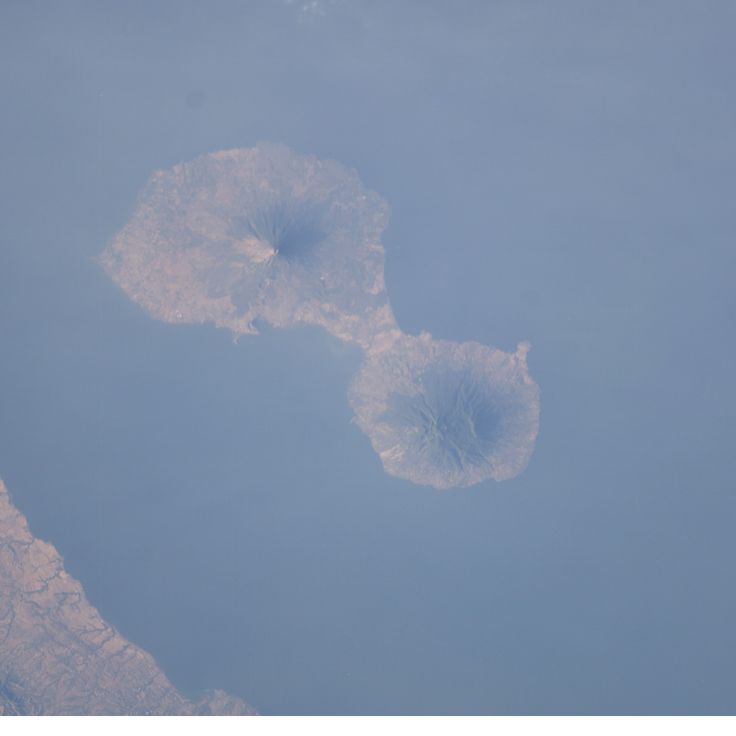
Ometepe Island sits in Lake Nicaragua and is shaped by two volcanoes: Concepción and Maderas. The island shows the geological history of the region with its dark sand beaches and thermal springs. Petroglyphs from pre-Columbian times remain here, marking the presence of early inhabitants. The island offers trails through forests and to waterfalls, while fishers continue their traditional practices.
Volcan Masaya National Park is a protected area containing two volcanoes and five craters. The Santiago volcano displays constant activity with gas emissions and visible lava that can be observed from the access road. This park allows visitors to experience the raw power of nature firsthand and understand the geological processes that have shaped Nicaragua.
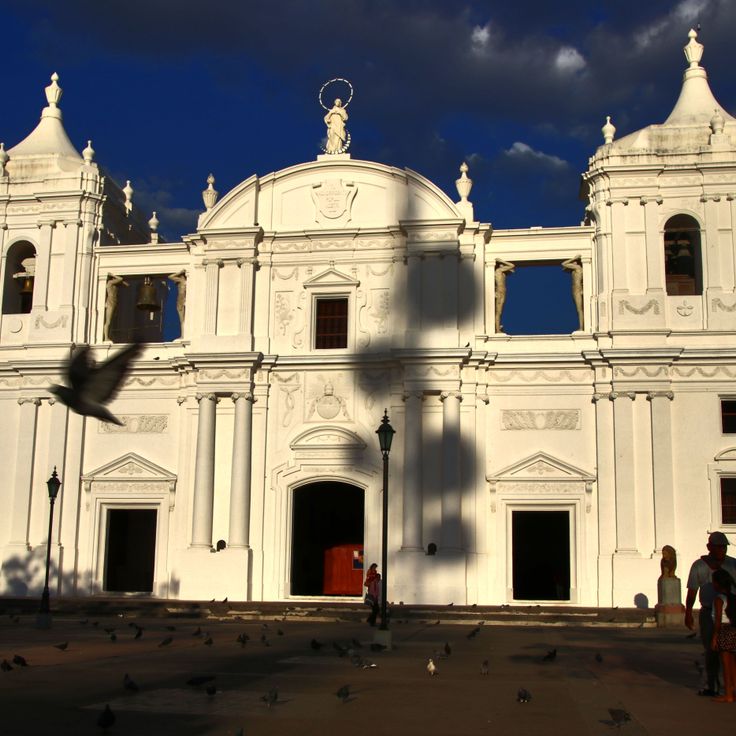
The Cathedral of the Assumption in León is a religious building constructed between 1747 and 1814. Its walls are thick and sturdy, built to last, while the roof features four domes that shape the structure's appearance. The architecture blends Baroque and Neoclassical styles, reflecting the different periods of its construction. This cathedral shows how Spanish builders brought their construction techniques and artistic vision to Nicaragua. Visitors can see the solid stone walls and appreciate the proportions that make this building an important example of colonial architecture in the country.
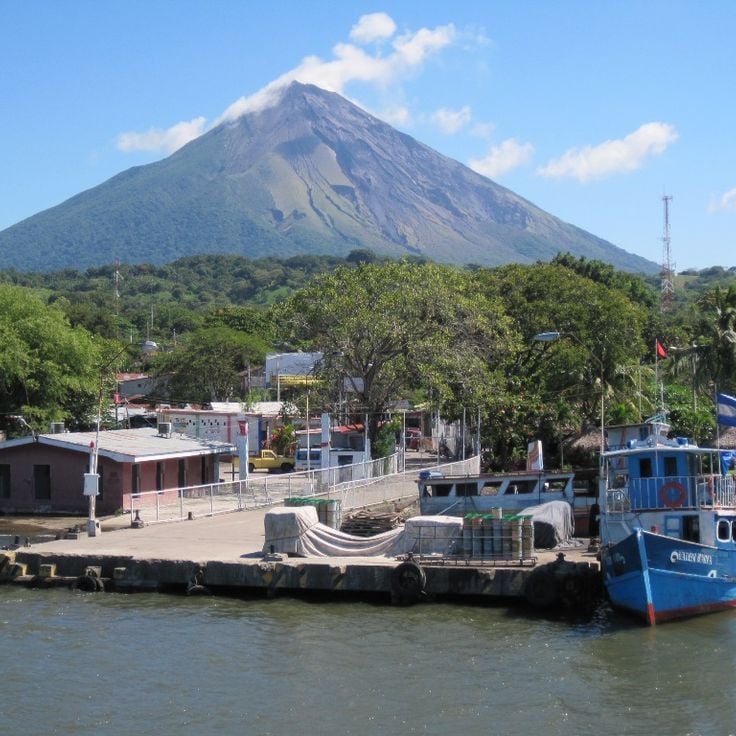
Volcan Concepcion is a stratovolcano on Ometepe Island in Lake Nicaragua. Standing at 1610 meters (5,282 feet) high, it forms the northern part of this volcanic island. The volcano remains active and regularly releases steam from cracks in its slopes. Its last major eruption occurred in 2010. The mountain offers hikers steep trails leading to the summit, where views stretch across the lake and toward the southern island of Maderas. On clear days, you can see the Nicaraguan coastline from the top. The climb is demanding but rewards visitors with views of the region's volcanic landscape.
The Church of Merced in Granada is a baroque building built in 1783 that shows the country's architectural history. Its bell tower offers views over the city and the lake. Inside, you can see carved columns and painted ceilings created by skilled craftspeople. This building shows how Spanish colonizers left their mark on Nicaragua.
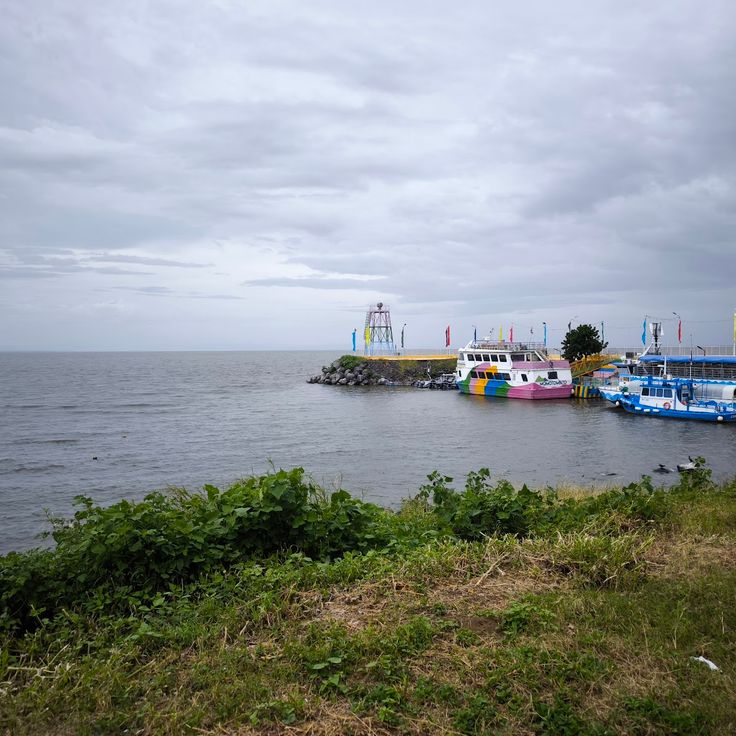
Port Salvador Allende in Managua sits on the shore of Lake Xolotlan. The port has restaurants and shops where you can taste local food or buy crafts and goods. A waterfront promenade gives you a place to walk along the water. At night, colorful lights shine across the port. Boats leave from here to explore the lake and visit small communities nearby. The port comes alive in the evening when locals and visitors gather to enjoy the air and water views.
South Caribbean Coast Autonomous Region, Nicaragua
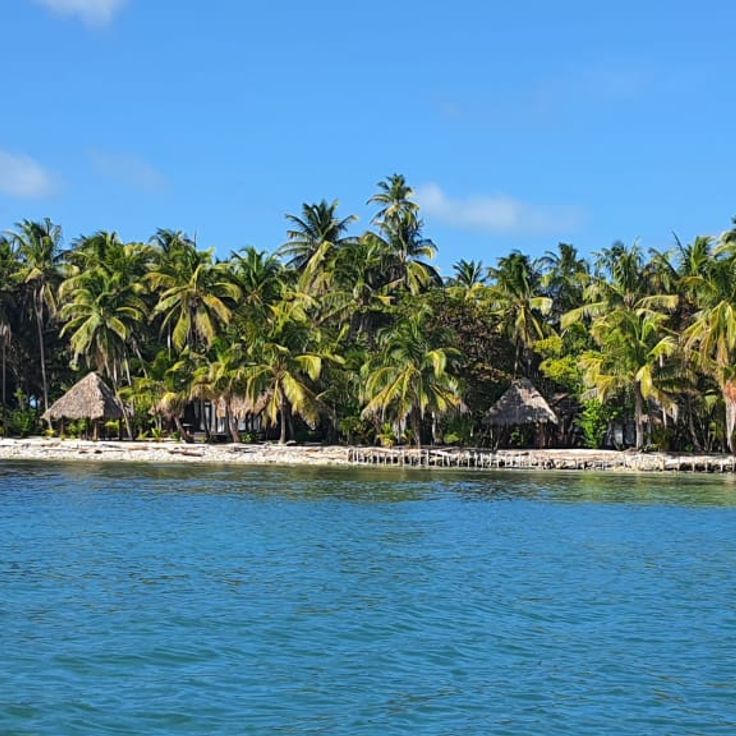
The Pearl Islands sit in the Caribbean off Nicaragua's southeast coast and form a group of 18 tropical islands. The water here is clear and perfect for diving and snorkeling. The beaches have fine white sand and are lined with coconut palms. These islands fit well with Nicaragua's character, defined by active volcanoes, long coastlines, and rich natural reserves. On the Pearl Islands, you experience the tropical side of the country with its small settlements and a slow-paced way of life shaped by the sea.
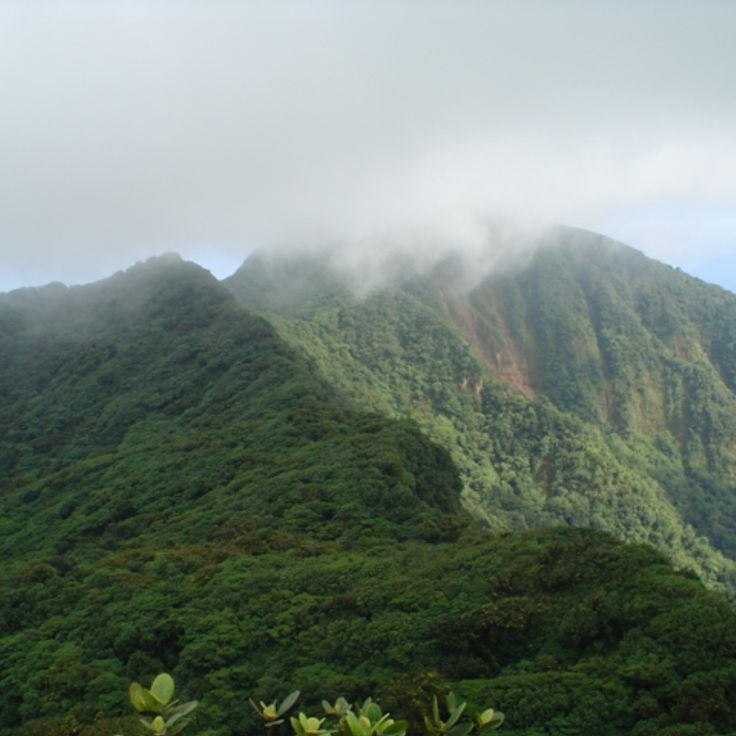
Mombacho Volcano rises above Granada, covered in cloud forest. Hiking trails wind through the dense vegetation, revealing rare plants and wildlife. From the summit, you can see across to Lake Nicaragua and the surrounding landscape. An information center helps visitors understand the natural environment. For those who prefer not to hike, all-terrain vehicles provide access to the upper reaches. The combination of natural beauty and accessibility makes this volcano a popular destination.
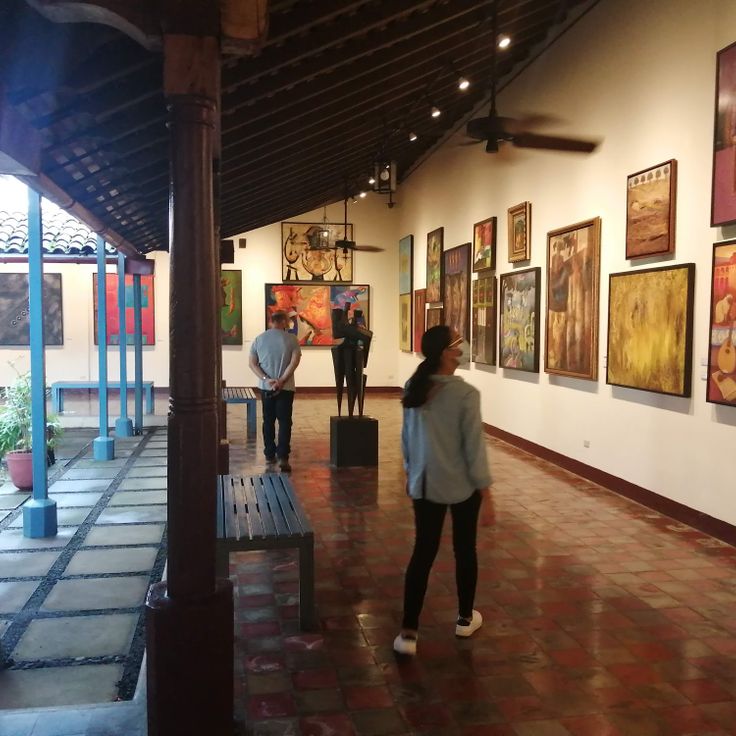
The Museo de Arte Fundación Ortiz-Gurdian displays Latin American and European art within two colonial buildings from the 18th century in downtown León. The thick stone structures house paintings and sculptures that reveal the artistic history of the region. As you walk through the rooms, you experience Spanish colonial architecture firsthand, which is itself part of the collection. The museum brings together artistic traditions from Latin America and Europe, showing how these cultures intersected in 18th-century Nicaragua.
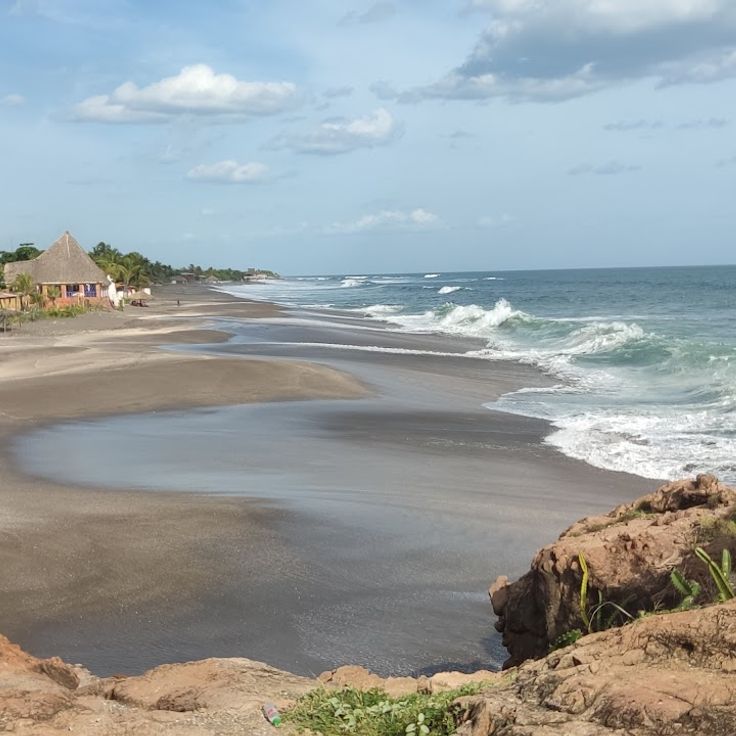
Las Peñitas is a fishing village on the Pacific coast near León. The beach has black sand and good waves for surfing. Local restaurants serve fresh seafood, and the pace of life follows the rhythms of fishing and the sea. You will find a quiet, authentic place where daily life centers on the ocean.
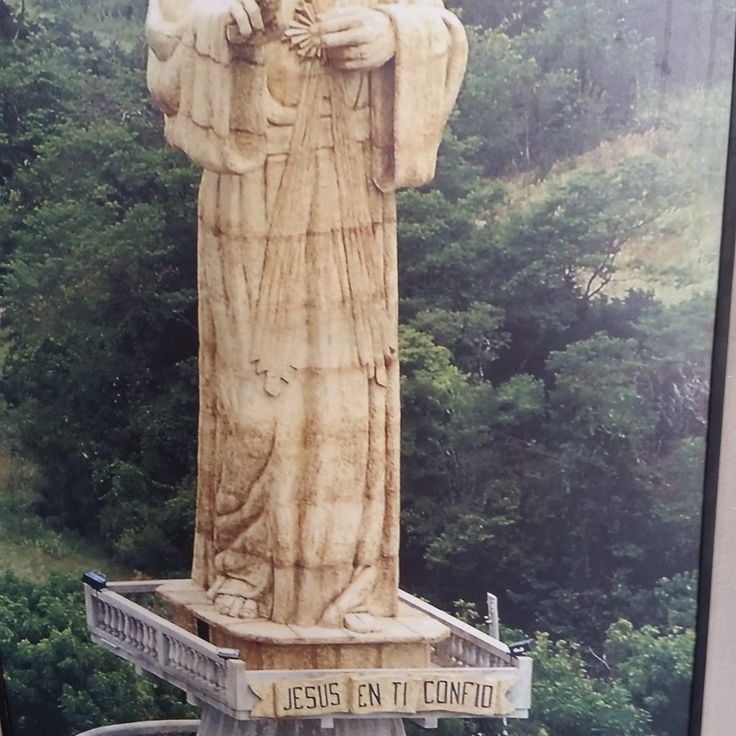
The Christ statue in San Juan del Sur rises 25 meters tall on a hillside overlooking the bay and the Pacific Ocean. From its elevated position, it dominates the landscape and can be seen from many points throughout the town. The statue serves as a landmark reflecting the religious importance of this coastal region and draws visitors who make the climb to enjoy the expansive views of the water and shoreline below.
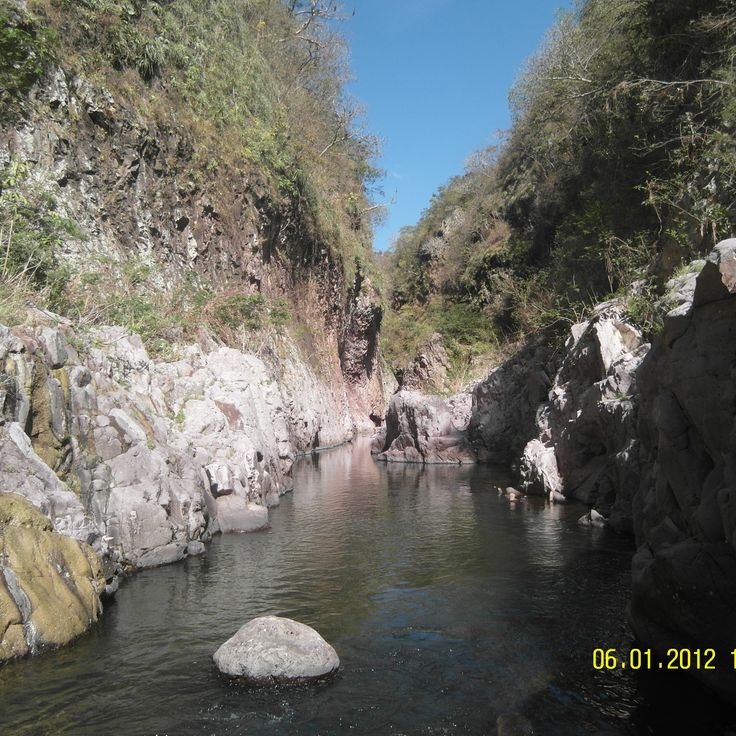
The Cañón de Somoto is a natural gorge in Nicaragua carved out by a river over thousands of years. Towering cliff walls rise on either side, creating a dramatic passage through the landscape. Local guides lead visitors through the canyon, where you can walk along the riverbed and swim in crystal-clear pools. The rock formations tell the geological story of the region. Walking through this canyon gives you a direct sense of how water shapes the land and reveals the raw natural forces that have molded Nicaragua.
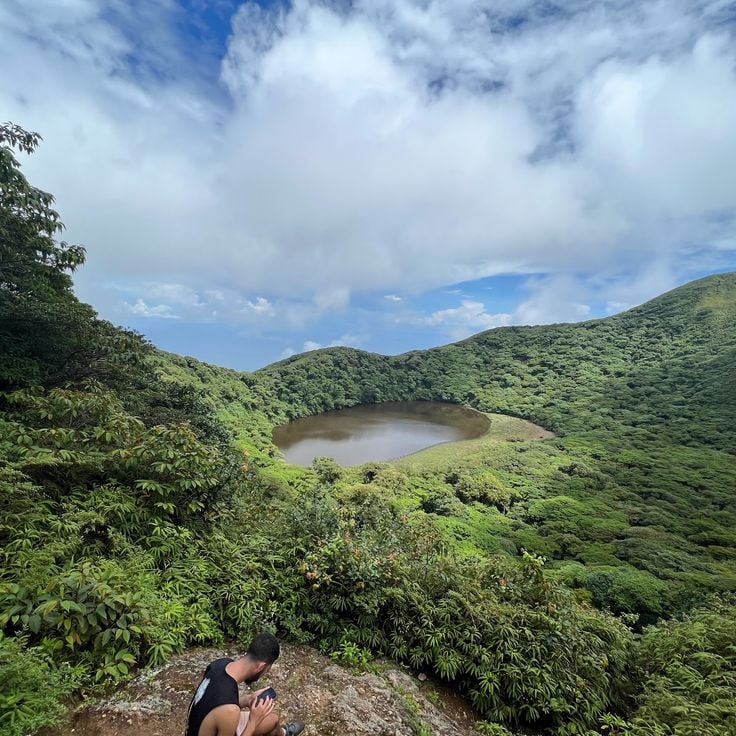
Volcan Maderas sits on Ometepe Island as an inactive volcano covered in tropical forest. Its slopes are home to monkeys and birds, and hikers climb its paths for views of other volcanoes and the lake below. A small crater lake at the summit offers views across the landscape.
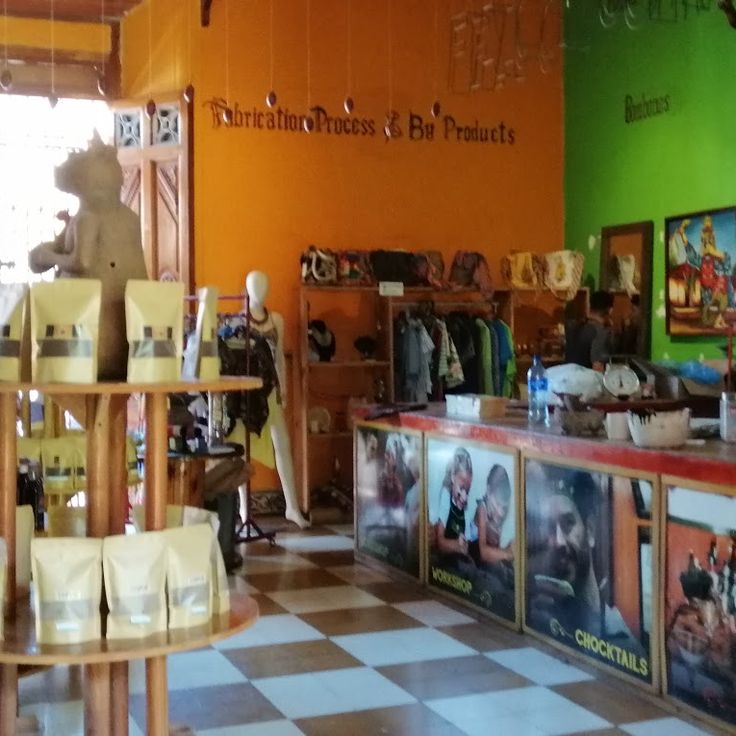
The Museo del Chocolate in Granada shows how cacao is processed in this country. The exhibits walk you through the different steps of chocolate making and tell the story of this production in Nicaragua. You learn how cacao beans are harvested, fermented, and roasted before becoming chocolate. The museum preserves the knowledge and traditions connected to this important resource.
Volcan Telica near León is an active volcano standing 1060 meters high. Its crater measures about 700 meters across and releases steam and gases regularly. Hot springs bubble up from the base of the mountain. The volcano has walking paths where you can experience the geological activity of the country directly. On clear nights, the glow of the fumaroles lights up the sky. The climb is demanding, but the views across León and the surrounding landscape reward the effort.
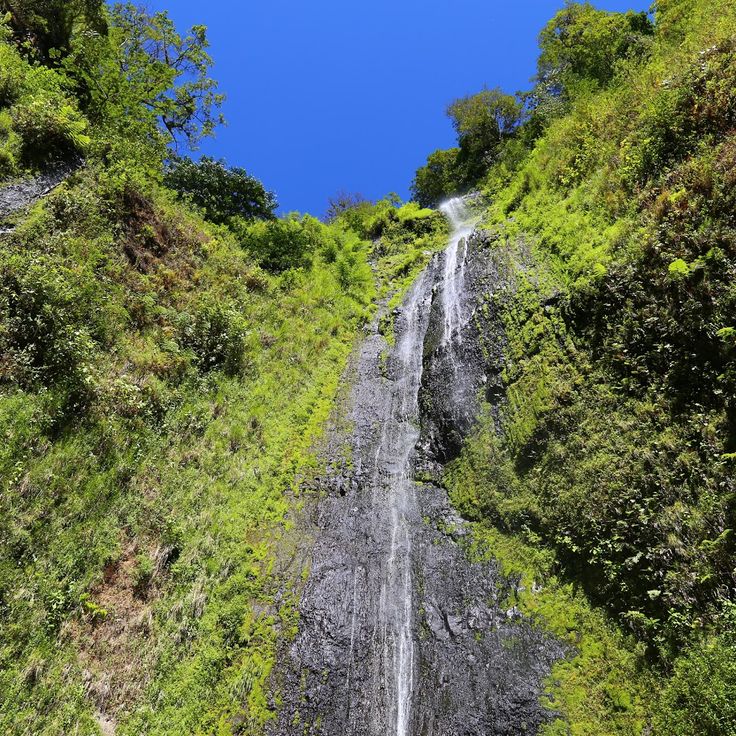
This waterfall sits on Ometepe Island and shows the power of water in a wild setting. The path goes through thick forest and reveals the plants of this volcanic island. A calming experience for visitors wanting to learn about the nature of this region.
The Indio Maíz Biological Reserve is a vast rainforest region along the Río San Juan where jaguars, howler monkeys, and manatees roam freely. This woodland hosts more than 400 bird species that nest and sing in the trees. The reserve shows how diverse nature can be in Nicaragua. Visitors can walk through one of Central America's last untouched rainforests and watch wild animals in their natural home.
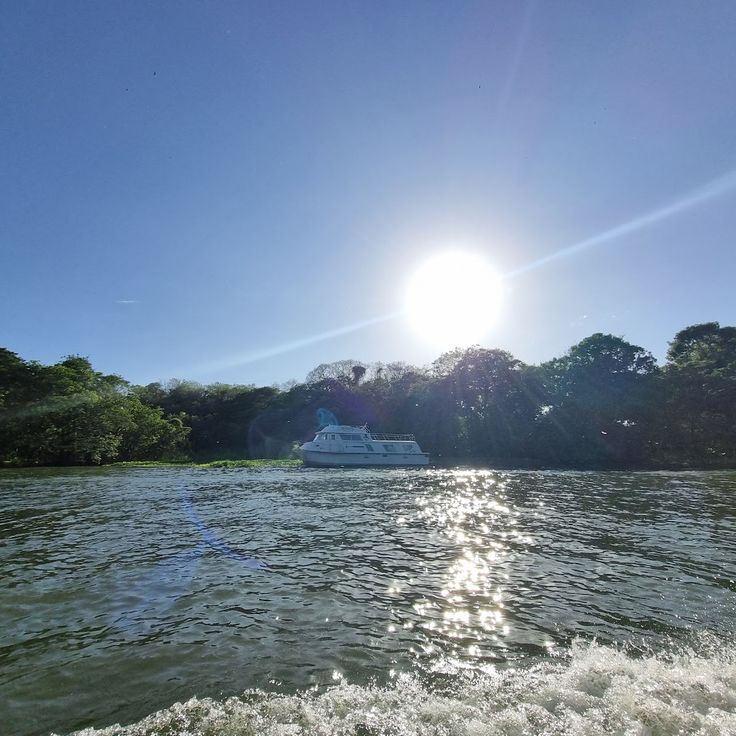
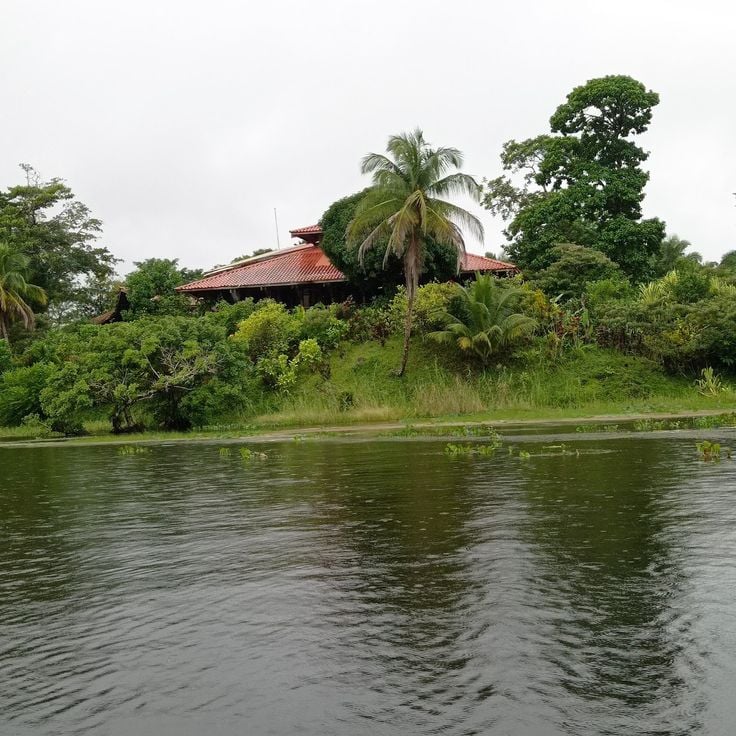
Los Guatuzos Nature Reserve is a vast wetland area along the Río San Juan where rivers, lagoons, and marshes form a habitat for caimans, turtles, and water birds. This place shows the wild side of Nicaragua, where nature thrives without human interference. The waterways wind through thick vegetation, and exploring by boat or on foot reveals the abundant wildlife that defines this landscape. The reserve exemplifies the natural treasures that make Nicaragua special.
The Miraflor Natural Reserve is a protected area in the highlands around Estelí that covers several hundred square kilometers. It contains different landscapes: dry zones, humid areas, and mountainous terrain. The reserve is home to various bird species and orchid varieties. Visitors walk through forests, meet local communities, and discover waterfalls along the trails.
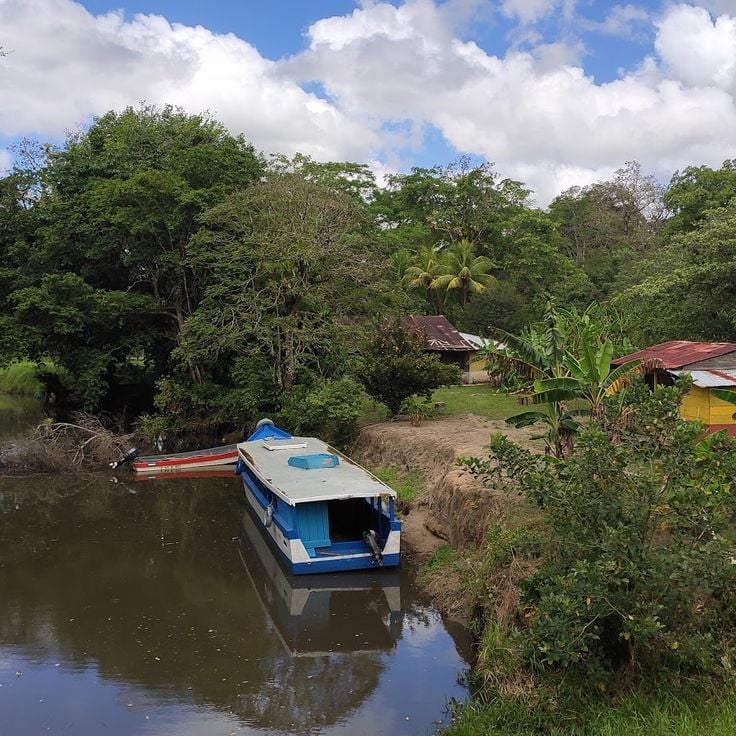
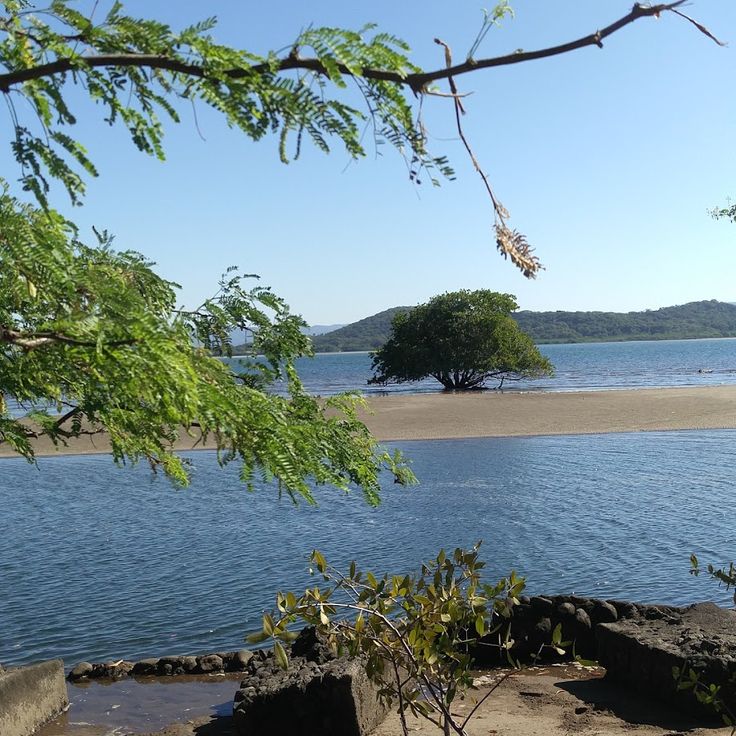
The mangrove ecosystem in this Nicaraguan estuary shelters crabs, fish, and sea turtles. Dense root systems provide protection and food for many species. During breeding season, sea turtles come to the estuary's shores to lay their eggs. These mangroves are part of the larger ecological system that spans from the Pacific coasts to the Caribbean waters.
South Caribbean Coast Autonomous Region, Nicaragua
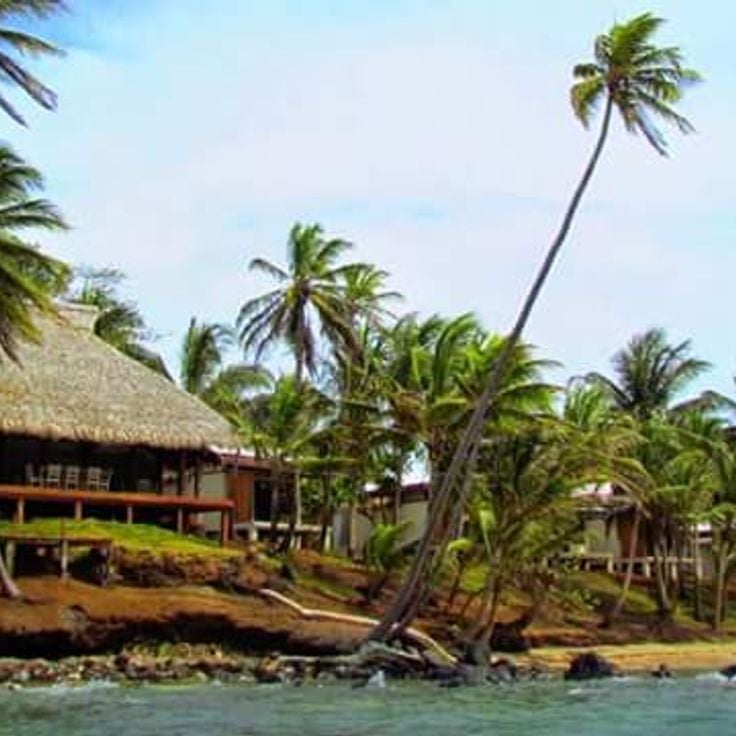
Corn Island sits in the Caribbean Sea off Nicaragua's southeastern coast. It is a place with white sand beaches and clear water where visitors can swim and dive. The island moves at a slow pace and keeps alive the traditions of Caribbean fishing communities. You will find mangroves along the shores, tropical plants, and the relaxed way of life of local people. The island offers a different side of Nicaragua compared to the volcanic landscapes of the mainland.
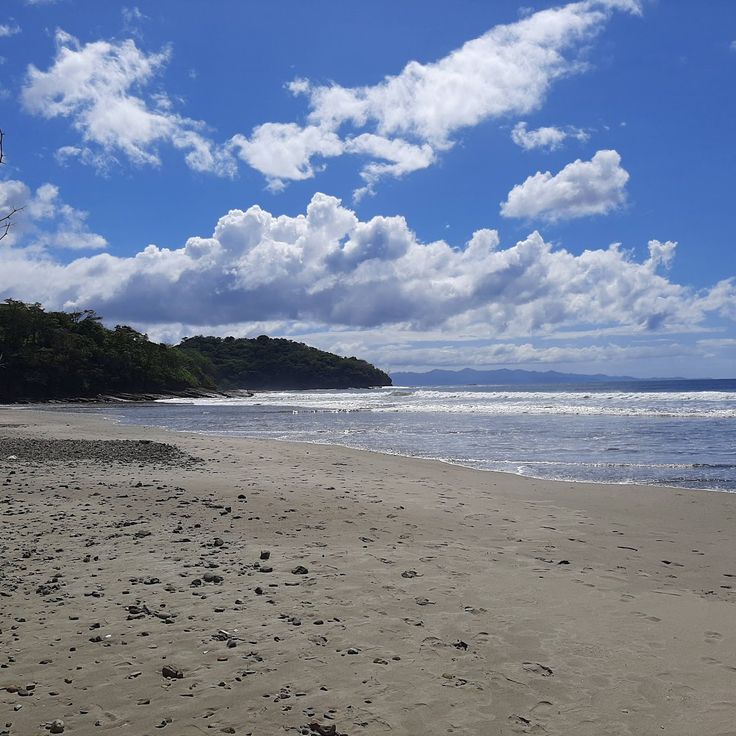
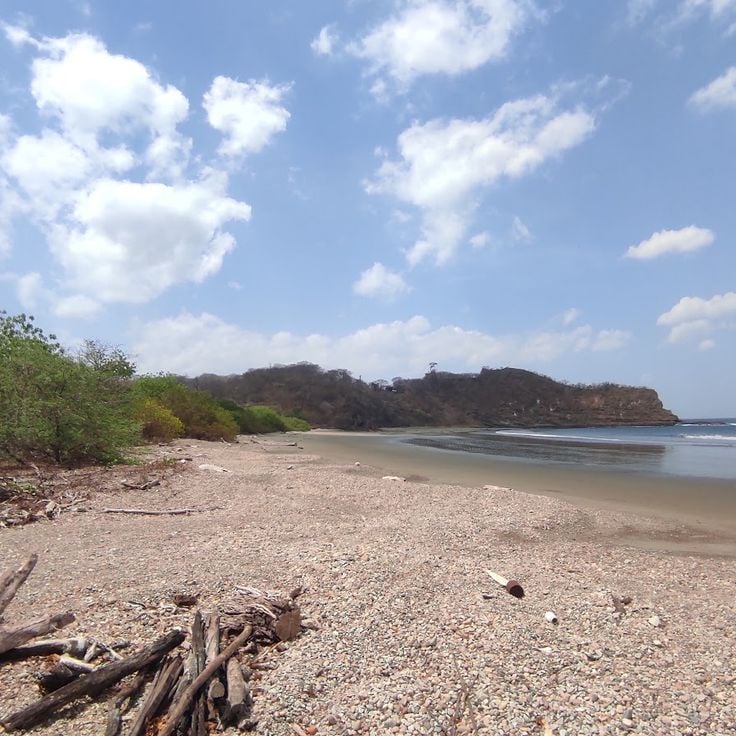
El Coco Beach in San Juan del Sur is a wide stretch of gray sand backed by forested hills. The water here offers good conditions for swimming and surfing. This beach fits perfectly into Nicaragua's varied natural landscape, where Pacific shores and tropical waters draw visitors looking for sun, water, and adventure.
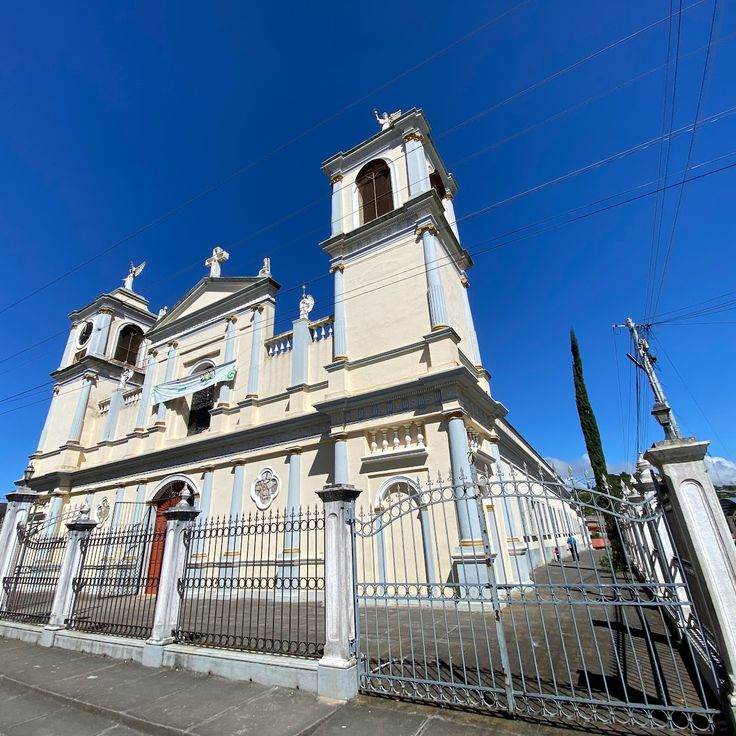
The Church of San Rafael Arcángel in San Rafael del Norte is a religious building constructed from red bricks in the 19th century. It displays the colonial architecture found throughout Nicaragua, with its characteristic two-level bell towers. This church represents one of the historical structures in the country that reflects Spanish influences and Nicaragua's religious past. You can visit this building to understand the craftsmanship and construction methods that were used during that period.
El Ostional in San Juan del Sur is a coastal zone stretching 800 meters, lined with palm trees where local fishermen anchor their boats and sell fresh fish. The beach reveals the daily rhythm of the fishing community, where traditional practices and ocean resources have been intertwined for generations.
Aserradores Beach in Chinandega stretches along black sand with regular waves that invite swimming and water sports. This coastline shows the variety of Nicaragua's Pacific shore, where nature and recreation meet. The black sand comes from the country's volcanoes and makes this beach a special place to rest and seek adventure in the water.
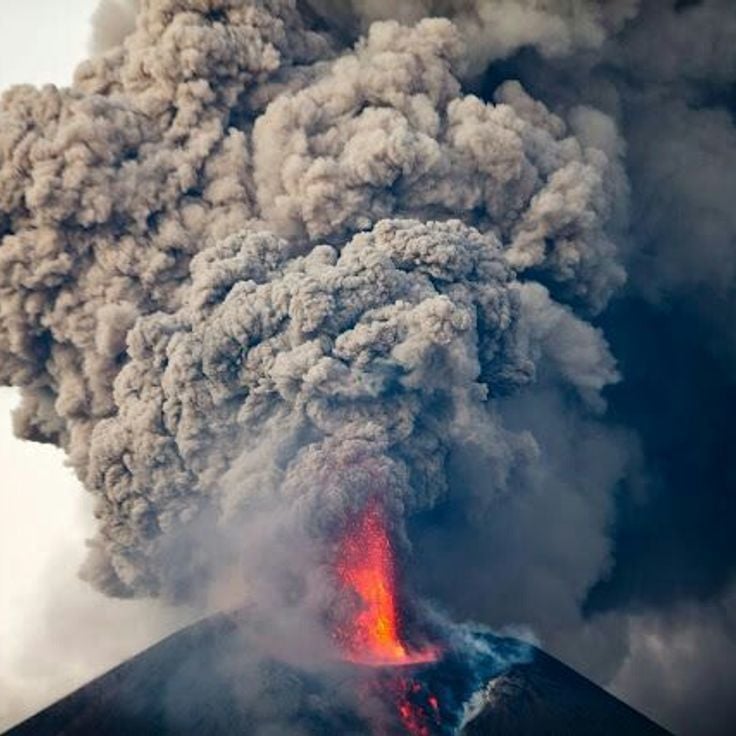
Momotombo Volcano in Managua is an active volcanic formation standing at 1297 meters high, regularly releasing smoke into the air. Its slopes are covered with black volcanic rock, telling the story of the geological forces that shaped Nicaragua. This volcano embodies the natural energy of the country and shows how the Earth here remains alive and constantly changing. Visitors can explore the raw lava fields and experience the power of nature firsthand.
Volcan Cosigüina is an 872-meter volcano in a nature reserve near Chinandega. It displays the active geology that shapes Nicaragua. Hiking trails climb through the landscape, offering views over the Gulf of Fonseca. The ascent connects you with the nature and history of this volcanic region.
This church in Ciudad Antigua was built in 1611 and displays the Spanish colonial architecture that the conquistadors brought to Nicaragua. The building features thick stone walls and combines Spanish and Moorish style elements. Standing in the old town, it tells the story of Nicaragua's past through its solid construction and the craftsmanship of earlier times.
San Juan del Sur beach is a coastal town on the Pacific with a crescent-shaped bay. The waterfront is lined with seafood restaurants and bars where locals and visitors gather. Fishing boats come and go, and the air carries the smell of salt and grilled fish. This beach fits into Nicaragua's network of shores that stretch from the Pacific to the Caribbean, offering a window into how coastal people live day by day.
Laguna de Apoyo is a body of water formed within a volcanic crater, measuring about 6.6 kilometers across. Tropical forests surround the lagoon, and it is home to animal and plant species found nowhere else. The water is clean and inviting for swimming. Trails circle the lagoon through the forest, where you can spot birds and experience the quiet of nature. Local fishermen still use the water in traditional ways, and small villages along the shore offer simple lodging for visitors.
Cerro Negro near Leon is an active volcano with dark rock and continuous fumarole activity. Its slopes are covered with volcanic ash. The climb to the summit offers hikers a view of the crater and reveals the geological power that shapes Nicaragua.
The Isletas de Granada are a group of about 365 islands of volcanic origin in Lake Nicaragua. These small islands are home to tropical birds and inhabited by local fishermen who grow fruit. The islands form the heart of lake exploration and offer boat rides past traditional fishing villages where life follows age-old patterns. The water between the islands is calm and green, vegetation thick and untamed. Many islands are tiny, holding just a few houses and boats, while others support small communities. The sound of bird calls fills the air, and you often see fishing nets drying in the sun.
Ometepe Island sits in Lake Nicaragua and is shaped by two volcanoes: Concepción and Maderas. The island shows the geological history of the region with its dark sand beaches and thermal springs. Petroglyphs from pre-Columbian times remain here, marking the presence of early inhabitants. The island offers trails through forests and to waterfalls, while fishers continue their traditional practices.
Volcan Masaya National Park is a protected area containing two volcanoes and five craters. The Santiago volcano displays constant activity with gas emissions and visible lava that can be observed from the access road. This park allows visitors to experience the raw power of nature firsthand and understand the geological processes that have shaped Nicaragua.
The Cathedral of the Assumption in León is a religious building constructed between 1747 and 1814. Its walls are thick and sturdy, built to last, while the roof features four domes that shape the structure's appearance. The architecture blends Baroque and Neoclassical styles, reflecting the different periods of its construction. This cathedral shows how Spanish builders brought their construction techniques and artistic vision to Nicaragua. Visitors can see the solid stone walls and appreciate the proportions that make this building an important example of colonial architecture in the country.
Volcan Concepcion is a stratovolcano on Ometepe Island in Lake Nicaragua. Standing at 1610 meters (5,282 feet) high, it forms the northern part of this volcanic island. The volcano remains active and regularly releases steam from cracks in its slopes. Its last major eruption occurred in 2010. The mountain offers hikers steep trails leading to the summit, where views stretch across the lake and toward the southern island of Maderas. On clear days, you can see the Nicaraguan coastline from the top. The climb is demanding but rewards visitors with views of the region's volcanic landscape.
The Church of Merced in Granada is a baroque building built in 1783 that shows the country's architectural history. Its bell tower offers views over the city and the lake. Inside, you can see carved columns and painted ceilings created by skilled craftspeople. This building shows how Spanish colonizers left their mark on Nicaragua.
Port Salvador Allende in Managua sits on the shore of Lake Xolotlan. The port has restaurants and shops where you can taste local food or buy crafts and goods. A waterfront promenade gives you a place to walk along the water. At night, colorful lights shine across the port. Boats leave from here to explore the lake and visit small communities nearby. The port comes alive in the evening when locals and visitors gather to enjoy the air and water views.
South Caribbean Coast Autonomous Region, Nicaragua
The Pearl Islands sit in the Caribbean off Nicaragua's southeast coast and form a group of 18 tropical islands. The water here is clear and perfect for diving and snorkeling. The beaches have fine white sand and are lined with coconut palms. These islands fit well with Nicaragua's character, defined by active volcanoes, long coastlines, and rich natural reserves. On the Pearl Islands, you experience the tropical side of the country with its small settlements and a slow-paced way of life shaped by the sea.
Mombacho Volcano rises above Granada, covered in cloud forest. Hiking trails wind through the dense vegetation, revealing rare plants and wildlife. From the summit, you can see across to Lake Nicaragua and the surrounding landscape. An information center helps visitors understand the natural environment. For those who prefer not to hike, all-terrain vehicles provide access to the upper reaches. The combination of natural beauty and accessibility makes this volcano a popular destination.
The Museo de Arte Fundación Ortiz-Gurdian displays Latin American and European art within two colonial buildings from the 18th century in downtown León. The thick stone structures house paintings and sculptures that reveal the artistic history of the region. As you walk through the rooms, you experience Spanish colonial architecture firsthand, which is itself part of the collection. The museum brings together artistic traditions from Latin America and Europe, showing how these cultures intersected in 18th-century Nicaragua.
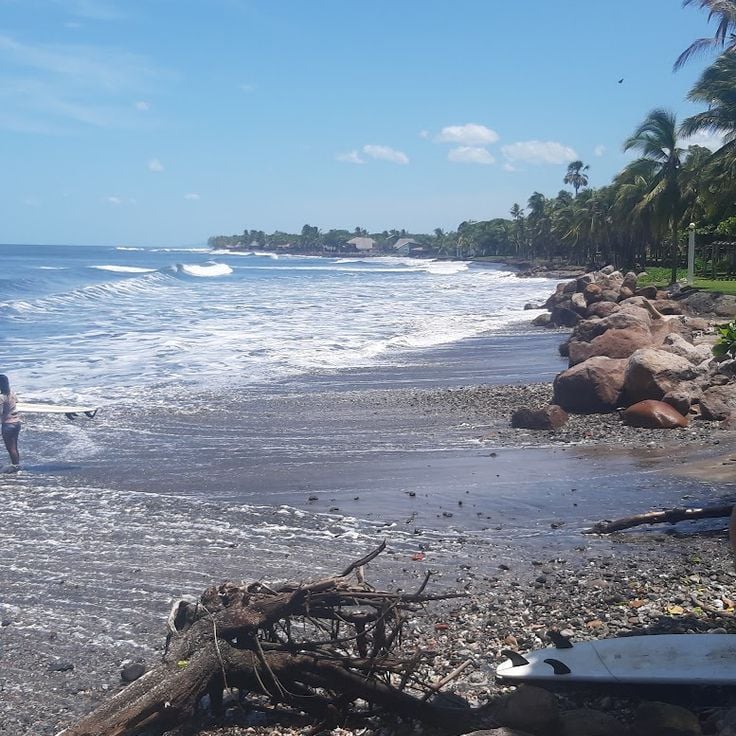
Las Peñitas is a fishing village on the Pacific coast near León. The beach has black sand and good waves for surfing. Local restaurants serve fresh seafood, and the pace of life follows the rhythms of fishing and the sea. You will find a quiet, authentic place where daily life centers on the ocean.
The Christ statue in San Juan del Sur rises 25 meters tall on a hillside overlooking the bay and the Pacific Ocean. From its elevated position, it dominates the landscape and can be seen from many points throughout the town. The statue serves as a landmark reflecting the religious importance of this coastal region and draws visitors who make the climb to enjoy the expansive views of the water and shoreline below.
The Cañón de Somoto is a natural gorge in Nicaragua carved out by a river over thousands of years. Towering cliff walls rise on either side, creating a dramatic passage through the landscape. Local guides lead visitors through the canyon, where you can walk along the riverbed and swim in crystal-clear pools. The rock formations tell the geological story of the region. Walking through this canyon gives you a direct sense of how water shapes the land and reveals the raw natural forces that have molded Nicaragua.
Volcan Maderas sits on Ometepe Island as an inactive volcano covered in tropical forest. Its slopes are home to monkeys and birds, and hikers climb its paths for views of other volcanoes and the lake below. A small crater lake at the summit offers views across the landscape.
The Museo del Chocolate in Granada shows how cacao is processed in this country. The exhibits walk you through the different steps of chocolate making and tell the story of this production in Nicaragua. You learn how cacao beans are harvested, fermented, and roasted before becoming chocolate. The museum preserves the knowledge and traditions connected to this important resource.
Volcan Telica near León is an active volcano standing 1060 meters high. Its crater measures about 700 meters across and releases steam and gases regularly. Hot springs bubble up from the base of the mountain. The volcano has walking paths where you can experience the geological activity of the country directly. On clear nights, the glow of the fumaroles lights up the sky. The climb is demanding, but the views across León and the surrounding landscape reward the effort.
This waterfall sits on Ometepe Island and shows the power of water in a wild setting. The path goes through thick forest and reveals the plants of this volcanic island. A calming experience for visitors wanting to learn about the nature of this region.
The Indio Maíz Biological Reserve is a vast rainforest region along the Río San Juan where jaguars, howler monkeys, and manatees roam freely. This woodland hosts more than 400 bird species that nest and sing in the trees. The reserve shows how diverse nature can be in Nicaragua. Visitors can walk through one of Central America's last untouched rainforests and watch wild animals in their natural home.
Los Guatuzos Nature Reserve is a vast wetland area along the Río San Juan where rivers, lagoons, and marshes form a habitat for caimans, turtles, and water birds. This place shows the wild side of Nicaragua, where nature thrives without human interference. The waterways wind through thick vegetation, and exploring by boat or on foot reveals the abundant wildlife that defines this landscape. The reserve exemplifies the natural treasures that make Nicaragua special.
The Miraflor Natural Reserve is a protected area in the highlands around Estelí that covers several hundred square kilometers. It contains different landscapes: dry zones, humid areas, and mountainous terrain. The reserve is home to various bird species and orchid varieties. Visitors walk through forests, meet local communities, and discover waterfalls along the trails.
The mangrove ecosystem in this Nicaraguan estuary shelters crabs, fish, and sea turtles. Dense root systems provide protection and food for many species. During breeding season, sea turtles come to the estuary's shores to lay their eggs. These mangroves are part of the larger ecological system that spans from the Pacific coasts to the Caribbean waters.
South Caribbean Coast Autonomous Region, Nicaragua
Corn Island sits in the Caribbean Sea off Nicaragua's southeastern coast. It is a place with white sand beaches and clear water where visitors can swim and dive. The island moves at a slow pace and keeps alive the traditions of Caribbean fishing communities. You will find mangroves along the shores, tropical plants, and the relaxed way of life of local people. The island offers a different side of Nicaragua compared to the volcanic landscapes of the mainland.
El Coco Beach in San Juan del Sur is a wide stretch of gray sand backed by forested hills. The water here offers good conditions for swimming and surfing. This beach fits perfectly into Nicaragua's varied natural landscape, where Pacific shores and tropical waters draw visitors looking for sun, water, and adventure.
The Church of San Rafael Arcángel in San Rafael del Norte is a religious building constructed from red bricks in the 19th century. It displays the colonial architecture found throughout Nicaragua, with its characteristic two-level bell towers. This church represents one of the historical structures in the country that reflects Spanish influences and Nicaragua's religious past. You can visit this building to understand the craftsmanship and construction methods that were used during that period.
El Ostional in San Juan del Sur is a coastal zone stretching 800 meters, lined with palm trees where local fishermen anchor their boats and sell fresh fish. The beach reveals the daily rhythm of the fishing community, where traditional practices and ocean resources have been intertwined for generations.
Aserradores Beach in Chinandega stretches along black sand with regular waves that invite swimming and water sports. This coastline shows the variety of Nicaragua's Pacific shore, where nature and recreation meet. The black sand comes from the country's volcanoes and makes this beach a special place to rest and seek adventure in the water.
Momotombo Volcano in Managua is an active volcanic formation standing at 1297 meters high, regularly releasing smoke into the air. Its slopes are covered with black volcanic rock, telling the story of the geological forces that shaped Nicaragua. This volcano embodies the natural energy of the country and shows how the Earth here remains alive and constantly changing. Visitors can explore the raw lava fields and experience the power of nature firsthand.
Volcan Cosigüina is an 872-meter volcano in a nature reserve near Chinandega. It displays the active geology that shapes Nicaragua. Hiking trails climb through the landscape, offering views over the Gulf of Fonseca. The ascent connects you with the nature and history of this volcanic region.
This church in Ciudad Antigua was built in 1611 and displays the Spanish colonial architecture that the conquistadors brought to Nicaragua. The building features thick stone walls and combines Spanish and Moorish style elements. Standing in the old town, it tells the story of Nicaragua's past through its solid construction and the craftsmanship of earlier times.
San Juan del Sur beach is a coastal town on the Pacific with a crescent-shaped bay. The waterfront is lined with seafood restaurants and bars where locals and visitors gather. Fishing boats come and go, and the air carries the smell of salt and grilled fish. This beach fits into Nicaragua's network of shores that stretch from the Pacific to the Caribbean, offering a window into how coastal people live day by day.
Laguna de Apoyo is a body of water formed within a volcanic crater, measuring about 6.6 kilometers across. Tropical forests surround the lagoon, and it is home to animal and plant species found nowhere else. The water is clean and inviting for swimming. Trails circle the lagoon through the forest, where you can spot birds and experience the quiet of nature. Local fishermen still use the water in traditional ways, and small villages along the shore offer simple lodging for visitors.
Cerro Negro near Leon is an active volcano with dark rock and continuous fumarole activity. Its slopes are covered with volcanic ash. The climb to the summit offers hikers a view of the crater and reveals the geological power that shapes Nicaragua.
The Isletas de Granada are a group of about 365 islands of volcanic origin in Lake Nicaragua. These small islands are home to tropical birds and inhabited by local fishermen who grow fruit. The islands form the heart of lake exploration and offer boat rides past traditional fishing villages where life follows age-old patterns. The water between the islands is calm and green, vegetation thick and untamed. Many islands are tiny, holding just a few houses and boats, while others support small communities. The sound of bird calls fills the air, and you often see fishing nets drying in the sun.
Ometepe Island sits in Lake Nicaragua and is shaped by two volcanoes: Concepción and Maderas. The island shows the geological history of the region with its dark sand beaches and thermal springs. Petroglyphs from pre-Columbian times remain here, marking the presence of early inhabitants. The island offers trails through forests and to waterfalls, while fishers continue their traditional practices.
Volcan Masaya National Park is a protected area containing two volcanoes and five craters. The Santiago volcano displays constant activity with gas emissions and visible lava that can be observed from the access road. This park allows visitors to experience the raw power of nature firsthand and understand the geological processes that have shaped Nicaragua.
The Cathedral of the Assumption in León is a religious building constructed between 1747 and 1814. Its walls are thick and sturdy, built to last, while the roof features four domes that shape the structure's appearance. The architecture blends Baroque and Neoclassical styles, reflecting the different periods of its construction. This cathedral shows how Spanish builders brought their construction techniques and artistic vision to Nicaragua. Visitors can see the solid stone walls and appreciate the proportions that make this building an important example of colonial architecture in the country.
Volcan Concepcion is a stratovolcano on Ometepe Island in Lake Nicaragua. Standing at 1610 meters (5,282 feet) high, it forms the northern part of this volcanic island. The volcano remains active and regularly releases steam from cracks in its slopes. Its last major eruption occurred in 2010. The mountain offers hikers steep trails leading to the summit, where views stretch across the lake and toward the southern island of Maderas. On clear days, you can see the Nicaraguan coastline from the top. The climb is demanding but rewards visitors with views of the region's volcanic landscape.
The Church of Merced in Granada is a baroque building built in 1783 that shows the country's architectural history. Its bell tower offers views over the city and the lake. Inside, you can see carved columns and painted ceilings created by skilled craftspeople. This building shows how Spanish colonizers left their mark on Nicaragua.
Port Salvador Allende in Managua sits on the shore of Lake Xolotlan. The port has restaurants and shops where you can taste local food or buy crafts and goods. A waterfront promenade gives you a place to walk along the water. At night, colorful lights shine across the port. Boats leave from here to explore the lake and visit small communities nearby. The port comes alive in the evening when locals and visitors gather to enjoy the air and water views.
South Caribbean Coast Autonomous Region, Nicaragua
The Pearl Islands sit in the Caribbean off Nicaragua's southeast coast and form a group of 18 tropical islands. The water here is clear and perfect for diving and snorkeling. The beaches have fine white sand and are lined with coconut palms. These islands fit well with Nicaragua's character, defined by active volcanoes, long coastlines, and rich natural reserves. On the Pearl Islands, you experience the tropical side of the country with its small settlements and a slow-paced way of life shaped by the sea.
Mombacho Volcano rises above Granada, covered in cloud forest. Hiking trails wind through the dense vegetation, revealing rare plants and wildlife. From the summit, you can see across to Lake Nicaragua and the surrounding landscape. An information center helps visitors understand the natural environment. For those who prefer not to hike, all-terrain vehicles provide access to the upper reaches. The combination of natural beauty and accessibility makes this volcano a popular destination.
The Museo de Arte Fundación Ortiz-Gurdian displays Latin American and European art within two colonial buildings from the 18th century in downtown León. The thick stone structures house paintings and sculptures that reveal the artistic history of the region. As you walk through the rooms, you experience Spanish colonial architecture firsthand, which is itself part of the collection. The museum brings together artistic traditions from Latin America and Europe, showing how these cultures intersected in 18th-century Nicaragua.
Las Peñitas is a fishing village on the Pacific coast near León. The beach has black sand and good waves for surfing. Local restaurants serve fresh seafood, and the pace of life follows the rhythms of fishing and the sea. You will find a quiet, authentic place where daily life centers on the ocean.
The Christ statue in San Juan del Sur rises 25 meters tall on a hillside overlooking the bay and the Pacific Ocean. From its elevated position, it dominates the landscape and can be seen from many points throughout the town. The statue serves as a landmark reflecting the religious importance of this coastal region and draws visitors who make the climb to enjoy the expansive views of the water and shoreline below.
The Cañón de Somoto is a natural gorge in Nicaragua carved out by a river over thousands of years. Towering cliff walls rise on either side, creating a dramatic passage through the landscape. Local guides lead visitors through the canyon, where you can walk along the riverbed and swim in crystal-clear pools. The rock formations tell the geological story of the region. Walking through this canyon gives you a direct sense of how water shapes the land and reveals the raw natural forces that have molded Nicaragua.
Volcan Maderas sits on Ometepe Island as an inactive volcano covered in tropical forest. Its slopes are home to monkeys and birds, and hikers climb its paths for views of other volcanoes and the lake below. A small crater lake at the summit offers views across the landscape.
The Museo del Chocolate in Granada shows how cacao is processed in this country. The exhibits walk you through the different steps of chocolate making and tell the story of this production in Nicaragua. You learn how cacao beans are harvested, fermented, and roasted before becoming chocolate. The museum preserves the knowledge and traditions connected to this important resource.
Volcan Telica near León is an active volcano standing 1060 meters high. Its crater measures about 700 meters across and releases steam and gases regularly. Hot springs bubble up from the base of the mountain. The volcano has walking paths where you can experience the geological activity of the country directly. On clear nights, the glow of the fumaroles lights up the sky. The climb is demanding, but the views across León and the surrounding landscape reward the effort.
This waterfall sits on Ometepe Island and shows the power of water in a wild setting. The path goes through thick forest and reveals the plants of this volcanic island. A calming experience for visitors wanting to learn about the nature of this region.
The Indio Maíz Biological Reserve is a vast rainforest region along the Río San Juan where jaguars, howler monkeys, and manatees roam freely. This woodland hosts more than 400 bird species that nest and sing in the trees. The reserve shows how diverse nature can be in Nicaragua. Visitors can walk through one of Central America's last untouched rainforests and watch wild animals in their natural home.
Los Guatuzos Nature Reserve is a vast wetland area along the Río San Juan where rivers, lagoons, and marshes form a habitat for caimans, turtles, and water birds. This place shows the wild side of Nicaragua, where nature thrives without human interference. The waterways wind through thick vegetation, and exploring by boat or on foot reveals the abundant wildlife that defines this landscape. The reserve exemplifies the natural treasures that make Nicaragua special.
The Miraflor Natural Reserve is a protected area in the highlands around Estelí that covers several hundred square kilometers. It contains different landscapes: dry zones, humid areas, and mountainous terrain. The reserve is home to various bird species and orchid varieties. Visitors walk through forests, meet local communities, and discover waterfalls along the trails.
The mangrove ecosystem in this Nicaraguan estuary shelters crabs, fish, and sea turtles. Dense root systems provide protection and food for many species. During breeding season, sea turtles come to the estuary's shores to lay their eggs. These mangroves are part of the larger ecological system that spans from the Pacific coasts to the Caribbean waters.
South Caribbean Coast Autonomous Region, Nicaragua
Corn Island sits in the Caribbean Sea off Nicaragua's southeastern coast. It is a place with white sand beaches and clear water where visitors can swim and dive. The island moves at a slow pace and keeps alive the traditions of Caribbean fishing communities. You will find mangroves along the shores, tropical plants, and the relaxed way of life of local people. The island offers a different side of Nicaragua compared to the volcanic landscapes of the mainland.
El Coco Beach in San Juan del Sur is a wide stretch of gray sand backed by forested hills. The water here offers good conditions for swimming and surfing. This beach fits perfectly into Nicaragua's varied natural landscape, where Pacific shores and tropical waters draw visitors looking for sun, water, and adventure.
The Church of San Rafael Arcángel in San Rafael del Norte is a religious building constructed from red bricks in the 19th century. It displays the colonial architecture found throughout Nicaragua, with its characteristic two-level bell towers. This church represents one of the historical structures in the country that reflects Spanish influences and Nicaragua's religious past. You can visit this building to understand the craftsmanship and construction methods that were used during that period.
El Ostional in San Juan del Sur is a coastal zone stretching 800 meters, lined with palm trees where local fishermen anchor their boats and sell fresh fish. The beach reveals the daily rhythm of the fishing community, where traditional practices and ocean resources have been intertwined for generations.
Aserradores Beach in Chinandega stretches along black sand with regular waves that invite swimming and water sports. This coastline shows the variety of Nicaragua's Pacific shore, where nature and recreation meet. The black sand comes from the country's volcanoes and makes this beach a special place to rest and seek adventure in the water.
Momotombo Volcano in Managua is an active volcanic formation standing at 1297 meters high, regularly releasing smoke into the air. Its slopes are covered with black volcanic rock, telling the story of the geological forces that shaped Nicaragua. This volcano embodies the natural energy of the country and shows how the Earth here remains alive and constantly changing. Visitors can explore the raw lava fields and experience the power of nature firsthand.