Masaya Volcano National Park, Active volcanic formation in Pacific region, Nicaragua
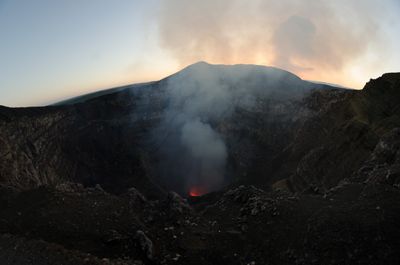
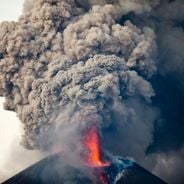
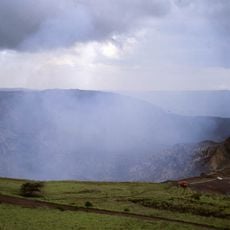
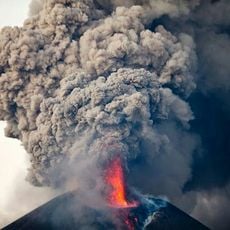
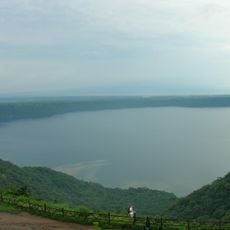
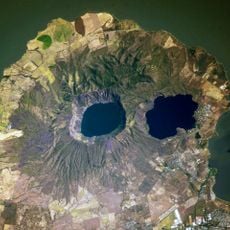
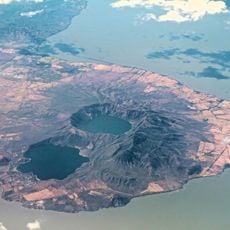
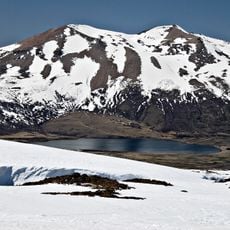
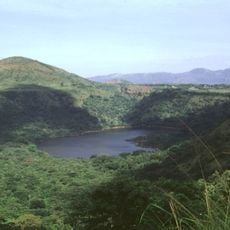
Masaya Volcano National Park is a protected nature reserve in Nicaragua's Pacific region featuring the Santiago Crater as its main landmark. The crater sits between the Nindiri and Masaya volcanoes and continuously releases sulfur dioxide gas from its depths.
The caldera formed approximately 2500 years ago from a basaltic eruption that expelled massive amounts of rock and ash. The site was later designated as Nicaragua's first national park in 1979, giving it official protection.
The park takes its name from the nearby volcano and holds spiritual significance for local communities who have inhabited the region for centuries. The volcanic landscape shapes the identity of the area and draws those interested in understanding the geology of Central America.
Visitors can explore the park through organized day and night tours, each offering different perspectives depending on the time of visit. It's advisable to wear comfortable shoes and prepare for changing conditions, as the ground is uneven and the air can feel heavy due to gas emissions.
At night, a visible lava lake can be seen in the Santiago Crater, accompanied by underground sounds resembling ocean waves. This rare display makes a nighttime visit to the park particularly memorable and different from typical volcanic experiences.
The community of curious travelers
AroundUs brings together thousands of curated places, local tips, and hidden gems, enriched daily by 60,000 contributors worldwide.