See the monuments around you in AROpen chests in the app
Around Us is built for your phone — point your camera at the streets and discover the monuments and places around you in augmented reality.Around Us is built for your phone — chests unlock when you walk, explore and capture nearby places.
Architecture and culture in Sao Paulo: modern buildings, historic sites
São Paulo blends modern architecture with rich cultural diversity. The city displays tall buildings alongside historic structures, museums, and parks that shape its character. From Paulista Avenue to Ibirapuera Park and the Cathedral, each place tells part of Brazil's artistic and historical story.
Walking through São Paulo, you encounter a mix of different styles and periods. Modern skyscrapers like the Copan Building and Italia Building stand next to colonial structures. Museums such as the São Paulo Art Museum and Pinacoteca showcase Brazilian and international works. Parks like Ibirapuera and the Botanical Garden offer green spaces within the city.
Each neighborhood has its own feel. Vila Madalena draws visitors with street art and nightlife, while Liberdade reflects Japanese heritage. The Central Market offers local foods and products. Whether you care about buildings, art, or daily life, São Paulo offers much to explore.
Architecture and culture in Sao Paulo: modern buildings, historic sites
São Paulo blends modern architecture with rich cultural diversity. The city displays tall buildings alongside historic structures, museums, and parks that shape its character. From Paulista Avenue to Ibirapuera Park and the Cathedral, each place tells part of Brazil's artistic and historical story.
Walking through São Paulo, you encounter a mix of different styles and periods. Modern skyscrapers like the Copan Building and Italia Building stand next to colonial structures. Museums such as the São Paulo Art Museum and Pinacoteca showcase Brazilian and international works. Parks like Ibirapuera and the Botanical Garden offer green spaces within the city.
Each neighborhood has its own feel. Vila Madalena draws visitors with street art and nightlife, while Liberdade reflects Japanese heritage. The Central Market offers local foods and products. Whether you care about buildings, art, or daily life, São Paulo offers much to explore.
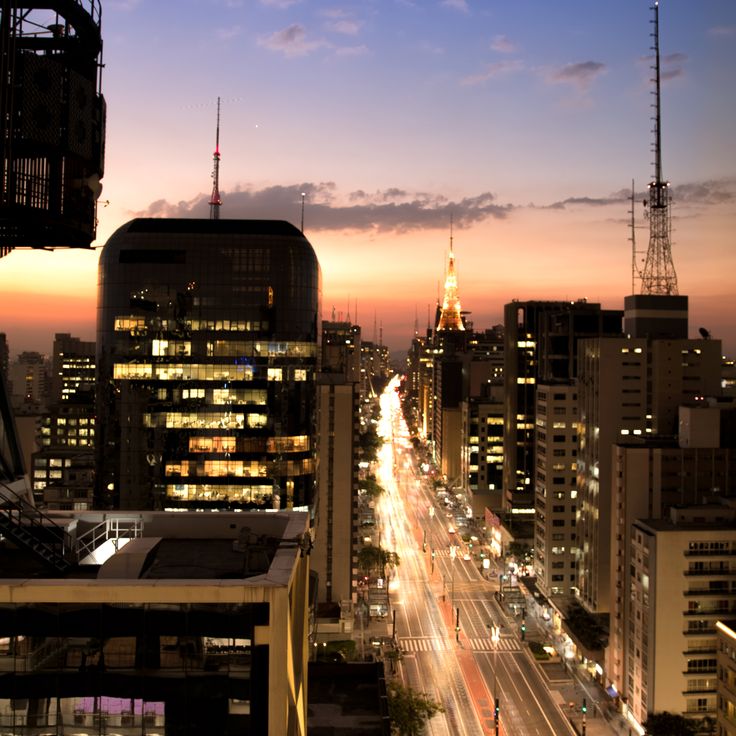
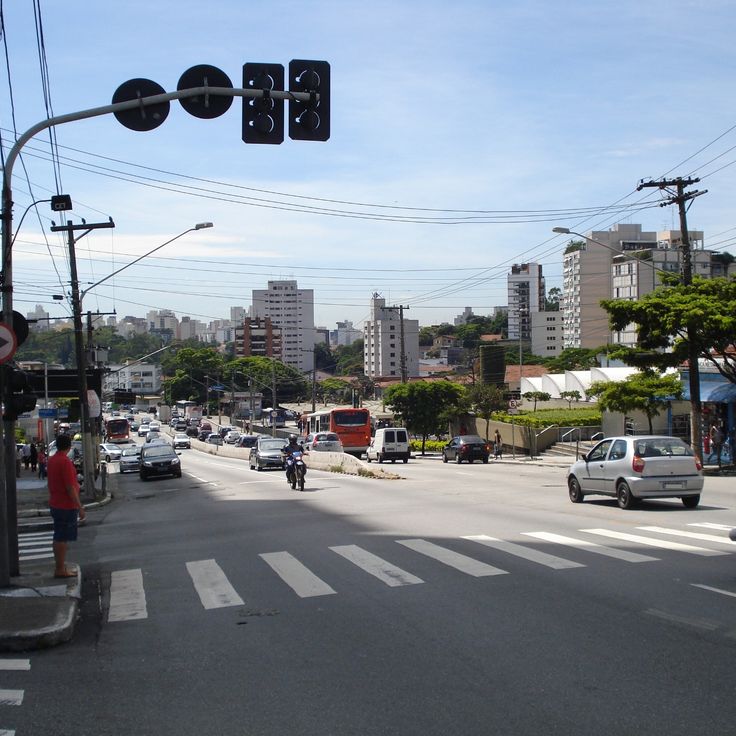
Paulista Avenue is a central street in this metropolis that combines architecture and culture. Along this boulevard stand bank buildings, corporate headquarters, art galleries, cinemas and restaurants. The street showcases the modern side of São Paulo and invites visitors to walk and discover contemporary Brazilian culture.
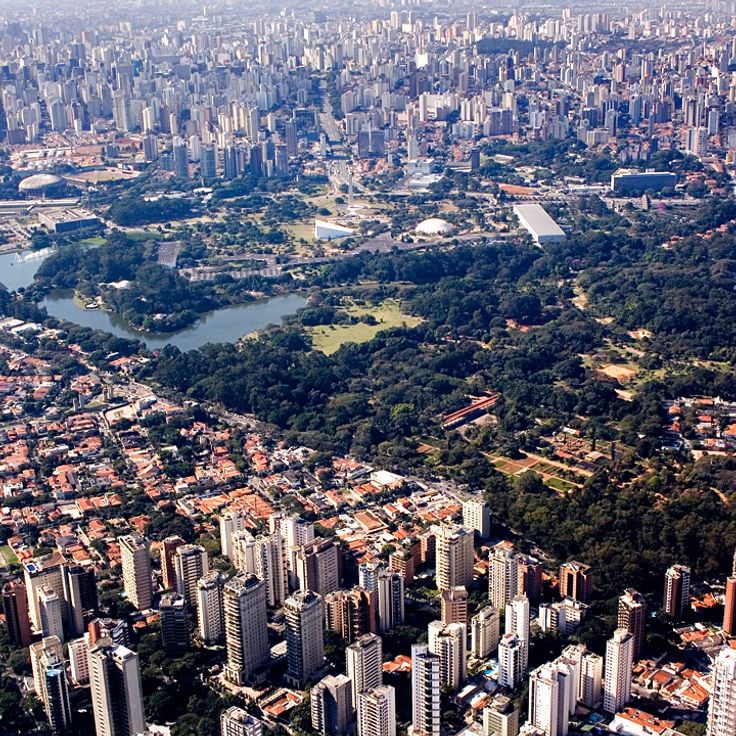
Ibirapuera Park is a green space at the heart of São Paulo that complements the city's modern architecture and cultural landscape. The park features jogging paths, a museum of modern art, a Japanese garden and a lake. It serves as a place where locals and visitors walk, exercise and connect with art and nature.
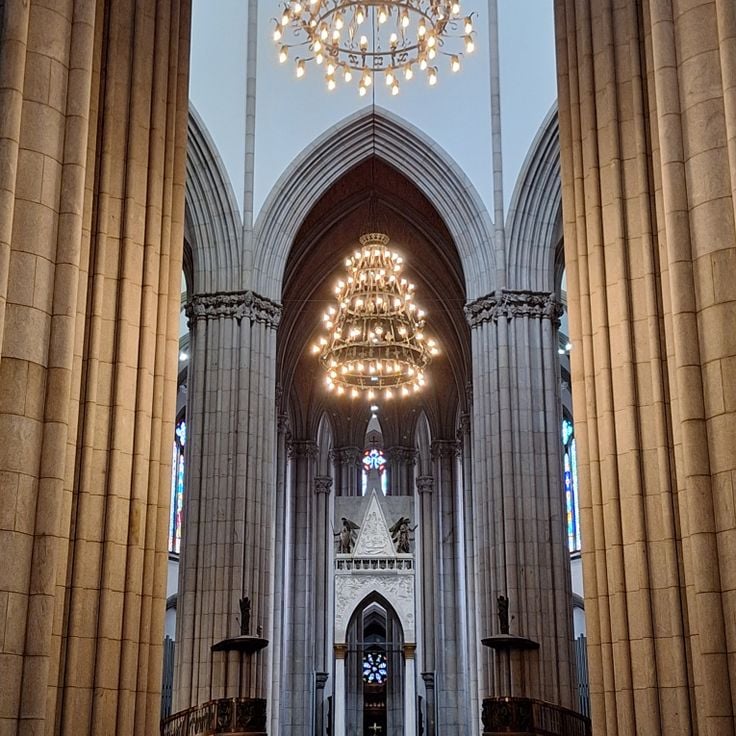
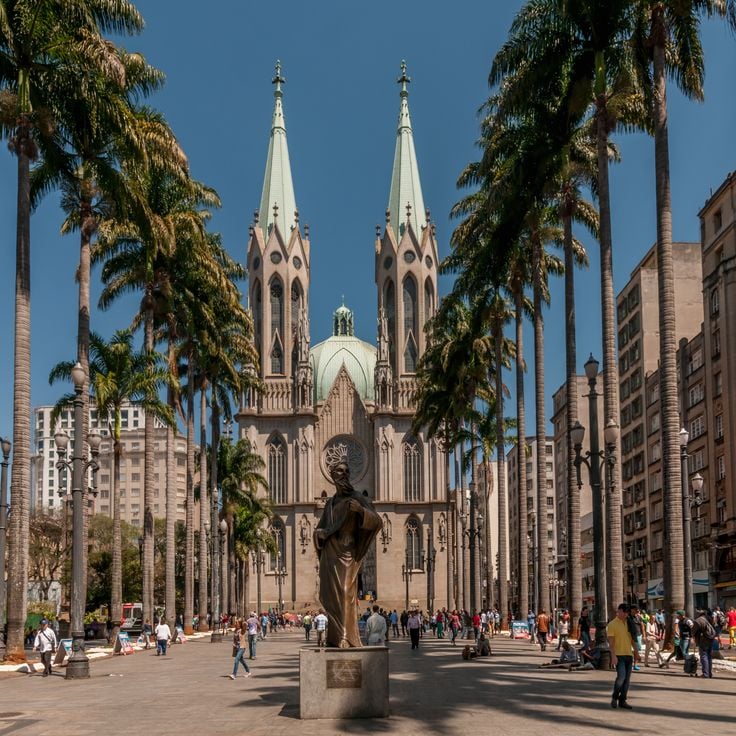
This cathedral completed in 1954 stands as a historical landmark in São Paulo, featuring 92-meter towers and substantial marble columns that reflect Renaissance architectural elements. Within São Paulo's context of blending modern architecture with cultural heritage, the Sao Paulo Cathedral represents an important religious and historical presence. It contributes to the city's character alongside contemporary skyscrapers, museums, and parks that define this major center of Brazilian art and history.
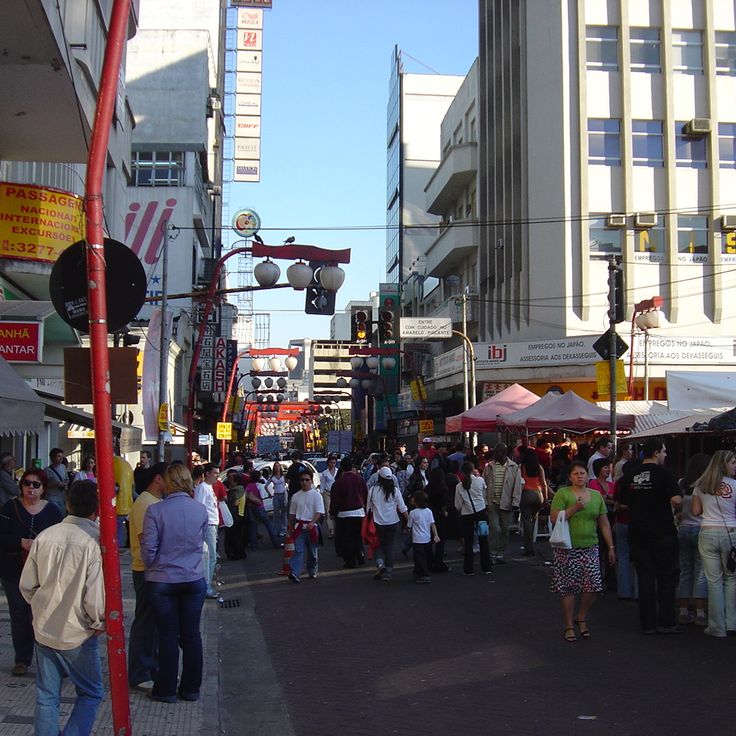
Liberdade Square is the center of the Japanese community in São Paulo and contributes to the city's cultural diversity. Here you find temples, gardens, restaurants and shops that reflect Japanese life. A weekly market brings visitors together and shows the connection between modern architecture and cultural heritage that defines São Paulo.
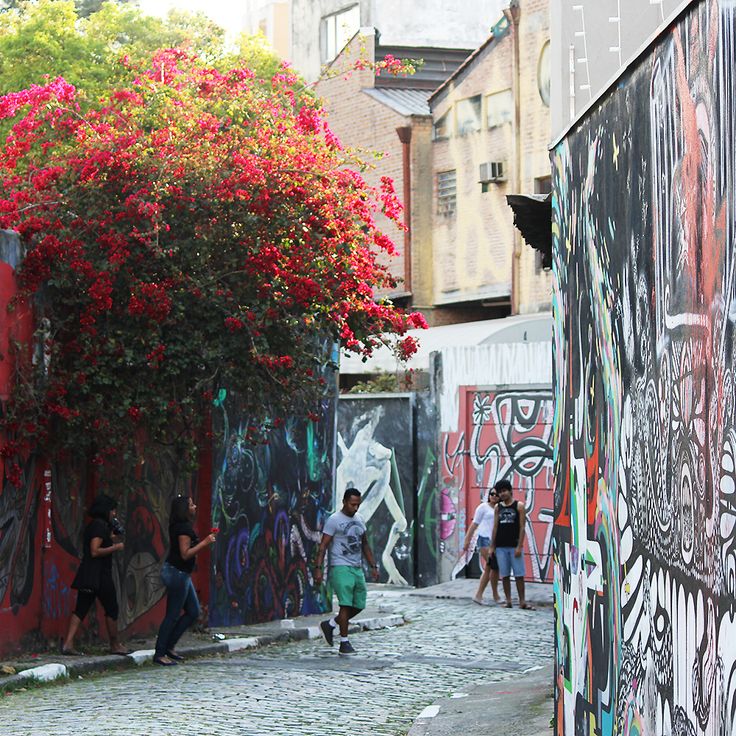
The streets of this district display painted walls that showcase the creative energy of São Paulo. Graffiti and murals cover buildings along the neighborhood, featuring works by local and international artists. Vila Madalena Street Art District reflects the city's commitment to modern culture and artistic expression, complementing the broader architectural and cultural landscape that defines this Brazilian metropolis.
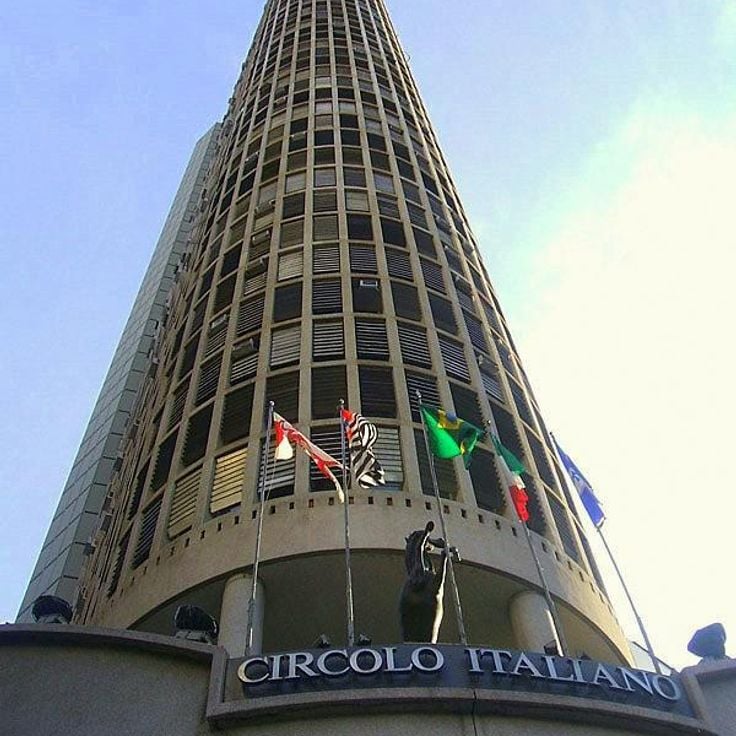
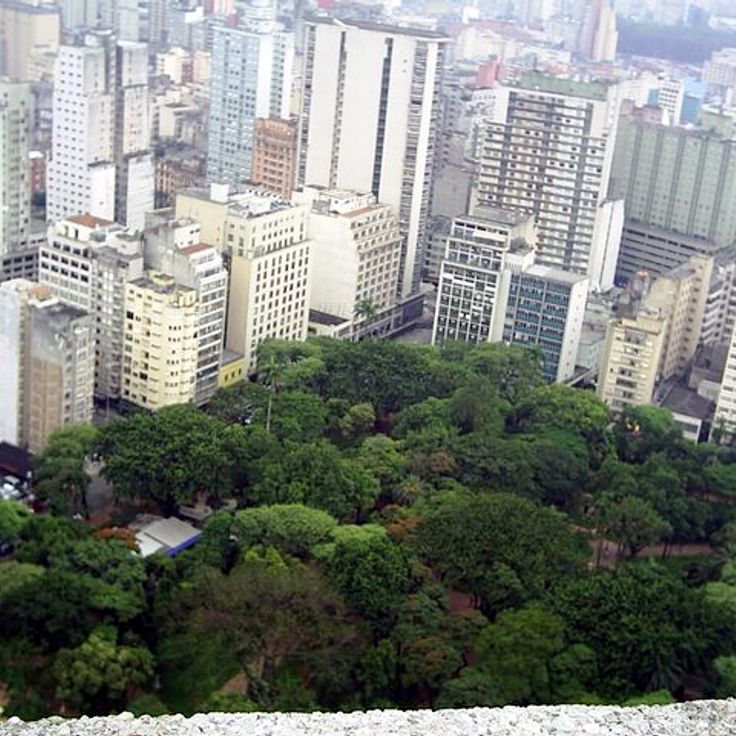
The Italia Building is a 168-meter skyscraper from 1965 in the República district. It fits perfectly into the collection about architecture and culture in Sao Paulo, which combines modern buildings with cultural diversity. From the observation deck of this building, you can see the entire city spread around you.
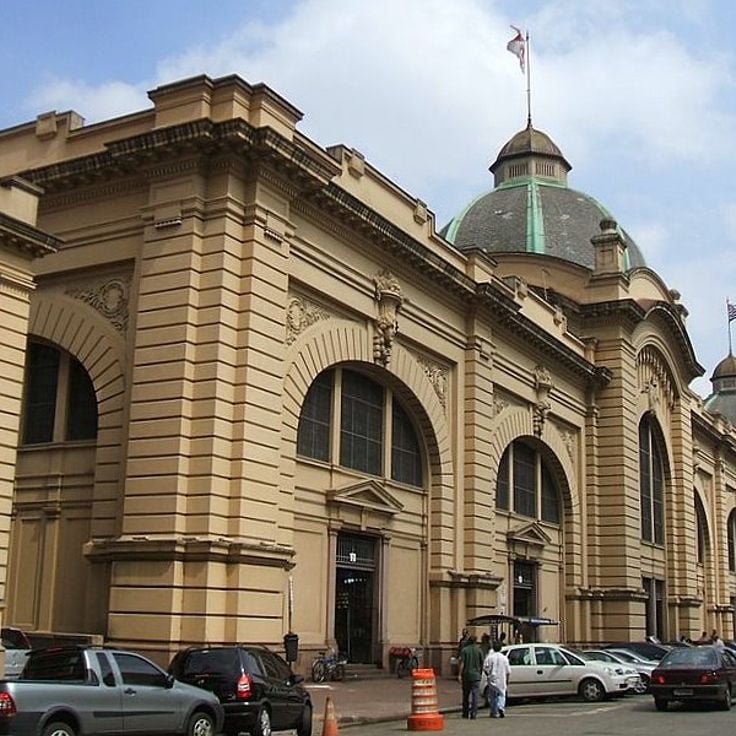
The Central Market of São Paulo stands at the heart of this metropolis filled with modern architecture and cultural diversity. Built in 1933, this market building features stained glass windows and houses Brazilian specialties, spices, fresh fruits, and restaurants. The market connects the city's history with its present, reflecting the cultural diversity that defines São Paulo.
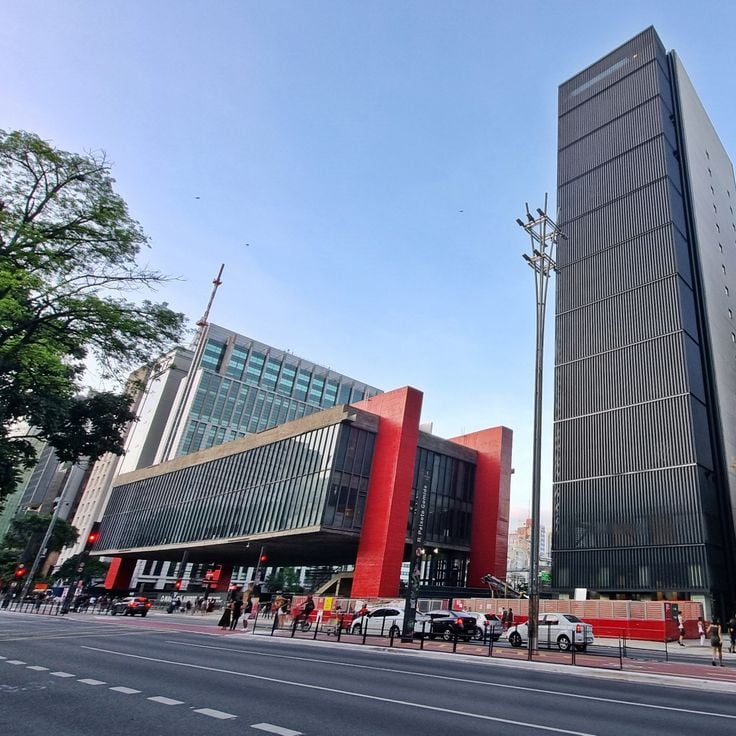
The Sao Paulo Art Museum sits in Bela Vista and displays about 8000 artworks from Europe, Africa and America. The concrete building was completed in 1968 and has a distinctive form. This museum is part of the cultural richness of São Paulo, where modern architecture and history come together. Visitors can explore Brazilian and international art and see why the city stands as a center of artistic expression.
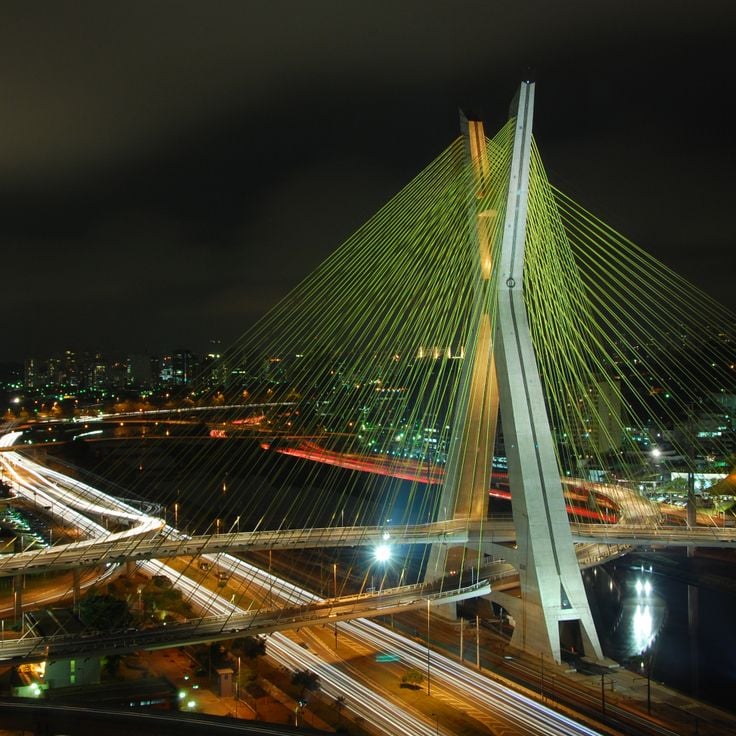
The Estaiada Bridge is part of São Paulo's modern architectural landscape, spanning the Pinheiros River with distinctive tall pylons and white steel cables. This engineering structure reflects the city's contemporary design approach. As one of the urban elements that define São Paulo, the bridge represents the metropolis that combines modern infrastructure with its rich cultural identity.
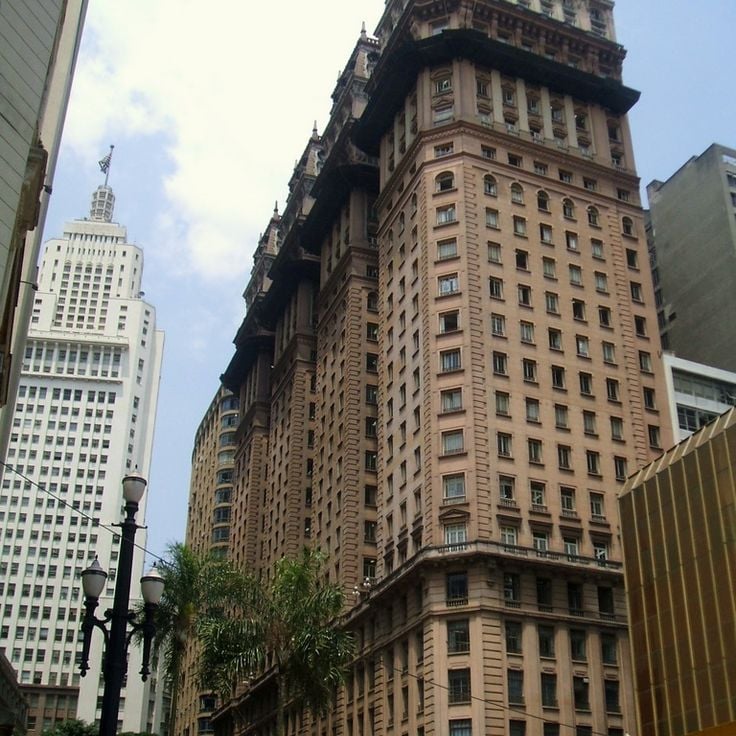
The Martinelli Building showcases the modern architecture of São Paulo and combines neoclassical and Italian Renaissance elements. This 30-story skyscraper completed in 1929 stands as a center of Brazilian art and history. The building reflects the diverse influences that shaped this metropolis and its development as a major urban center.
Se Square is a central hub in Sao Paulo that brings together the city's historical core and its iconic cathedral. This plaza sits at the geographic center of the metropolis, where colonial architecture meets the modern city. The square reflects the cultural layers of Sao Paulo, with buildings representing different periods. It demonstrates how this city weaves together its past with contemporary urban development, much like Paulista Avenue and Ibirapuera Park do throughout the metropolis.
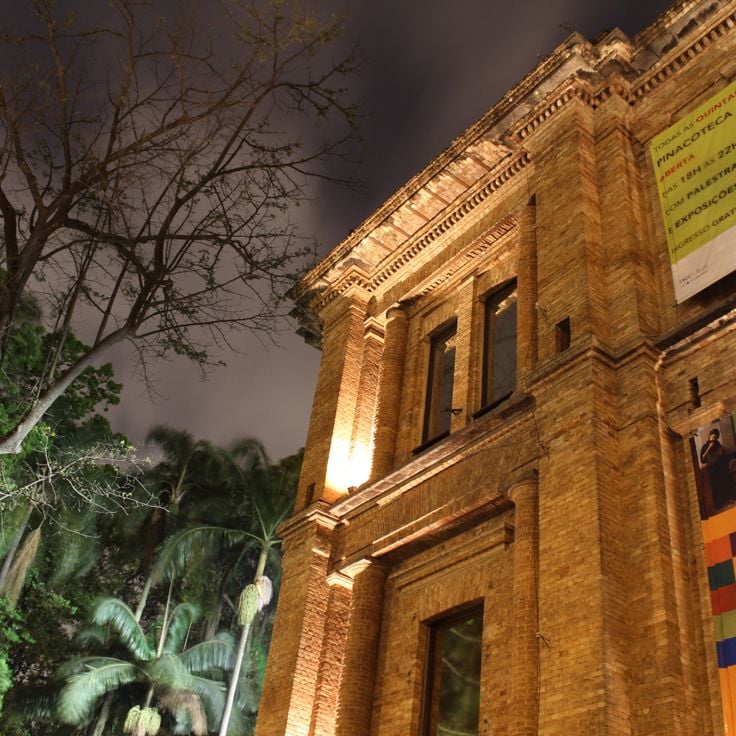
The Pinacoteca is an art museum located in São Paulo within a carefully renovated 1900 building. The museum holds works from Brazilian and international artists, reflecting the city's cultural diversity. Its collection spans paintings, sculptures, and other artistic forms that document the history of Brazilian art from the 19th century to today. Visitors can explore the artistic development of the country through these carefully selected works.
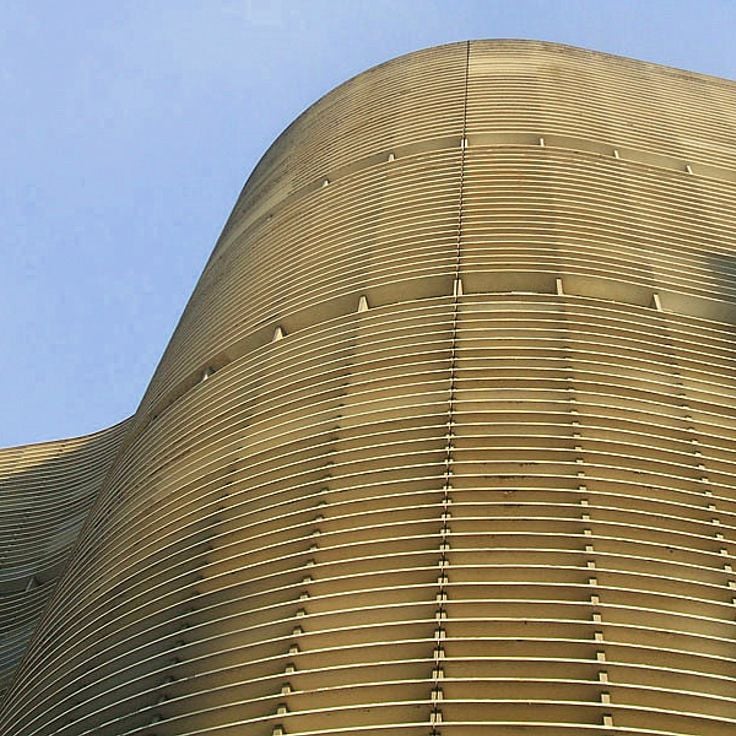
The Copan Building stands as a significant example of the modern architecture that has defined São Paulo since the mid-20th century. This residential skyscraper with 32 stories was completed in 1966 and houses thousands of residents in this thriving metropolis. The building represents the spirit of São Paulo's growth as a place where contemporary structures coexist with historical landmarks, museums, and green spaces like Ibirapuera Park.
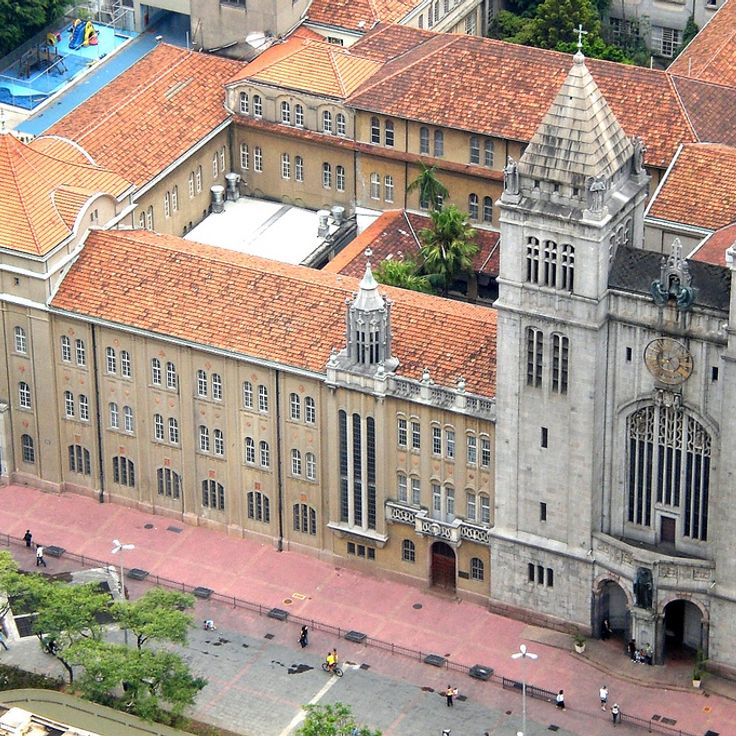
The Monastery of Sao Bento represents the cultural and architectural diversity of Sao Paulo. This Benedictine monastery, founded in 1598, features golden altars, wall paintings, and Gregorian chants during masses. With its long history, this monastery contributes to the artistic and historical identity of the metropolis.
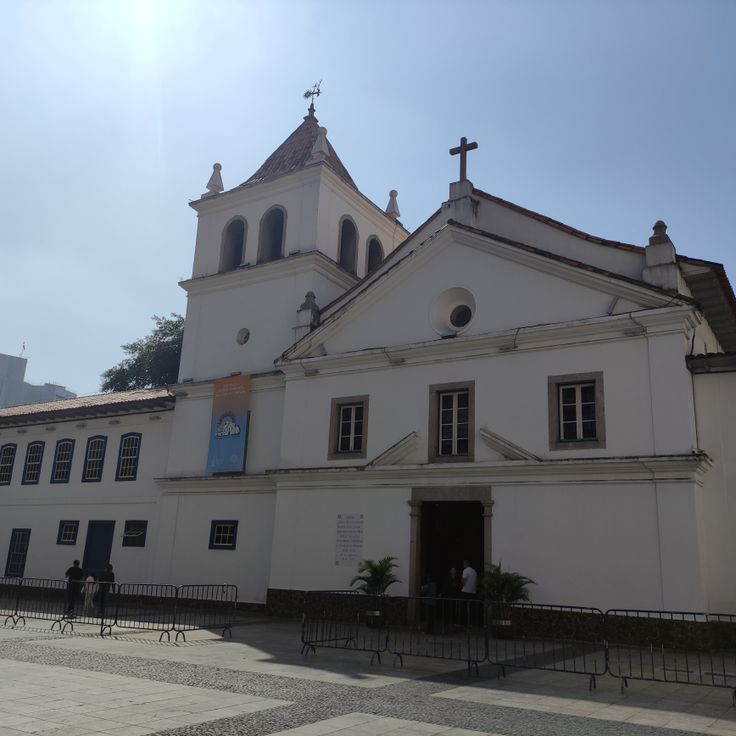
Pátio do Colégio is a site from 1554 that represents the early Jesuit settlements in São Paulo. This place connects colonial history with the modern metropolis and shows how religious and cultural institutions shaped the city's development. The ensemble consists of a church, museum and library that together tell the story of São Paulo's origins as a center of Brazilian art and history.
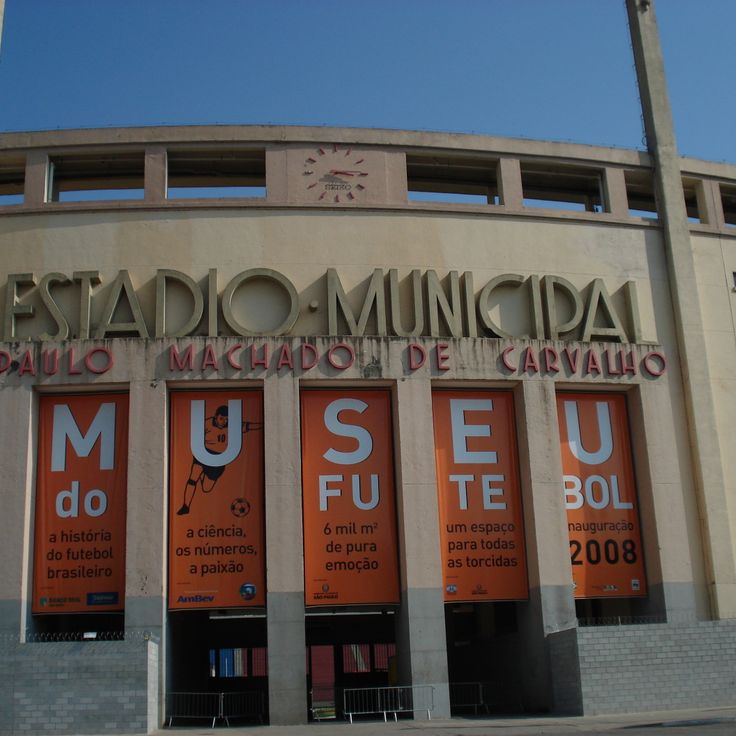
The Football Museum in São Paulo presents the history of Brazilian football. Trophies, jerseys, and photographs tell the story of legendary players and memorable matches. Interactive exhibitions allow visitors to connect with the sport's past and understand its importance to Brazilian culture. As part of São Paulo's cultural landscape, this museum complements the city's many other art and history institutions.
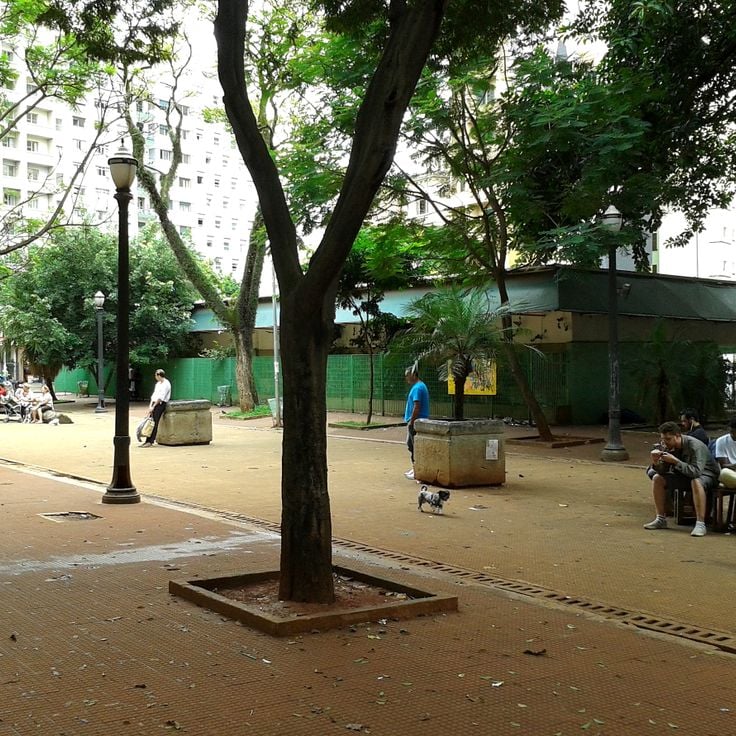
Sao Paulo Central Square contributes to the cultural diversity of the city. The square features a central music pavilion and benches under trees. Regular concerts take place here. This space combines public gathering areas with artistic events that define the cultural life of the metropolis.
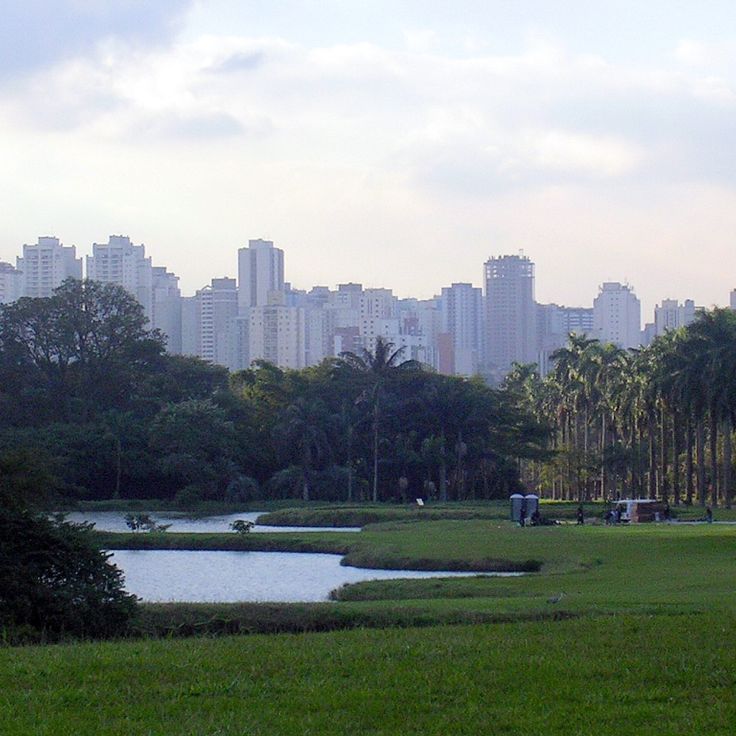
The São Paulo Botanical Garden contributes to the city's cultural diversity and complements its range of architectural and cultural attractions. The garden houses over 340 plant species, an orchid garden and a palm tree path. Scientific research takes place here, connecting botanical exploration with the rich history of this metropolis.
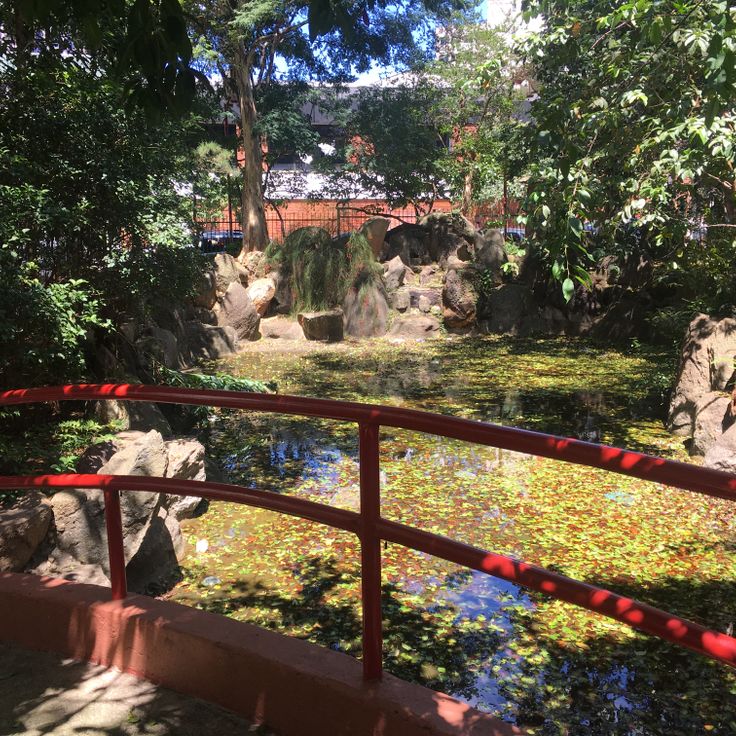
The Ibirapuera Japanese Garden displays traditional Japanese landscaping as part of São Paulo's combination of modern architecture and cultural diversity. The garden features ponds, bridges and pavilions, with koi fish swimming in the water basins.
The Altino Arantes Building is a defining skyscraper in São Paulo's skyline. This structure showcases mid-20th century modern architecture and reflects the city's blend of contemporary design and historical significance. From its observation deck on the 35th floor, visitors can survey the entire metropolis and understand how the building fits within São Paulo's role as a center of Brazilian art and architecture.
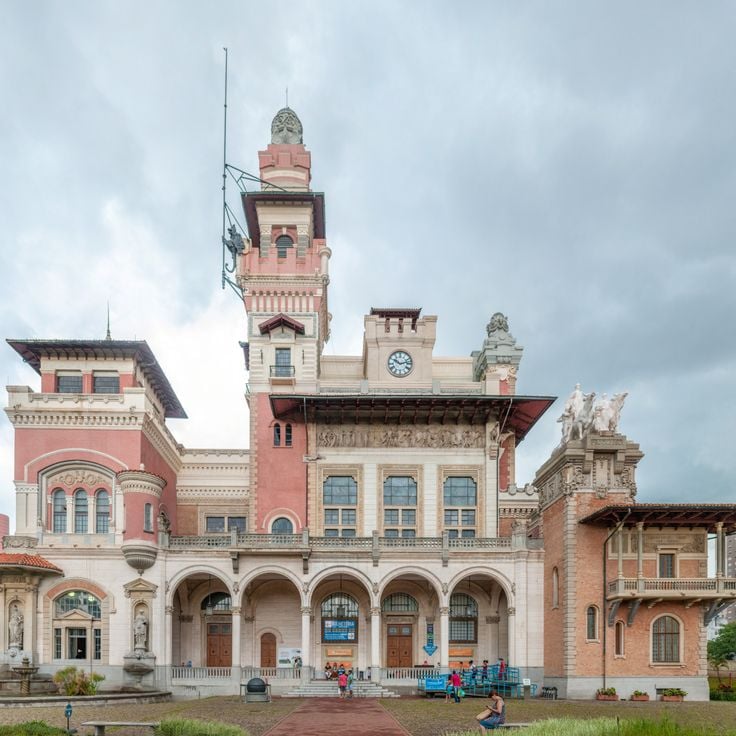
The Catavento Museum is a science museum in São Paulo that displays over 250 exhibits across four thematic areas. Visitors can experience hands-on demonstrations and experiments that bring science to life. The museum contributes to the city's cultural diversity and connects modern learning with Brazil's art and history.
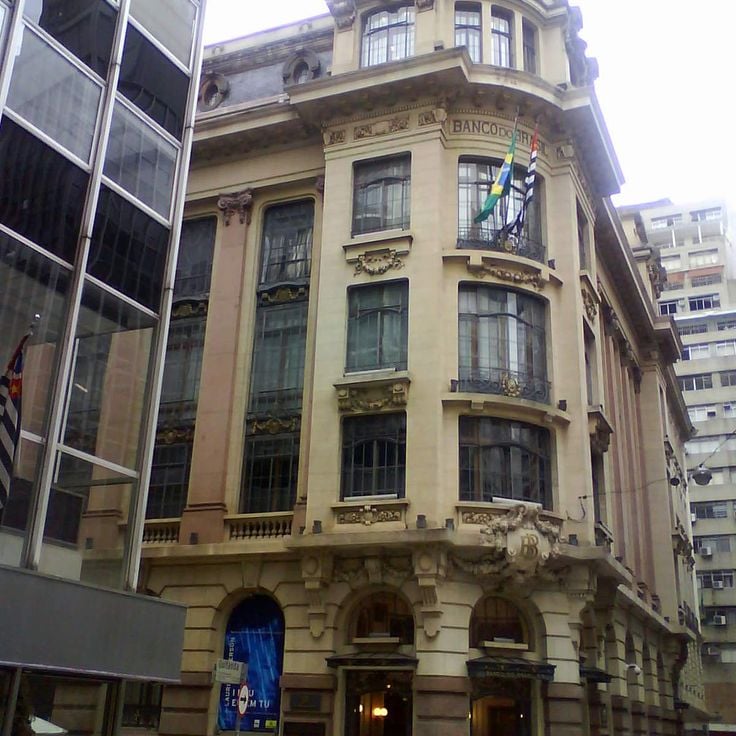
The Banco do Brasil Cultural Center in Sao Paulo stands in a historic building from 1901 and embodies the connection between modern culture and architectural history that defines this metropolis. The center presents contemporary art, theater productions and film screenings, contributing to the artistic and cultural diversity that characterizes Sao Paulo.
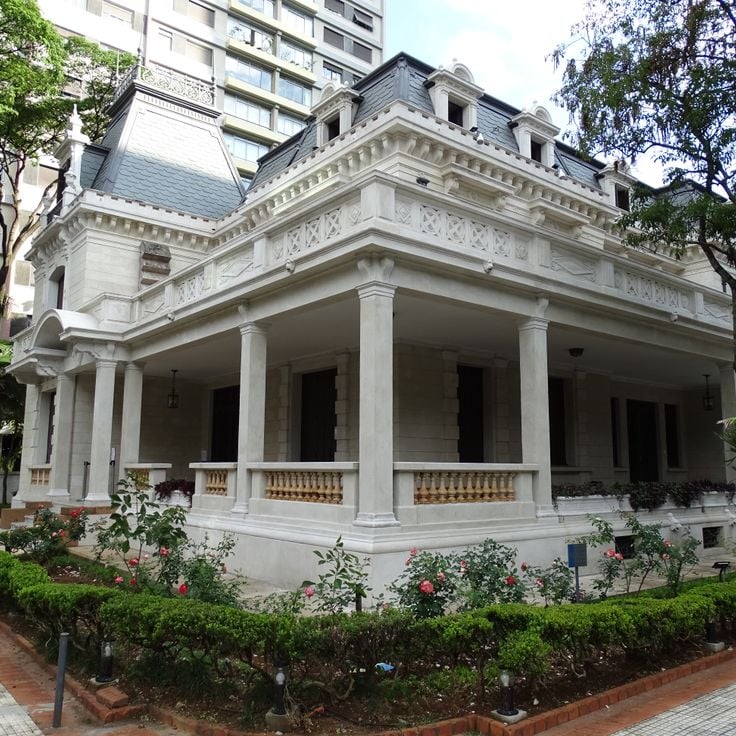
The House of Roses is a cultural center located in a French mansion built in 1935 in São Paulo. The building fits into the city's diverse architectural landscape and provides a meeting place for art lovers and history enthusiasts. Surrounding the mansion is a garden with approximately 1,200 rose plants, giving the space a calm and inviting character that contrasts with the skyscrapers of this major metropolis.
Vila Madalena is a neighborhood in Sao Paulo that contributes to the city's creative and cultural diversity. The streets are covered with artwork created by local artists. Galleries, restaurants, and bars define the area and draw people interested in contemporary art and design. This place embodies the artistic energy that defines Sao Paulo as a center of Brazilian culture and expression.
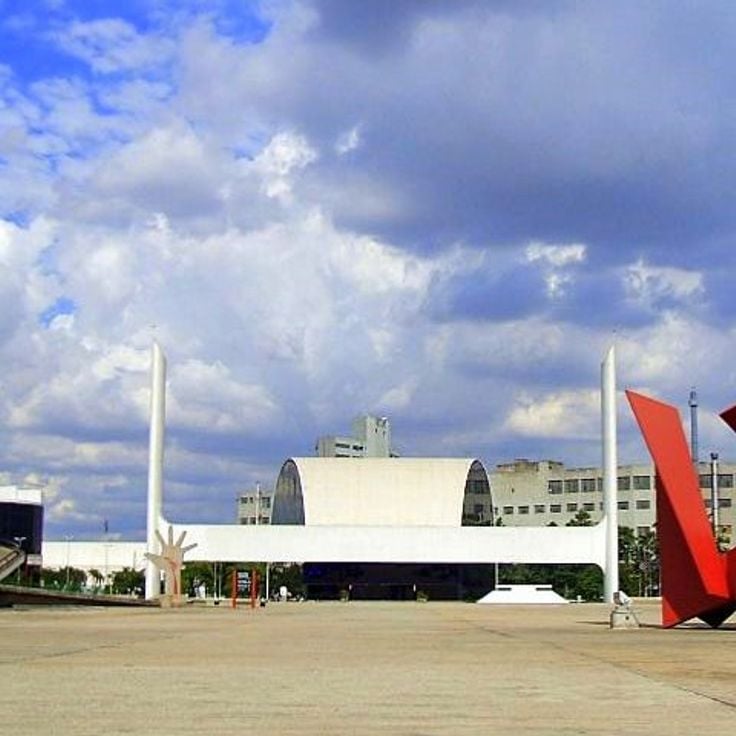
The Latin America Memorial exemplifies the diversity and artistic wealth of São Paulo. The Oscar Niemeyer complex houses a library, exhibition spaces and an auditorium for cultural events. The building embodies modern Brazilian architecture and contributes to the cultural landscape of the city, which is characterized by skyscrapers, historical buildings, museums and parks.
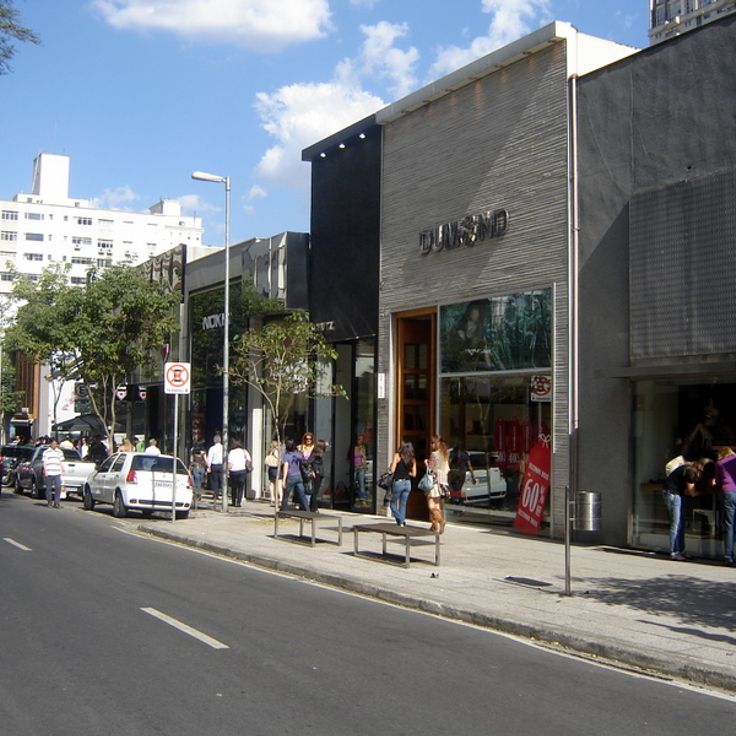
Oscar Freire Street in this center of Brazilian art and history is a shopping street with international fashion brands, restaurants and stores by Brazilian designers in the Jardins district. It connects the modern architecture of São Paulo with the cultural diversity of the city.
Republic Square is a central plaza in Sao Paulo that reflects the city's modern architecture and cultural diversity. An artisan market takes place here on weekends, while historical buildings from the 20th century frame the square. This plaza demonstrates Sao Paulo's history and artistic spirit, connecting past to present-day activity.
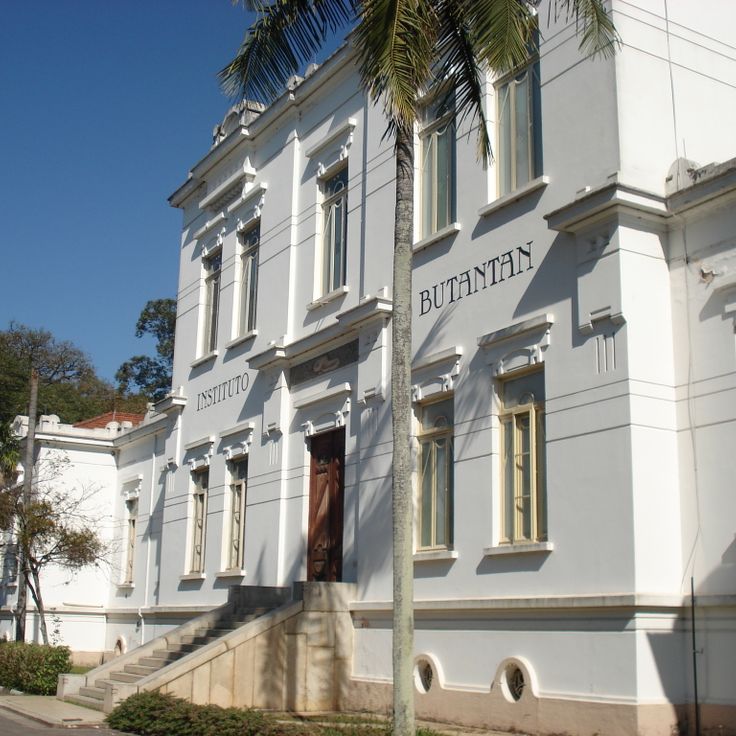
The Butantan Institute is a biomedical research center in São Paulo that fits into the city's landscape of modern architecture and cultural diversity. The facility houses laboratories, museums, and a collection of snakes for antivenom production. As an important center of scientific research, the Institute contributes to the range of cultural and scientific experiences that define São Paulo.
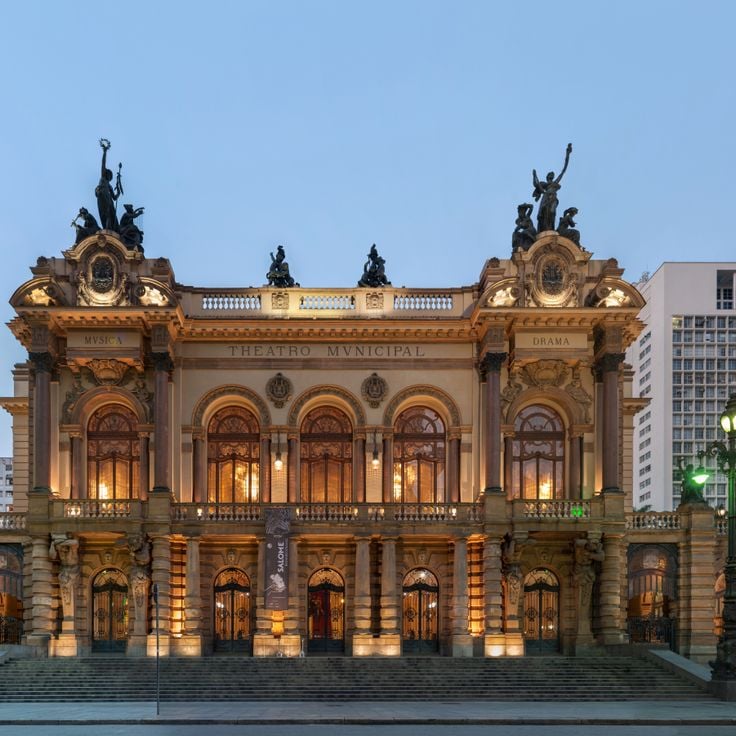
Built in 1911, the Theatro Municipal stands as a cultural landmark in Sao Paulo, reflecting the city's role as a center of Brazilian art and history. The building displays a Renaissance facade and houses a concert hall with 1500 seats, along with a collection of Brazilian art. This theater represents the artistic traditions that shape the metropolis and contribute to its vibrant cultural scene.
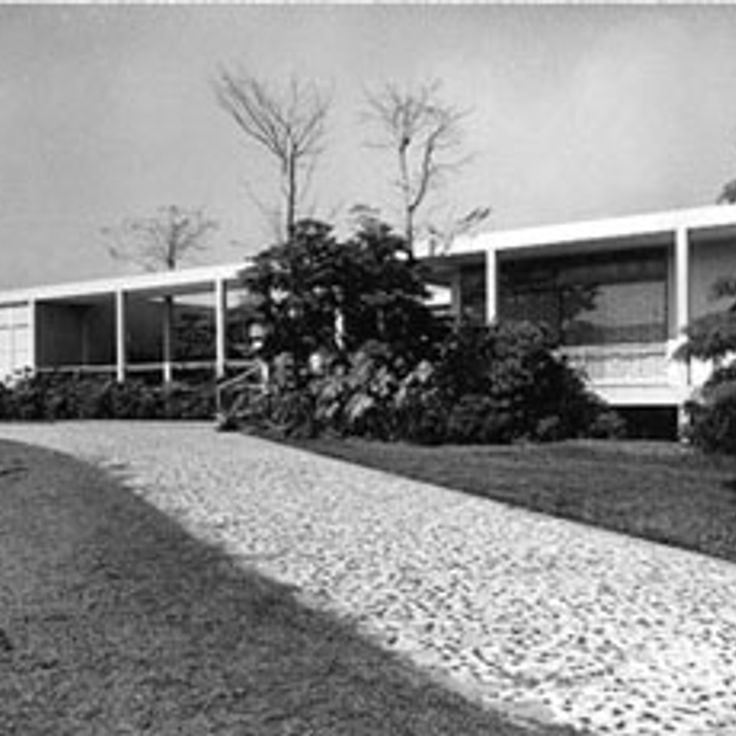
The Luiza and Oscar Americano Foundation is a museum housed in a 1950 modernist building that reflects São Paulo's blend of contemporary design and cultural depth. This institution displays Brazilian artworks and antique furniture within its structure, complementing the collection's focus on architecture and culture. The building sits within expansive grounds, showcasing how the city integrates art spaces into its urban landscape.
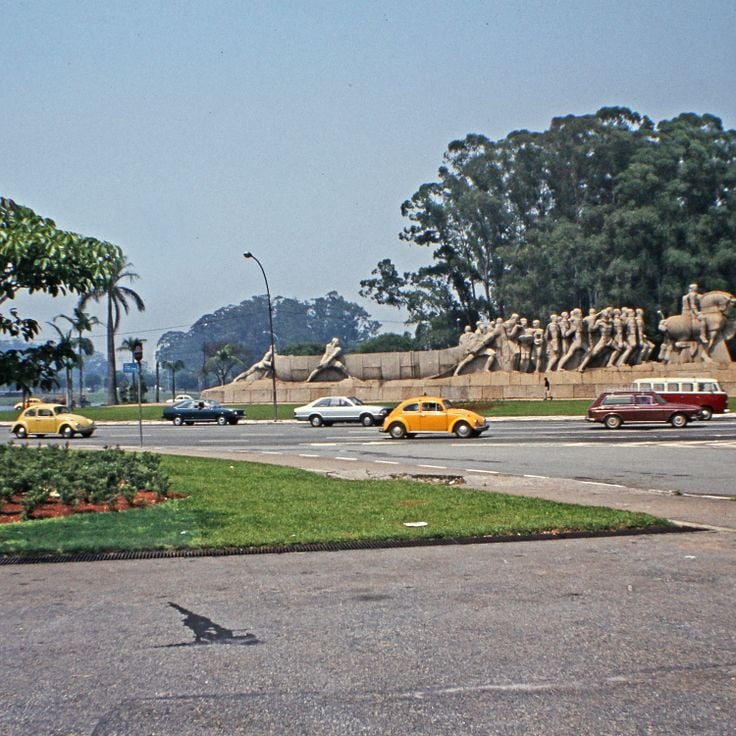
The Monument to the Flags is a granite statue by Victor Brecheret from 1954 depicting colonial expeditions to the interior. As part of São Paulo's diverse architectural landscape, this work contributes to the city's art and history. The statue demonstrates the strength of Brazilian sculpture and connects with the modern buildings and historical sites that shape São Paulo.
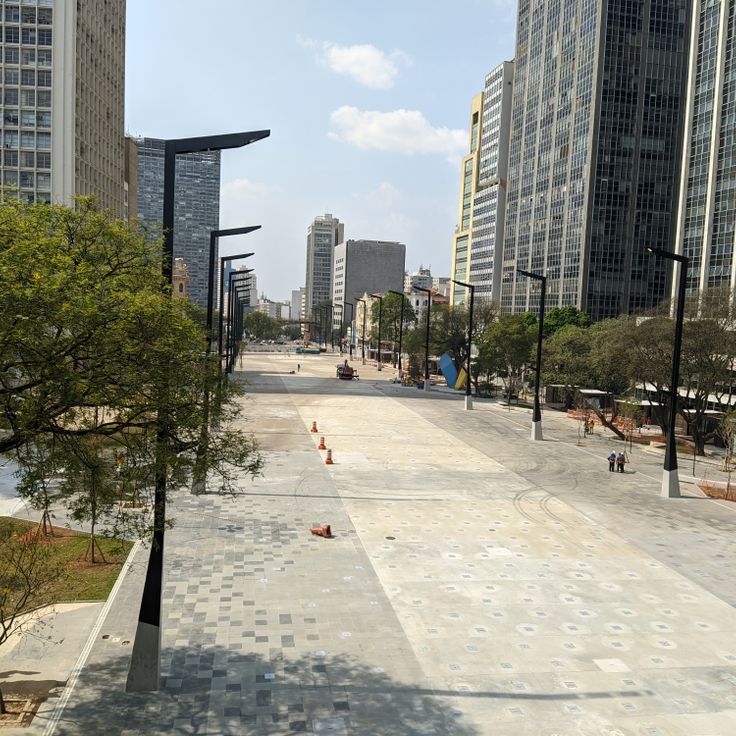
Vale do Anhangabaú is a public park in downtown São Paulo that combines pedestrian paths, water basins, and 20th century buildings. The park contributes to the city's cultural diversity and demonstrates how modern urban spaces exist alongside historical structures, reflecting São Paulo's role as a center of Brazilian art and history.
Paulista Avenue is a central street in this metropolis that combines architecture and culture. Along this boulevard stand bank buildings, corporate headquarters, art galleries, cinemas and restaurants. The street showcases the modern side of São Paulo and invites visitors to walk and discover contemporary Brazilian culture.
Ibirapuera Park is a green space at the heart of São Paulo that complements the city's modern architecture and cultural landscape. The park features jogging paths, a museum of modern art, a Japanese garden and a lake. It serves as a place where locals and visitors walk, exercise and connect with art and nature.
This cathedral completed in 1954 stands as a historical landmark in São Paulo, featuring 92-meter towers and substantial marble columns that reflect Renaissance architectural elements. Within São Paulo's context of blending modern architecture with cultural heritage, the Sao Paulo Cathedral represents an important religious and historical presence. It contributes to the city's character alongside contemporary skyscrapers, museums, and parks that define this major center of Brazilian art and history.
Liberdade Square is the center of the Japanese community in São Paulo and contributes to the city's cultural diversity. Here you find temples, gardens, restaurants and shops that reflect Japanese life. A weekly market brings visitors together and shows the connection between modern architecture and cultural heritage that defines São Paulo.
The streets of this district display painted walls that showcase the creative energy of São Paulo. Graffiti and murals cover buildings along the neighborhood, featuring works by local and international artists. Vila Madalena Street Art District reflects the city's commitment to modern culture and artistic expression, complementing the broader architectural and cultural landscape that defines this Brazilian metropolis.
The Italia Building is a 168-meter skyscraper from 1965 in the República district. It fits perfectly into the collection about architecture and culture in Sao Paulo, which combines modern buildings with cultural diversity. From the observation deck of this building, you can see the entire city spread around you.
The Central Market of São Paulo stands at the heart of this metropolis filled with modern architecture and cultural diversity. Built in 1933, this market building features stained glass windows and houses Brazilian specialties, spices, fresh fruits, and restaurants. The market connects the city's history with its present, reflecting the cultural diversity that defines São Paulo.
The Sao Paulo Art Museum sits in Bela Vista and displays about 8000 artworks from Europe, Africa and America. The concrete building was completed in 1968 and has a distinctive form. This museum is part of the cultural richness of São Paulo, where modern architecture and history come together. Visitors can explore Brazilian and international art and see why the city stands as a center of artistic expression.
The Estaiada Bridge is part of São Paulo's modern architectural landscape, spanning the Pinheiros River with distinctive tall pylons and white steel cables. This engineering structure reflects the city's contemporary design approach. As one of the urban elements that define São Paulo, the bridge represents the metropolis that combines modern infrastructure with its rich cultural identity.
The Martinelli Building showcases the modern architecture of São Paulo and combines neoclassical and Italian Renaissance elements. This 30-story skyscraper completed in 1929 stands as a center of Brazilian art and history. The building reflects the diverse influences that shaped this metropolis and its development as a major urban center.
Se Square is a central hub in Sao Paulo that brings together the city's historical core and its iconic cathedral. This plaza sits at the geographic center of the metropolis, where colonial architecture meets the modern city. The square reflects the cultural layers of Sao Paulo, with buildings representing different periods. It demonstrates how this city weaves together its past with contemporary urban development, much like Paulista Avenue and Ibirapuera Park do throughout the metropolis.
The Pinacoteca is an art museum located in São Paulo within a carefully renovated 1900 building. The museum holds works from Brazilian and international artists, reflecting the city's cultural diversity. Its collection spans paintings, sculptures, and other artistic forms that document the history of Brazilian art from the 19th century to today. Visitors can explore the artistic development of the country through these carefully selected works.
The Copan Building stands as a significant example of the modern architecture that has defined São Paulo since the mid-20th century. This residential skyscraper with 32 stories was completed in 1966 and houses thousands of residents in this thriving metropolis. The building represents the spirit of São Paulo's growth as a place where contemporary structures coexist with historical landmarks, museums, and green spaces like Ibirapuera Park.
The Monastery of Sao Bento represents the cultural and architectural diversity of Sao Paulo. This Benedictine monastery, founded in 1598, features golden altars, wall paintings, and Gregorian chants during masses. With its long history, this monastery contributes to the artistic and historical identity of the metropolis.
Pátio do Colégio is a site from 1554 that represents the early Jesuit settlements in São Paulo. This place connects colonial history with the modern metropolis and shows how religious and cultural institutions shaped the city's development. The ensemble consists of a church, museum and library that together tell the story of São Paulo's origins as a center of Brazilian art and history.
The Football Museum in São Paulo presents the history of Brazilian football. Trophies, jerseys, and photographs tell the story of legendary players and memorable matches. Interactive exhibitions allow visitors to connect with the sport's past and understand its importance to Brazilian culture. As part of São Paulo's cultural landscape, this museum complements the city's many other art and history institutions.
Sao Paulo Central Square contributes to the cultural diversity of the city. The square features a central music pavilion and benches under trees. Regular concerts take place here. This space combines public gathering areas with artistic events that define the cultural life of the metropolis.
The São Paulo Botanical Garden contributes to the city's cultural diversity and complements its range of architectural and cultural attractions. The garden houses over 340 plant species, an orchid garden and a palm tree path. Scientific research takes place here, connecting botanical exploration with the rich history of this metropolis.
The Ibirapuera Japanese Garden displays traditional Japanese landscaping as part of São Paulo's combination of modern architecture and cultural diversity. The garden features ponds, bridges and pavilions, with koi fish swimming in the water basins.
The Altino Arantes Building is a defining skyscraper in São Paulo's skyline. This structure showcases mid-20th century modern architecture and reflects the city's blend of contemporary design and historical significance. From its observation deck on the 35th floor, visitors can survey the entire metropolis and understand how the building fits within São Paulo's role as a center of Brazilian art and architecture.
The Catavento Museum is a science museum in São Paulo that displays over 250 exhibits across four thematic areas. Visitors can experience hands-on demonstrations and experiments that bring science to life. The museum contributes to the city's cultural diversity and connects modern learning with Brazil's art and history.
The Banco do Brasil Cultural Center in Sao Paulo stands in a historic building from 1901 and embodies the connection between modern culture and architectural history that defines this metropolis. The center presents contemporary art, theater productions and film screenings, contributing to the artistic and cultural diversity that characterizes Sao Paulo.
The House of Roses is a cultural center located in a French mansion built in 1935 in São Paulo. The building fits into the city's diverse architectural landscape and provides a meeting place for art lovers and history enthusiasts. Surrounding the mansion is a garden with approximately 1,200 rose plants, giving the space a calm and inviting character that contrasts with the skyscrapers of this major metropolis.
Vila Madalena is a neighborhood in Sao Paulo that contributes to the city's creative and cultural diversity. The streets are covered with artwork created by local artists. Galleries, restaurants, and bars define the area and draw people interested in contemporary art and design. This place embodies the artistic energy that defines Sao Paulo as a center of Brazilian culture and expression.
The Latin America Memorial exemplifies the diversity and artistic wealth of São Paulo. The Oscar Niemeyer complex houses a library, exhibition spaces and an auditorium for cultural events. The building embodies modern Brazilian architecture and contributes to the cultural landscape of the city, which is characterized by skyscrapers, historical buildings, museums and parks.
Oscar Freire Street in this center of Brazilian art and history is a shopping street with international fashion brands, restaurants and stores by Brazilian designers in the Jardins district. It connects the modern architecture of São Paulo with the cultural diversity of the city.
Republic Square is a central plaza in Sao Paulo that reflects the city's modern architecture and cultural diversity. An artisan market takes place here on weekends, while historical buildings from the 20th century frame the square. This plaza demonstrates Sao Paulo's history and artistic spirit, connecting past to present-day activity.
The Butantan Institute is a biomedical research center in São Paulo that fits into the city's landscape of modern architecture and cultural diversity. The facility houses laboratories, museums, and a collection of snakes for antivenom production. As an important center of scientific research, the Institute contributes to the range of cultural and scientific experiences that define São Paulo.
Built in 1911, the Theatro Municipal stands as a cultural landmark in Sao Paulo, reflecting the city's role as a center of Brazilian art and history. The building displays a Renaissance facade and houses a concert hall with 1500 seats, along with a collection of Brazilian art. This theater represents the artistic traditions that shape the metropolis and contribute to its vibrant cultural scene.
The Luiza and Oscar Americano Foundation is a museum housed in a 1950 modernist building that reflects São Paulo's blend of contemporary design and cultural depth. This institution displays Brazilian artworks and antique furniture within its structure, complementing the collection's focus on architecture and culture. The building sits within expansive grounds, showcasing how the city integrates art spaces into its urban landscape.
The Monument to the Flags is a granite statue by Victor Brecheret from 1954 depicting colonial expeditions to the interior. As part of São Paulo's diverse architectural landscape, this work contributes to the city's art and history. The statue demonstrates the strength of Brazilian sculpture and connects with the modern buildings and historical sites that shape São Paulo.
Vale do Anhangabaú is a public park in downtown São Paulo that combines pedestrian paths, water basins, and 20th century buildings. The park contributes to the city's cultural diversity and demonstrates how modern urban spaces exist alongside historical structures, reflecting São Paulo's role as a center of Brazilian art and history.
Paulista Avenue is a central street in this metropolis that combines architecture and culture. Along this boulevard stand bank buildings, corporate headquarters, art galleries, cinemas and restaurants. The street showcases the modern side of São Paulo and invites visitors to walk and discover contemporary Brazilian culture.
Ibirapuera Park is a green space at the heart of São Paulo that complements the city's modern architecture and cultural landscape. The park features jogging paths, a museum of modern art, a Japanese garden and a lake. It serves as a place where locals and visitors walk, exercise and connect with art and nature.
This cathedral completed in 1954 stands as a historical landmark in São Paulo, featuring 92-meter towers and substantial marble columns that reflect Renaissance architectural elements. Within São Paulo's context of blending modern architecture with cultural heritage, the Sao Paulo Cathedral represents an important religious and historical presence. It contributes to the city's character alongside contemporary skyscrapers, museums, and parks that define this major center of Brazilian art and history.
Liberdade Square is the center of the Japanese community in São Paulo and contributes to the city's cultural diversity. Here you find temples, gardens, restaurants and shops that reflect Japanese life. A weekly market brings visitors together and shows the connection between modern architecture and cultural heritage that defines São Paulo.
The streets of this district display painted walls that showcase the creative energy of São Paulo. Graffiti and murals cover buildings along the neighborhood, featuring works by local and international artists. Vila Madalena Street Art District reflects the city's commitment to modern culture and artistic expression, complementing the broader architectural and cultural landscape that defines this Brazilian metropolis.
The Italia Building is a 168-meter skyscraper from 1965 in the República district. It fits perfectly into the collection about architecture and culture in Sao Paulo, which combines modern buildings with cultural diversity. From the observation deck of this building, you can see the entire city spread around you.
The Central Market of São Paulo stands at the heart of this metropolis filled with modern architecture and cultural diversity. Built in 1933, this market building features stained glass windows and houses Brazilian specialties, spices, fresh fruits, and restaurants. The market connects the city's history with its present, reflecting the cultural diversity that defines São Paulo.
The Sao Paulo Art Museum sits in Bela Vista and displays about 8000 artworks from Europe, Africa and America. The concrete building was completed in 1968 and has a distinctive form. This museum is part of the cultural richness of São Paulo, where modern architecture and history come together. Visitors can explore Brazilian and international art and see why the city stands as a center of artistic expression.
The Estaiada Bridge is part of São Paulo's modern architectural landscape, spanning the Pinheiros River with distinctive tall pylons and white steel cables. This engineering structure reflects the city's contemporary design approach. As one of the urban elements that define São Paulo, the bridge represents the metropolis that combines modern infrastructure with its rich cultural identity.
The Martinelli Building showcases the modern architecture of São Paulo and combines neoclassical and Italian Renaissance elements. This 30-story skyscraper completed in 1929 stands as a center of Brazilian art and history. The building reflects the diverse influences that shaped this metropolis and its development as a major urban center.
Se Square is a central hub in Sao Paulo that brings together the city's historical core and its iconic cathedral. This plaza sits at the geographic center of the metropolis, where colonial architecture meets the modern city. The square reflects the cultural layers of Sao Paulo, with buildings representing different periods. It demonstrates how this city weaves together its past with contemporary urban development, much like Paulista Avenue and Ibirapuera Park do throughout the metropolis.
The Pinacoteca is an art museum located in São Paulo within a carefully renovated 1900 building. The museum holds works from Brazilian and international artists, reflecting the city's cultural diversity. Its collection spans paintings, sculptures, and other artistic forms that document the history of Brazilian art from the 19th century to today. Visitors can explore the artistic development of the country through these carefully selected works.
The Copan Building stands as a significant example of the modern architecture that has defined São Paulo since the mid-20th century. This residential skyscraper with 32 stories was completed in 1966 and houses thousands of residents in this thriving metropolis. The building represents the spirit of São Paulo's growth as a place where contemporary structures coexist with historical landmarks, museums, and green spaces like Ibirapuera Park.
The Monastery of Sao Bento represents the cultural and architectural diversity of Sao Paulo. This Benedictine monastery, founded in 1598, features golden altars, wall paintings, and Gregorian chants during masses. With its long history, this monastery contributes to the artistic and historical identity of the metropolis.
Pátio do Colégio is a site from 1554 that represents the early Jesuit settlements in São Paulo. This place connects colonial history with the modern metropolis and shows how religious and cultural institutions shaped the city's development. The ensemble consists of a church, museum and library that together tell the story of São Paulo's origins as a center of Brazilian art and history.
The Football Museum in São Paulo presents the history of Brazilian football. Trophies, jerseys, and photographs tell the story of legendary players and memorable matches. Interactive exhibitions allow visitors to connect with the sport's past and understand its importance to Brazilian culture. As part of São Paulo's cultural landscape, this museum complements the city's many other art and history institutions.
Sao Paulo Central Square contributes to the cultural diversity of the city. The square features a central music pavilion and benches under trees. Regular concerts take place here. This space combines public gathering areas with artistic events that define the cultural life of the metropolis.
The São Paulo Botanical Garden contributes to the city's cultural diversity and complements its range of architectural and cultural attractions. The garden houses over 340 plant species, an orchid garden and a palm tree path. Scientific research takes place here, connecting botanical exploration with the rich history of this metropolis.
The Ibirapuera Japanese Garden displays traditional Japanese landscaping as part of São Paulo's combination of modern architecture and cultural diversity. The garden features ponds, bridges and pavilions, with koi fish swimming in the water basins.
The Altino Arantes Building is a defining skyscraper in São Paulo's skyline. This structure showcases mid-20th century modern architecture and reflects the city's blend of contemporary design and historical significance. From its observation deck on the 35th floor, visitors can survey the entire metropolis and understand how the building fits within São Paulo's role as a center of Brazilian art and architecture.
The Catavento Museum is a science museum in São Paulo that displays over 250 exhibits across four thematic areas. Visitors can experience hands-on demonstrations and experiments that bring science to life. The museum contributes to the city's cultural diversity and connects modern learning with Brazil's art and history.
The Banco do Brasil Cultural Center in Sao Paulo stands in a historic building from 1901 and embodies the connection between modern culture and architectural history that defines this metropolis. The center presents contemporary art, theater productions and film screenings, contributing to the artistic and cultural diversity that characterizes Sao Paulo.
The House of Roses is a cultural center located in a French mansion built in 1935 in São Paulo. The building fits into the city's diverse architectural landscape and provides a meeting place for art lovers and history enthusiasts. Surrounding the mansion is a garden with approximately 1,200 rose plants, giving the space a calm and inviting character that contrasts with the skyscrapers of this major metropolis.
Vila Madalena is a neighborhood in Sao Paulo that contributes to the city's creative and cultural diversity. The streets are covered with artwork created by local artists. Galleries, restaurants, and bars define the area and draw people interested in contemporary art and design. This place embodies the artistic energy that defines Sao Paulo as a center of Brazilian culture and expression.
The Latin America Memorial exemplifies the diversity and artistic wealth of São Paulo. The Oscar Niemeyer complex houses a library, exhibition spaces and an auditorium for cultural events. The building embodies modern Brazilian architecture and contributes to the cultural landscape of the city, which is characterized by skyscrapers, historical buildings, museums and parks.
Oscar Freire Street in this center of Brazilian art and history is a shopping street with international fashion brands, restaurants and stores by Brazilian designers in the Jardins district. It connects the modern architecture of São Paulo with the cultural diversity of the city.
Republic Square is a central plaza in Sao Paulo that reflects the city's modern architecture and cultural diversity. An artisan market takes place here on weekends, while historical buildings from the 20th century frame the square. This plaza demonstrates Sao Paulo's history and artistic spirit, connecting past to present-day activity.
The Butantan Institute is a biomedical research center in São Paulo that fits into the city's landscape of modern architecture and cultural diversity. The facility houses laboratories, museums, and a collection of snakes for antivenom production. As an important center of scientific research, the Institute contributes to the range of cultural and scientific experiences that define São Paulo.
Built in 1911, the Theatro Municipal stands as a cultural landmark in Sao Paulo, reflecting the city's role as a center of Brazilian art and history. The building displays a Renaissance facade and houses a concert hall with 1500 seats, along with a collection of Brazilian art. This theater represents the artistic traditions that shape the metropolis and contribute to its vibrant cultural scene.
The Luiza and Oscar Americano Foundation is a museum housed in a 1950 modernist building that reflects São Paulo's blend of contemporary design and cultural depth. This institution displays Brazilian artworks and antique furniture within its structure, complementing the collection's focus on architecture and culture. The building sits within expansive grounds, showcasing how the city integrates art spaces into its urban landscape.
The Monument to the Flags is a granite statue by Victor Brecheret from 1954 depicting colonial expeditions to the interior. As part of São Paulo's diverse architectural landscape, this work contributes to the city's art and history. The statue demonstrates the strength of Brazilian sculpture and connects with the modern buildings and historical sites that shape São Paulo.
Vale do Anhangabaú is a public park in downtown São Paulo that combines pedestrian paths, water basins, and 20th century buildings. The park contributes to the city's cultural diversity and demonstrates how modern urban spaces exist alongside historical structures, reflecting São Paulo's role as a center of Brazilian art and history.