Praça da Sé, Main square in central São Paulo, Brazil
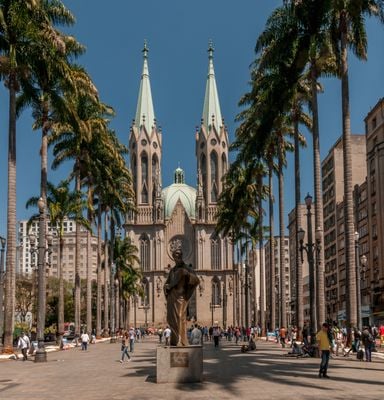
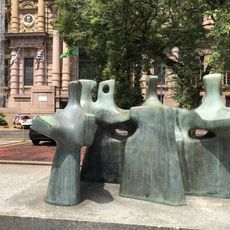
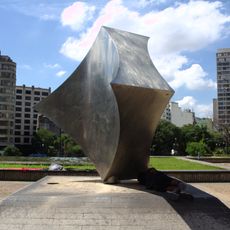
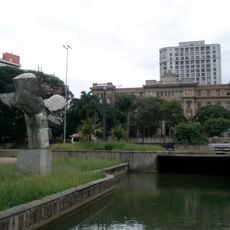
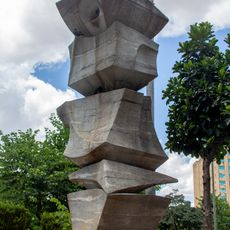
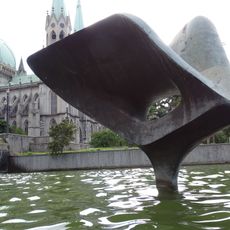
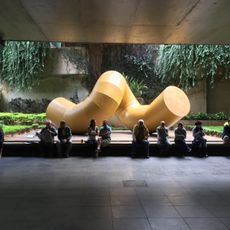
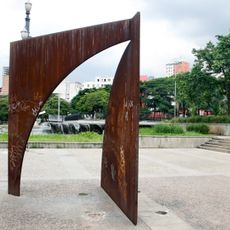
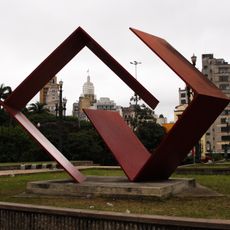
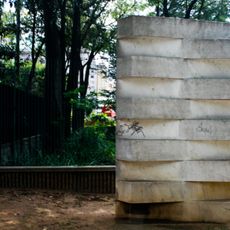
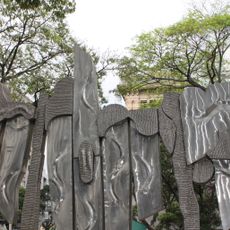
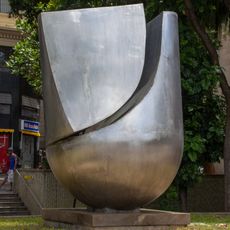
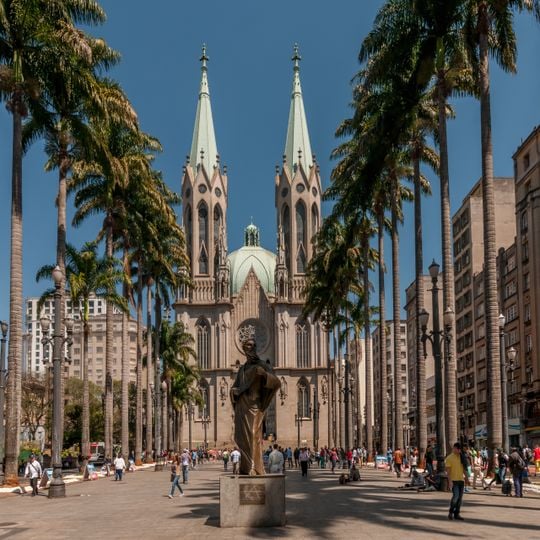
Praça da Sé is a paved public square in the Sé district of central São Paulo, laid out in the 1970s by a team led by architect José Eduardo de Assis Lefèvre. Its design uses stepped levels, reflecting pools and prismatic earth volumes, with the Cathedral da Sé rising at one side, its two grey stone towers capped by pale green spires and a rose window above the entrance.
The square began in colonial times as Largo da Sé and served as a religious and political center. During the 1970s the entire area was redesigned while the metro station was built beneath it.
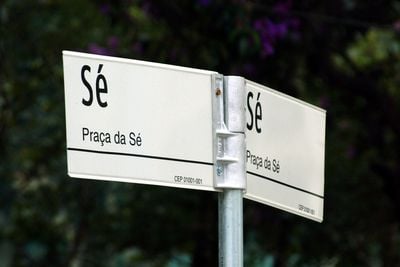
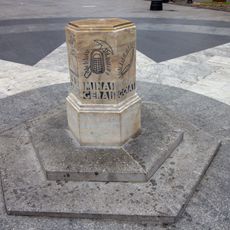
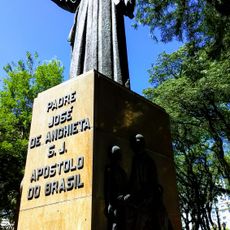
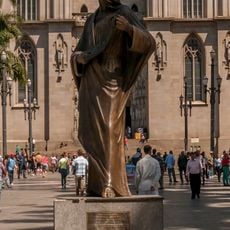
The square's name comes from the Sé Cathedral facing it, and the Zero Mark in its centre is the point from which all road distances leaving São Paulo and the city's street numbering are counted. In 1984 the square hosted a Diretas Já rally calling for direct presidential elections. A monument to José de Anchieta, credited as the city's founder, was inaugurated here in 1954 for the fourth centenary.
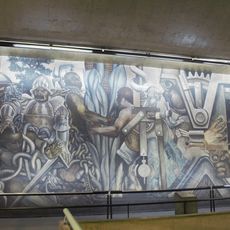
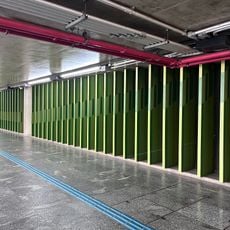
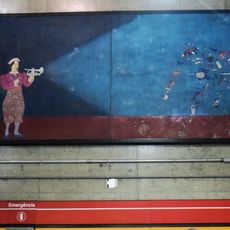
The Sé metro station beneath the square connects lines 1 and 3 and serves as a central transit hub for millions of passengers. Station exits lead directly to different parts of the square and make orientation straightforward.
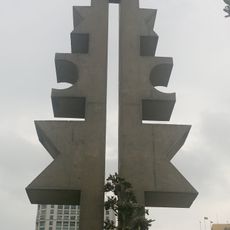
The Zero Mark monument at the center determines all distance measurements in São Paulo and forms the symbolic geographical center of the city. This reference point was officially established during the redesign in the 1970s.
The community of curious travelers
AroundUs brings together thousands of curated places, local tips, and hidden gems, enriched daily by 92,663 contributors worldwide.