Wisłoka, River in southeastern Poland
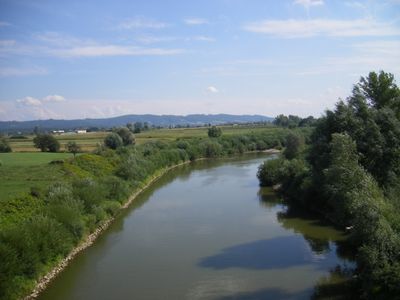
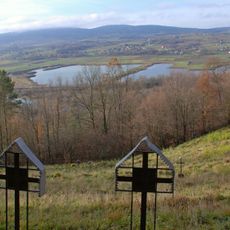
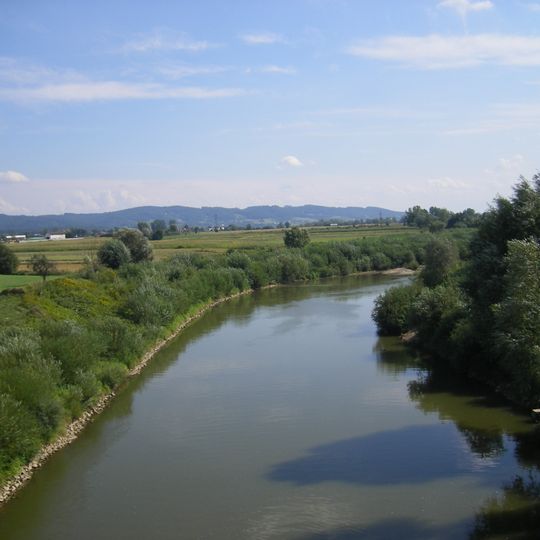
The Wisłoka is a river in southeastern Poland that winds for about 173 kilometers through farmland and towns before flowing into the Vistula River. The system is fed by several tributaries including the Jasiołka, Tuszymka, Wielopolka, Ropa, and Grabinianka, which form the regional water network.
The river and surrounding region experienced severe flooding in 1934, which led to changes in local infrastructure and water management practices. These events shaped the modern flood control systems and river management that developed in the decades that followed.
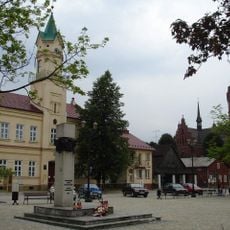
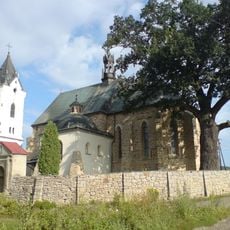
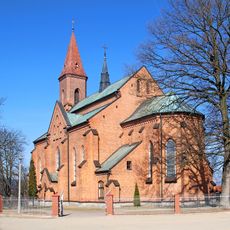
Towns such as Jasło, Dębica, and Mielec grew around this waterway, and local people maintain a deep connection to it through traditional practices tied to fishing and water use. The communities along its banks continue to celebrate customs rooted in their relationship with the river.
The river can be accessed from various roads and paths that follow the valleys throughout the region, adapting to several major towns along the way. The best time to visit is during spring and summer months when water levels are stable and the banks are easy to explore.
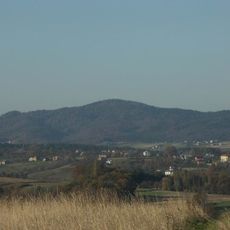
The Wisłoka flows through a valley with considerable elevation changes, where the landscape differs by about 120 meters between its highest and lowest points. These variations in elevation create different environments and affect how the water moves through the region.
The community of curious travelers
AroundUs brings together thousands of curated places, local tips, and hidden gems, enriched daily by 92,633 contributors worldwide.