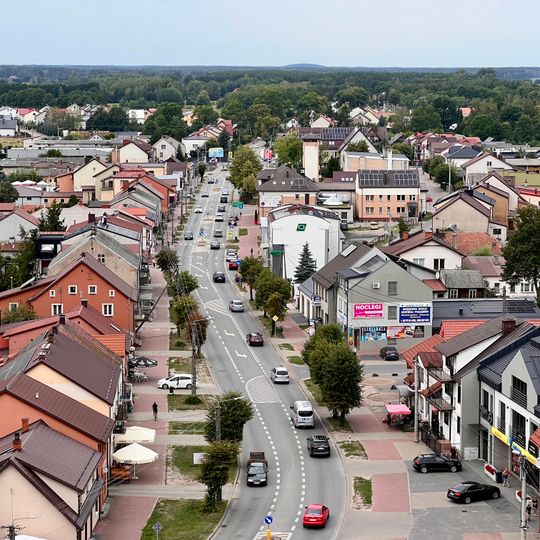
Myszyniec, city of Poland
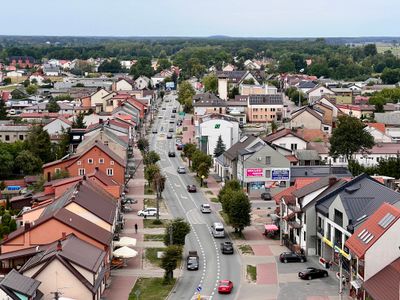
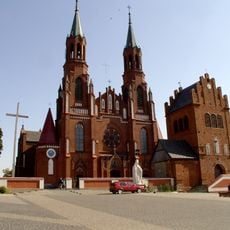
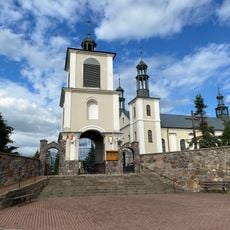
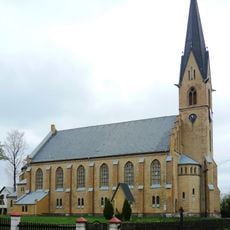
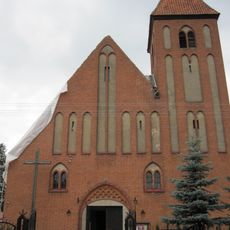
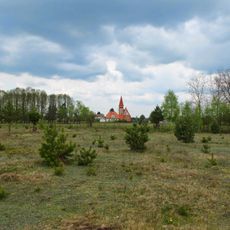
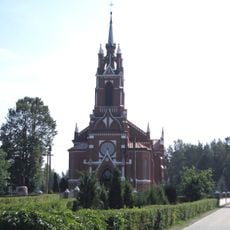
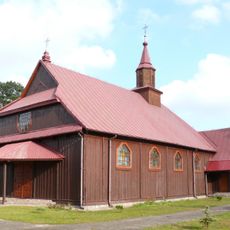
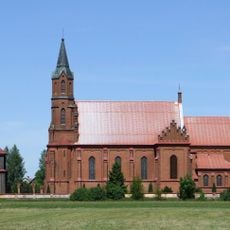
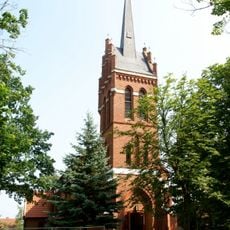
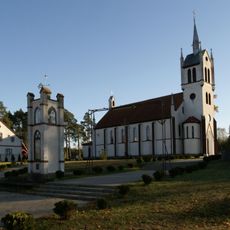
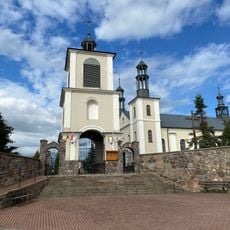
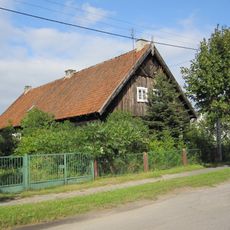
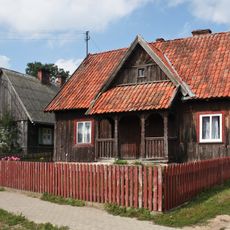
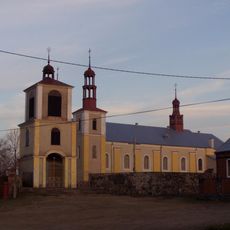
Myszyniec is a small town in eastern Poland with simple streets lined mostly by old wooden buildings that define its character. Set quietly among fields and forests without large modern construction, it centers on a parish church with tall towers built in the early 1900s in neogothic style.
The town was founded in the mid-1600s when Jesuits built a chapel here to influence the region. It gained city status in the late 1700s but lost these rights due to conflicts, finally regaining them in the early 1990s.
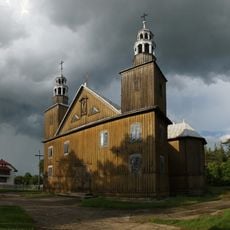
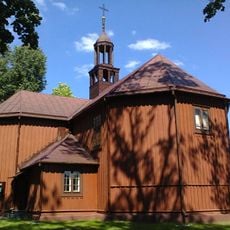
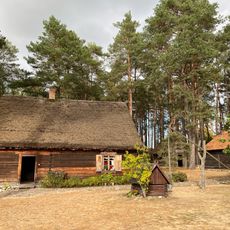
Myszyniec carries the identity of the Kurpian people, a regional group with distinctive crafts, clothing, and customs that remain visible today. Walking through town and visiting nearby museums, you encounter this living heritage in traditional wooden buildings, seasonal festivals, and local food traditions that residents continue to practice.
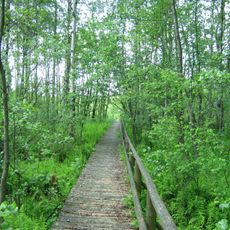
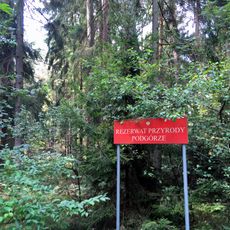
The best time to visit is from May through September when weather is warm and surrounding lakes and forests are most inviting. The town itself is easy to explore on foot, and you can take day trips from here to nearby lakes, museums, and the Puszcza Piska forest.
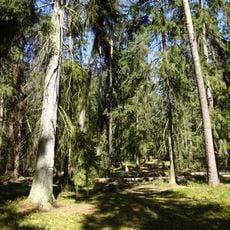
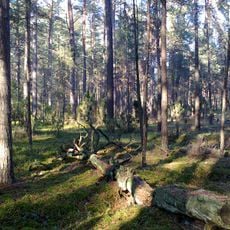
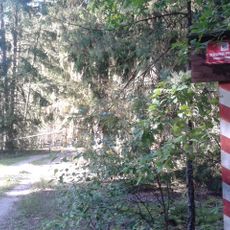
Nearby stands a natural monument, an ancient pine tree called 'Królewska Sosna' that draws walkers who love quiet forest paths. The area is also known for its beekeeping heritage and honey tradition, celebrated each August at the Kurpiowskie Miodobranie festival.
The community of curious travelers
AroundUs brings together thousands of curated places, local tips, and hidden gems, enriched daily by 92,615 contributors worldwide.