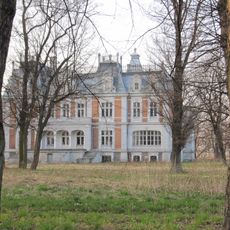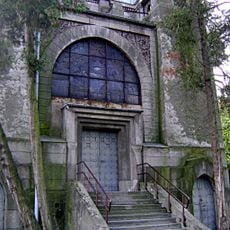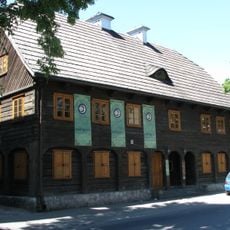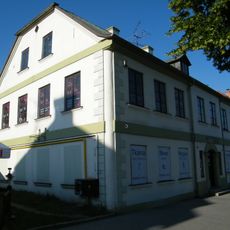
Pabianice, Industrial town in central Poland
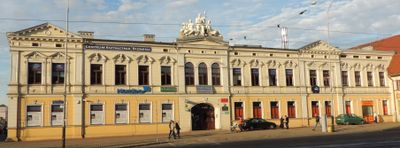
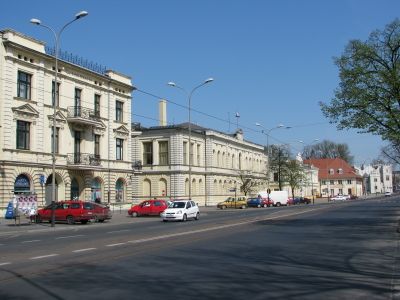
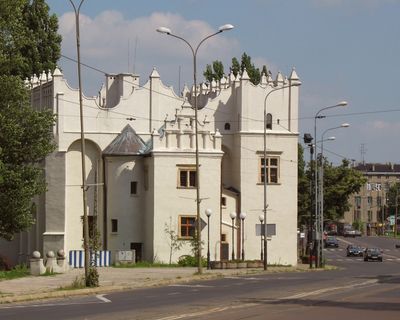
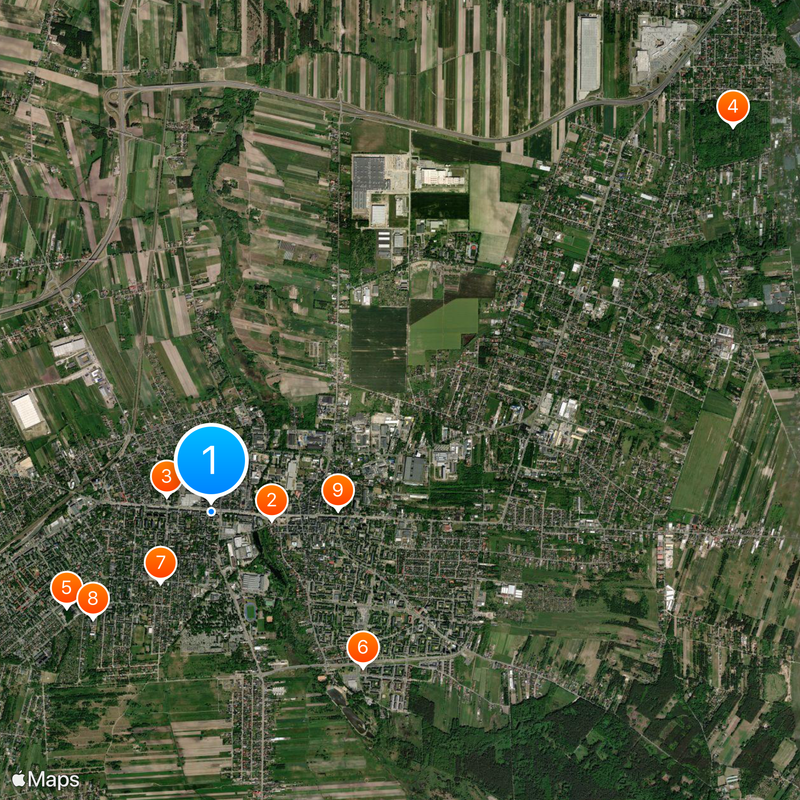
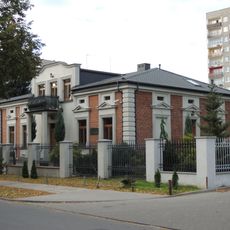
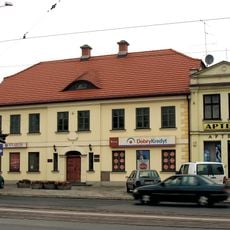
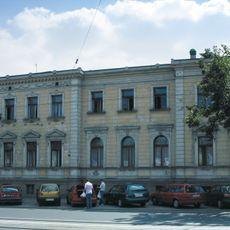
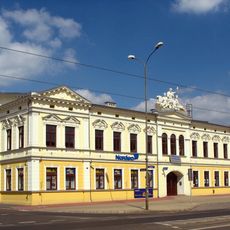
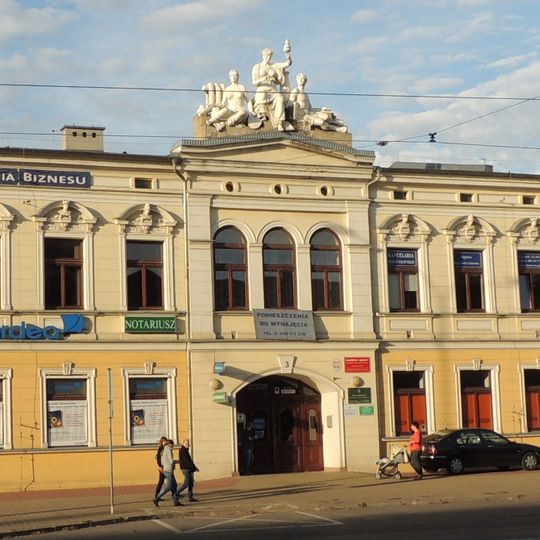
Pabianice is a town in central Poland on the Dobrzynka River with seven residential quarters and a mix of older buildings and newer settlements. Streets lead outward from the market square toward industrial zones and housing areas, while parks line the riverbanks.
The settlement received town rights in 1297 from King Władysław I and grew during the Middle Ages as a trading post. During the 19th century, it developed into a textile industry center with many weaving and spinning mills that drew workers from the surrounding countryside.
The name comes from Slavic roots meaning sandy shore or dry soil. Former textile quarters now hold apartments and shops that still echo the weaving workshops where linen and cotton once moved through looms.
Buses and trams run regularly to Łódź, and the S14 expressway sits nearby for trips to other regions. The town center is easy to explore on foot, with the market square serving as a starting point for walks to museums and parks.
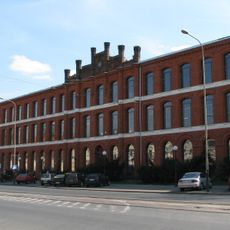
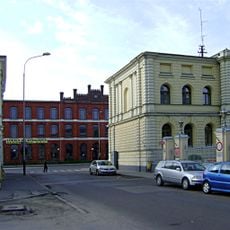
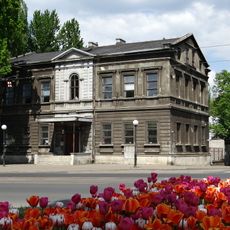
A Neo-Gothic factory building by Krusche & Ender still stands in the townscape and shows the brick architecture of the industrial era. The chimneys and tall windows recall the years when steam engines powered the looms.
The community of curious travelers
AroundUs brings together thousands of curated places, local tips, and hidden gems, enriched daily by 92,695 contributors worldwide.