Polish Golden Age, Historical period in Poland
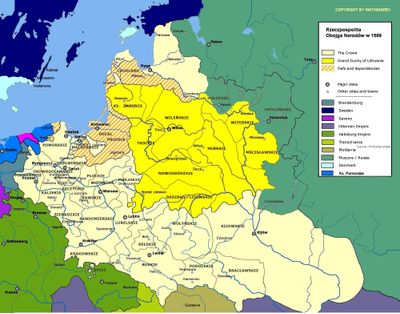
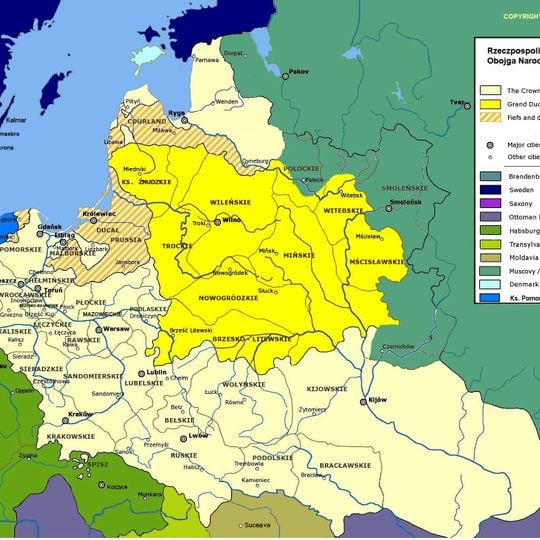
This period of Polish prosperity extended from the late 15th to the middle of the 17th century and was marked by territorial expansion and cultural growth. The realm became one of Europe's largest kingdoms and experienced economic growth through grain, wood, and salt trade via ports like Gdansk.
Under the Jagiellonian dynasty, Poland rose to major power status and reached its greatest territorial extent. This rise ended in the 17th century as outside conflicts and internal strains began to undermine the realm's strength.
The period encouraged Polish language in literature and learning, moving educated people away from Latin. This shift shaped the identity of educated circles and made Polish the language of power and knowledge.
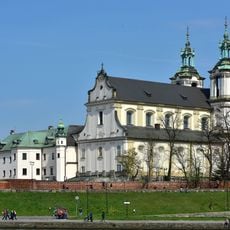
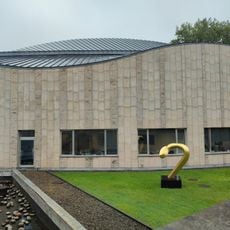
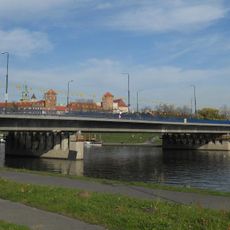
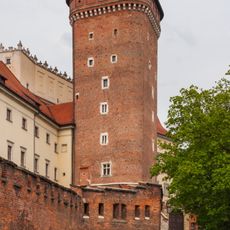
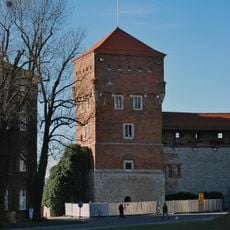
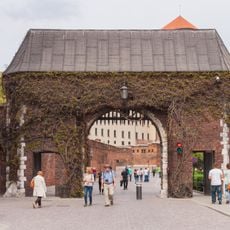
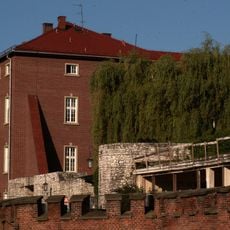
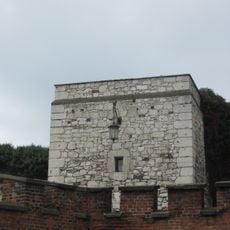
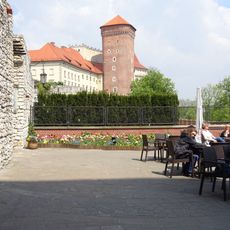
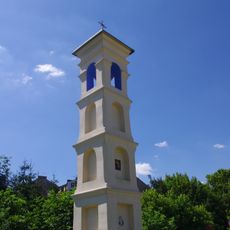
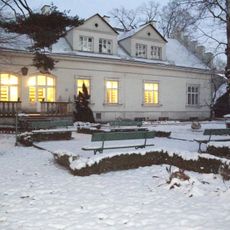
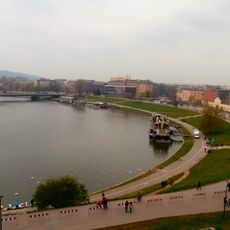
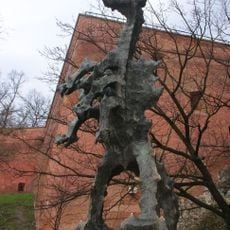
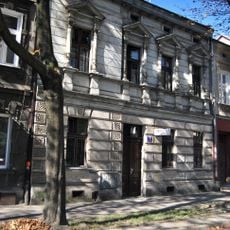
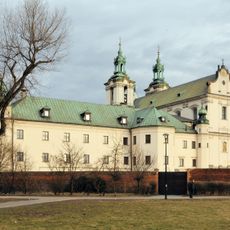
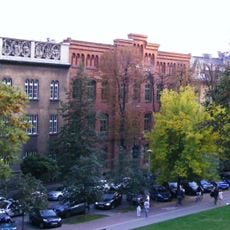
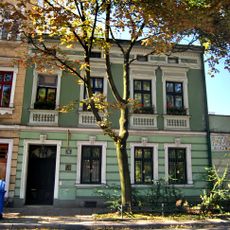
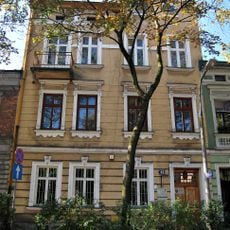
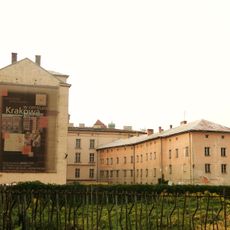
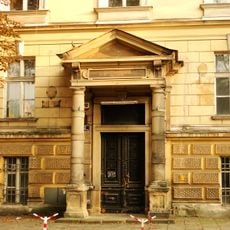
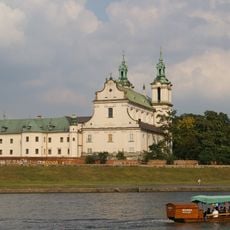
Visitors can explore this era through buildings, artworks, and museums in cities like Krakow, Warsaw, and Gdansk. These places still display traces of this prosperous time through architecture, collections, and preserved landmarks.
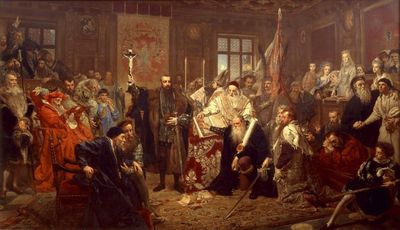
The Golden Liberty system granted the noble class equal political rights, making them one of Europe's most influential aristocratic orders. This unusual model shaped the realm's political culture and set it apart from other contemporary powers.
The community of curious travelers
AroundUs brings together thousands of curated places, local tips, and hidden gems, enriched daily by 91,820 contributors worldwide.