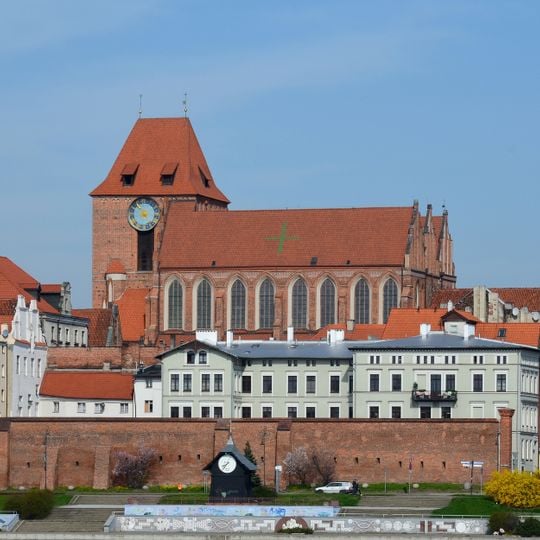
Medieval Town of Toruń, UNESCO World Heritage medieval district in Toruń, Poland
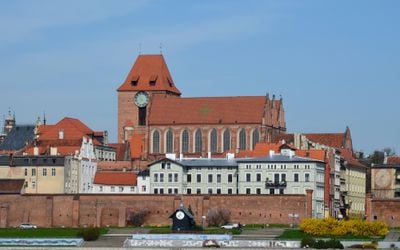
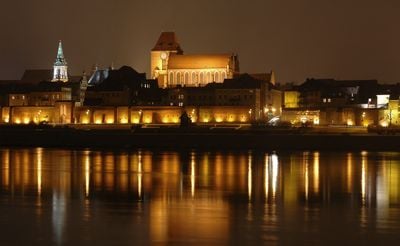
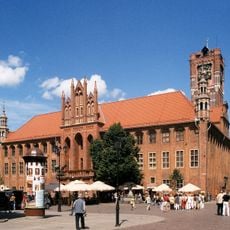
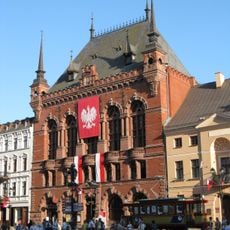
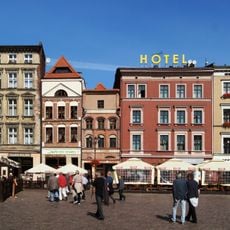
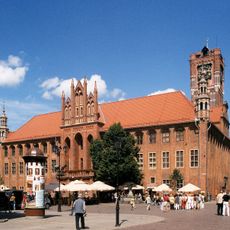
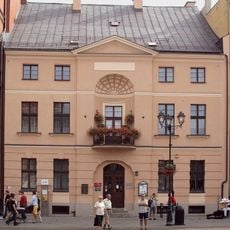
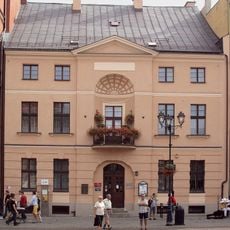
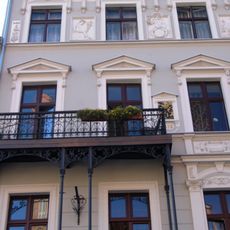
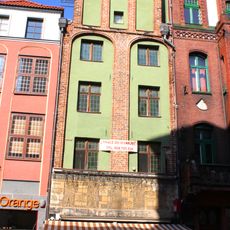
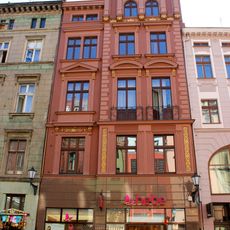
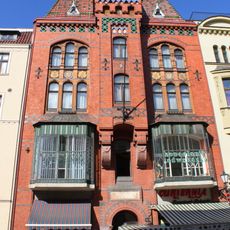
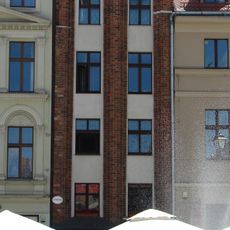
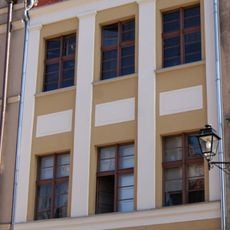
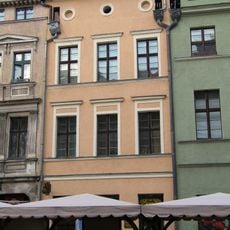
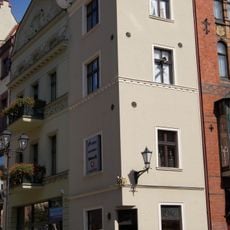
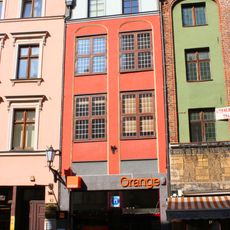
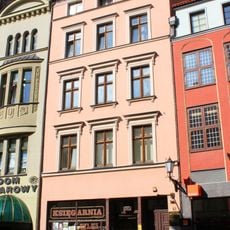
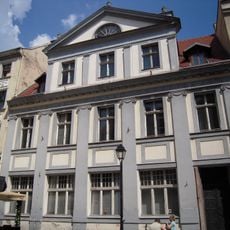
The medieval town center features red brick Gothic buildings arranged along narrow streets and open squares that follow the original medieval street pattern. Defensive walls, towers, and gateways punctuate the layout, while merchant houses line the main thoroughfares overlooking the Vistula River below.
Established by the Teutonic Knights in 1233, the settlement expanded rapidly into a major Hanseatic trading port during the 1300s and 1400s. This era of commercial prosperity left a lasting impression on the urban structure and architecture that remains visible today.
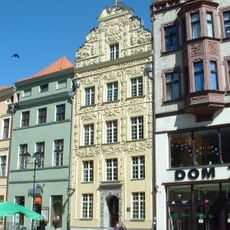
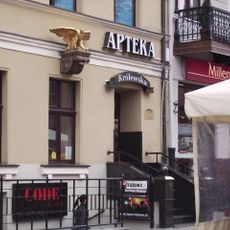
The town developed as a center of trade and craftsmanship, and these roles still shape the old town layout with its markets and workshop spaces. Walking through the narrow streets, you can see how shops and artisan workshops occupy the historic houses, reflecting the way commerce and production once organized daily life here.
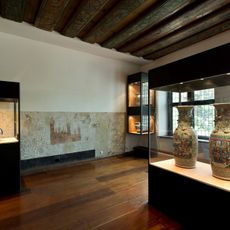
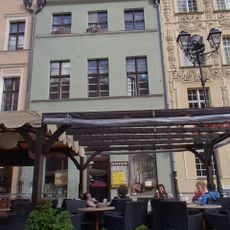
The compact layout makes it easy to explore on foot, with major attractions clustered within short walking distances. Visitor facilities like museums, shops, and places to eat are spread throughout, so you can find what you need while wandering the streets.
The town carries on a centuries-old tradition of baking gingerbread using medieval recipes and hand-carved wooden molds, with bakeries throughout the old town selling these treats. This craft has been passed down through generations and remains a living part of the local economy.
The community of curious travelers
AroundUs brings together thousands of curated places, local tips, and hidden gems, enriched daily by 91,806 contributors worldwide.