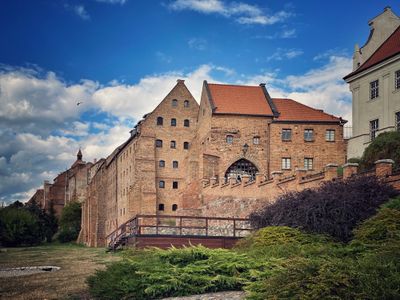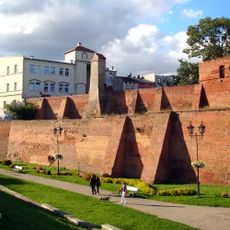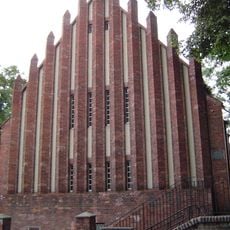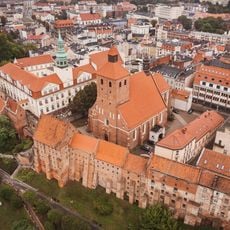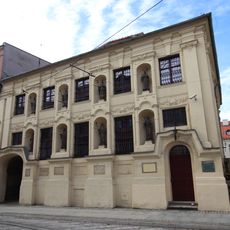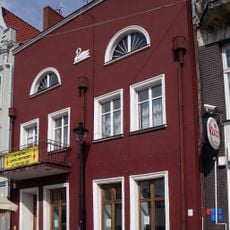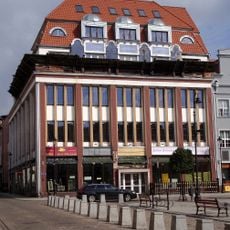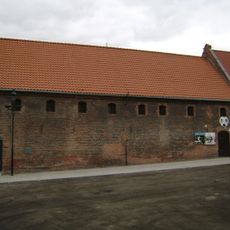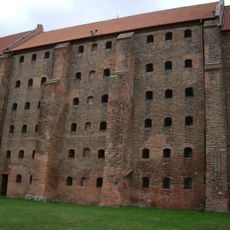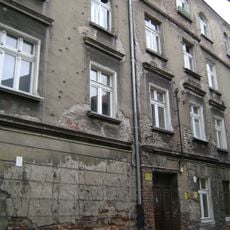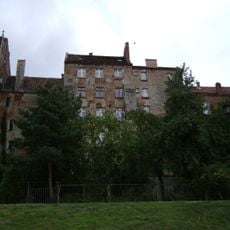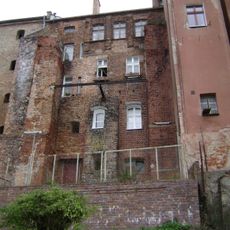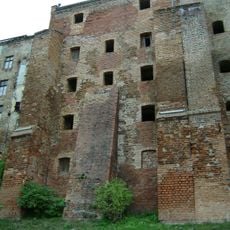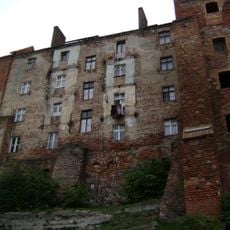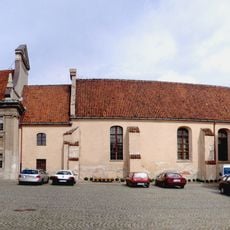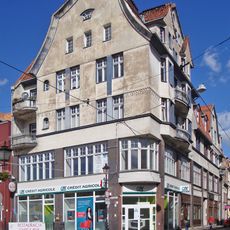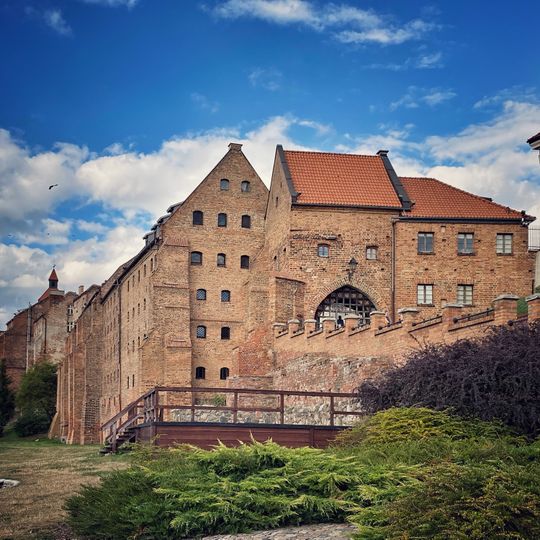
Museum in Grudziądz, Regional museum in Grudziądz, Poland.
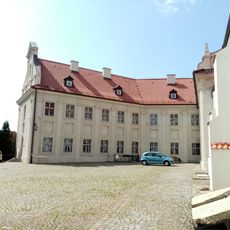
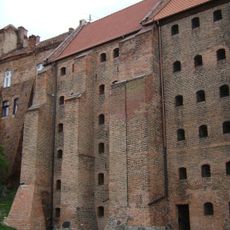
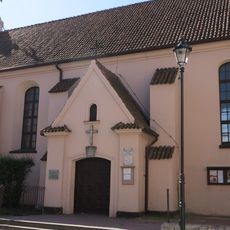
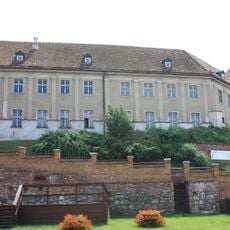
The museum is a regional institution housed in a former Benedictine convent that displays material across four departments: History, Archaeology, Art, and Ethnography. Each section covers different aspects of the Grudziądz area, from ancient artifacts and medieval objects to folk traditions and fine art created or found locally.
Founded in 1884 as the Municipal Museum of Antiquities, it started with 741 archaeological objects displayed in a classroom at a girls school. Over time it grew and relocated, eventually settling into the former Benedictine convent where it now houses its expanded collections documenting the region's cultural development.
The museum is named after Father Władysław Łęga, a local priest and scholar whose legacy shaped the institution. Inside you can see how the former Benedictine convent spaces have been adapted to display art and objects that tell the story of people who lived in the Grudziądz area.
The building sits in Grudziadzs old town center and is straightforward to navigate, with enough space to explore all four departments at a comfortable pace. It helps to set aside time for each section, especially if you are drawn to archaeological finds or folk traditions and how people lived in past centuries.
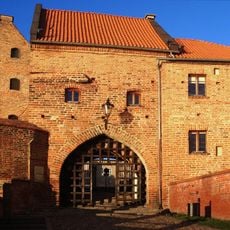
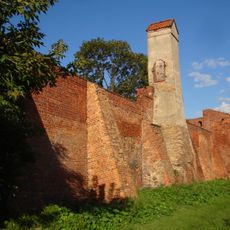
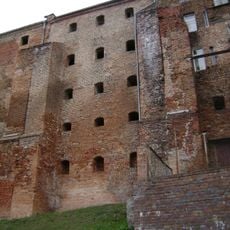
The museum also manages the Castle Hill complex in town, which preserves remnants of a Teutonic Knights fortress and a distinctive tower called Klimek. Climbing the tower gives visitors a bird's-eye view of the city and the Vistula valley, connecting the museum's indoor collections to the broader landscape of the region.
The community of curious travelers
AroundUs brings together thousands of curated places, local tips, and hidden gems, enriched daily by 92,863 contributors worldwide.