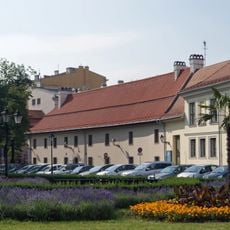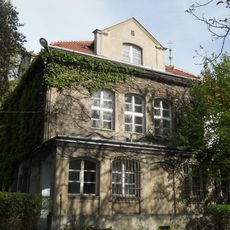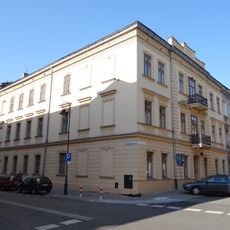
Pusłowski Palace in Kraków, Renaissance palace on Westerplatte Street, Krakow, Poland
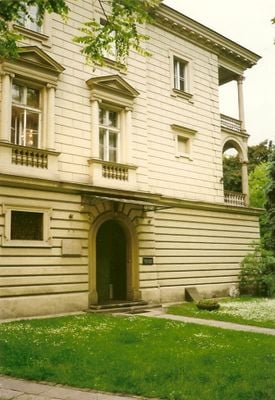
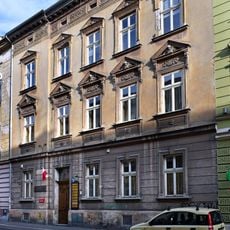
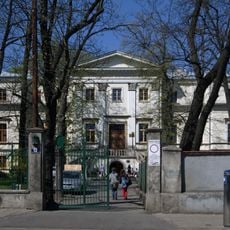
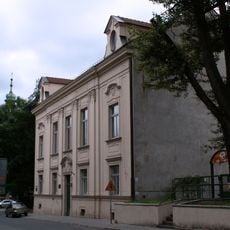
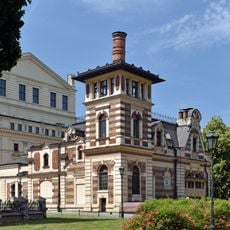
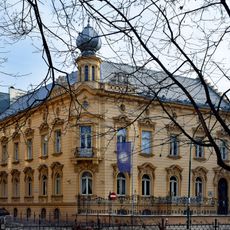
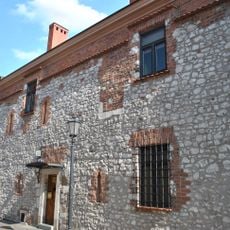
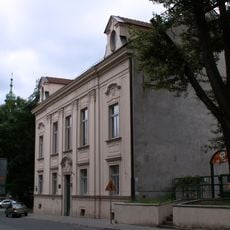
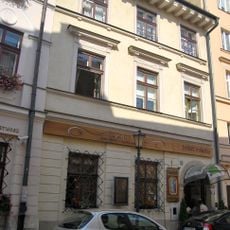
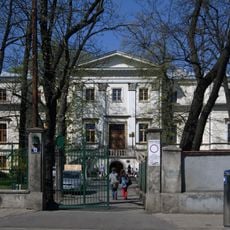
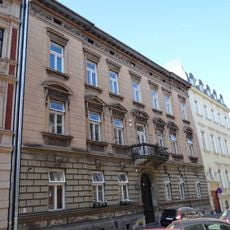
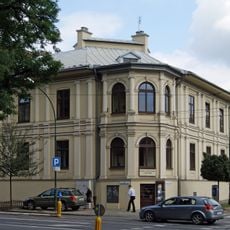
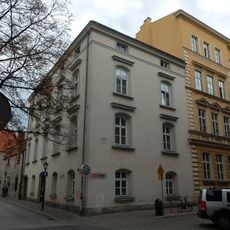
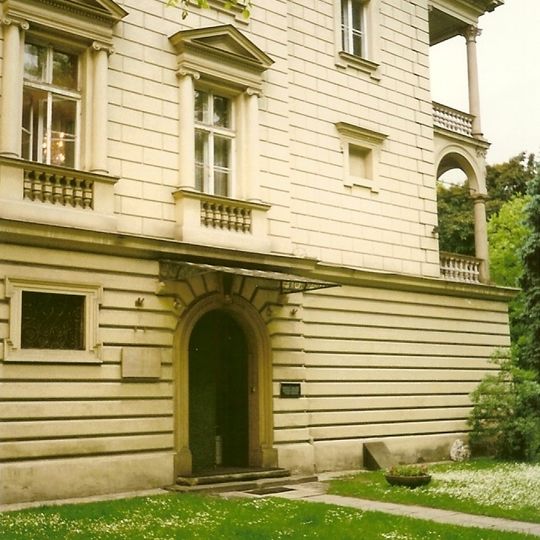
Pusłowski Palace is a Renaissance building on Westerplatte Street in Kraków with a two-story loggia and rusticated facade. The window frames are ornately designed and display the characteristic details of Renaissance architecture from that period.
The site held an 18th–19th-century granary belonging to burgher Walenty Bartsch, whose barrel-vaulted cellars survive. Szczepan Humbert rebuilt it in 1821 for Sykstus Lewkowicz; Ludwik de Laveaux ordered a further rebuild in 1845, and Maksymilian Nitsch added the first floor in 1873 for Konstanty Rohoziński. Count Zygmunt Pusłowski bought it in 1885 and had Tadeusz Stryjeński and Władysław Ekielski remodel it in 1886 into a Neo-Renaissance villa.
The palace serves as home to the Institute of Musicology of Jagiellonian University, shaping how the building is used today. Musicians and scholars move through its rooms, which now function as spaces for study and artistic work.
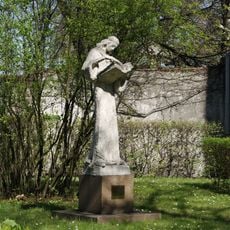
The palace now houses the Institute of Musicology of Jagiellonian University, so the interiors are working academic rooms rather than a museum open to tourists. Access is arranged through the institute, not by walking in. The building stands at Westerplatte 10 in the Wesoła part of the Old Town, and the Paderewski monument unveiled in 2011 stands in front of it.
In 1936 Ksawery Pusłowski hosted Dutch crown princess Juliana and her husband at the palace during their honeymoon trip to Poland. He had earlier received Herbert Hoover there while serving as secretary to Prime Minister Paderewski. The 1938 Exhibition of Old Clocks and the 1939 Exhibition of Miniatures were held in these rooms, with proceeds going to the new National Museum building.
The community of curious travelers
AroundUs brings together thousands of curated places, local tips, and hidden gems, enriched daily by 94,700 contributors worldwide.