Corpus Christi church in Gdańsk, church building in Gdańsk, Poland
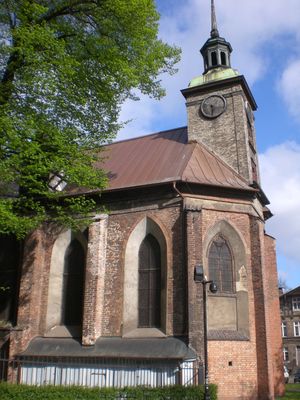
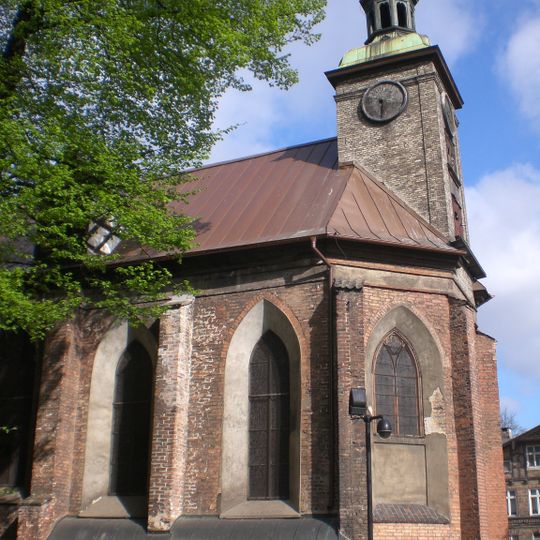
Corpus Christi Church stands in Gdańsk's Śródmieście as a brick church with a steep reddish-brown metal roof and a square brick tower topped by a green multi-sided cupola and a dark clock face. Its lower walls of red brick with lighter stone accents are pierced by three tall pointed-arch windows with dark tracery glass. A Baroque nave designed by Barthel Ranisch was added perpendicular to the main body on the north side in 1688–1689.
The complex began as a hospital for lepers, later a shelter for the old, sick and lonely; its founding is dated to 1350, though unconfirmed. The church is first mentioned in 1385, the hospital and chapel in 1395. The Gothic chapel was enlarged from before 1454, interrupted by the Thirteen Years' War, and became the chancel. The present nave dates from rebuilding after the 1577 siege; from 1592 the church served a Protestant parish, and in 1974 it passed to the Polish Catholic Church.
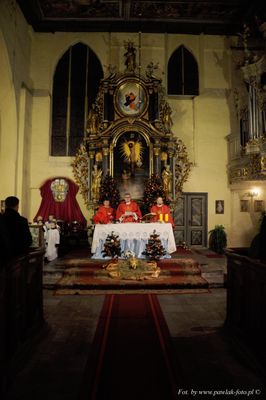
The church has served Gdańsk's Polish Catholic parish since 1974, when it was handed over with its rectory; its pastor is Fr. Rafał Michalak. An external pulpit with apostle figures and a pelican symbolising Christ was added in 1707 and now stands inside. The 1765/67 rococo organ, built by Friedrich Rudolph Dalitz, a pupil of Gdańsk master Hildebrandt, has 34 stops on the west gallery.
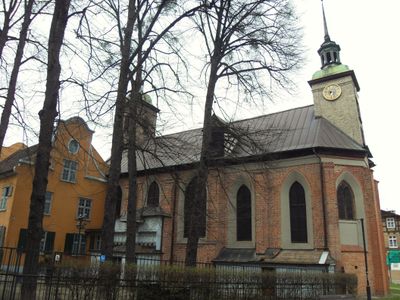
The church has belonged to the Polish Catholic Church since 1974 and serves as a parish church of the Warsaw diocese; its pastor is Fr. Rafał Michalak. The interior is entered from the west, where the 1765/67 rococo organ by Friedrich Rudolph Dalitz stands on the gallery. The east tower, first built in timber framing in 1749 and walled in brick in the mid-18th century, carries the clock whose mechanism was lost during World War II.
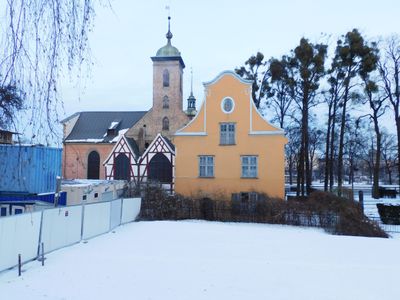
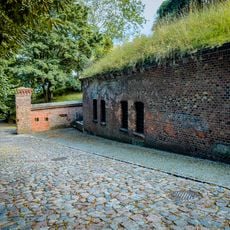
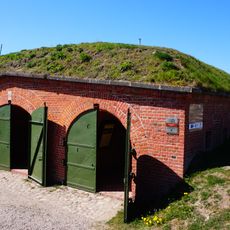
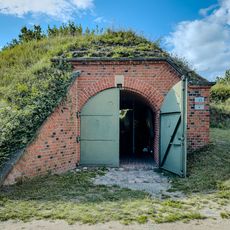
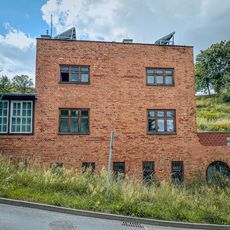
The church began as part of a hospital complex for lepers, later a shelter for the old, sick and lonely; the complex's founding is dated to 1350, though not officially confirmed. The first mention of the church is from 1385, and the first confirmed record of the hospital and chapel from 1395. Since 2021 three of the five surviving complex buildings, the oldest from 1786, are being adapted for the Hevelianum.
The community of curious travelers
AroundUs brings together thousands of curated places, local tips, and hidden gems, enriched daily by 94,647 contributors worldwide.