Warsaw University Botanical Garden, Botanical garden in Śródmieście district, Poland.
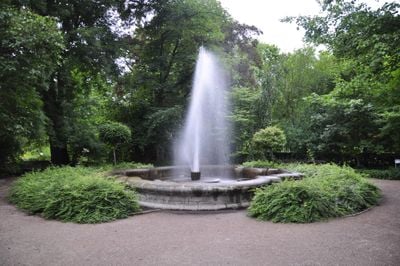
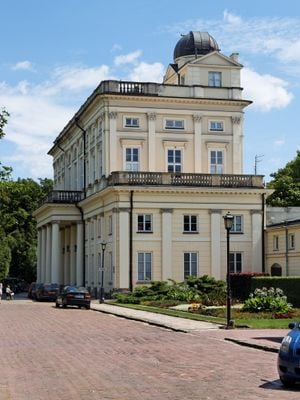
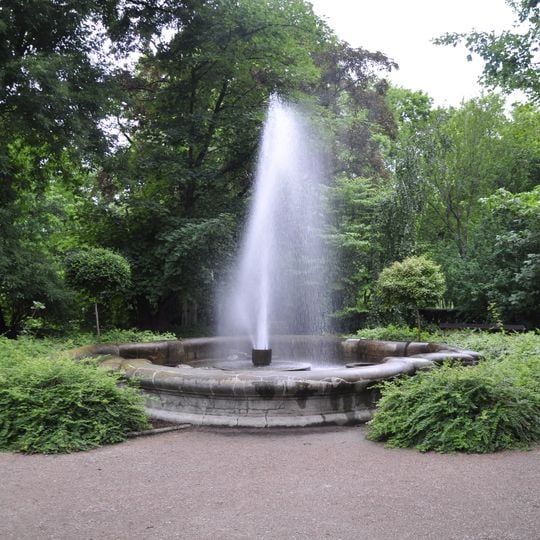
The Warsaw University Botanical Garden occupies 5.16 hectares beside the Belweder and the upper part of Łazienki Park. Its grounds are divided into a scientific section arranged by plant systematics, a pomological section with fruit trees for training gardeners, and a walking section open to the public. The Astronomical Observatory, built 1820–1825 on the site of an old orangery, stands within the garden.
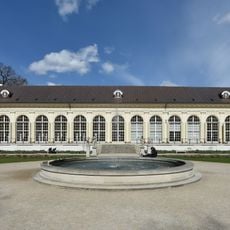
The garden's founding date is 15 December 1818, when the Government Commission for Religious Denominations and Public Enlightenment approved moving the earlier 1811 garden at the Kazimierz Palace to the Royal Garden beside Belweder. It was initially 22.5 hectares, but after the November Uprising and the university's closure in 1834, Governor Ivan Paskevich had about two-thirds of the grounds, including the orangery, attached to Łazienki Park, leaving roughly 5.16 hectares.
The garden displays plants native to Poland and invites visitors to explore the natural variety of the country. The collections play an important role in preserving plant species that grow in the region.
The garden occupies 5.16 hectares in Śródmieście at Aleje Ujazdowskie 4, beside Belweder and the upper part of Łazienki Park. Its layout follows the 1818 division into a scientific section, a pomological section of fruit trees and a walking section for the public. The Astronomical Observatory, built 1820–1825, stands on the grounds.
The garden focuses on medicinal plants, some used in traditional Polish herbal medicine and in modern pharmaceuticals. These specialized collections make the place interesting for anyone curious about the connection between plants and health.
The community of curious travelers
AroundUs brings together thousands of curated places, local tips, and hidden gems, enriched daily by 94,433 contributors worldwide.