Museum of Sopot, Historical museum in Sopot, Poland.
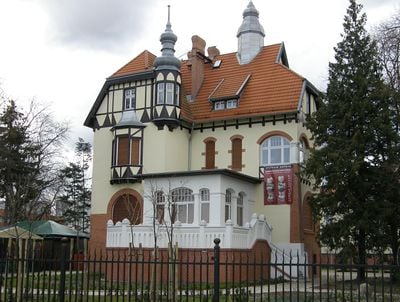
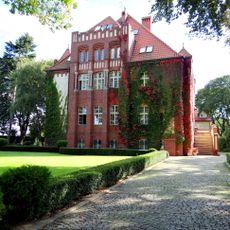
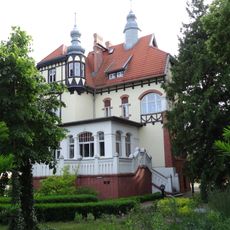
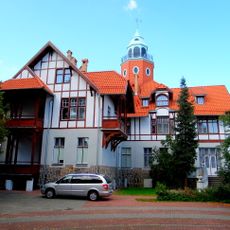
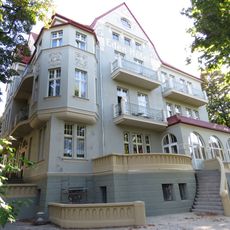
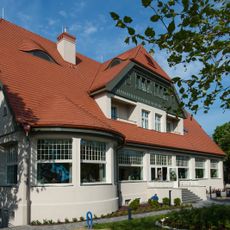
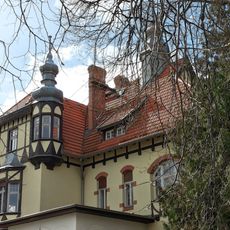
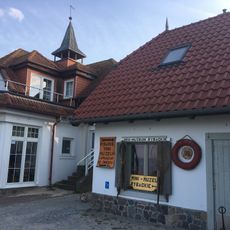
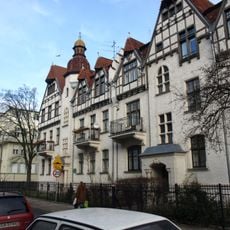
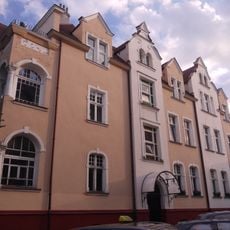
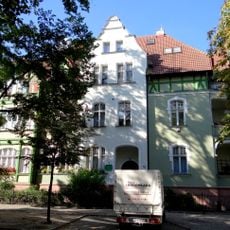
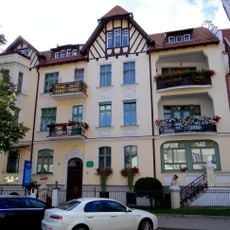
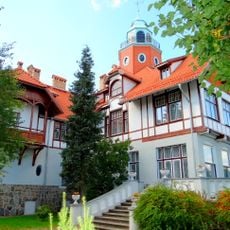
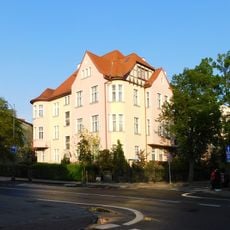
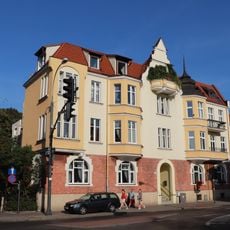
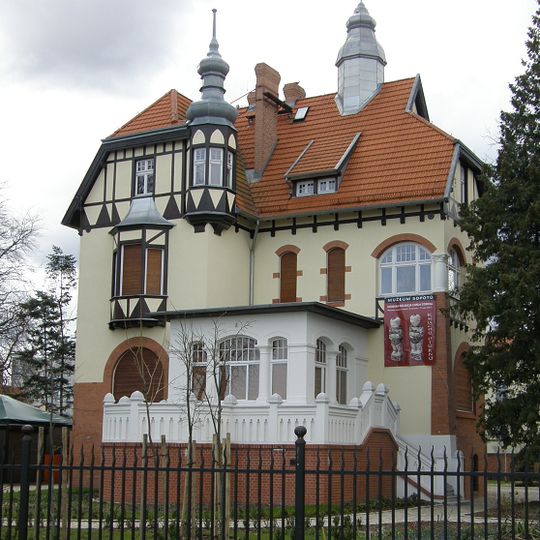
The Museum of Sopot is housed in the Claaszen Villa at Poniatowskiego 8, built in 1903–1904 to plans by architect Walter Schulz. The three-storey house, resembling a small palace, has turrets and bay windows and stands at the corner of Aleja Wojska Polskiego. Its interiors were filled by the merchant Ernst August Claaszen with artworks and costly furniture.
Ernst August Claaszen, a Gdańsk merchant and art collector, bought the plot by the beach in 1902 and had the villa built in 1903–1904 to plans by architect Walter Schulz. In 1910 the street laid through the property was named Ernststrasse after him. After Claaszen's suicide in 1924 the family sold the house in 1928 to Oskar Meltzner, owner of the Vulkan iron foundry in Gdańsk. From 1945 it served as a government rest residence, and since 2001 it has housed the Museum of Sopot.
The ground floor displays recreated rooms from early twentieth-century homes, showing how wealthy families lived in Sopot at that time. Walking through these furnished spaces with original objects gives visitors a direct sense of daily life from that era.
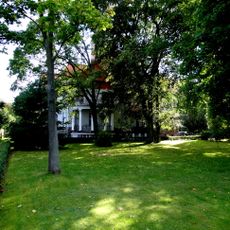
The museum is at the corner of Poniatowskiego 8 and al. Wojska Polskiego, a short walk from the beach and the pier. The villa has three storeys, so expect stairs between the exhibition rooms. Allow about an hour for the displays and the garden.
The villa was long known locally as "bierutówka", after President Bolesław Bierut, to whose office it was transferred after 1945. From 1945 to 1948 Eugeniusz Kwiatkowski, government delegate for the coast, lived here, and Prime Minister Józef Cyrankiewicz stayed with his wife Nina Andrycz. A special covered passage linked the house to the neighbouring military rest home.
The community of curious travelers
AroundUs brings together thousands of curated places, local tips, and hidden gems, enriched daily by 94,505 contributors worldwide.