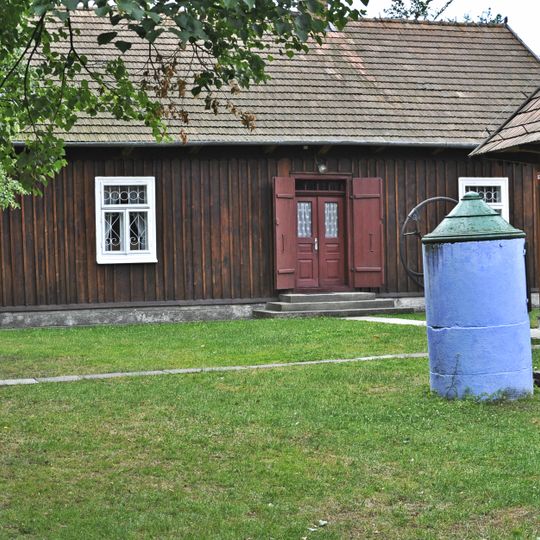
Zagroda Wincentego Witosa, Biographical museum and farmstead in Wierzchosławice, Poland
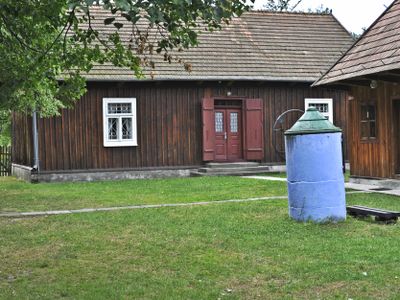
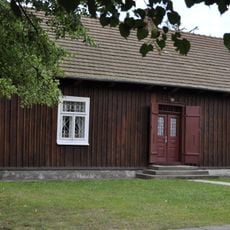
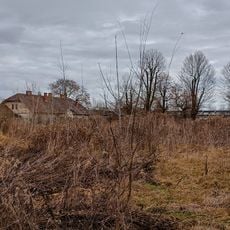
Zagroda Wincentego Witosa is a farmstead in Wierzchosławice built by Wincenty Witos from 1905 to 1913 on a 24-are plot that was his wife Katarzyna's dowry. Five wooden log-construction buildings—a dwelling house, a livestock building, a barn, a granary and a freestanding cellar with an upper storey—stand in a quadrangle around a courtyard, all with gabled roofs covered in roof tiles. The house has a two-bay interior layout with a central hall and four rooms.
The croft stands on 24 ares of land that was the dowry of Wincenty Witos's wife, Katarzyna. Construction began in 1905 and lasted eight years; the couple moved in with their daughter Julia. During the Brześć trial Witos, fearing confiscation, formally transferred the farmstead to his only daughter. The museum opened here on 27 December 1971.
The croft displays how a prosperous farming family lived in the early 20th century, with rooms that reflect daily work and family routines. The collection shows rural conditions during the time when the owner rose to political leadership.
The site can be visited with guided tours that cover rural history topics as part of a museum network. Visitors should wear warm clothing and bring sturdy shoes since much of the grounds are outdoors and can be muddy.
The farm was built on a 24-are plot that was the dowry of Witos's wife, Katarzyna; construction began in 1905 and took eight years. During the Brześć trial, fearing confiscation, Witos formally transferred the croft to his only daughter, Julia.
The community of curious travelers
AroundUs brings together thousands of curated places, local tips, and hidden gems, enriched daily by 94,700 contributors worldwide.