Roman villa of Ammaia, Roman archaeological site in São Salvador da Aramenha, Marvão, Portugal
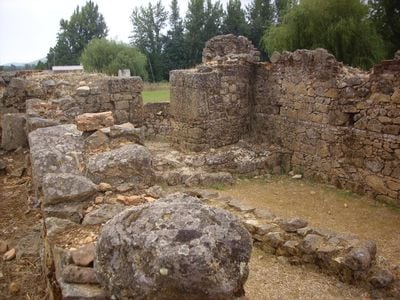
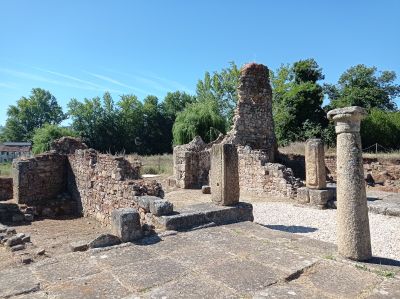
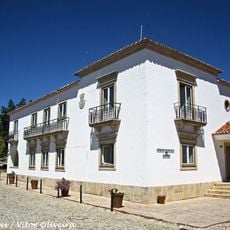
Ammaia is a Roman city in São Salvador da Aramenha whose ruins include a city wall with towers and a south gate, a paved forum with a temple podium, public baths, and the Cardo Maximus. The site also has an on-site museum in the former Quinta do Deão house.
Ammaia was probably founded in the late 1st century BC, under Augustus, and gained civitas status in 44–45 AD under Claudius; its municipium status is debated between Nero, Lucius Verus and Vespasian. Its growth came from quartz and gold resources and from roads linking it to Emerita Augusta (Mérida). After systematic rebuilding in the 4th century, it declined between the 5th and 9th centuries and was abandoned in favour of Marvão; Leite de Vasconcelos identified the site as Ammaia in 1935.
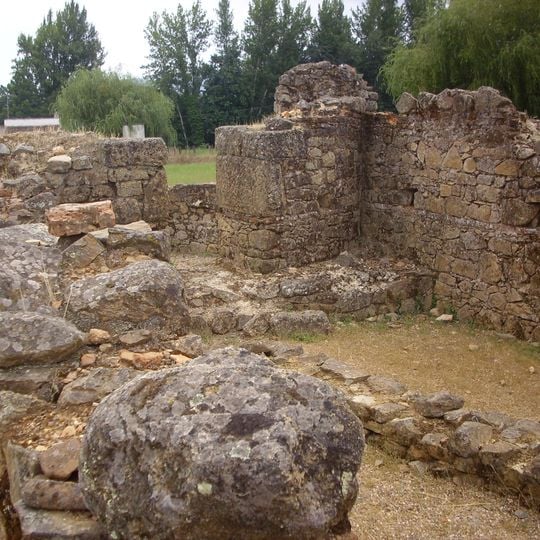
The ruins reveal how a Roman city functioned in daily life, with remains of baths, homes, and public spaces still visible today. Walking between the old stones, visitors can sense how people once lived and worked in this place centuries ago.
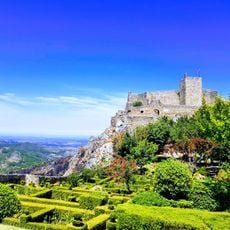
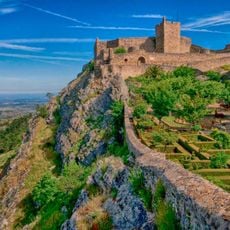
The ruins lie in the São Mamede Natural Park along the Sever River, beside São Salvador da Aramenha and below the Castle of Marvão. The site is crossed by the E.N.359 road, so take care when moving between excavated areas. Excavations began in 1994 and are ongoing, so some zones may be fenced off.
In 1710 one of the city gates was taken down and reused for the Castle of Vide, then destroyed. The south gate area has been excavated: two flanking tower bases 6.3 metres in diameter and a public square about 21 by 11 metres. The site now serves as an open laboratory for non-destructive survey methods.
The community of curious travelers
AroundUs brings together thousands of curated places, local tips, and hidden gems, enriched daily by 94,387 contributors worldwide.