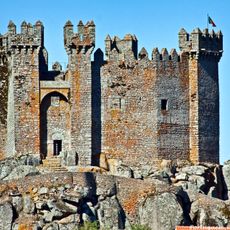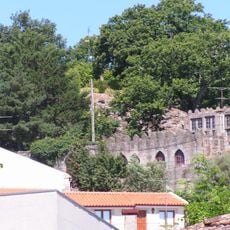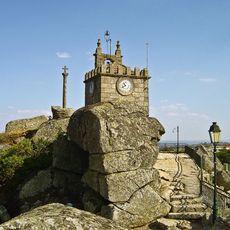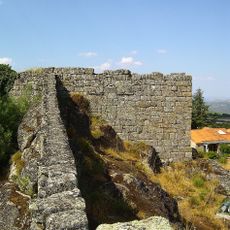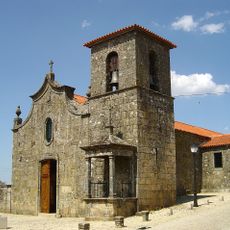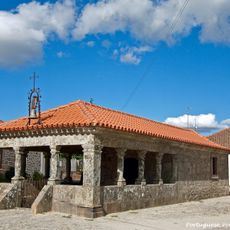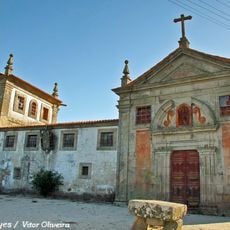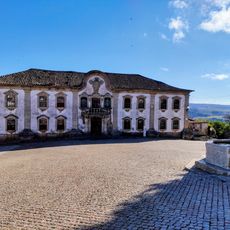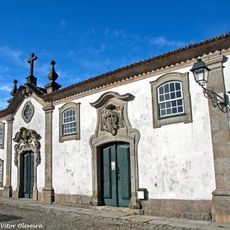
Antas, Archaeological village in Penedono, Portugal.
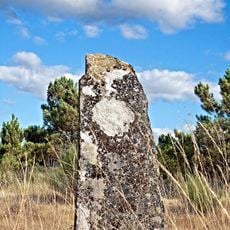
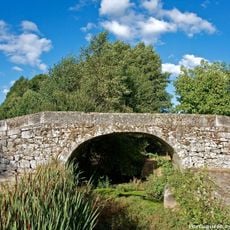
Antas is a village situated on the foothills of Sirigo mountain at approximately 804 meters elevation, surrounded by granite rock formations and prehistoric archaeological sites. The terrain is marked by dolmens and stone structures that define the landscape and document different periods of human settlement.
The first written record of the village dates to 960, when a noblewoman donated her lands to the Monastery of Guimarães during the Christian Reconquest. This donation marked the beginning of a new phase in the political and religious administration of the region.
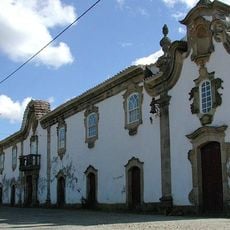
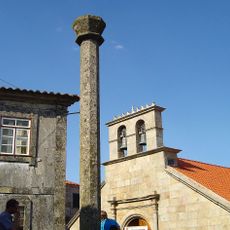
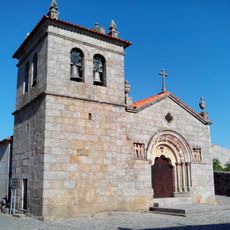
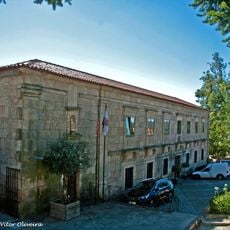
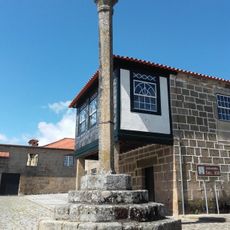
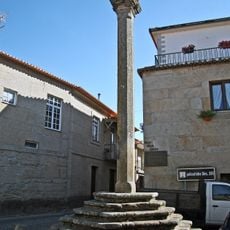
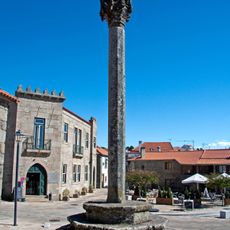
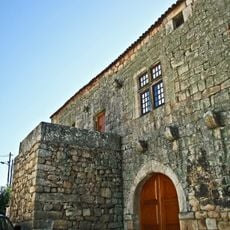
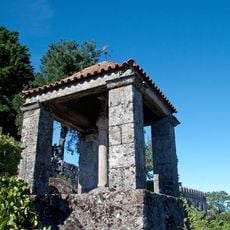
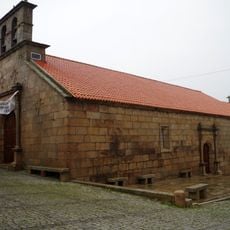
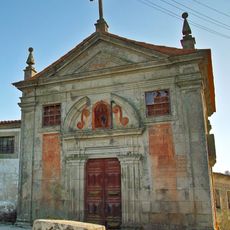
The village's identity centers on its megalithic heritage, with dolmens and stone monuments woven into the natural landscape that visitors encounter while walking through. Local architecture features decorated Romanesque windows that show craftsmanship from medieval times.
The area is easy to explore on foot using local paths, and visitors should wear sturdy shoes since the terrain is uneven and crosses over granite formations. It makes sense to arrive early in the day and allow time to explore the various stone monuments scattered throughout.
The name derives from the Portuguese word for dolmen, pointing to an unusual concentration of these Neolithic structures in the area. Archaeologists have uncovered several necropolises around the village, suggesting the landscape served as a burial ground over many generations.
The community of curious travelers
AroundUs brings together thousands of curated places, local tips, and hidden gems, enriched daily by 92,380 contributors worldwide.